 Ver en contexto
 Enviar
 Compartir
 Detalles

 Descargar
 Similares
 Radiografía
 Presentación de diapositivas
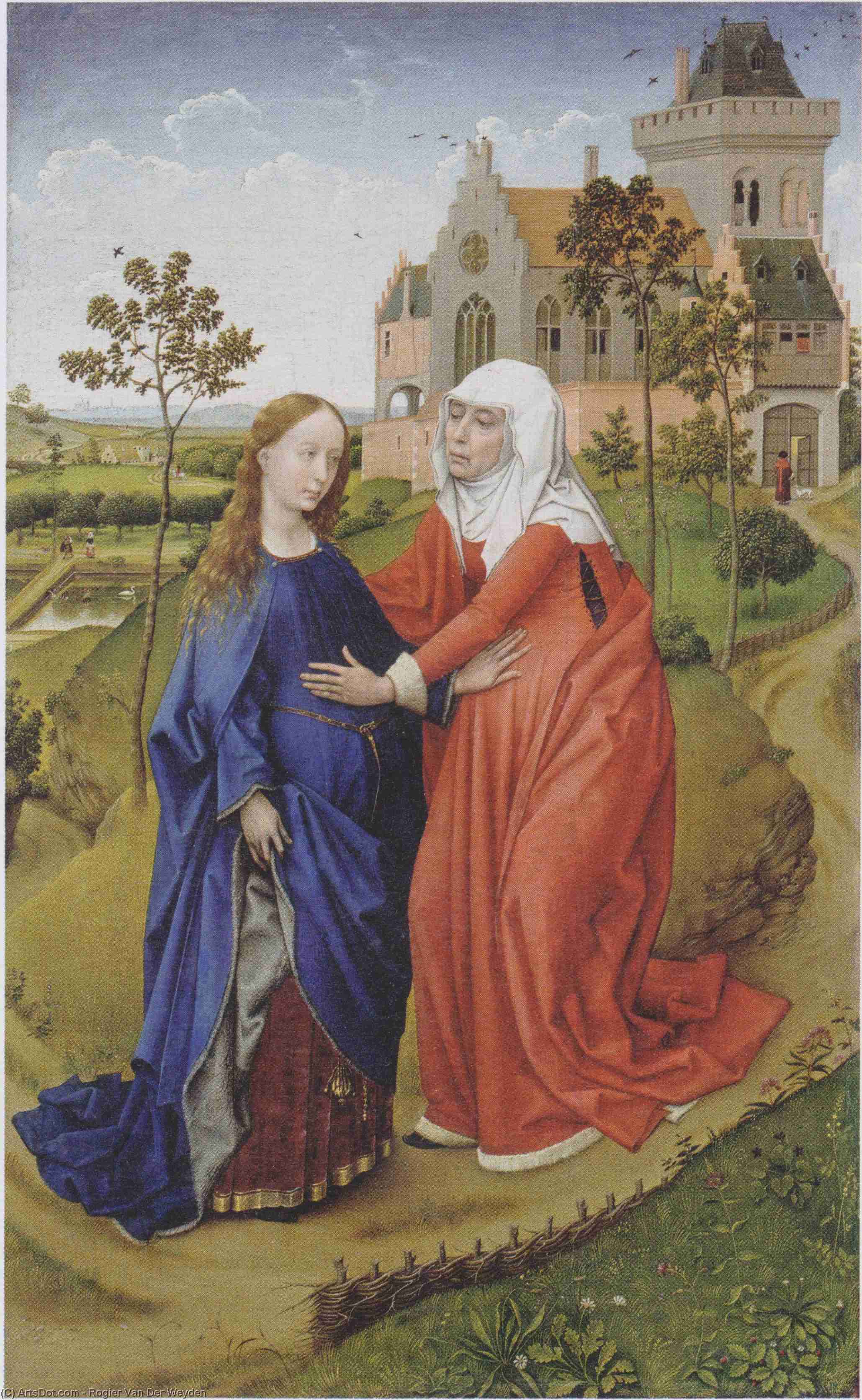
Visitation of Mary
 Oil On Panel
- WallArt
- Early Netherlandish Renaissance
 1445
1445- Renaissance
 57.0 x 36.0 cm
 Ver más
Giclée / Impresión de arte
Impresiones giclée o en lienzo de calidad de museo con producción rápida y opciones de acabado flexibles. ( Comprar pintura hecha a mano Comprar imagen)




P118B $10

P118H $10

P118W $10

P438Z $10

P508JH $12

P508YH $12

P805H $10

P805Z $10

P919BZ $10

P919G $10

P919XJ $10

P959ZH $10

P968JZ $12

W106C $8

W218G $10

W218JH $8

W218Y $10

W307PJ $10

W316G $10

W316PJ $8

W316Y $10

W398PJ $8

W4111J $10

W500HY $15

W500JH $15

W692G $12

W849H $8

W940BG $15

W953PJ $8




Elija entre nuestros tamaños predefinidos que respetan las proporciones originales de la obra.

Puede introducir sus propias dimensiones para adaptarse a un marco o espacio específico. Si el tamaño seleccionado no coincide con las proporciones de la imagen original, recortaremos la obra de arte o extenderemos la imagen con un borde con efecto espejo o de color sólido. Se enviará una maqueta digital para su aprobación antes de que comience la producción.
Tenga en cuenta que la vista previa en pantalla no refleja el recorte o la extensión real. Solo la maqueta mostrará con precisión la composición final.
Aunque existen tamaños personalizados, recomendamos seleccionar una dimensión de la lista predefinida para preservar las proporciones originales.
Envío a todo el mundo () en 2 semanas en lugar de las 4/5 semanas estándar. (1 septiembre)

Envío exprés gratuito a todo el mundo

Lienzo de lino de alta calidad

Seguro de envío total

Garantía de reembolso de impuestos aduaneros

Garantía de fidelidad cromática exacta

Política de devolución de 60 días (solo por defectos)

Garantía de devolución del 100% del dinero

Descuento por cantidad
 La opción de vidrio solo está disponible en tamaños inferiores a 110 cm.

Visitation of Mary
Giclée / Impresión de arte
Dimensiones de la reproducción
-


Precio total final
$ 62
A Sacred Embrace: The Emotional Resonance of Van der Weyden’s Visitation
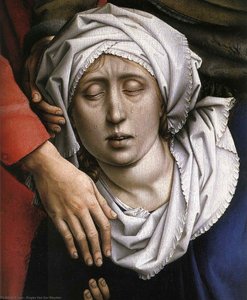
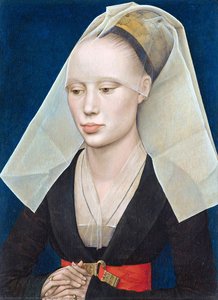
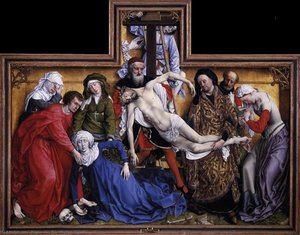
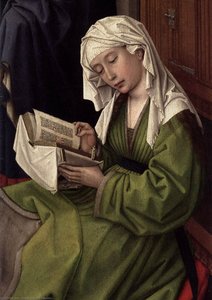
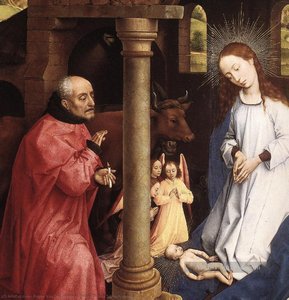
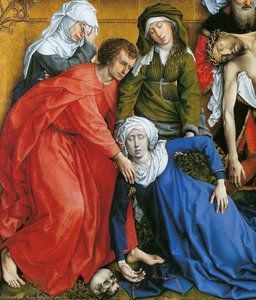
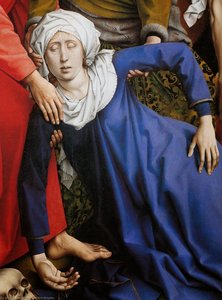
In the quiet stillness of the mid-15th century, a moment of profound spiritual intimacy was captured on wood by one of the most emotive masters of the Northern Renaissance. Rogier van der Weyden’s “Visitation of Mary” is not merely a depiction of a biblical encounter; it is a window into the very soul of Early Netherlandish devotion. The painting brings to life the pivotal moment when Mary, pregnant with Jesus, visits her elderly cousin Elizabeth, who is carrying John the Baptist. As their arms entwine in a tender embrace, the viewer is drawn into a sacred circle of kinship and divine revelation. This is a scene where the weight of destiny meets the warmth of human affection, rendered with a precision that makes the miraculous feel tangibly present.
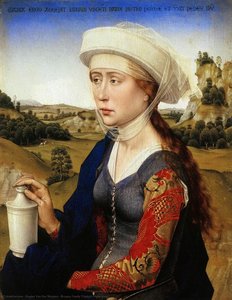
The brilliance of this masterpiece lies in Van der Weyden’s unparalleled ability to marry technical glasstil—or "glass style"—with deep, psychological pathos. Utilizing thin, translucent glazes of pigment layered over a luminous gesso ground, the artist achieved a jewel-like radiance that seems to emanate from within the panel itself. Every fold of Elizabeth’s heavy robes and every subtle shadow cast upon the figures possesses a sculptural quality, a testament to the artist's former training as a goldsmith. This meticulous attention to texture—the soft sheen of fabric, the delicate skin tones, and the intricate details of the surrounding figures—creates a sense of hyper-realism that invites the eye to linger on every meticulously crafted surface.
A Symphony of Light and Devotion
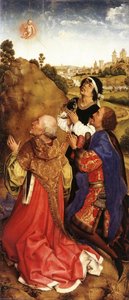
Beyond its technical virtuosity, the "Visitation" serves as a profound study in light and symbolism. The composition is masterfully balanced, using the central figures of Mary and Elizabeth to anchor the viewer's gaze before allowing it to wander toward the supporting characters that frame the narrative. These secondary figures, though subtle, add layers of communal witness to the private miracle occurring at the center. The interplay of light across the scene does more than define form; it illuminates the concept of divine grace descending upon the earthly realm. For the collector or the interior designer, this painting offers a rare combination of quiet dignity and commanding presence, making it an ideal centerpiece for spaces that value contemplative beauty and historical depth.
To possess a reproduction of such a work is to bring a piece of the Flemish Renaissance into the modern home. It is an invitation to experience the same awe felt by the Burgundian nobility who once commissioned such wonders. Whether placed in a sunlit gallery or a sophisticated study, the "Visitation" acts as a focal point of grace, reminding all who behold it of the beauty found in moments of connection and the enduring power of spiritual storytelling. It is an investment in art that does not merely decorate a wall but enriches the very atmosphere of a room with its timeless, luminous elegance.
Obras relacionadas

Biografía del artista
vida y carrera
rogier van der weyden, también conocido como roger de la pasture, fue un destacado pintor flamenco temprano activo en el siglo XV. Nacido en Bélgica alrededor de 1400, se convirtió en uno de los artistas más influyentes de su tiempo, con sus obras ganando un reconocimiento significativo en los Países Bajos, Italia y España.estilo artístico y técnica
El estilo artístico de Van der Weyden se caracterizó por una rica coloración, una expresión simpática y un enfoque único del pathos y el naturalismo. Sus figuras a menudo aparecían estatuarias, particularmente en sus trípticos, que presentaban detalles intrincados y rasgos faciales idealizados. Empleó una diversa paleta de colores, asegurando que ningún tono se repitiera, añadiendo profundidad y complejidad a sus composiciones.obras notables
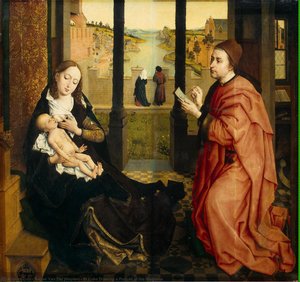
* st luke drawing a portrait of the madonna (Museo de Bellas Artes de Boston): Esta pintura muestra la maestría de Van der Weyden en el óleo sobre tabla, presentando una representación impresionante de San Lucas. * Lamento (Musée des Beaux-Arts de Tournai, Bélgica): Este pequeño pero poderoso cuadro demuestra la capacidad de Van der Weyden para transmitir intensidad emocional a través del claroscuro.museos y colecciones
* Musée des Beaux-Arts de Tournai, Bélgica: cuenta con una impresionante colección de obras de Van der Weyden, incluyendo el diptico de retrato de Jean de Gros. * Musées Royaux des Beaux-Arts (Bruselas, Bélgica): alberga una importante colección de pinturas flamencas tempranas, incluyendo obras de Van der Weyden y otros artistas notables.legado
La influencia de Van der Weyden en el Renacimiento del Norte es innegable. Se situó junto a Robert Campin y Jan van Eyck como uno de los tres grandes artistas flamencos tempranos, reconocido por su estilo e innovación técnica. A pesar de que su fama menguó en el siglo XVII, la obra de Van der Weyden fue redescubierta en el siglo XIX, y ahora se erige como una figura destacada en la historia de la pintura flamenco temprana.- ver más obras de rogier van der weyden en ArtsDot.com
- explorar la colección del Musée des Beaux-Arts de Tournai en descubriendo los tesoros del Musée des Beaux-Arts de Tournai, Bélgica
- aprender más sobre la pintura flamenca temprana en wikipedia
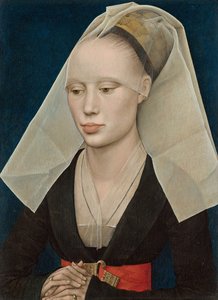
Rogier van der Weyden
1400 - 1464 , Bélgica
Datos clave
- Artistas Influenciados Por: Goswijn van der Weyden
- Artistas Que Influyeron: ['Robert Campin']
- Fecha De Muerte: 1464
- Fecha De Nacimiento: c. 1400
- Lugar De Nacimiento: Tournai, Bélgica
- Movimiento Artístico: Renacimiento Nórdico
- Nacionalidad: Belga
- Nombre Completo: Rogier van der Weyden
- Obras Notables:
- San Lucas dibujando a la Virgen
- La Lamentación
- Depósito
- Anunciación
- Retablo de los Siete Sacramentos
Artículos relacionados
Sacred Narratives Embodied: A Comprehensive Exploration of Religious Iconography in Art History
Explore the rich history of religious iconography in art! Discover symbolism, movements & masterpieces from Byzantine to Renaissance periods. Expert insights for collectors and enthusiasts at ArtsDot.

El Óleo sobre Lienzo: Historia, Técnica y la Persistencia de un Medio Artístico Atemporal
Descubre la historia y técnica del óleo sobre lienzo. Explora reproducciones fieles hechas a mano, personalización artística y consejos de expertos con ArtsDot. ¡Colecciona arte con confianza!

The Enduring Legacy of Oil on Canvas: Technique, History & Aesthetic Impact
Explore the rich history & techniques of oil painting – from Renaissance masters to Impressionism. Discover pigments, layering methods, and why this timeless medium endures. Expert insights for artists & art enthusiasts.

The Enduring Power of Painting: A Historical & Contemporary Exploration of Form and Emotion
Explore the rich history & enduring techniques of oil painting with ArtsDot. Discover masterpieces, learn about art collecting, and find authentic handmade reproductions crafted by skilled artists.

Los 10 Maestros del Primitivo Flamenco: Obras que Definen un Arte Inigualable | ArtsDot
Descubre los 10 imprescindibles del Primitivo Flamenco: Jan van Eyck, Robert Campin y más. Explora la historia, simbolismo y técnica de estas obras maestras renacentistas tempranas. Encuentra reproducciones de arte de museo en ArtsDot.com.