 Ver en contexto
 Enviar
 Compartir
 Detalles

 Descargar
 Similares
 Radiografía
 Presentación de diapositivas
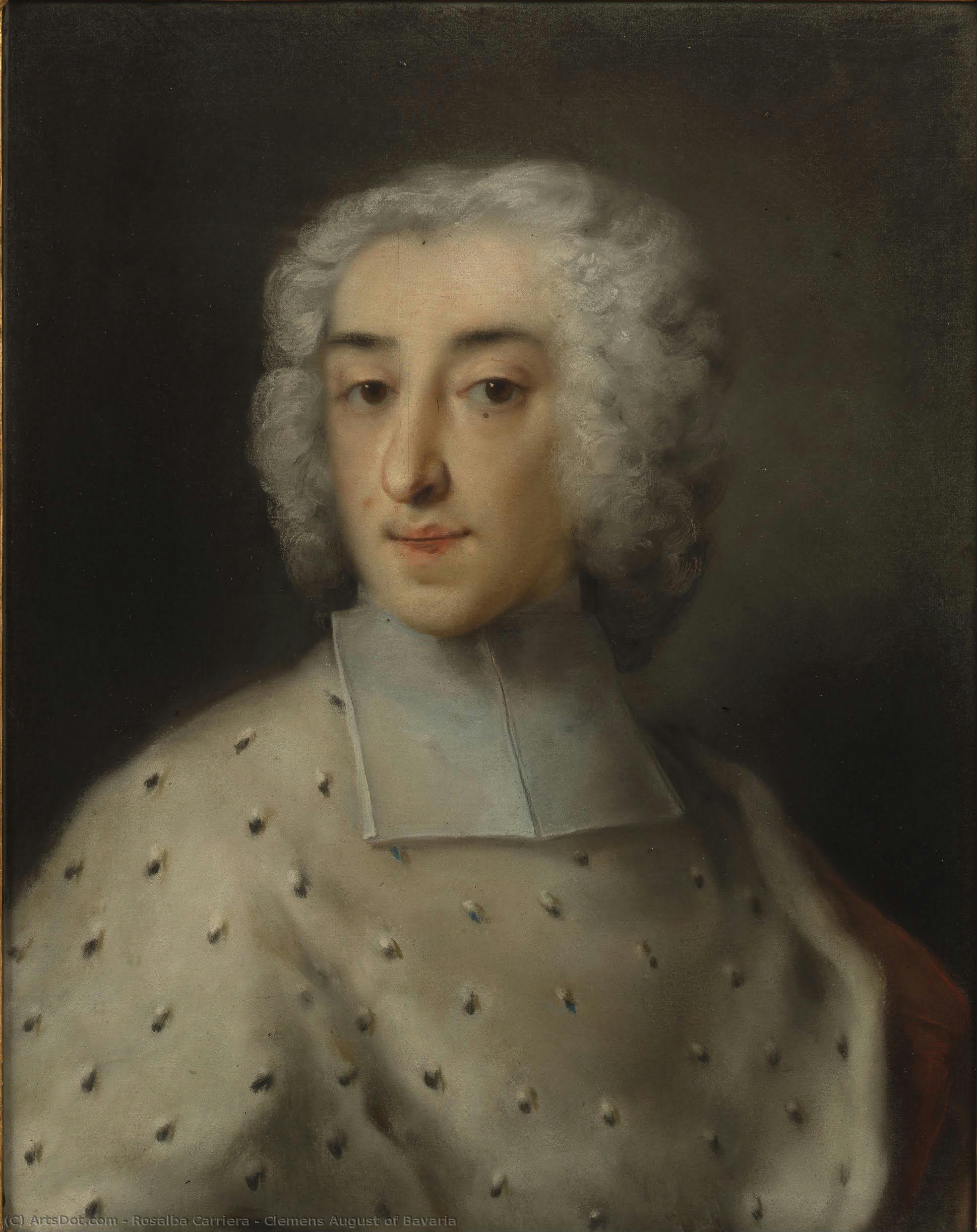
Clemens August of Bavaria
 Acrylic On Canvas
- WallArt
- Baroque Portraiture
 47.0 x 59.0 cm
 Palazzo Madama
 Ver más
Giclée / Impresión de arte
Impresiones giclée o en lienzo de calidad de museo con producción rápida y opciones de acabado flexibles. ( Comprar pintura hecha a mano Comprar imagen)




P118B $10

P118H $10

P118W $10

P438Z $10

P508JH $12

P508YH $12

P805H $10

P805Z $10

P919BZ $10

P919G $10

P919XJ $10

P959ZH $10

P968JZ $12

W106C $8

W218G $10

W218JH $8

W218Y $10

W307PJ $10

W316G $10

W316PJ $8

W316Y $10

W398PJ $8

W4111J $10

W500HY $15

W500JH $15

W692G $12

W849H $8

W940BG $15

W953PJ $8




Elija entre nuestros tamaños predefinidos que respetan las proporciones originales de la obra.

Puede introducir sus propias dimensiones para adaptarse a un marco o espacio específico. Si el tamaño seleccionado no coincide con las proporciones de la imagen original, recortaremos la obra de arte o extenderemos la imagen con un borde con efecto espejo o de color sólido. Se enviará una maqueta digital para su aprobación antes de que comience la producción.
Tenga en cuenta que la vista previa en pantalla no refleja el recorte o la extensión real. Solo la maqueta mostrará con precisión la composición final.
Aunque existen tamaños personalizados, recomendamos seleccionar una dimensión de la lista predefinida para preservar las proporciones originales.
Envío a todo el mundo () en 2 semanas en lugar de las 4/5 semanas estándar. (27 agosto)

Envío exprés gratuito a todo el mundo

Lienzo de lino de alta calidad

Seguro de envío total

Garantía de reembolso de impuestos aduaneros

Garantía de fidelidad cromática exacta

Política de devolución de 60 días (solo por defectos)

Garantía de devolución del 100% del dinero

Descuento por cantidad
 La opción de vidrio solo está disponible en tamaños inferiores a 110 cm.

Clemens August of Bavaria
Giclée / Impresión de arte
Dimensiones de la reproducción
-


Precio total final
$ 62
Descripción de la pieza
A Portrait Steeped in Venetian Elegance: Rosalba Carriera’s Clemens August of Bavaria
Rosalba Carriera stands as an undeniable beacon of artistic achievement during the Baroque era, specifically within the opulent landscape of eighteenth-century Venice. Her legacy transcends mere portraiture; she revolutionized miniature painting on ivory, establishing herself as a pioneer who dared to challenge conventions and forge her own path—a path paved with meticulous observation and unparalleled sensitivity to light and color. This captivating depiction of Clemens August of Bavaria exemplifies Carriera’s distinctive style and offers a profound glimpse into the artistic spirit of her time.The Artist's Vision: Technique and Innovation
Carriera’s mastery lay not only in capturing likeness but also in elevating it to an art form itself. Unlike many contemporaries who favored grand canvases, she skillfully employed pastel—a medium notoriously difficult to control—to achieve astonishing subtlety and luminosity. The delicate strokes of pastel allowed for nuanced tonal gradations that captured the ephemeral quality of light on skin and fabric with breathtaking accuracy. Furthermore, her use of ivory as a substrate was revolutionary; it provided an ideal surface for pastel pigments, maximizing their brilliance and enhancing the overall visual impact. This deliberate choice underscored Carriera’s commitment to pushing artistic boundaries and prioritizing aesthetic beauty above all else. The meticulous layering of pastel hues—often achieved through multiple applications—created depth and dimension, mirroring the complexities of human emotion and intellect.Historical Context: A Prince Among Artists
The portrait was commissioned in 1727 during Clemens August’s visit to Rome, marking a pivotal moment in his reign as Bishop of Viterbo. This appointment solidified his position within the Papal States and symbolized the intersection of religious piety and aristocratic ambition—a theme subtly conveyed through Carriera's artistic choices. The Habsburg prince was renowned for his patronage of the arts, fostering an environment where creativity flourished. Carriera’s work reflects this cultural climate, aligning herself with the intellectual currents of the Enlightenment while retaining the stylistic hallmarks of Baroque tradition. Her decision to portray Clemens August in a contemplative pose—absorbed in thought rather than overtly displaying grandeur—suggests a deeper understanding of human psychology and elevates the portrait beyond mere visual representation.Symbolism Within Light and Color
Carriera’s masterful manipulation of color is laden with symbolic significance. The dominant white hues – particularly those adorning Clemens August's wig and face – represent purity, dignity, and spiritual enlightenment—values highly esteemed during the Baroque period. However, Carriera deftly juxtaposes these serene tones with warmer shades of red and gold, symbolizing royal authority and ambition. The ermine fur draped around Clemens August’s shoulders serves as a visual emblem of nobility and virtue, reinforcing the prince's status within Venetian society. Equally important is the gaze of the Prince; his penetrating eyes draw the viewer into the portrait, capturing not just physical appearance but also inner character—a testament to Carriera’s ability to convey emotion through subtle gestures and expressions.Emotional Resonance: Capturing Essence
Ultimately, Rosalba Carriera's Clemens August of Bavaria transcends mere likeness, achieving a remarkable feat of artistic empathy. Despite minor imperfections – the slight wart on his cheek and the disproportionate size of his nose – Carriera skillfully renders Clemens August with an unwavering focus on capturing his essence. The artist’s gaze is not merely observing; it engages in a dialogue with the viewer, inviting contemplation and fostering a connection between subject and observer. This portrait speaks to the enduring power of art to illuminate human experience—to reveal both beauty and vulnerability—and remains a stunning example of Carriera's unparalleled talent for conveying emotion through visual form. It’s a piece that continues to captivate audiences today with its luminous palette, meticulous technique, and profound psychological insight.Obras relacionadas


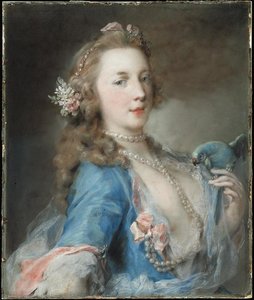

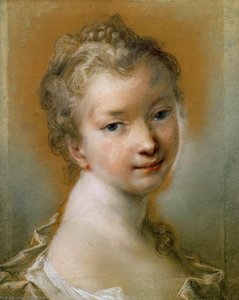
Biografía del artista
Rosalba Carriera: Retratista Veneciana del Rococó
- Nacida: Venecia, Italia (1675)
- Fallecida: 1757
Rosalba Carriera fue una destacada pintora veneciana del Rococó celebrada por su maestría en el retrato al pastel y las miniaturas. Se erige como una de las artistas mujeres más exitosas en la historia del arte, pionera en el uso de los pasteles para retratos formales y logrando reconocimiento internacional durante el siglo XVIII.
Primeros Años e Inicios Artísticos
Nacida en una familia de clase baja-media en Venecia, el viaje artístico de Rosalba Carriera comenzó inesperadamente. Su madre se dedicaba a la elaboración de encajes y la joven Rosalba inicialmente asistió creando intrincados patrones de encaje. A medida que la industria del encaje declinó, la familia buscó medios alternativos de sustento. La ingeniosidad de Carriera la llevó a pintar miniaturas en tapas de estuches para rapé, una aplicación novedosa que rápidamente ganó popularidad. Innovadoramente, utilizó marfil en lugar de vellum tradicional para estas miniaturas, estableciéndose como una miniaturista hábil.
Desarrollo y Dominio del Retrato al Pastel
Basándose en su experiencia en la pintura de miniaturas, Carriera se trasladó al retrato, destacando notablemente por el uso exclusivo de los lápices pastel. Este medio demostró ser excepcionalmente adecuado para el énfasis del estilo Rococó en los bordes suaves y las superficies halagadoras. Sus retratos capturaron los rasgos de figuras prominentes, incluyendo Maximiliano II de Baviera, Federico IV de Dinamarca y Augusto el Fuerte de Sajonia, quien acumuló una colección significativa de sus pasteles.
- Primeras Obras: Retratos de Maximiliano II de Baviera, Federico IV de Dinamarca, "La Artista y su Hermana Naneta" (Uffizi), y Augusto el Fuerte.
- Reconocimiento: Fue nombrada 'Accademico di merito' por la Accademia di San Luca en Roma en 1704, un prestigioso honor reservado para pintores no romanos.
Éxito Internacional y Triunfo Parisino
En 1721, la reputación de Carriera se había extendido por toda Europa, lo que llevó a una estancia prolongada en París donde sus retratos fueron muy solicitados. Como invitada de la coleccionista de arte Pierre Crozat, pintó a numerosos miembros de la corte francesa, incluyendo al rey Luis XV y Watteau. Su talento fue tan reconocido que fue elegida miembro de la Académie Royale de Peinture et de Sculpture por unanimidad – un logro sin precedentes para una artista extranjera.
- Influencia Parisina: Contribuyó a dar forma a los gustos aristocráticos en Francia, moviendo el arte más allá del patrocinio puramente real.
- Apoyo Familiar: Sus hermanas, Giovanna y Angela, la ayudaron con el gran volumen de encargos que recibió durante este período.
Últimos Años, Legado y Significado Histórico
Tras su regreso a Venecia, Carriera continuó viajando extensamente, visitando Módena, Parma y Viena, donde fue recibida calurosamente por la realeza europea. Se convirtió en benefactora del Emperador Holandés Carlos VI quien acumuló más de 150 de sus pasteles. Más tarde en la vida, enfrentó tragedias personales incluyendo la muerte de su hermana Giovanna y una pérdida gradual de la visión debido a cataratas. A pesar de estos desafíos, la influencia de Carriera sobre las generaciones posteriores de artistas mujeres – como Adélaïde Labille-Guiard y Elisabeth Vigée Le Brun – sigue siendo significativa.
- Patronazgo: Recibió un apoyo sustancial del Emperador Holandés Carlos VI en Viena.
- Influencia: Inspiró a artistas femeninas posteriores, contribuyendo al avance de las mujeres en el mundo del arte.
- Significado Histórico: El éxito de Carriera desafió las normas sociales y demostró las capacidades artísticas de las mujeres durante el período Rococó. Es recordada como una pionera que popularizó los pasteles y logró un reconocimiento internacional notable por su retrato.
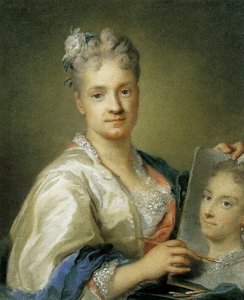
Rosalba Carriera
1675 - 1757 , Italia
Datos clave
- Artistas Influenciados:
- Adélaïde Labille-Guiard
- Élisabeth Vigée Le Brun
- Artistas Que Influyeron: ['Jean Steve']
- Fecha De Fallecimiento: 15 de abril de 1757
- Fecha De Nacimiento: 7 de octubre de 1675
- Lugar De Nacimiento: Venecia, Italia
- Movimiento Artístico: Rococó
- Nacionalidad: Italiana
- Nombre Completo: Rosalba Carriera
- Obras Notables:
- Artista y su hermana Naneta
- Maximiliano II de Baviera
- Federico IV de Dinamarca
- Augusto el Fuerte de Sajonia
Artículos relacionados
The Grandeur of Baroque Portraiture: Power, Emotion & Artistic Innovation
Explore the grandeur of Baroque portraiture! Discover Rubens, Van Dyck & the masters of 17th-century art. Uncover symbolism, techniques & lasting influence. Expert insights for collectors and enthusiasts.

Barroco Sublime: 10 Obras Maestras que Definieron una Época |
Descubre las 10 obras maestras del Barroco que marcaron una época. Caravaggio, Bernini y Velázquez cobran vida en . Reproducciones de arte de calidad museo para decorar tu hogar con elegancia. ¡Explora la colección online!

The Dramatic Flourish: Exploring the Baroque Movement's Enduring Legacy in Art History
Explore the dramatic world of Baroque art! Discover iconic artists like Caravaggio & Rubens, defining techniques, and its lasting impact on art history. Expert insights for collectors & enthusiasts at ArtsDot.

Drama Barroca: Llevando la Grandeza y la Emoción a los Interiores Contemporáneos
Descubre cómo el drama y la grandeza del arte barroco pueden transformar tus interiores. Guía experta, inspiración y reproducciones de alta calidad en .

Jacopo Tintoretto: Las 25 Obras Maestras del Genio Veneciano | Arte y Decoración en ArtsDot
Descubre las 25 obras maestras de Jacopo Tintoretto, el genio veneciano del Renacimiento. Explora su arte dramático, composiciones innovadoras y paleta vibrante. Reproducciones de alta calidad en ArtsDot.com para transformar tu hogar.