 Ver en contexto
 Enviar
 Compartir
 Detalles

 Descargar
 Similares
 Radiografía
 Presentación de diapositivas
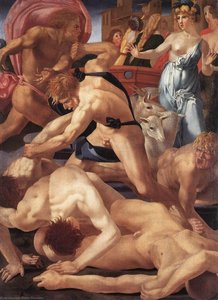
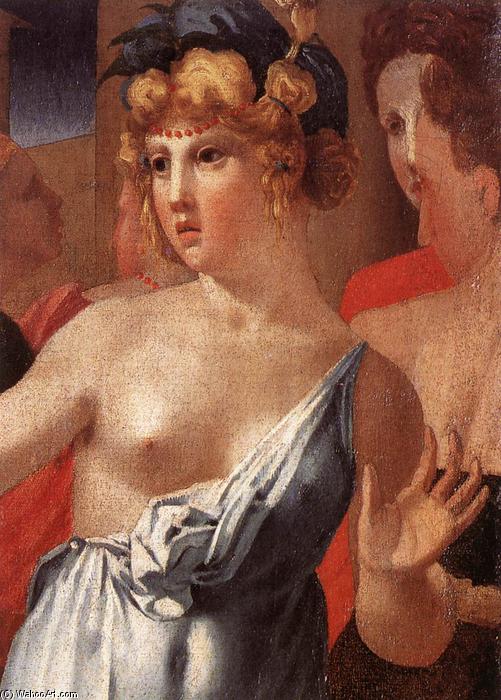
Moses Defending the Daughters of Jethro (detail)


 Ver más
Reproducción al óleo hecha a mano
Óleo sobre lienzo pintado a mano en el tamaño y marco de su elección, realizado por encargo por nuestros artistas. ( Comprar impresión Comprar imagen)




P118B $10

P118H $10

P118W $10

P438Z $10

P508JH $12

P508YH $12

P805H $10

P805Z $10

P919BZ $10

P919G $10

P919XJ $10

P959ZH $10

P968JZ $12

W106C $8

W218G $10

W218JH $8

W218Y $10

W307PJ $10

W316G $10

W316PJ $8

W316Y $10

W398PJ $8

W4111J $10

W500HY $15

W500JH $15

W692G $12

W849H $8

W940BG $15

W953PJ $8




Elija entre nuestros tamaños predefinidos que respetan las proporciones originales de la obra.

Puede ingresar sus propias dimensiones para adaptarse a un marco o espacio específico. Si el tamaño seleccionado no coincide con las proporciones de la imagen original, recortaremos la obra o extenderemos la pintura con elementos adicionales pintados a mano. Se le enviará una maqueta digital para su aprobación antes de comenzar la producción.
Tenga en cuenta que la vista previa en pantalla no refleja el recorte o la extensión reales. Solo la maqueta mostrará con precisión la composición final.
Si bien existen tamaños personalizados, recomendamos seleccionar una dimensión de la lista predefinida para preservar las proporciones originales.
Tras realizar el pedido, el equipo de ArtsDot.com enviará un correo electrónico al cliente para solicitar instrucciones y proporcionarle una vista previa del boceto.
Envío a todo el mundo () en 3-4 semanas en lugar de las 5 semanas estándar. (27 agosto). Sin comprometer la calidad.

Envío exprés gratuito a todo el mundo

Lienzo de lino de alta calidad

Seguro de envío total

Garantía de reembolso de impuestos aduaneros

Garantía de fidelidad cromática exacta

Política de devolución de 60 días (solo por defectos)

Garantía de devolución del 100% del dinero

Descuento por cantidad
 La opción de vidrio solo está disponible en tamaños inferiores a 110 cm.

Moses Defending the Daughters of Jethro (detail)
Técnica de reproducción
Dimensiones de la reproducción
-


Precio total final
$ 263
A Dramatic Encounter Between Heroism and Vulnerability
In the heart of the Florentine Renaissance, where the serene balance of High Renaissance ideals began to fracture into something more turbulent and expressive, lies a masterpiece of profound emotional intensity. Rosso Fiorentino’s “Moses Defending the Daughters of Jethro” is not merely a depiction of a biblical encounter; it is a visceral exploration of tension, movement, and the human spirit. This particular detail captures a moment frozen in time, where the heroic strength of Moses meets the quiet, watchful presence of one of Jethro's daughters. The scene vibrates with an energy that transcends its 1523 origins, offering a window into a period of artistic revolution known as Mannerism.
The composition is a masterclass in the manipulation of light and shadow to evoke drama. As we gaze upon the central figures, the eye is immediately drawn to the striking contrast between the deep, saturated blues of Moses's garment and the luminous, ethereal whites of the daughter's attire. This interplay of color does more than provide visual interest; it establishes a psychological landscape. The way the light catches the folds of the fabric and the subtle contours of the faces creates a sense of three-dimensionality that feels almost sculptural, pulling the viewer into the very heat of the confrontation.
The Emergence of Mannerist Innovation
To understand this work, one must understand the "Red Florentine" himself. Trained in the prestigious workshop of Andrea del Sarto, Rosso Fiorentino was a pioneer who sought to move beyond the predictable harmony of his predecessors. In this painting, we see the early hallmarks of Mannerism—a style characterized by elongated forms, unexpected color palettes, and a deliberate departure from classical equilibrium. The way Moses is depicted in profile, with a serious, focused gaze and a raised staff, suggests a sudden, decisive action that disrupts the stillness of the background.
The technique employed here is nothing short of breathtaking. The artist utilizes rich, vibrant pigments that retain their brilliance centuries later, creating a palette that feels both ancient and strikingly modern. There is an intentionality in the way the figures are positioned; they do not sit comfortably within a naturalistic space but rather inhabit a world of heightened artifice and emotional weight. For the discerning collector or interior designer, this piece offers a sophisticated focal point—a work that commands attention through its complexity and refuses to be ignored by the casual observer.
A Timeless Presence for the Modern Collector
Beyond its historical significance, “Moses Defending the Daughters of Jethro” possesses an enduring emotional resonance. It speaks to the universal themes of protection, courage, and the meeting of disparate worlds. The daughter's expression—calm, attentive, yet perhaps slightly wary—provides a poignant counterpoint to Moses's assertive stance. This duality makes the artwork incredibly versatile for high-end decor; it can serve as a profound conversation piece in a formal study or add a layer of historical depth and intellectual rigor to a contemporary living space.
Owning a high-quality reproduction of this detail allows one to bring the spirit of the Uffizi Gallery into a private collection. It is an invitation to contemplate the transition from the stability of the Renaissance to the expressive unrest of the modern era. Whether you are drawn to the technical brilliance of the brushwork, the dramatic narrative of the subject matter, or the bold, emotive color palette, this work stands as a testament to the enduring power of Italian masterworks to inspire awe and reflection in the modern age.
Obras relacionadas
Biografía del artista
Rosso Fiorentino: Una Biografía
- Nombre: Rosso Fiorentino (Giovanni Battista di Jacopo)
- Nacido: 8 de marzo de 1495, Florencia, Italia
- Fallecido: 14 de noviembre de 1540, Fontainebleau, Francia
Primeros Años y Formación
- Rosso Fiorentino, cuyo nombre se traduce como "Rojo Florentino" debido a su distintivo cabello rojizo, comenzó su viaje artístico en Florencia.
- Recibió su formación inicial dentro del estimado taller de Andrea del Sarto, una figura destacada en la pintura del Renacimiento florentino.
- Este período lo colocó junto a otro artista prominente de la época, Pontormo, fomentando un entorno compartido de exploración y desarrollo artístico.
- La influencia de la escuela florentina de pintura durante estos años formativos moldeó significativamente su estilo futuro.
Estilo Artístico e Influencias
- El trabajo de Rosso Fiorentino se caracteriza por su intensidad dramática, el uso audaz del color y la expresión emocional impactante.
- Con frecuencia incorporaba autorretratos en sus composiciones, a menudo representándose a sí mismo como una figura clave dentro de la narrativa.
- El artista estuvo fuertemente influenciado por las obras de Miguel Ángel y Rafael, evidente particularmente en su dominio del claroscuro – la técnica de usar fuertes contrastes entre luz y oscuridad para crear profundidad y volumen.
- Su estilo se considera parte del movimiento manierista, que surgió en el siglo XVI como una reacción contra la Énfasis del Alto Renacimiento en el equilibrio y la armonía. El manierismo favorecía las formas alargadas, las perspectivas distorsionadas y la emocionalidad intensificada.
Obras Notables y Logros
- La Deposición: Considerada una de las obras maestras de Rosso Fiorentino, esta pintura ejemplifica su estilo único a través de su iluminación dramática y su representación cargada de emoción de la escena.
- Elefante, Château de Fontainebleau: Este trabajo muestra su capacidad para capturar la esencia de sus sujetos con un detalle y realismo notables. También destaca su posterior carrera trabajando en Francia.
- Moisés y las Hijas de Jetro: Demuestra una composición compleja y profundidad emocional característica de su estilo maduro.
- Sus contribuciones a la decoración del Château de Fontainebleau fueron significativas, aunque trágicamente interrumpidas por su muerte prematura.
Legado y Significado Histórico
- La influencia de Rosso Fiorentino se extendió más allá de su vida, impactando a generaciones posteriores de artistas.
- Francesco Primaticcio, que lo sucedió como el artista líder en el Château de Fontainebleau, fue notablemente influenciado por el estilo de Rosso.
- Su trabajo jugó un papel crucial en el desarrollo y la popularización del manierismo, contribuyendo a su énfasis en la expresión dramática y la innovación artística.
- Las pinturas de Rosso Fiorentino se pueden encontrar en varios museos y colecciones de todo el mundo, incluyendo la Galleria Nazionale d'Arte Moderna e Contemporanea en Roma.
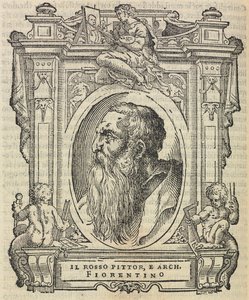
Rosso Fiorentino
1495 - 1540 , Italia
Datos clave
- Artistas Influenciados: ['Francesco Primaticcio']
- Artistas Influyentes:
- Miguel Ángel
- Rafael
- Andrea del Sarto
- Fecha De Fallecimiento: 14 de noviembre de 1540
- Fecha De Nacimiento: 8 de marzo de 1495
- Lugar De Nacimiento: Florencia, Italia
- Movimiento Artístico: Manierismo
- Nacionalidad: Italiana
- Nombre Completo: Rosso Fiorentino (Giovanni Battista)
- Obras Notables:
- La Deposición
- Elefante, Fontainebleau
- Moisés y las hijas de Jetro
- Piedad
- Ignudo
Artículos relacionados

Giclée Prints: Archival Quality & Aesthetic Nuances for the Discerning Collector
Explore the world of giclée prints with ArtsDot. Learn about archival quality, aesthetic nuances & investment potential. Expert guidance for discerning art collectors seeking museum-quality reproductions and lasting value.

The Enduring Legacy of Fine Art Prints: Technique, History & Aesthetic Impact
Explore the rich history & techniques of fine art prints. Discover investment potential, assess authenticity, and learn how to preserve your collection with expert guidance. Trusted insights for discerning collectors.

Echoes of Time: Exploring the Enduring Appeal & Historical Context of Vintage Art Prints
Explore the captivating world of vintage art prints! Discover their history, collecting tips & enduring appeal. Expert insights on chromolithography and building a legacy collection with ArtsDot.
The Enduring Legacy of Printmaking: Techniques, Themes & Artistic Innovation Across Centuries
Explore the rich history of printmaking with ArtsDot. Discover techniques from intaglio to lithography, learn about collecting valuable prints & find museum-quality reproductions. Expert insights for art enthusiasts and collectors.
The Enduring Legacy of Woodblock Printmaking: Technique, History & Artistic Expression
Explore the rich history of woodblock printmaking – from ancient techniques to Ukiyo-e masterpieces. Discover expert insights on collecting, preserving & appreciating this enduring art form.