 Ver en contexto
 Enviar
 Compartir
 Detalles

 Descargar
 Similares
 Radiografía
 Presentación de diapositivas
 Estadísticas
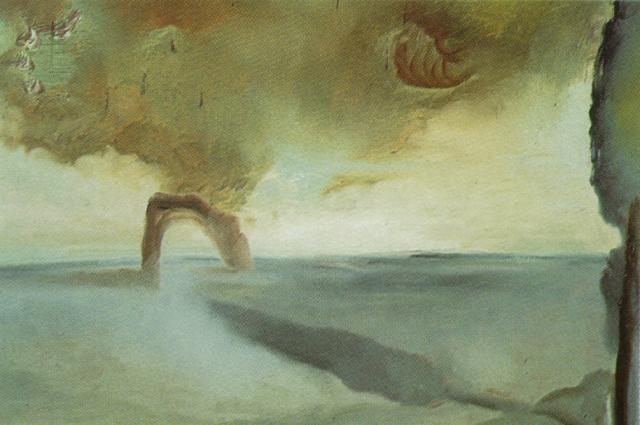
Landscape with Rock in the Shape of a Triumphal Arch


 Ver más
Giclée / Impresión de arte
Impresiones giclée o en lienzo de calidad de museo con producción rápida y opciones de acabado flexibles. ( Comprar pintura hecha a mano Cambiar a imagen digital)




P118B $10

P118H $10

P118W $10

P438Z $10

P508JH $12

P508YH $12

P805H $10

P805Z $10

P919BZ $10

P919G $10

P919XJ $10

P959ZH $10

P968JZ $12

W106C $8

W218G $10

W218JH $8

W218Y $10

W307PJ $10

W316G $10

W316PJ $8

W316Y $10

W398PJ $8

W4111J $10

W500HY $15

W500JH $15

W692G $12

W849H $8

W940BG $15

W953PJ $8




Elija entre nuestros tamaños predefinidos que respetan las proporciones originales de la obra.

Puede introducir sus propias dimensiones para adaptarse a un marco o espacio específico. Si el tamaño seleccionado no coincide con las proporciones de la imagen original, recortaremos la obra de arte o extenderemos la imagen con un borde con efecto espejo o de color sólido. Se enviará una maqueta digital para su aprobación antes de que comience la producción.
Tenga en cuenta que la vista previa en pantalla no refleja el recorte o la extensión real. Solo la maqueta mostrará con precisión la composición final.
Aunque existen tamaños personalizados, recomendamos seleccionar una dimensión de la lista predefinida para preservar las proporciones originales.
Envío a todo el mundo () en 2 semanas en lugar de las 4/5 semanas estándar. (10 septiembre)

Envío exprés gratuito a todo el mundo

Lienzo de lino de alta calidad

Seguro de envío total

Garantía de reembolso de impuestos aduaneros

Garantía de fidelidad cromática exacta

Política de devolución de 100 días (solo por defectos)

Garantía de devolución del 100% del dinero

Descuento por cantidad
 La opción de vidrio solo está disponible en tamaños inferiores a 110 cm.

Landscape with Rock in the Shape of a Triumphal Arch
Giclée / Impresión de arte
Dimensiones de la reproducción
-


Precio total final
$ 62
Salvador Dalí’s Dreamscape: “Landscape with Rock in the Shape of a Triumphal Arch”
The year is 1981, and within the surrealist world of Salvador Dalí, a landscape emerges from the canvas – not one of recognizable reality, but a meticulously crafted dream. "Landscape with Rock in the Shape of a Triumphal Arch" isn’t merely a depiction of scenery; it's an immersion into the subconscious, a visual echo of the artist’s deeply personal and often unsettling explorations of memory, desire, and the fractured nature of time. This particular work, painted during a period of intense introspection and experimentation, exemplifies Dalí’s signature style – a potent blend of meticulous realism and utterly illogical imagery.
The scene unfolds within a muted palette dominated by earthy browns, ochres, and hazy blues. A vast expanse of water stretches towards the horizon, its surface shimmering with an almost unsettling stillness. Rising from this aqueous realm is a monumental structure: an archway sculpted not from stone or metal, but seemingly formed from dissolving rock itself. This isn’t a traditional triumphal arch celebrating victory; rather, it resembles a distorted doorway, melting and yielding as if the very fabric of reality is being questioned. The composition is deliberately asymmetrical, drawing the eye to the left-leaning arch while a dark, undefined form occupies the right, creating a sense of imbalance and unease – mirroring the instability inherent in dreams.
Decoding Symbolism: A Portal into the Psyche
Dalí’s work is famously laden with symbolism, often drawing from his own personal mythology and Freudian psychology. The arch itself can be interpreted as a gateway—a portal to another realm, perhaps representing the subconscious mind or the transition between states of consciousness. The melting rock suggests fluidity, decay, and the ephemeral nature of memory. The water, frequently appearing in Dalí’s oeuvre, symbolizes both life and death, clarity and confusion. It's not surprising that this piece resonates with themes of transformation and the blurring of boundaries.
Furthermore, the inclusion of a rock shaped like an archway is particularly intriguing. Archways are often associated with entryways and beginnings, but here, they’re rendered unstable and dissolving. This could represent the fragility of our perceptions, the way memories distort over time, or even Dalí's own struggle to reconcile his artistic ambitions with the constraints of reality. The overall effect is profoundly unsettling, prompting viewers to question the nature of their own experiences and interpretations.
The Technique: Impasto and a Dreamlike Quality
Technically, “Landscape with Rock in the Shape of a Triumphal Arch” showcases Dalí’s mastery of oil painting. The artist employs a thick impasto technique, building up layers of paint to create a tactile surface that seems almost sculptural. This adds depth and volume to the landscape, lending it a tangible presence despite its surreal qualities. The brushstrokes are visible and deliberate, contributing to the overall sense of movement and instability within the scene.
Dalí’s meticulous attention to detail is evident in the rendering of the water's surface – each ripple and reflection carefully painted. However, this realism is juxtaposed with the illogical perspective and distorted forms, creating a captivating tension between observation and imagination. The diffused lighting further enhances the dreamlike atmosphere, eliminating harsh shadows and contributing to the painting’s overall sense of mystery.
A Legacy of Surrealism: Dalí's Enduring Influence
Painted in 1981, towards the end of his illustrious career, this work stands as a testament to Dalí’s enduring legacy as one of the most influential artists of the 20th century. His exploration of the subconscious and his innovative use of symbolism continue to resonate with audiences today. “Landscape with Rock in the Shape of a Triumphal Arch” is not simply a beautiful painting; it's an invitation to delve into the depths of the human psyche, a reminder that reality itself can be shaped by our perceptions and dreams.
Reproductions of this iconic piece offer a remarkable opportunity to bring Dalí’s surreal vision into your home or office. Whether you are an art collector, interior designer seeking a unique statement piece, or simply someone captivated by the beauty and mystery of the subconscious, this painting promises to be a source of endless fascination.
Obras relacionadas



Biografía del artista
Salvador Dalí: Una Vida en el Surrealismo
Salvador Domingo Felipe Jacinto Dalí i Domènech, Marqués de Dalí de Púbol, conocido globalmente como Salvador Dalí, fue un pintor surrealista español nacido el 11 de mayo de 1904 en Figueres, España. Falleció el 23 de enero de 1989, dejando un legado que continúa cautivando y desafiando a audiencias de todo el mundo.
Vida Temprana y Educación
La vida temprana de Dalí estuvo marcada por una compleja relación con su padre, lo que influyó profundamente en sus temas artísticos y su personalidad. Demostró talento artístico desde joven, recibiendo formación formal en la Academia de Bellas Artes de San Fernando en Madrid. Un momento crucial ocurrió a los 16 años cuando descubrió la pintura moderna, provocando un intenso interés que condujo a su primera exposición pública en 1919.
Desarrollo Artístico e Influencias
El viaje artístico de Dalí fue una evolución dinámica moldeada por varias influencias clave:
- Cubismo: Proporcionó una base para la desconstrucción de formas y perspectivas.
- Dadaísmo: Le introdujo a los principios del arte anti-arte y el desafío a la estética convencional.
- Pablo Picasso: Una figura reverenciada a quien Dalí conoció en París, impactando profundamente su dirección artística.
Su visita de 1926 a París resultó crucial, sumergiéndolo en el floreciente movimiento Surrealista y conectándolo con artistas destacados de la época. Rápidamente se convirtió en una figura central dentro del grupo.
El Auge del Surrealismo y el Estilo Único de Dalí
La contribución de Dalí al Surrealismo no fue solo participación, sino una redefinición radical de sus posibilidades. Desarrolló su método “paranoico-crítico”, que involucraba estados paranoicos autoinducidos para desbloquear imágenes subconscientes y traducirlas en arte. Este enfoque le permitió crear paisajes bizarros e oníricos poblados por relojes derritiéndose, figuras distorsionadas y objetos simbólicos – señuelos de su estilo instantáneamente reconocible.
La Persistencia de la Memoria (1931) es probablemente la obra más famosa de Dalí, encapsulando la exploración surrealista del tiempo, la memoria y el deterioro a través de su icónica imagen.
Obras Maestras y Temas Artísticos
La prolífica carrera de Dalí produjo un vasto cuerpo de trabajo que abarca pintura, escultura, cine (colaboraciones con Alfred Hitchcock y Walt Disney) y diseño. Algunas obras notables incluyen:
- Tumba de Julia – Una exploración profunda de la pérdida y la memoria.
- Mannequin (Maniquí de Barcelona) - Reflejando su fascinación por la artificialidad y la identidad.
- Paisaje con Hormigas – Una representación perturbadora del deterioro y la mortalidad.
- Estudio para 'La Anunciación' – Explorando temas de sexualidad y percepción.
- El Ángelo de Gala - Demostrando una técnica meticulosa y un lenguaje simbólico.
Temas recurrentes en el arte de Dalí incluyen: tiempo, memoria, deterioro, sexualidad, religión, ciencia y la mente subconsciente. Sus obras a menudo presentan hormigas, huevos, andamios, cajones y objetos fundidos – todos imbuidos de significado personal y simbólico.
Años Posteriores y Legado
Dalí continuó creando y exhibiendo su obra durante toda su vida, aunque sus años posteriores estuvieron marcados por una creciente eccentricidad y negocios comerciales. Se casó con Gala Éluard en 1934, una relación que influyó profundamente en su arte y proporcionó un apoyo inquebrantable. Gala sirvió como su musa y gerente de negocios.
Dalí falleció en 1989 a la edad de 84 años. Su legado es inmenso. Sigue siendo uno de los artistas más reconocibles e influyentes del siglo XX, influenciando la moda, el cine, la publicidad y la cultura popular. El Museo Salvador Dalí en St. Petersburg, Florida, alberga una extensa colección, testimonio de su atractivo perdurable.
Significado Histórico
Salvador Dalí trascendió los límites del arte, convirtiéndose en un icono cultural. Su exploración del subconsciente, combinada con su dominio técnico y su personalidad extravagante, aseguró su lugar como un verdadero visionario y maestro del Surrealismo. Continúa inspirando a artistas y cautivando a audiencias de todo el mundo.

Salvador Dalí
1904 - 1989 , España
Datos clave
- Estilo Artístico: Surrealismo
- Fecha De Muerte: 1989
- Fecha De Nacimiento: 1904-05-11
- Influencias Artísticas:
- Cubismo
- Dadaísmo
- Pablo Picasso
- Lugar De Nacimiento: Figueres, España
- Nacionalidad: Española
- Nombre Completo: Salvador Domingo Felipe Jacinto Dalí i Domènech
- Obras Notables:
- La persistencia de la memoria
- Juliet's Tomb
- Mannequin (Barcelona Mannequin)
- Paisaje con hormigas
- El Ángelus de Gala
Artículos relacionados

Surrealismo: 10 Obras Maestras que Transformaron el Arte y la Decoración
Descubre las 10 obras maestras del Surrealismo con Dalí, Magritte y Miró. Explora la historia, el simbolismo y la técnica de estos íconos del arte moderno. Encuentra reproducciones de alta calidad para tu hogar en .

Los 10 Maestros del Surrealismo: Obras que Desafían la Realidad | ArtsDot
Descubre los 10 cuadros surrealistas más influyentes de artistas como Dalí y Magritte. Explora la historia, el simbolismo y las técnicas del movimiento surrealista. Encuentra reproducciones de arte de museo en ArtsDot.com.

Salvador Dalí: Surrealism, Subconscious Exploration & Artistic Innovation
Explore the captivating world of Salvador Dalí! Discover his surrealist masterpieces, profound connection to Freud's theories, and lasting impact on art & culture. A deep dive into a visionary artist.
Decoding Dalí: The Secrets of the Paranoiac-Critical Method and Surrealist Symbols
Unlock the mysteries of Salvador Dalí. Explore the profound secrets behind his Paranoiac-Critical Method and decode the surrealist symbols that define his legendary dreamscapes in this expert art history guide.

Salvador Dalí: Las 25 Obras Maestras del Genio Surrealista | ArtsDot
Descubre las 25 obras maestras de Salvador Dalí, el genio del surrealismo. Explora su arte onírico, técnicas innovadoras y simbolismo único. Reproducciones de alta calidad para decorar tu hogar con estilo en ArtsDot.com.