 Ver en contexto
 Enviar
 Compartir
 Detalles

 Descargar
 Similares
 Radiografía
 Presentación de diapositivas
Night in the Hotel (Abstract in Black and White)


 Ver más
Reproducción al óleo hecha a mano
Óleo sobre lienzo pintado a mano en el tamaño y marco de su elección, realizado por encargo por nuestros artistas. ( Comprar impresión Comprar imagen)




P118B $10

P118H $10

P118W $10

P438Z $10

P508JH $12

P508YH $12

P805H $10

P805Z $10

P919BZ $10

P919G $10

P919XJ $10

P959ZH $10

P968JZ $12

W106C $8

W218G $10

W218JH $8

W218Y $10

W307PJ $10

W316G $10

W316PJ $8

W316Y $10

W398PJ $8

W4111J $10

W500HY $15

W500JH $15

W692G $12

W849H $8

W940BG $15

W953PJ $8




Elija entre nuestros tamaños predefinidos que respetan las proporciones originales de la obra.

Puede ingresar sus propias dimensiones para adaptarse a un marco o espacio específico. Si el tamaño seleccionado no coincide con las proporciones de la imagen original, recortaremos la obra o extenderemos la pintura con elementos adicionales pintados a mano. Se le enviará una maqueta digital para su aprobación antes de comenzar la producción.
Tenga en cuenta que la vista previa en pantalla no refleja el recorte o la extensión reales. Solo la maqueta mostrará con precisión la composición final.
Si bien existen tamaños personalizados, recomendamos seleccionar una dimensión de la lista predefinida para preservar las proporciones originales.
Tras realizar el pedido, el equipo de ArtsDot.com enviará un correo electrónico al cliente para solicitar instrucciones y proporcionarle una vista previa del boceto.
Envío a todo el mundo () en 3-4 semanas en lugar de las 5 semanas estándar. (29 agosto). Sin comprometer la calidad.

Envío exprés gratuito a todo el mundo

Lienzo de lino de alta calidad

Seguro de envío total

Garantía de reembolso de impuestos aduaneros

Garantía de fidelidad cromática exacta

Política de devolución de 60 días (solo por defectos)

Garantía de devolución del 100% del dinero

Descuento por cantidad
 La opción de vidrio solo está disponible en tamaños inferiores a 110 cm.

Night in the Hotel (Abstract in Black and White)
Técnica de reproducción
Dimensiones de la reproducción
-


Precio total final
$ 263
Night in the Hotel: A Surrealist Dreamscape by Salvador Dalí
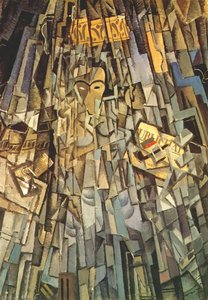
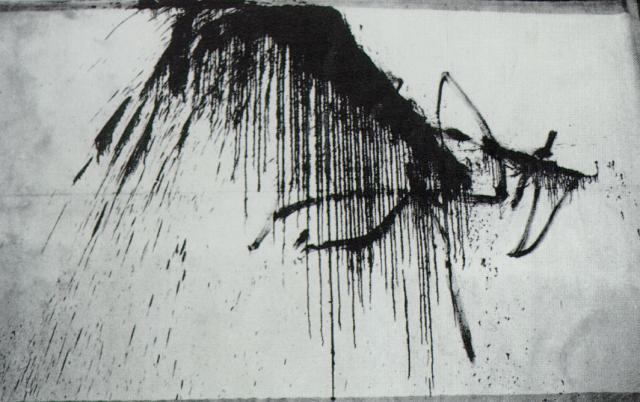
Salvador Dalí’s “Night in the Hotel,” painted in 1965, isn't merely a depiction of a scene; it’s an immersion into the artist’s meticulously constructed subconscious. This arresting monochrome work, housed within the walls of the Salvador Dalí Museum in St. Petersburg, Florida, transcends simple representation and plunges the viewer directly into the heart of surrealist thought. The painting immediately commands attention with its dynamic composition – a swirling vortex of black forms punctuated by sharp, angular lines that seem to defy gravity. It’s a visual echo of the anxieties and desires simmering beneath the surface of the human psyche, rendered in Dalí's signature precise yet unsettling style.
The central figure, a towering, elongated black shape reminiscent of a melting clock – a motif deeply rooted in Dalí’s exploration of time and memory – dominates the upper left quadrant. This isn’t a passive observer; it actively drips downwards, creating a sense of instability and dissolution. Beneath this monumental form lies a fragmented landscape: a chair, rendered with unsettling detail, sits slumped at the bottom left corner, suggesting both rest and decay. A vase, positioned on the right side, offers a small point of stability amidst the chaos, yet even it seems to be subtly distorted, hinting at the fragility of order within this dreamscape.
The Language of Surrealism
Dalí’s approach to painting during this period reflects his ongoing engagement with surrealist principles. He moved beyond the automatic drawing techniques favored by some early surrealists, opting instead for a more controlled and deliberate process. However, he retained the core tenets of the movement: an exploration of the irrational, the illogical, and the dreamlike. “Night in the Hotel” is not about literal representation; it’s about conveying a specific mood, a feeling—a sense of disorientation and unease. The stark contrast between black and white amplifies this effect, stripping away any potential for distraction and forcing the viewer to confront the raw emotions embedded within the composition.
The painting's technical execution is as remarkable as its conceptual content. Dalí’s meticulous attention to detail—the precise rendering of each line, the subtle variations in texture—creates a startlingly realistic effect despite the inherently illogical subject matter. This juxtaposition of realism and unreality is a hallmark of Dalí’s style and contributes significantly to the painting's unsettling power. The use of oil paint allows for layering and blending, creating depth and complexity within the monochrome palette.
Symbolism and Interpretation
“Night in the Hotel” is rich with symbolic potential, inviting multiple interpretations. The melting clock, a recurring motif in Dalí’s work, represents the subjective experience of time—its fluidity, its distortion, and its ultimately illusory nature. The black figure could be interpreted as representing the subconscious mind itself, actively shaping and reshaping reality. The chair suggests a state of inertia or perhaps even paralysis, while the vase offers a fleeting moment of stability.
Furthermore, the title “Night in the Hotel” is deliberately ambiguous. It evokes a sense of isolation, confinement, and perhaps even paranoia. Is it a literal depiction of a hotel room, or does it represent a more metaphorical space—the interior landscape of the mind? Dalí himself often resisted definitive interpretations of his work, preferring to leave the meaning open to the viewer’s imagination. This ambiguity is precisely what makes “Night in the Hotel” such a compelling and enduring masterpiece.
A Timeless Exploration of the Psyche
Completed in 1965, during a period of intense artistic experimentation for Dalí, "Night in the Hotel" stands as a testament to his continued exploration of the human psyche. It’s a painting that rewards repeated viewing, revealing new layers of meaning and emotional resonance with each encounter. Beyond its aesthetic qualities, it offers a profound meditation on themes of time, memory, identity, and the nature of reality itself. Reproductions of this iconic work capture the essence of Dalí's genius, allowing art lovers to bring this surrealist dreamscape into their own homes—a potent reminder of the power of the subconscious mind.
Obras relacionadas
Biografía del artista
Salvador Dalí: Una Vida en el Surrealismo
Salvador Domingo Felipe Jacinto Dalí i Domènech, Marqués de Dalí de Púbol, conocido globalmente como Salvador Dalí, fue un pintor surrealista español nacido el 11 de mayo de 1904 en Figueres, España. Falleció el 23 de enero de 1989, dejando un legado que continúa cautivando y desafiando a audiencias de todo el mundo.
Vida Temprana y Educación
La vida temprana de Dalí estuvo marcada por una compleja relación con su padre, lo que influyó profundamente en sus temas artísticos y su personalidad. Demostró talento artístico desde joven, recibiendo formación formal en la Academia de Bellas Artes de San Fernando en Madrid. Un momento crucial ocurrió a los 16 años cuando descubrió la pintura moderna, provocando un intenso interés que condujo a su primera exposición pública en 1919.
Desarrollo Artístico e Influencias
El viaje artístico de Dalí fue una evolución dinámica moldeada por varias influencias clave:
- Cubismo: Proporcionó una base para la desconstrucción de formas y perspectivas.
- Dadaísmo: Le introdujo a los principios del arte anti-arte y el desafío a la estética convencional.
- Pablo Picasso: Una figura reverenciada a quien Dalí conoció en París, impactando profundamente su dirección artística.
Su visita de 1926 a París resultó crucial, sumergiéndolo en el floreciente movimiento Surrealista y conectándolo con artistas destacados de la época. Rápidamente se convirtió en una figura central dentro del grupo.
El Auge del Surrealismo y el Estilo Único de Dalí
La contribución de Dalí al Surrealismo no fue solo participación, sino una redefinición radical de sus posibilidades. Desarrolló su método “paranoico-crítico”, que involucraba estados paranoicos autoinducidos para desbloquear imágenes subconscientes y traducirlas en arte. Este enfoque le permitió crear paisajes bizarros e oníricos poblados por relojes derritiéndose, figuras distorsionadas y objetos simbólicos – señuelos de su estilo instantáneamente reconocible.
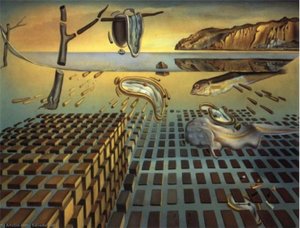
La Persistencia de la Memoria (1931) es probablemente la obra más famosa de Dalí, encapsulando la exploración surrealista del tiempo, la memoria y el deterioro a través de su icónica imagen.
Obras Maestras y Temas Artísticos
La prolífica carrera de Dalí produjo un vasto cuerpo de trabajo que abarca pintura, escultura, cine (colaboraciones con Alfred Hitchcock y Walt Disney) y diseño. Algunas obras notables incluyen:
- Tumba de Julia – Una exploración profunda de la pérdida y la memoria.
- Mannequin (Maniquí de Barcelona) - Reflejando su fascinación por la artificialidad y la identidad.
- Paisaje con Hormigas – Una representación perturbadora del deterioro y la mortalidad.
- Estudio para 'La Anunciación' – Explorando temas de sexualidad y percepción.
- El Ángelo de Gala - Demostrando una técnica meticulosa y un lenguaje simbólico.
Temas recurrentes en el arte de Dalí incluyen: tiempo, memoria, deterioro, sexualidad, religión, ciencia y la mente subconsciente. Sus obras a menudo presentan hormigas, huevos, andamios, cajones y objetos fundidos – todos imbuidos de significado personal y simbólico.
Años Posteriores y Legado
Dalí continuó creando y exhibiendo su obra durante toda su vida, aunque sus años posteriores estuvieron marcados por una creciente eccentricidad y negocios comerciales. Se casó con Gala Éluard en 1934, una relación que influyó profundamente en su arte y proporcionó un apoyo inquebrantable. Gala sirvió como su musa y gerente de negocios.
Dalí falleció en 1989 a la edad de 84 años. Su legado es inmenso. Sigue siendo uno de los artistas más reconocibles e influyentes del siglo XX, influenciando la moda, el cine, la publicidad y la cultura popular. El Museo Salvador Dalí en St. Petersburg, Florida, alberga una extensa colección, testimonio de su atractivo perdurable.
Significado Histórico
Salvador Dalí trascendió los límites del arte, convirtiéndose en un icono cultural. Su exploración del subconsciente, combinada con su dominio técnico y su personalidad extravagante, aseguró su lugar como un verdadero visionario y maestro del Surrealismo. Continúa inspirando a artistas y cautivando a audiencias de todo el mundo.
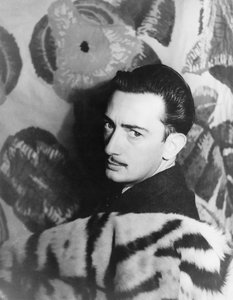
Salvador Dalí
1904 - 1989 , España
Datos clave
- Estilo Artístico: Surrealismo
- Fecha De Muerte: 1989
- Fecha De Nacimiento: 1904-05-11
- Influencias Artísticas:
- Cubismo
- Dadaísmo
- Pablo Picasso
- Lugar De Nacimiento: Figueres, España
- Nacionalidad: Española
- Nombre Completo: Salvador Domingo Felipe Jacinto Dalí i Domènech
- Obras Notables:
- La persistencia de la memoria
- Juliet's Tomb
- Mannequin (Barcelona Mannequin)
- Paisaje con hormigas
- El Ángelus de Gala
Artículos relacionados
Salvador Dalí: Las 25 Obras Maestras del Genio Surrealista | ArtsDot
Descubre las 25 obras maestras de Salvador Dalí, el genio del surrealismo. Explora su arte onírico, técnicas innovadoras y simbolismo único. Reproducciones de alta calidad para decorar tu hogar con estilo en ArtsDot.com.

Blanco Sublime: Los 10 Cuadros Más Famosos Dominados por la Luz y el Color
Descubre los 10 cuadros blancos más emblemáticos de la historia del arte. Explora Monet, Van Gogh y Klimt, y su magistral uso de la luz y el color. Encuentra reproducciones de alta calidad e inspírate para tu decoración en .
Salvador Dalí: Surrealism, Subconscious Exploration & Artistic Innovation
Explore the captivating world of Salvador Dalí! Discover his surrealist masterpieces, profound connection to Freud's theories, and lasting impact on art & culture. A deep dive into a visionary artist.
Los 10 Maestros del Surrealismo: Obras que Desafían la Realidad | ArtsDot
Descubre los 10 cuadros surrealistas más influyentes de artistas como Dalí y Magritte. Explora la historia, el simbolismo y las técnicas del movimiento surrealista. Encuentra reproducciones de arte de museo en ArtsDot.com.
Kandinsky: Las 25 Obras Maestras del Pionero de la Abstracción | ArtsDot
Descubre las 25 obras maestras de Wassily Kandinsky, pionero del arte abstracto. Explora su expresionismo, composiciones únicas y la historia detrás de cada cuadro. Reproducciones de alta calidad para decorar tu hogar con arte moderno en ArtsDot.com.