 Ver en contexto
 Enviar
 Compartir
 Detalles

 Descargar
 Similares
 Radiografía
 Presentación de diapositivas
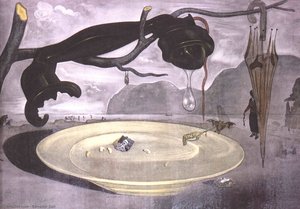
Suez, 1932


 Ver más
Giclée / Impresión de arte
Impresiones giclée o en lienzo de calidad de museo con producción rápida y opciones de acabado flexibles. ( Comprar pintura hecha a mano Comprar imagen)




P118B $10

P118H $10

P118W $10

P438Z $10

P508JH $12

P508YH $12

P805H $10

P805Z $10

P919BZ $10

P919G $10

P919XJ $10

P959ZH $10

P968JZ $12

W106C $8

W218G $10

W218JH $8

W218Y $10

W307PJ $10

W316G $10

W316PJ $8

W316Y $10

W398PJ $8

W4111J $10

W500HY $15

W500JH $15

W692G $12

W849H $8

W940BG $15

W953PJ $8




Elija entre nuestros tamaños predefinidos que respetan las proporciones originales de la obra.

Puede introducir sus propias dimensiones para adaptarse a un marco o espacio específico. Si el tamaño seleccionado no coincide con las proporciones de la imagen original, recortaremos la obra de arte o extenderemos la imagen con un borde con efecto espejo o de color sólido. Se enviará una maqueta digital para su aprobación antes de que comience la producción.
Tenga en cuenta que la vista previa en pantalla no refleja el recorte o la extensión real. Solo la maqueta mostrará con precisión la composición final.
Aunque existen tamaños personalizados, recomendamos seleccionar una dimensión de la lista predefinida para preservar las proporciones originales.
Envío a todo el mundo () en 2 semanas en lugar de las 4/5 semanas estándar. (26 agosto)

Envío exprés gratuito a todo el mundo

Lienzo de lino de alta calidad

Seguro de envío total

Garantía de reembolso de impuestos aduaneros

Garantía de fidelidad cromática exacta

Política de devolución de 60 días (solo por defectos)

Garantía de devolución del 100% del dinero

Descuento por cantidad
 La opción de vidrio solo está disponible en tamaños inferiores a 110 cm.

Suez, 1932
Giclée / Impresión de arte
Dimensiones de la reproducción
-


Precio total final
$ 62
Descripción de la pieza
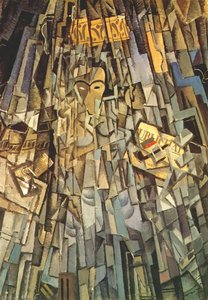
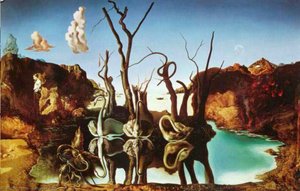
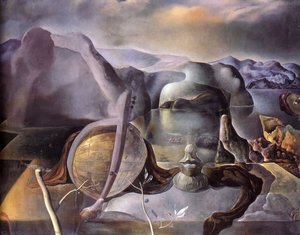
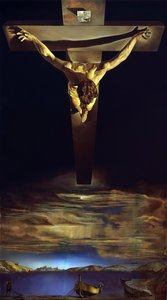
A Descent into the Subconscious: Exploring Dalí’s ‘Suez, 1932’
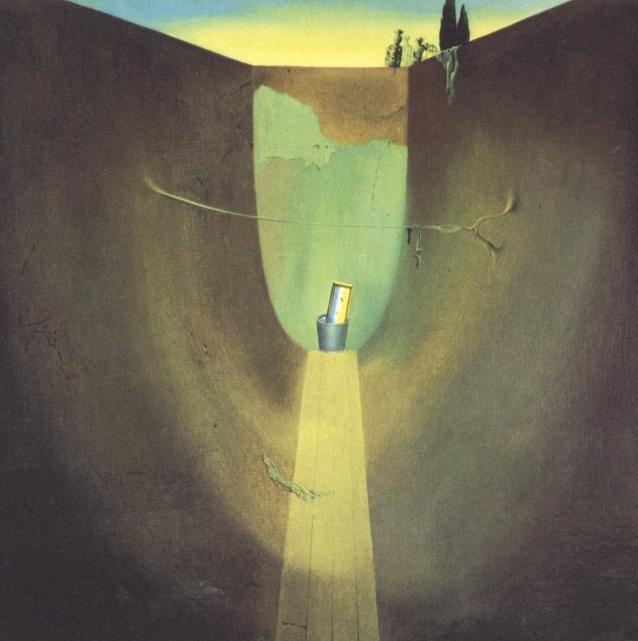
Salvador Dalí's ‘Suez,’ painted in 1932, is not merely an image; it’s a visceral plunge into the depths of the human psyche. The painting presents a stark and unsettling vision – a colossal chasm carved into the earth, its sheer scale dwarfing any sense of human presence. Dominated by earthy browns, muted greens, and ochre tones, the canvas evokes a feeling of age, decay, and an almost geological timelessness. The meticulous detail with which Dalí renders this impossible space is breathtaking; it’s hyperrealism employed not to depict reality, but to construct a profoundly *un*realistic one. The composition draws the eye relentlessly downward, emphasizing the abyss and creating a sense of vertigo. A single bucket, positioned at the very bottom and illuminated by an unseen, powerful light source, becomes a focal point – a fragile beacon in overwhelming darkness.
Surrealism and the Language of Dreams
‘Suez’ is quintessential Dalí, firmly rooted within the Surrealist movement. Emerging in the aftermath of World War I, Surrealism sought to liberate thought, language, and human experience from the constraints of reason, embracing the illogical, the dreamlike, and the subconscious. Dalí, arguably its most recognizable figure, translated these principles into a highly personal visual vocabulary. He wasn’t simply painting dreams; he was attempting to codify their logic – a logic that operates outside the boundaries of waking consciousness. The influence of psychoanalysis, particularly the work of Sigmund Freud, is palpable in ‘Suez.’ The chasm itself can be interpreted as a symbolic representation of the unconscious mind, vast and unknowable, while the bucket might represent a fragile hope or a hidden treasure buried within its depths. This ambiguity is central to Dalí’s power; he doesn't offer answers, but rather invites viewers to confront their own interpretations and anxieties.
Technique and the Illusion of Reality
Dalí’s mastery of oil painting technique is on full display in ‘Suez.’ The canvas isn’t merely painted; it’s *constructed*. He employs a meticulous, almost photographic realism to depict the rough texture of the chasm walls, suggesting weathered stone or earth. This precision contrasts sharply with the irrationality of the scene itself, creating a powerful tension. The dramatic lighting – that single, intense beam cutting through the darkness – is crucial. It not only highlights the bucket but also sculpts the forms within the chasm, emphasizing their depth and creating stark shadows that heighten the sense of unease. The use of perspective further enhances this illusion of depth, drawing the viewer into the painting’s unsettling world. The visible brushstrokes, while controlled, remind us that we are looking at a hand-crafted object, adding another layer of complexity to the experience.
Historical Context and Enduring Legacy
Born in 1904, Salvador Dalí lived through a period of immense social and political upheaval. The rise of fascism, the looming threat of another world war, and the rapid advancements in science all contributed to a sense of anxiety and uncertainty that permeated his work. ‘Suez,’ created during this turbulent era, can be seen as a reflection of these anxieties – a visual metaphor for the precariousness of existence and the darkness lurking beneath the surface of reality. Today, Dalí’s influence continues to resonate across art, fashion, film, and popular culture. His iconic imagery has become instantly recognizable, and his exploration of the subconscious remains profoundly relevant. A reproduction of ‘Suez’ isn’t just a decorative piece; it’s an invitation to contemplate the mysteries of the human mind and the enduring power of Surrealism.
The painting’s genesis lies in Dalí's fascination with geological formations, particularly canyons and chasms—a recurring motif throughout his oeuvre. Inspired by the Grand Canyon and influenced by theories of tectonic plate movement, he sought to represent not merely a landscape but also the psychological state of confronting overwhelming forces.
Dalí’s meticulous attention to detail is evident in every aspect of the artwork. The texture of the chasm walls mimics the weathered surface of ancient rock formations, achieved through layering thin glazes of oil paint and employing techniques borrowed from traditional fresco painting. This painstaking process underscores Dalí's commitment to capturing a sense of timelessness and conveying an emotional resonance that transcends mere visual representation.
The single bucket positioned at the bottom of the chasm serves as a poignant symbol—a diminutive object illuminated by radiant light, representing resilience and perhaps even salvation amidst despair. Its placement directs the viewer’s gaze downwards, reinforcing the painting's unsettling atmosphere and prompting contemplation about confronting one's fears.
Dalí’s masterful use of chiaroscuro – the interplay between light and shadow – dramatically enhances the painting’s impact. The stark contrast between the illuminated bucket and the enveloping darkness creates a palpable sense of drama, mirroring the psychological tension inherent in the Surrealist project.
Obras relacionadas
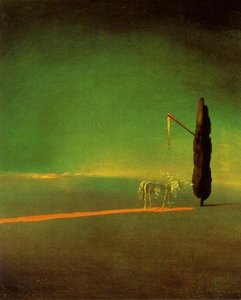
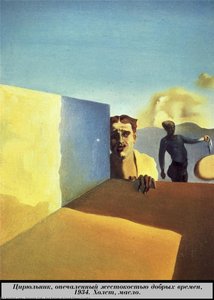
Biografía del artista
Salvador Dalí: Una Vida en el Surrealismo
Salvador Domingo Felipe Jacinto Dalí i Domènech, Marqués de Dalí de Púbol, conocido globalmente como Salvador Dalí, fue un pintor surrealista español nacido el 11 de mayo de 1904 en Figueres, España. Falleció el 23 de enero de 1989, dejando un legado que continúa cautivando y desafiando a audiencias de todo el mundo.
Vida Temprana y Educación
La vida temprana de Dalí estuvo marcada por una compleja relación con su padre, lo que influyó profundamente en sus temas artísticos y su personalidad. Demostró talento artístico desde joven, recibiendo formación formal en la Academia de Bellas Artes de San Fernando en Madrid. Un momento crucial ocurrió a los 16 años cuando descubrió la pintura moderna, provocando un intenso interés que condujo a su primera exposición pública en 1919.
Desarrollo Artístico e Influencias
El viaje artístico de Dalí fue una evolución dinámica moldeada por varias influencias clave:
- Cubismo: Proporcionó una base para la desconstrucción de formas y perspectivas.
- Dadaísmo: Le introdujo a los principios del arte anti-arte y el desafío a la estética convencional.
- Pablo Picasso: Una figura reverenciada a quien Dalí conoció en París, impactando profundamente su dirección artística.
Su visita de 1926 a París resultó crucial, sumergiéndolo en el floreciente movimiento Surrealista y conectándolo con artistas destacados de la época. Rápidamente se convirtió en una figura central dentro del grupo.
El Auge del Surrealismo y el Estilo Único de Dalí
La contribución de Dalí al Surrealismo no fue solo participación, sino una redefinición radical de sus posibilidades. Desarrolló su método “paranoico-crítico”, que involucraba estados paranoicos autoinducidos para desbloquear imágenes subconscientes y traducirlas en arte. Este enfoque le permitió crear paisajes bizarros e oníricos poblados por relojes derritiéndose, figuras distorsionadas y objetos simbólicos – señuelos de su estilo instantáneamente reconocible.
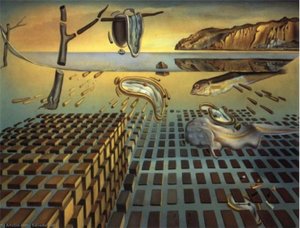
La Persistencia de la Memoria (1931) es probablemente la obra más famosa de Dalí, encapsulando la exploración surrealista del tiempo, la memoria y el deterioro a través de su icónica imagen.
Obras Maestras y Temas Artísticos
La prolífica carrera de Dalí produjo un vasto cuerpo de trabajo que abarca pintura, escultura, cine (colaboraciones con Alfred Hitchcock y Walt Disney) y diseño. Algunas obras notables incluyen:
- Tumba de Julia – Una exploración profunda de la pérdida y la memoria.
- Mannequin (Maniquí de Barcelona) - Reflejando su fascinación por la artificialidad y la identidad.
- Paisaje con Hormigas – Una representación perturbadora del deterioro y la mortalidad.
- Estudio para 'La Anunciación' – Explorando temas de sexualidad y percepción.
- El Ángelo de Gala - Demostrando una técnica meticulosa y un lenguaje simbólico.
Temas recurrentes en el arte de Dalí incluyen: tiempo, memoria, deterioro, sexualidad, religión, ciencia y la mente subconsciente. Sus obras a menudo presentan hormigas, huevos, andamios, cajones y objetos fundidos – todos imbuidos de significado personal y simbólico.
Años Posteriores y Legado
Dalí continuó creando y exhibiendo su obra durante toda su vida, aunque sus años posteriores estuvieron marcados por una creciente eccentricidad y negocios comerciales. Se casó con Gala Éluard en 1934, una relación que influyó profundamente en su arte y proporcionó un apoyo inquebrantable. Gala sirvió como su musa y gerente de negocios.
Dalí falleció en 1989 a la edad de 84 años. Su legado es inmenso. Sigue siendo uno de los artistas más reconocibles e influyentes del siglo XX, influenciando la moda, el cine, la publicidad y la cultura popular. El Museo Salvador Dalí en St. Petersburg, Florida, alberga una extensa colección, testimonio de su atractivo perdurable.
Significado Histórico
Salvador Dalí trascendió los límites del arte, convirtiéndose en un icono cultural. Su exploración del subconsciente, combinada con su dominio técnico y su personalidad extravagante, aseguró su lugar como un verdadero visionario y maestro del Surrealismo. Continúa inspirando a artistas y cautivando a audiencias de todo el mundo.
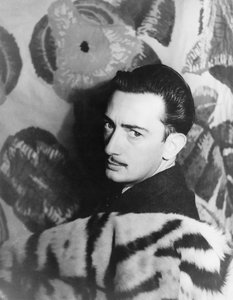
Salvador Dalí
1904 - 1989 , España
Datos clave
- Estilo Artístico: Surrealismo
- Fecha De Muerte: 1989
- Fecha De Nacimiento: 1904-05-11
- Influencias Artísticas:
- Cubismo
- Dadaísmo
- Pablo Picasso
- Lugar De Nacimiento: Figueres, España
- Nacionalidad: Española
- Nombre Completo: Salvador Domingo Felipe Jacinto Dalí i Domènech
- Obras Notables:
- La persistencia de la memoria
- Juliet's Tomb
- Mannequin (Barcelona Mannequin)
- Paisaje con hormigas
- El Ángelus de Gala
Artículos relacionados
Salvador Dalí: Las 25 Obras Maestras del Genio Surrealista | ArtsDot
Descubre las 25 obras maestras de Salvador Dalí, el genio del surrealismo. Explora su arte onírico, técnicas innovadoras y simbolismo único. Reproducciones de alta calidad para decorar tu hogar con estilo en ArtsDot.com.
Salvador Dalí: Surrealism, Subconscious Exploration & Artistic Innovation
Explore the captivating world of Salvador Dalí! Discover his surrealist masterpieces, profound connection to Freud's theories, and lasting impact on art & culture. A deep dive into a visionary artist.
Decoding Dalí: The Secrets of the Paranoiac-Critical Method and Surrealist Symbols
Unlock the mysteries of Salvador Dalí. Explore the profound secrets behind his Paranoiac-Critical Method and decode the surrealist symbols that define his legendary dreamscapes in this expert art history guide.

Surrealist Dreamscapes: A Curated Guide to Integrating Breathtaking Surrealism into Sophisticated Home Decor
Transform your home into a breathtaking dreamscape with expert surrealist decor tips. Discover how to curate Salvador Dalí-inspired masterpieces, integrate symbolic textures, and commission bespoke hand-painted oil reproductions that bring the magic of the subconscious to your walls.
Los 10 Maestros del Surrealismo: Obras que Desafían la Realidad | ArtsDot
Descubre los 10 cuadros surrealistas más influyentes de artistas como Dalí y Magritte. Explora la historia, el simbolismo y las técnicas del movimiento surrealista. Encuentra reproducciones de arte de museo en ArtsDot.com.