 Ver en contexto
 Enviar
 Compartir
 Detalles

 Descargar
 Similares
 Radiografía
 Presentación de diapositivas
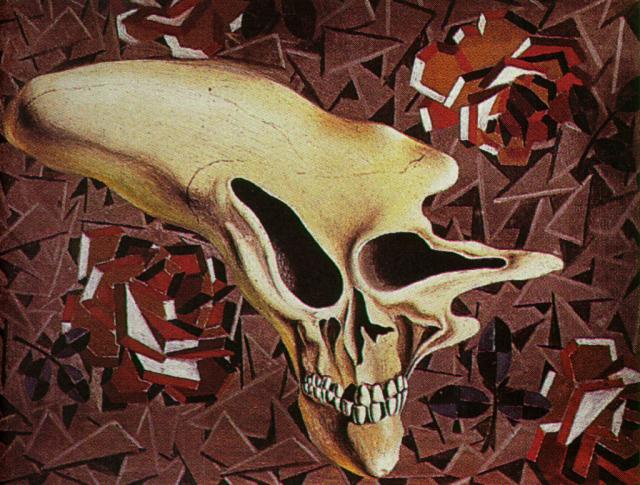
Título: Cabeza fuera de muerte - Paul Eluard, aproximadamente 1933


 Ver más
Reproducción al óleo hecha a mano
Óleo sobre lienzo pintado a mano en el tamaño y marco de su elección, realizado por encargo por nuestros artistas. ( Comprar impresión Comprar imagen)




P118B $10

P118H $10

P118W $10

P438Z $10

P508JH $12

P508YH $12

P805H $10

P805Z $10

P919BZ $10

P919G $10

P919XJ $10

P959ZH $10

P968JZ $12

W106C $8

W218G $10

W218JH $8

W218Y $10

W307PJ $10

W316G $10

W316PJ $8

W316Y $10

W398PJ $8

W4111J $10

W500HY $15

W500JH $15

W692G $12

W849H $8

W940BG $15

W953PJ $8




Elija entre nuestros tamaños predefinidos que respetan las proporciones originales de la obra.

Puede ingresar sus propias dimensiones para adaptarse a un marco o espacio específico. Si el tamaño seleccionado no coincide con las proporciones de la imagen original, recortaremos la obra o extenderemos la pintura con elementos adicionales pintados a mano. Se le enviará una maqueta digital para su aprobación antes de comenzar la producción.
Tenga en cuenta que la vista previa en pantalla no refleja el recorte o la extensión reales. Solo la maqueta mostrará con precisión la composición final.
Si bien existen tamaños personalizados, recomendamos seleccionar una dimensión de la lista predefinida para preservar las proporciones originales.
Tras realizar el pedido, el equipo de ArtsDot.com enviará un correo electrónico al cliente para solicitar instrucciones y proporcionarle una vista previa del boceto.
Envío a todo el mundo () en 3-4 semanas en lugar de las 5 semanas estándar. (27 agosto). Sin comprometer la calidad.

Envío exprés gratuito a todo el mundo

Lienzo de lino de alta calidad

Seguro de envío total

Garantía de reembolso de impuestos aduaneros

Garantía de fidelidad cromática exacta

Política de devolución de 60 días (solo por defectos)

Garantía de devolución del 100% del dinero

Descuento por cantidad
 La opción de vidrio solo está disponible en tamaños inferiores a 110 cm.

Título: Cabeza fuera de muerte - Paul Eluard, aproximadamente 1933
Técnica de reproducción
Dimensiones de la reproducción
-


Precio total final
$ 263
Descripción de la obra
A Surreal Encounter with the Subconscious
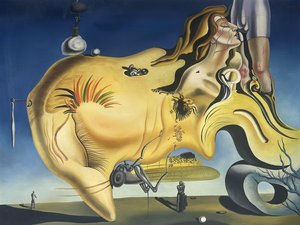
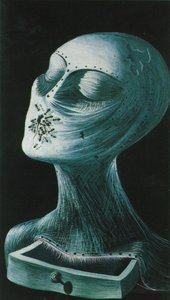
In the hauntingly beautiful realm of Salvador Dalí, the boundaries between life and death, reality and dream, are perpetually blurred. His 1933 masterpiece, Untitled - Death Outside the Head-Paul Eluard, serves as a profound window into this unsettling yet mesmerizing landscape. At first glance, the viewer is confronted by a stark, anatomical precision: a skull, rendered with meticulous detail, rests within a composition that feels both fragmented and strangely cohesive. The presence of a toothbrush held within the open jaws of the bone structure introduces an element of the mundane into the macabre, a hallmark of Dalí’s ability to juxtapose the everyday with the existential. This jarring combination forces a confrontation with our own mortality, wrapped in the absurd textures of a dreamscape.
The painting is not merely a depiction of decay but a complex psychological puzzle. The skull appears to be part of a larger, jigsaw-like arrangement, suggesting that death is not an isolated event but a piece of a much broader, more intricate cosmic design. This sense of fragmentation is deeply rooted in the Surrealist movement, where the artist sought to dismantle the rational mind to reveal the truths hidden within the subconscious. As the eye wanders across the bone and the strange, patterned background, one feels the tension between the permanence of death and the fleeting, almost comical nature of human habits.
Technique and the Mastery of Illusion
Dalí’s technical prowess is on full display in this work, showcasing his ability to utilize hyper-realistic textures to serve a surrealist purpose. The rendering of the skull possesses a tactile quality; one can almost feel the cold, calcified surface of the bone and the slight, bristled texture of the toothbrush. This level of precision is essential to Dalí’s "paranoiac-critical method," a technique he developed to induce a state of controlled hallucination, allowing him to paint the irrational with the clarity of a photograph. By applying such rigorous academic skill to an illogical subject, he creates a sense of "veristic surrealism" that makes the impossible feel undeniably present.
The use of light and shadow plays a crucial role in establishing the painting's depth and emotional weight. The shadows cast within the cranial cavities and around the toothbrush create a three-dimensional presence that pulls the viewer into the frame. For collectors and interior designers, this piece offers a commanding visual anchor. Its ability to command attention through high-contrast detail makes it an extraordinary choice for a gallery wall or a sophisticated study, where its intricate textures can be appreciated under focused lighting, inviting long periods of contemplation.
Symbolism and the Legacy of the Dream
To understand this work is to delve into the symbolic language Dalí spoke so fluently. The title itself, referencing the poet Paul Éluard, hints at the interconnectedness of the Surrealist circle and the shared intellectual landscape of the era. The skull serves as a classic memento mori, a reminder of the inevitability of death, yet Dalí subverts this tradition by injecting it with a sense of the bizarre. The toothbrush acts as a symbol of the living—of hygiene, routine, and the biological maintenance of the self—now rendered useless in the face of skeletal remains. It is a poignant commentary on the futility of earthly rituals when confronted with the infinite.
For those looking to bring a piece of art history into their personal spaces, a high-quality reproduction of this work offers more than just decoration; it offers an intellectual journey. This painting is a conversation starter, a piece that challenges the observer to look beyond the surface and consider the layers of meaning beneath. Whether placed in a modern minimalist setting or a classic, richly textured room, Untitled - Death Outside the Head remains a powerful testament to the enduring allure of the human psyche and the transformative power of Surrealism.
Obras relacionadas
Biografía del artista
Salvador Dalí: Una Vida en el Surrealismo
Salvador Domingo Felipe Jacinto Dalí i Domènech, Marqués de Dalí de Púbol, conocido globalmente como Salvador Dalí, fue un pintor surrealista español nacido el 11 de mayo de 1904 en Figueres, España. Falleció el 23 de enero de 1989, dejando un legado que continúa cautivando y desafiando a audiencias de todo el mundo.
Vida Temprana y Educación
La vida temprana de Dalí estuvo marcada por una compleja relación con su padre, lo que influyó profundamente en sus temas artísticos y su personalidad. Demostró talento artístico desde joven, recibiendo formación formal en la Academia de Bellas Artes de San Fernando en Madrid. Un momento crucial ocurrió a los 16 años cuando descubrió la pintura moderna, provocando un intenso interés que condujo a su primera exposición pública en 1919.
Desarrollo Artístico e Influencias
El viaje artístico de Dalí fue una evolución dinámica moldeada por varias influencias clave:
- Cubismo: Proporcionó una base para la desconstrucción de formas y perspectivas.
- Dadaísmo: Le introdujo a los principios del arte anti-arte y el desafío a la estética convencional.
- Pablo Picasso: Una figura reverenciada a quien Dalí conoció en París, impactando profundamente su dirección artística.
Su visita de 1926 a París resultó crucial, sumergiéndolo en el floreciente movimiento Surrealista y conectándolo con artistas destacados de la época. Rápidamente se convirtió en una figura central dentro del grupo.
El Auge del Surrealismo y el Estilo Único de Dalí
La contribución de Dalí al Surrealismo no fue solo participación, sino una redefinición radical de sus posibilidades. Desarrolló su método “paranoico-crítico”, que involucraba estados paranoicos autoinducidos para desbloquear imágenes subconscientes y traducirlas en arte. Este enfoque le permitió crear paisajes bizarros e oníricos poblados por relojes derritiéndose, figuras distorsionadas y objetos simbólicos – señuelos de su estilo instantáneamente reconocible.
La Persistencia de la Memoria (1931) es probablemente la obra más famosa de Dalí, encapsulando la exploración surrealista del tiempo, la memoria y el deterioro a través de su icónica imagen.
Obras Maestras y Temas Artísticos
La prolífica carrera de Dalí produjo un vasto cuerpo de trabajo que abarca pintura, escultura, cine (colaboraciones con Alfred Hitchcock y Walt Disney) y diseño. Algunas obras notables incluyen:
- Tumba de Julia – Una exploración profunda de la pérdida y la memoria.
- Mannequin (Maniquí de Barcelona) - Reflejando su fascinación por la artificialidad y la identidad.
- Paisaje con Hormigas – Una representación perturbadora del deterioro y la mortalidad.
- Estudio para 'La Anunciación' – Explorando temas de sexualidad y percepción.
- El Ángelo de Gala - Demostrando una técnica meticulosa y un lenguaje simbólico.
Temas recurrentes en el arte de Dalí incluyen: tiempo, memoria, deterioro, sexualidad, religión, ciencia y la mente subconsciente. Sus obras a menudo presentan hormigas, huevos, andamios, cajones y objetos fundidos – todos imbuidos de significado personal y simbólico.
Años Posteriores y Legado
Dalí continuó creando y exhibiendo su obra durante toda su vida, aunque sus años posteriores estuvieron marcados por una creciente eccentricidad y negocios comerciales. Se casó con Gala Éluard en 1934, una relación que influyó profundamente en su arte y proporcionó un apoyo inquebrantable. Gala sirvió como su musa y gerente de negocios.
Dalí falleció en 1989 a la edad de 84 años. Su legado es inmenso. Sigue siendo uno de los artistas más reconocibles e influyentes del siglo XX, influenciando la moda, el cine, la publicidad y la cultura popular. El Museo Salvador Dalí en St. Petersburg, Florida, alberga una extensa colección, testimonio de su atractivo perdurable.
Significado Histórico
Salvador Dalí trascendió los límites del arte, convirtiéndose en un icono cultural. Su exploración del subconsciente, combinada con su dominio técnico y su personalidad extravagante, aseguró su lugar como un verdadero visionario y maestro del Surrealismo. Continúa inspirando a artistas y cautivando a audiencias de todo el mundo.
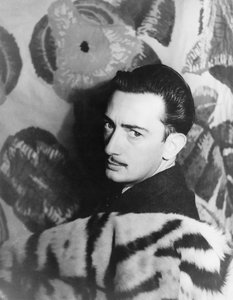
Salvador Dalí
1904 - 1989 , España
Datos clave
- Estilo Artístico: Surrealismo
- Fecha De Muerte: 1989
- Fecha De Nacimiento: 1904-05-11
- Influencias Artísticas:
- Cubismo
- Dadaísmo
- Pablo Picasso
- Lugar De Nacimiento: Figueres, España
- Nacionalidad: Española
- Nombre Completo: Salvador Domingo Felipe Jacinto Dalí i Domènech
- Obras Notables:
- La persistencia de la memoria
- Juliet's Tomb
- Mannequin (Barcelona Mannequin)
- Paisaje con hormigas
- El Ángelus de Gala
Artículos relacionados
Salvador Dalí: Las 25 Obras Maestras del Genio Surrealista | ArtsDot
Descubre las 25 obras maestras de Salvador Dalí, el genio del surrealismo. Explora su arte onírico, técnicas innovadoras y simbolismo único. Reproducciones de alta calidad para decorar tu hogar con estilo en ArtsDot.com.
Salvador Dalí: Surrealism, Subconscious Exploration & Artistic Innovation
Explore the captivating world of Salvador Dalí! Discover his surrealist masterpieces, profound connection to Freud's theories, and lasting impact on art & culture. A deep dive into a visionary artist.
Decoding Dalí: The Secrets of the Paranoiac-Critical Method and Surrealist Symbols
Unlock the mysteries of Salvador Dalí. Explore the profound secrets behind his Paranoiac-Critical Method and decode the surrealist symbols that define his legendary dreamscapes in this expert art history guide.
Los 10 Maestros del Surrealismo: Obras que Desafían la Realidad | ArtsDot
Descubre los 10 cuadros surrealistas más influyentes de artistas como Dalí y Magritte. Explora la historia, el simbolismo y las técnicas del movimiento surrealista. Encuentra reproducciones de arte de museo en ArtsDot.com.
Surrealismo: 10 Obras Maestras que Transformaron el Arte y la Decoración
Descubre las 10 obras maestras del Surrealismo con Dalí, Magritte y Miró. Explora la historia, el simbolismo y la técnica de estos íconos del arte moderno. Encuentra reproducciones de alta calidad para tu hogar en .