

 Ver en contexto
 Enviar
 Compartir
 Detalles

 Descargar
 Similares
 Radiografía
 Presentación de diapositivas
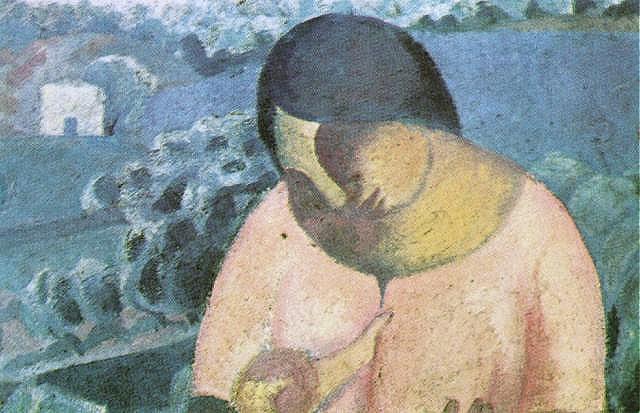
Woman Nursing Her Son (Mujer amamantando a su hijo), 1923

 Ver más
Adquiera una imagen digital de alta resolución y optimizada, muy superior a la vista previa en línea.
Cada archivo es preparado meticulosamente por nuestros especialistas internos mediante el uso de herramientas avanzadas y un experto retoque manual. Nos aseguramos de que cada imagen posea una claridad excepcional, una precisión cromática impecable y un detalle minucioso.
El archivo final se entrega por correo electrónico en un plazo de 72 horas, optimizado para su uso inmediato en entornos profesionales, editoriales y de impresión. Esta es la misma calidad en la que confían los estudios de diseño, las editoriales y las galerías de primer nivel.
Imagen Digital
Descarga un archivo de alta resolución para exhibición personal, impresión y proyectos creativos. ( Comprar impresión Comprar pintura hecha a mano)
Incluido en cada pedido de imágenes digitales
Entrega digital experta, garantizada.
Al elegir ArtsDot.com, no solo está adquiriendo una imagen; está recibiendo una obra de arte digital mejorada profesionalmente, elaborada con precisión y respaldada por una garantía de satisfacción. Esto es todo lo que incluye su pedido, automáticamente:

Entrega rápida por email
Recibirá su archivo de imagen digital en alta resolución por correo electrónico en un plazo de 72 horas tras realizar su pedido, listo para su uso inmediato.

Archivo digital optimizado por IA
Su obra de arte se optimiza profesionalmente mediante herramientas avanzadas de IA y edición manual, garantizando el máximo detalle, claridad y precisión cromática.

Reenvío gratuito de por vida
¿Has borrado o perdido tu archivo por error? No te preocupes: te lo volveremos a enviar en cualquier momento, sin coste adicional.

Sin gastos de importación, siempre
Disfrute de su obra de arte al instante sin aduanas, aranceles ni gastos de envío; las descargas digitales siempre están libres de impuestos.

Garantía de fidelidad de color
Garantizamos que su imagen digital refleje los colores originales con la mayor fidelidad posible, mediante el uso de herramientas profesionales y gestión del color.

Garantía de satisfacción de 100 días
Si no está satisfecho con su imagen digital, la revisaremos o le reembolsaremos el 100% en un plazo de 100 días, sin preguntas.

100% Garantía de devolución de dinero
¿No está satisfecho? Obtenga un reembolso completo dentro de los 100 días posteriores a la recepción de su archivo digital, sin necesidad de explicaciones.

Descuentos por pedidos grandes
Compra 3 imágenes, ahorra 10% - Compra 5, ahorra 15% - Compra 10+, ahorra 20%. Ideal para proyectos creativos, galerías y agencias.
A Surrealist Embrace: Salvador Dalí’s “Woman Nursing Her Son”
Salvador Dalí's "Woman Nursing Her Son" (Mujer amamantando a su hijo), painted in 1923, is not merely a depiction of motherhood; it’s a profound and unsettling exploration of duality, memory, and the subconscious – a cornerstone of the Surrealist movement. The painting immediately arrests the viewer with its dreamlike quality, a landscape both familiar and profoundly strange. It's a scene steeped in symbolism, inviting endless interpretation and reflecting Dalí’s fascination with Freudian psychology and his own personal anxieties. The muted palette—earth tones dominating against a hazy, undefined background—creates an atmosphere of quiet contemplation, yet the unsettling details prevent it from becoming comforting.
Technically masterful, the painting showcases Dalí's meticulous attention to detail and his extraordinary draftsmanship. He employs a precise, almost photographic realism, rendering the woman’s form with startling solidity – a deliberate contrast to the fluidity of the surrounding environment. The baby, similarly rendered, is presented with an unnerving stillness, further contributing to the overall sense of unease. Notice the subtle distortions in perspective and the meticulous depiction of textures—the folds of the fabric, the sheen on the woman’s skin, the rough surface of the building in the distance—all executed with a level of precision that borders on obsessive. This technical skill served not merely as an aesthetic choice but as a means to ground the fantastical elements within a recognizable reality.
The Shadow of Loss and the Promise of Renewal
Dating back to Dalí’s early Surrealist period, “Woman Nursing Her Son” is inextricably linked to the trauma of his childhood. The death of his older brother, Salvador, at nine months old profoundly shaped his artistic vision, casting a long shadow over his work. The painting can be interpreted as a symbolic representation of this loss – the woman embodies the enduring presence of the deceased brother, while the act of nursing represents both remembrance and a desperate attempt to fill the void left behind. The ambiguous nature of the scene—the lack of clear identification, the unsettling stillness—suggests that the memory is not straightforward or easily resolved.
However, within this melancholic framework, there’s also an undeniable sense of hope. The act of nurturing signifies life, growth, and the continuation of lineage. The woman's posture, though serene, holds a subtle tension—a quiet strength in the face of profound grief. It is not simply a lament; it is a testament to resilience and the enduring power of maternal love. The inclusion of two birds, one perched high above and another near the bottom right corner, adds another layer of symbolism – perhaps representing aspiration or the fleeting nature of memory.
Context within Surrealism and Dalí’s Artistic Evolution
“Woman Nursing Her Son” emerged during a pivotal moment in Dalí's artistic development. He was deeply immersed in the principles of Surrealism, championed by André Breton, which sought to liberate the unconscious mind through art. This painting exemplifies the movement’s core tenets: exploring dream imagery, challenging conventional perceptions of reality, and delving into the hidden depths of the psyche. It stands alongside other key works from this period, such as “The Persistence of Memory,” in demonstrating Dalí's ability to translate abstract concepts into visually arresting and emotionally resonant images.
Interestingly, this work also foreshadows elements that would become central to Dalí’s later artistic explorations – particularly his interest in religious symbolism and the juxtaposition of classical imagery with bizarre, unsettling details. The painting can be seen as a bridge between his early Surrealist experiments and his more mature style, characterized by its opulent extravagance and complex allegories. It's a testament to Dalí's evolving artistic vision—a journey from personal trauma to universal themes of loss, memory, and the enduring power of the human spirit.
A Timeless Masterpiece for Collectors and Designers
“Woman Nursing Her Son” remains a powerfully evocative work of art, captivating viewers with its dreamlike atmosphere and profound symbolism. Reproductions offer an accessible way to bring this iconic image into your home or office, adding a touch of Surrealist intrigue to any space. Consider the painting’s impact on interior design—its muted palette and unsettling imagery create a sophisticated and contemplative mood. For collectors, it represents a significant piece of art history, embodying the spirit of a revolutionary movement and showcasing Dalí's unparalleled artistic talent. A high-quality reproduction allows you to appreciate the intricate details and subtle nuances of this enduring masterpiece, ensuring that its haunting beauty continues to inspire for generations to come.
Obras relacionadas
Biografía del artista
Salvador Dalí: Una Vida en el Surrealismo
Salvador Domingo Felipe Jacinto Dalí i Domènech, Marqués de Dalí de Púbol, conocido globalmente como Salvador Dalí, fue un pintor surrealista español nacido el 11 de mayo de 1904 en Figueres, España. Falleció el 23 de enero de 1989, dejando un legado que continúa cautivando y desafiando a audiencias de todo el mundo.
Vida Temprana y Educación
La vida temprana de Dalí estuvo marcada por una compleja relación con su padre, lo que influyó profundamente en sus temas artísticos y su personalidad. Demostró talento artístico desde joven, recibiendo formación formal en la Academia de Bellas Artes de San Fernando en Madrid. Un momento crucial ocurrió a los 16 años cuando descubrió la pintura moderna, provocando un intenso interés que condujo a su primera exposición pública en 1919.
Desarrollo Artístico e Influencias
El viaje artístico de Dalí fue una evolución dinámica moldeada por varias influencias clave:
- Cubismo: Proporcionó una base para la desconstrucción de formas y perspectivas.
- Dadaísmo: Le introdujo a los principios del arte anti-arte y el desafío a la estética convencional.
- Pablo Picasso: Una figura reverenciada a quien Dalí conoció en París, impactando profundamente su dirección artística.
Su visita de 1926 a París resultó crucial, sumergiéndolo en el floreciente movimiento Surrealista y conectándolo con artistas destacados de la época. Rápidamente se convirtió en una figura central dentro del grupo.
El Auge del Surrealismo y el Estilo Único de Dalí
La contribución de Dalí al Surrealismo no fue solo participación, sino una redefinición radical de sus posibilidades. Desarrolló su método “paranoico-crítico”, que involucraba estados paranoicos autoinducidos para desbloquear imágenes subconscientes y traducirlas en arte. Este enfoque le permitió crear paisajes bizarros e oníricos poblados por relojes derritiéndose, figuras distorsionadas y objetos simbólicos – señuelos de su estilo instantáneamente reconocible.
La Persistencia de la Memoria (1931) es probablemente la obra más famosa de Dalí, encapsulando la exploración surrealista del tiempo, la memoria y el deterioro a través de su icónica imagen.
Obras Maestras y Temas Artísticos
La prolífica carrera de Dalí produjo un vasto cuerpo de trabajo que abarca pintura, escultura, cine (colaboraciones con Alfred Hitchcock y Walt Disney) y diseño. Algunas obras notables incluyen:
- Tumba de Julia – Una exploración profunda de la pérdida y la memoria.
- Mannequin (Maniquí de Barcelona) - Reflejando su fascinación por la artificialidad y la identidad.
- Paisaje con Hormigas – Una representación perturbadora del deterioro y la mortalidad.
- Estudio para 'La Anunciación' – Explorando temas de sexualidad y percepción.
- El Ángelo de Gala - Demostrando una técnica meticulosa y un lenguaje simbólico.
Temas recurrentes en el arte de Dalí incluyen: tiempo, memoria, deterioro, sexualidad, religión, ciencia y la mente subconsciente. Sus obras a menudo presentan hormigas, huevos, andamios, cajones y objetos fundidos – todos imbuidos de significado personal y simbólico.
Años Posteriores y Legado
Dalí continuó creando y exhibiendo su obra durante toda su vida, aunque sus años posteriores estuvieron marcados por una creciente eccentricidad y negocios comerciales. Se casó con Gala Éluard en 1934, una relación que influyó profundamente en su arte y proporcionó un apoyo inquebrantable. Gala sirvió como su musa y gerente de negocios.
Dalí falleció en 1989 a la edad de 84 años. Su legado es inmenso. Sigue siendo uno de los artistas más reconocibles e influyentes del siglo XX, influenciando la moda, el cine, la publicidad y la cultura popular. El Museo Salvador Dalí en St. Petersburg, Florida, alberga una extensa colección, testimonio de su atractivo perdurable.
Significado Histórico
Salvador Dalí trascendió los límites del arte, convirtiéndose en un icono cultural. Su exploración del subconsciente, combinada con su dominio técnico y su personalidad extravagante, aseguró su lugar como un verdadero visionario y maestro del Surrealismo. Continúa inspirando a artistas y cautivando a audiencias de todo el mundo.
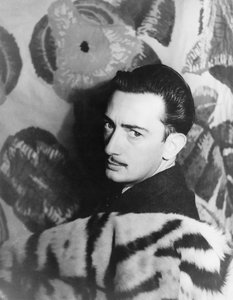
Salvador Dalí
1904 - 1989 , España
Breves datos
- Estilo Artístico: Surrealismo
- Fecha De Muerte: 1989
- Fecha De Nacimiento: 1904-05-11
- Influencias Artísticas:
- Cubismo
- Dadaísmo
- Pablo Picasso
- Lugar De Nacimiento: Figueres, España
- Nacionalidad: Española
- Nombre Completo: Salvador Domingo Felipe Jacinto Dalí i Domènech
- Obras Notables:
- La persistencia de la memoria
- Juliet's Tomb
- Mannequin (Barcelona Mannequin)
- Paisaje con hormigas
- El Ángelus de Gala