 Ver en contexto
 Enviar
 Compartir
 Detalles

 Descargar
 Similares
 Radiografía
 Presentación de diapositivas
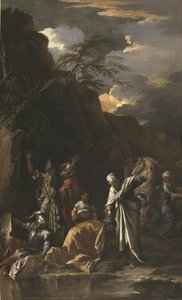
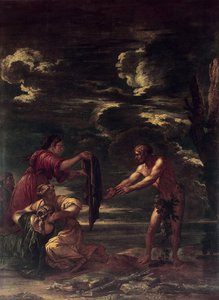
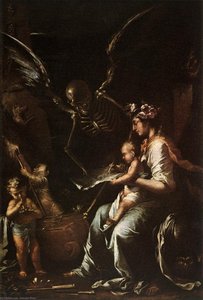
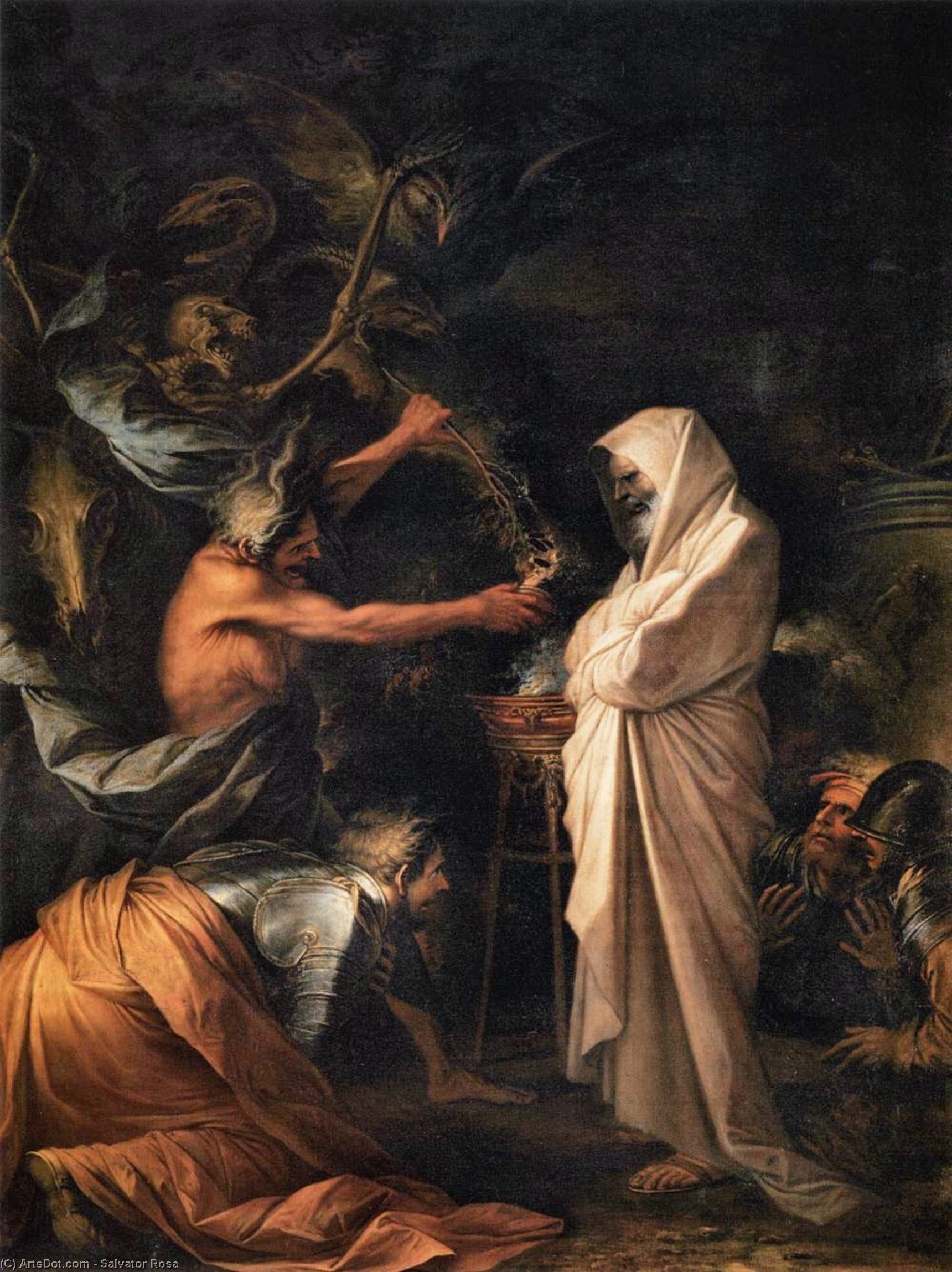
The Shade of Samuel Appears to Saul
 Óleo sobre lienzo
- Arte de pared
- Baroque
 1668
1668- Edad Moderna
 275.0 x 191.0 cm
 Museo del Louvre
 Ver más
Giclée / Impresión de arte
Impresiones giclée o en lienzo de calidad de museo con producción rápida y opciones de acabado flexibles. ( Comprar pintura hecha a mano Comprar imagen)




P118B $10

P118H $10

P118W $10

P438Z $10

P508JH $12

P508YH $12

P805H $10

P805Z $10

P919BZ $10

P919G $10

P919XJ $10

P959ZH $10

P968JZ $12

W106C $8

W218G $10

W218JH $8

W218Y $10

W307PJ $10

W316G $10

W316PJ $8

W316Y $10

W398PJ $8

W4111J $10

W500HY $15

W500JH $15

W692G $12

W849H $8

W940BG $15

W953PJ $8




Elija entre nuestros tamaños predefinidos que respetan las proporciones originales de la obra.

Puede introducir sus propias dimensiones para adaptarse a un marco o espacio específico. Si el tamaño seleccionado no coincide con las proporciones de la imagen original, recortaremos la obra de arte o extenderemos la imagen con un borde con efecto espejo o de color sólido. Se enviará una maqueta digital para su aprobación antes de que comience la producción.
Tenga en cuenta que la vista previa en pantalla no refleja el recorte o la extensión real. Solo la maqueta mostrará con precisión la composición final.
Aunque existen tamaños personalizados, recomendamos seleccionar una dimensión de la lista predefinida para preservar las proporciones originales.
Envío a todo el mundo () en 2 semanas en lugar de las 4/5 semanas estándar. (25 agosto)

Envío exprés gratuito a todo el mundo

Lienzo de lino de alta calidad

Seguro de envío total

Garantía de reembolso de impuestos aduaneros

Garantía de fidelidad cromática exacta

Política de devolución de 60 días (solo por defectos)

Garantía de devolución del 100% del dinero

Descuento por cantidad
 La opción de vidrio solo está disponible en tamaños inferiores a 110 cm.

The Shade of Samuel Appears to Saul
Giclée / Impresión de arte
Dimensiones de la reproducción
-


Precio total final
$ 62
Descripción de la pieza
The Shade of Samuel Appears to Saul – A Dramatic Encounter Illuminated by Baroque Genius
Salvator Rosa’s “The Shade of Samuel Appears to Saul,” painted in 1668, transcends mere depiction; it embodies the turbulent spirit of the Baroque era and delivers a profound meditation on faith, repentance, and divine judgment. This monumental canvas—measuring 275 x 191 cm—captures a pivotal moment from biblical narrative: King Saul’s desperate plea for guidance amidst impending defeat against the Philistines.
Rosa, renowned for his uncompromising artistic vision and masterful command of chiaroscuro, eschewed formal conventions to prioritize emotional intensity. Unlike many artists of his time who adhered to idealized representations, Rosa embraced a naturalist style influenced by Rubens and poussin, grounding his subject matter in palpable reality—the gritty textures of stone, the dampness of twilight, and the visceral horror of mortal suffering.
- Subject Matter & Narrative Depth: The painting recounts the tale from Samuel I (28), where Saul seeks counsel from the prophet Samuel after a devastating military setback. Rosa skillfully portrays the scene’s psychological drama—Saul's vulnerability, Samuel’s solemn pronouncements of doom for Saul and his lineage—creating an atmosphere charged with religious significance.
- Style & Technique: Rosa’s technique is characterized by dramatic lighting – a masterful use of chiaroscuro – which sculpts the figures and emphasizes their emotional states. The subdued palette, dominated by earthy tones punctuated by flashes of white, contributes to the painting's solemn mood. Notice how Rosa meticulously renders the textures of Samuel’s robe and the stone upon which he stands, conveying an impression of palpable physicality.
- Historical Context: Painted during a period marked by religious fervor and political instability in Italy—specifically Naples—Rosa’s work reflects the Baroque preoccupation with portraying human experience at its most dramatic. The painting aligns itself with broader artistic trends exploring themes of mortality, repentance, and divine retribution, mirroring the anxieties of the time.
- Symbolism & Imagery: The central figure of Samuel embodies prophetic authority and divine grace, while Saul’s kneeling posture signifies humility and despair. The spectral monsters hovering in the gloom represent the forces of evil confronting faith—a visual metaphor for the spiritual battle waged by Saul. Furthermore, the torch symbolizes Saul's sin and his defiance against God’s will.
- Emotional Impact: “The Shade of Samuel Appears to Saul” resonates powerfully with viewers due to its unflinching portrayal of human suffering and its exploration of existential themes. Rosa’s masterful composition compels contemplation on faith, repentance, and the consequences of transgression—leaving an indelible impression on anyone who encounters it.
Rosa's artistic legacy extends beyond this single masterpiece; his landscapes captivated audiences with their depiction of untamed nature and conveyed a profound appreciation for the sublime. This painting stands as testament to Rosa’s ability to fuse philosophical contemplation with artistic brilliance, cementing its place among the most evocative works of Baroque art.
Obras relacionadas




Biografía del artista
Vida temprana y formación
Salvator Rosa, pintor barroco italiano, poeta e grabador, nació en Arenella, Nápoles, el 20 de junio o el 21 de julio de 1615. Su madre, Giulia Greca Rosa, pertenecía a una de las familias griegas de Sicilia. A pesar de los deseos de su padre de que se convirtiera en abogado o sacerdote, Salvator demostró una preferencia por las artes desde temprana edad.Trayectoria artística
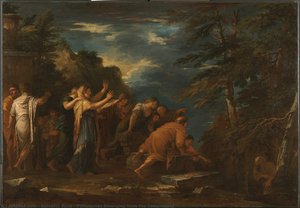
La carrera artística de Salvator Rosa se caracterizó por su estilo poco ortodoxo y extravagante, lo que lo diferenciaba de sus contemporáneos. Estuvo activo en Nápoles, Roma y Florencia, y su obra estuvo influenciada por el naturalismo de Ribera y el clasicismo de Poussin. Sin embargo, se negó a ser atado por ningún estilo o movimiento particular.- Pitágoras emergiendo del inframundo (Museo de Arte Kimball, Fort Worth, Estados Unidos), una de sus obras más famosas, muestra su mezcla única de temas filosóficos y artísticos.
- Su obra El bautismo del eunuco (Museo de Arte Chrysler, Norfolk, Estados Unidos) demuestra su capacidad para infundir un alto dramatismo incluso en historias bíblicas menores.
Influencias y legado
La obra de Salvator Rosa tuvo un impacto significativo en el desarrollo del arte barroco. Su influencia puede verse en las obras de artistas posteriores, como Luca Giordano, que continuó superando los límites de la expresión artística.Enlaces importantes: Perfil de Salvator Rosa en ArtsDot Wikipedia: Salvator Rosa Pitágoras emergiendo del inframundo en ArtsDotDesarrollo y logros importantes
Rosa se distinguió por su enfoque único de los paisajes, a menudo representando escenas salvajes e indómitas que contrastaban con las vistas clásicas idealizadas de artistas como Claude Lorrain. Sus obras no solo mostraban la naturaleza en su estado más crudo, sino que también exploraban temas filosóficos y morales. Aunque sus habilidades técnicas a veces fueron criticadas, su originalidad e innovación artística eran innegables. Su capacidad para combinar elementos de la historia, la mitología y la filosofía en sus pinturas lo convirtió en una figura singular dentro del arte barroco.Significado histórico
La vida y obra de Salvator Rosa continúan fascinando a los amantes del arte e historiadores por igual. Su estilo poco ortodoxo y su rebelión perpetua contra las normas de su tiempo han cimentado su lugar en la historia del arte barroco. Se le considera un precursor del movimiento romántico, influyendo en artistas posteriores con su visión apasionada y dramática de la naturaleza y la condición humana. El Museo de Arte Kimball y el Museo de Arte Chrysler son instituciones que albergan importantes obras de Rosa.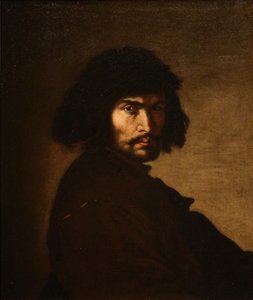
Salvador Rosa
1615 - 1673 , Italia
Datos clave
- Artistas Que Influyeron:
- Ribera
- Poussin
- Estilo Artístico: Barroco
- Fecha De Muerte: 15 de marzo de 1673
- Fecha De Nacimiento: 20 o 21 de junio de 1615
- Influencia En Artistas: ['Luca Giordano']
- Lugar De Nacimiento: Arenella, Italia
- Nacionalidad: Italiana
- Nombre Completo: Salvator Rosa
- Obras Notables:
- Pitágoras emergiendo del inframundo
- El bautismo del eunuco
Artículos relacionados
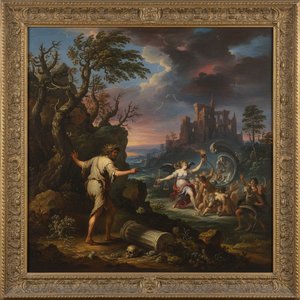
Salvator Rosa: A Baroque Rebel's Vision of Landscape, Allegory & the Human Condition
Explore the captivating world of Salvator Rosa, a rebellious Baroque master. Discover his dramatic landscapes, allegorical paintings & lasting influence on Romanticism. Hand-painted reproductions available at ArtsDot.

Giclée Prints: Archival Quality & Aesthetic Nuances for the Discerning Collector
Explore the world of giclée prints with ArtsDot. Learn about archival quality, aesthetic nuances & investment potential. Expert guidance for discerning art collectors seeking museum-quality reproductions and lasting value.

The Enduring Legacy of Fine Art Prints: Technique, History & Aesthetic Impact
Explore the rich history & techniques of fine art prints. Discover investment potential, assess authenticity, and learn how to preserve your collection with expert guidance. Trusted insights for discerning collectors.

Drama Barroca: Llevando la Grandeza y la Emoción a los Interiores Contemporáneos
Descubre cómo el drama y la grandeza del arte barroco pueden transformar tus interiores. Guía experta, inspiración y reproducciones de alta calidad en .

Echoes of Time: Exploring the Enduring Appeal & Historical Context of Vintage Art Prints
Explore the captivating world of vintage art prints! Discover their history, collecting tips & enduring appeal. Expert insights on chromolithography and building a legacy collection with ArtsDot.