 Ver en contexto
 Enviar
 Compartir
 Detalles

 Descargar
 Similares
 Radiografía
 Presentación de diapositivas
 Stats
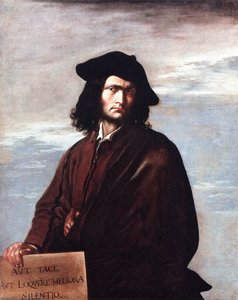
StatsYouth with An Effigy of Diana of Ephesus


 Ver más
Reproducción al óleo hecha a mano
Óleo sobre lienzo pintado a mano en el tamaño y marco de su elección, realizado por encargo por nuestros artistas. ( Switch to Print Switch to Digital Image)




P118B $10

P118H $10

P118W $10

P438Z $10

P508JH $12

P508YH $12

P805H $10

P805Z $10

P919BZ $10

P919G $10

P919XJ $10

P959ZH $10

P968JZ $12

W106C $8

W218G $10

W218JH $8

W218Y $10

W307PJ $10

W316G $10

W316PJ $8

W316Y $10

W398PJ $8

W4111J $10

W500HY $15

W500JH $15

W692G $12

W849H $8

W940BG $15

W953PJ $8




Elija entre nuestros tamaños predefinidos que respetan las proporciones originales de la obra.

Puede ingresar sus propias dimensiones para adaptarse a un marco o espacio específico. Si el tamaño seleccionado no coincide con las proporciones de la imagen original, recortaremos la obra o extenderemos la pintura con elementos adicionales pintados a mano. Se le enviará una maqueta digital para su aprobación antes de comenzar la producción.
Tenga en cuenta que la vista previa en pantalla no refleja el recorte o la extensión reales. Solo la maqueta mostrará con precisión la composición final.
Si bien existen tamaños personalizados, recomendamos seleccionar una dimensión de la lista predefinida para preservar las proporciones originales.
Tras realizar el pedido, el equipo de ArtsDot.com enviará un correo electrónico al cliente para solicitar instrucciones y proporcionarle una vista previa del boceto.
Envío a todo el mundo () en 3-4 semanas en lugar de las 5 semanas estándar. (8 septiembre). Sin comprometer la calidad.

Envío exprés gratuito a todo el mundo

Lienzo de lino de alta calidad

Seguro de envío total

Garantía de reembolso de impuestos aduaneros

Garantía de fidelidad cromática exacta

Política de devolución de 100 días (solo por defectos)

Garantía de devolución del 100% del dinero

Descuento por cantidad
 La opción de vidrio solo está disponible en tamaños inferiores a 110 cm.

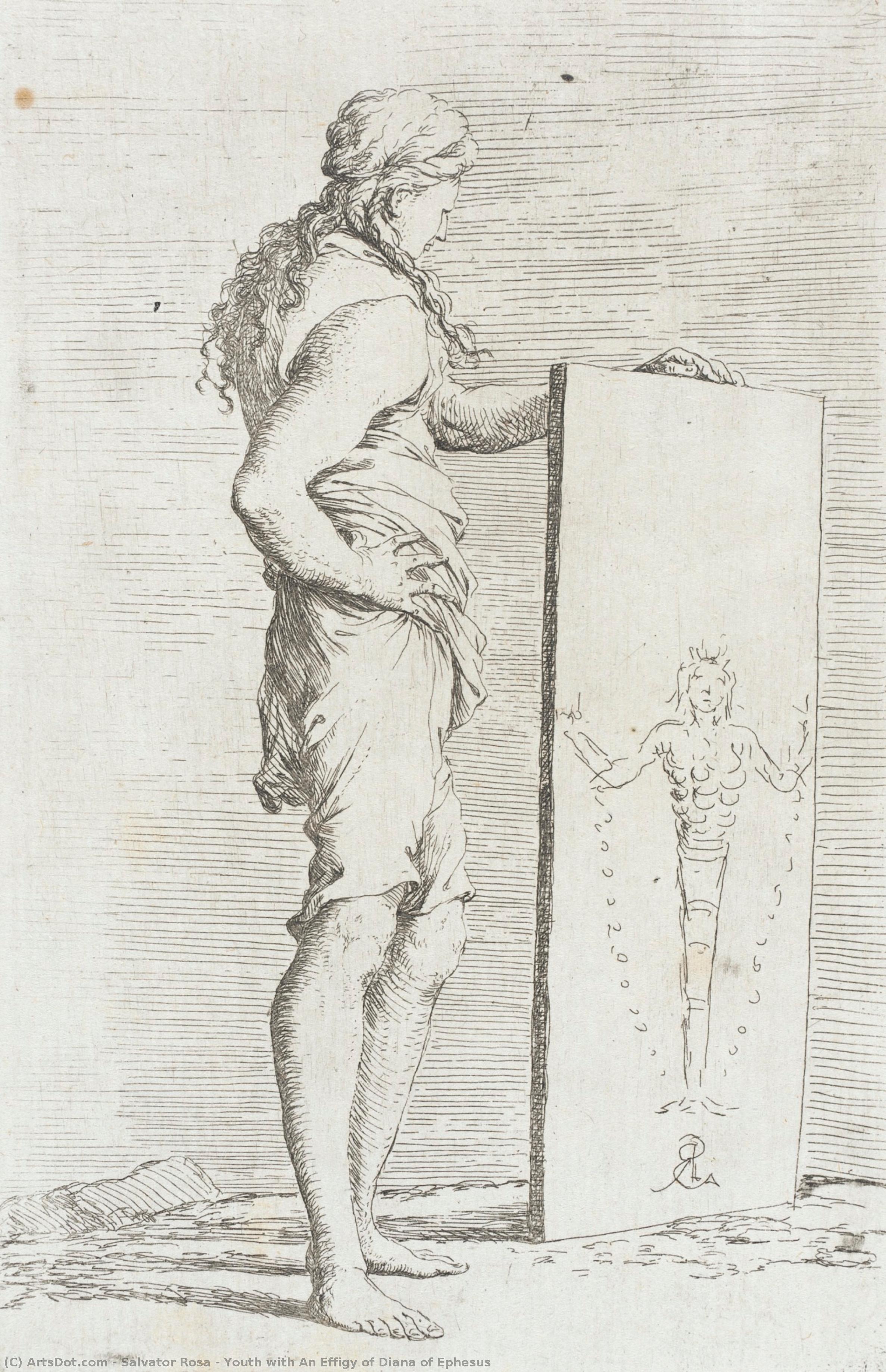
Youth with An Effigy of Diana of Ephesus
Técnica de reproducción
Dimensiones de la reproducción
-


Precio total final
$ 263
Salvator Rosa’s “Youth with an Effigy of Diana of Ephesus”: A Baroque Meditation on Myth and Mortality
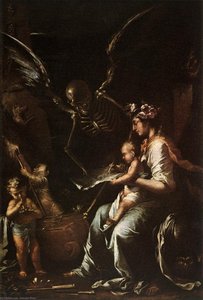
Salvator Rosa's "Youth with an Effigy of Diana of Ephesus," painted in 1657, is not merely a portrait; it’s a carefully constructed tableau brimming with symbolic weight and the quiet intensity characteristic of the late Baroque period. The painting immediately draws the eye to its central figure – a young man, rendered in exquisite detail against a subtly textured background – who stands poised before an intricately sculpted representation of Diana, the Roman goddess of the hunt, wilderness, and the moon. This isn’t a scene of heroic action or dramatic narrative; instead, it's a moment of contemplative observation, inviting us to ponder the relationship between youth, mythology, and perhaps even mortality itself.
Rosa masterfully employs the techniques honed during his extensive training in Naples and Rome. The composition is dominated by strong vertical lines, mirroring the rectangular panel upon which Diana’s effigy rests. This deliberate structure lends a sense of formality and gravitas to the scene. Hatching and cross-hatching are used with remarkable precision to create subtle gradations of light and shadow, imbuing the figures with a palpable three-dimensionality. The artist's use of line is particularly noteworthy; it’s not simply delineating forms but actively shaping the viewer’s perception, guiding their gaze across the canvas.
The Goddess and Her Symbolism
Diana, depicted here in a strikingly realistic style—a departure from the idealized representations common in earlier classical art—is far more than just a mythological figure. She embodies fertility, protection, and the untamed forces of nature. The multiple breasts adorning her sculpted form are a potent symbol of abundance and nourishment, directly referencing Diana’s role as the protector of women and children. Her gaze is averted, suggesting introspection or perhaps a quiet sadness—a common theme in Rosa's work, often reflecting on the transience of beauty and life.
The choice of Diana herself carries significant weight within the context of 17th-century Italy. The goddess was deeply intertwined with Roman religious practices, particularly those associated with the Aventine Hill in Rome, a site considered sacred to her. Rosa’s depiction subtly echoes this ancient connection, grounding the scene in a rich tapestry of historical and mythological references. The inclusion of the effigy on a rectangular panel further reinforces this connection to classical art and tradition.
A Portrait of Contemplation
The young man before Diana is equally enigmatic. He’s dressed in the attire of a Roman youth, suggesting a connection to the ideals of civic virtue and military prowess—values highly prized during the Baroque era. However, his posture – slightly turned away from the viewer, with a thoughtful expression – hints at a deeper introspection. He isn't actively engaging with Diana; rather, he’s observing her, perhaps contemplating her role in the cycle of life and death, or reflecting on his own place within the grand scheme of things.
Rosa skillfully uses light to heighten this sense of contemplation. A strong directional light source illuminates the youth's face and upper body, casting subtle shadows that define his form and create a sense of depth. This dramatic lighting is characteristic of Baroque painting, designed to evoke emotion and draw the viewer’s attention to key elements within the composition.
Historical Context and Artistic Legacy
"Youth with an Effigy of Diana of Ephesus" was created during a period of significant artistic and political upheaval in Italy. The Counter-Reformation had just concluded, and the Catholic Church was actively seeking to reassert its authority through art and architecture. Rosa’s work reflects this dynamic—a blend of classical influences, religious symbolism, and personal expression. His willingness to depict human figures with unflinching realism, coupled with his masterful use of technique, established him as one of the most important artists of the Baroque period.
Reproductions of this captivating artwork offer a remarkable opportunity to bring Rosa’s profound meditations on myth, mortality, and the human condition into your own space. The painting's rich textures, dramatic lighting, and evocative symbolism will undoubtedly add depth and intrigue to any interior design scheme, serving as a timeless reminder of the enduring power of art.
Obras relacionadas
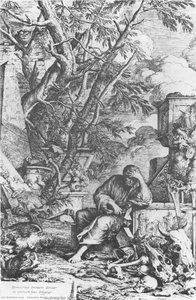
Biografía del artista
Vida temprana y formación
Salvator Rosa, pintor barroco italiano, poeta e grabador, nació en Arenella, Nápoles, el 20 de junio o el 21 de julio de 1615. Su madre, Giulia Greca Rosa, pertenecía a una de las familias griegas de Sicilia. A pesar de los deseos de su padre de que se convirtiera en abogado o sacerdote, Salvator demostró una preferencia por las artes desde temprana edad.Trayectoria artística
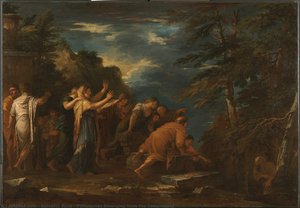
La carrera artística de Salvator Rosa se caracterizó por su estilo poco ortodoxo y extravagante, lo que lo diferenciaba de sus contemporáneos. Estuvo activo en Nápoles, Roma y Florencia, y su obra estuvo influenciada por el naturalismo de Ribera y el clasicismo de Poussin. Sin embargo, se negó a ser atado por ningún estilo o movimiento particular.- Pitágoras emergiendo del inframundo (Museo de Arte Kimball, Fort Worth, Estados Unidos), una de sus obras más famosas, muestra su mezcla única de temas filosóficos y artísticos.
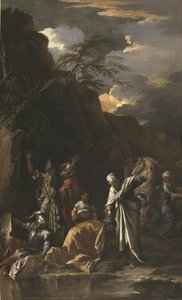
- Su obra El bautismo del eunuco (Museo de Arte Chrysler, Norfolk, Estados Unidos) demuestra su capacidad para infundir un alto dramatismo incluso en historias bíblicas menores.
Influencias y legado
La obra de Salvator Rosa tuvo un impacto significativo en el desarrollo del arte barroco. Su influencia puede verse en las obras de artistas posteriores, como Luca Giordano, que continuó superando los límites de la expresión artística.Enlaces importantes: Perfil de Salvator Rosa en ArtsDot Wikipedia: Salvator Rosa Pitágoras emergiendo del inframundo en ArtsDotDesarrollo y logros importantes
Rosa se distinguió por su enfoque único de los paisajes, a menudo representando escenas salvajes e indómitas que contrastaban con las vistas clásicas idealizadas de artistas como Claude Lorrain. Sus obras no solo mostraban la naturaleza en su estado más crudo, sino que también exploraban temas filosóficos y morales. Aunque sus habilidades técnicas a veces fueron criticadas, su originalidad e innovación artística eran innegables. Su capacidad para combinar elementos de la historia, la mitología y la filosofía en sus pinturas lo convirtió en una figura singular dentro del arte barroco.Significado histórico
La vida y obra de Salvator Rosa continúan fascinando a los amantes del arte e historiadores por igual. Su estilo poco ortodoxo y su rebelión perpetua contra las normas de su tiempo han cimentado su lugar en la historia del arte barroco. Se le considera un precursor del movimiento romántico, influyendo en artistas posteriores con su visión apasionada y dramática de la naturaleza y la condición humana. El Museo de Arte Kimball y el Museo de Arte Chrysler son instituciones que albergan importantes obras de Rosa.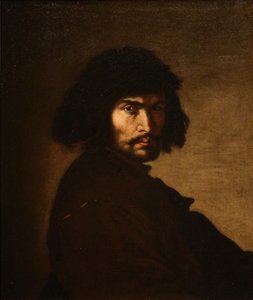
Salvador Rosa
1615 - 1673 , Italia
Datos clave
- Artistas Que Influyeron:
- Ribera
- Poussin
- Estilo Artístico: Barroco
- Fecha De Muerte: 15 de marzo de 1673
- Fecha De Nacimiento: 20 o 21 de junio de 1615
- Influencia En Artistas: ['Luca Giordano']
- Lugar De Nacimiento: Arenella, Italia
- Nacionalidad: Italiana
- Nombre Completo: Salvator Rosa
- Obras Notables:
- Pitágoras emergiendo del inframundo
- El bautismo del eunuco
Artículos relacionados

El Aguafuerte: Un Recorrido Histórico por su Técnica, Cualidades Estéticas y Significado Duradero
Descubre la fascinante historia y técnica del aguafuerte. Explora su evolución artística, los maestros que lo dominaron y sus cualidades estéticas únicas. Guía experta para amantes del arte.
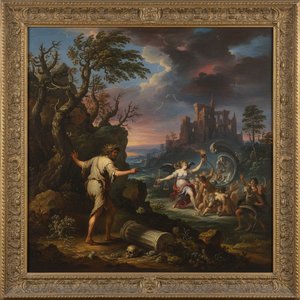
Salvator Rosa: A Baroque Rebel's Vision of Landscape, Allegory & the Human Condition
Explore the captivating world of Salvator Rosa, a rebellious Baroque master. Discover his dramatic landscapes, allegorical paintings & lasting influence on Romanticism. Hand-painted reproductions available at ArtsDot.

The Intricate World of Etching: A Historical Survey of Technique, Aesthetic Evolution, and Enduring Artistic Impact
Explore the rich history of etching, from its origins to modern practice. Discover techniques, key artists like Rembrandt, and insights for collectors. A comprehensive guide by ArtsDot.

Drama Barroca: Llevando la Grandeza y la Emoción a los Interiores Contemporáneos
Descubre cómo el drama y la grandeza del arte barroco pueden transformar tus interiores. Guía experta, inspiración y reproducciones de alta calidad en .

Las 10 Grabados Legendarios que Revolucionaron el Arte | ArtsDot
Descubre los 10 grabados legendarios que transformaron la historia del arte. Explora las obras maestras de Rembrandt, Goya y Dürer. Encuentra reproducciones de alta calidad e inspírate para decorar tu hogar con arte clásico en ArtsDot.com.