

 Enviar
 Compartir
 Detalles

 Descargar
 Similares
 Presentación de diapositivas
Nyau Cinema


 Ver más
Giclée / Impresión de arte
Impresiones giclée o en lienzo de calidad de museo con producción rápida y opciones de acabado flexibles. ( Comprar pintura hecha a mano Comprar imagen)




































Elija entre nuestros tamaños predefinidos que respetan las proporciones originales de la obra.

Puede introducir sus propias dimensiones para adaptarse a un marco o espacio específico. Si el tamaño seleccionado no coincide con las proporciones de la imagen original, recortaremos la obra de arte o extenderemos la imagen con un borde con efecto espejo o de color sólido. Se enviará una maqueta digital para su aprobación antes de que comience la producción.
Tenga en cuenta que la vista previa en pantalla no refleja el recorte o la extensión real. Solo la maqueta mostrará con precisión la composición final.
Aunque existen tamaños personalizados, recomendamos seleccionar una dimensión de la lista predefinida para preservar las proporciones originales.
Envío a todo el mundo () en 2 semanas en lugar de las 4/5 semanas estándar. (27 agosto)

Envío exprés gratuito a todo el mundo

Lienzo de lino de alta calidad

Seguro de envío total

Garantía de reembolso de impuestos aduaneros

Garantía de fidelidad cromática exacta

Política de devolución de 60 días (solo por defectos)

Garantía de devolución del 100% del dinero

Descuento por cantidad
 La opción de vidrio solo está disponible en tamaños inferiores a 110 cm.

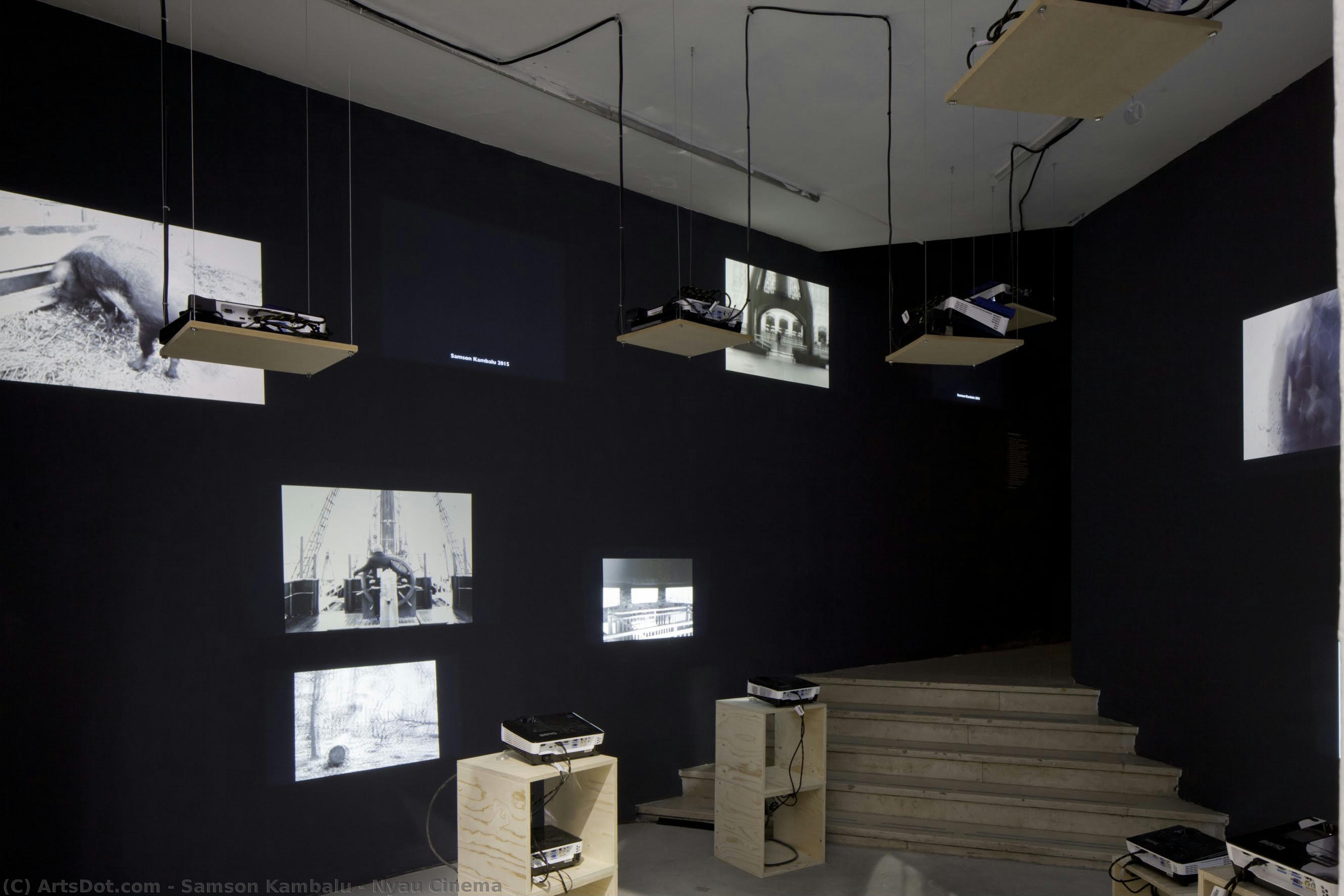
Nyau Cinema
Giclée / Impresión de arte
Dimensiones de la reproducción
-


Precio total final
$ 62
Descripción de la pieza
Samson Kambalu’s “Nyau Cinema”: A Performance of Memory and Play
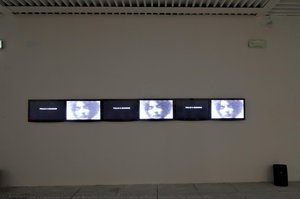
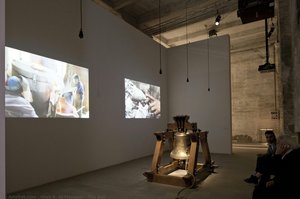
Within the dimly lit confines of a contemporary gallery space, Samson Kambalu's "Nyau Cinema" emerges not merely as an installation, but as a portal – a carefully constructed invitation to explore the layered histories and vibrant cultural traditions of Malawi. The work, presented in 2015 at the Venice Biennale and subsequently exhibited globally, is a compelling synthesis of film, photography, and performance, deeply rooted in the Nyau masquerade culture of Kambalu’s homeland. It's an experience that simultaneously evokes a sense of ancient ritual and the immediacy of modern digital expression.
At its core, “Nyau Cinema” is built upon the concept of *nyau*, a complex and deeply symbolic form of performance art originating in the Chewa people of Malawi. Traditionally, Nyau involves elaborate costumes, masks, music, and dance – a theatrical spectacle designed to honor ancestors, celebrate life transitions, and grapple with profound social and spiritual questions. Kambalu’s adaptation of this tradition into cinematic form is remarkably astute; he doesn't simply replicate the rituals but uses them as a framework for exploring themes of identity, memory, and the relationship between past and present. The short film clips, presented in a series of carefully arranged projections, are not static images but fragments of movement, gesture, and expression – glimpses into a world both familiar and profoundly strange.
The Visual Language: Minimalism and Fragmented Narrative
The visual presentation of “Nyau Cinema” is deliberately restrained. The gallery space itself is dominated by dark walls and ceilings, creating an atmosphere of contemplative isolation. Rectangular projections – some starkly monochrome, others subtly tinted with color – are suspended at varying heights, generating a dynamic interplay of light and shadow. These aren’t grand, sweeping vistas; instead, they offer intimate, almost claustrophobic views of everyday actions: a hand reaching out, a face turning towards the camera, a fleeting expression of joy or sorrow. The floor is covered in dark wooden planks or crates, adding to the sense of groundedness and materiality.
The use of geometric shapes – straight lines of the ceiling and walls, and the precise rectangles of the projections – provides a subtle counterpoint to the organic forms of the Nyau tradition. This juxtaposition speaks to Kambalu’s ability to synthesize seemingly disparate elements into a cohesive and intellectually stimulating work. The overall effect is one of controlled chaos, mirroring the complexity of cultural memory and the fragmented nature of experience.
Symbolism and Historical Context
The title itself, “Nyau Cinema,” hints at the central tension within the piece: the collision between ancient ritual and contemporary media. Kambalu’s work draws heavily on the Nyau tradition, particularly its association with ancestor veneration and social commentary. The "Holy Ball," a football covered in biblical pages, is a key element of this lineage, referencing the playful blasphemy at the heart of the Nyau performance – a deliberate subversion of religious authority through joyful participation. Furthermore, Kambalu’s incorporation of elements from German modernist art history, particularly the work of Friedrich Nietzsche and the Situationist International movement, adds another layer of intellectual complexity to the piece.
The reference to Gianfranco Sanguinetti's archives, appropriated and recontextualized within the installation, is a particularly poignant gesture. It speaks to issues of ownership, cultural appropriation, and the ongoing struggle for recognition and representation within the art world. Kambalu’s decision to present this letter as a “gift” – a deliberate act of generosity and defiance – underscores his commitment to challenging established power structures.
Emotional Resonance and Contemporary Relevance
“Nyau Cinema” is not simply an aesthetically pleasing installation; it's a deeply moving exploration of identity, memory, and the human condition. The film clips are imbued with a sense of melancholy and longing, yet they also radiate a palpable energy – a celebration of life, resilience, and the enduring power of cultural traditions. The work’s engagement with social media—its presentation as “interventions on social networking sites”—further amplifies its relevance in the 21st century, suggesting that memory and storytelling are increasingly mediated through digital platforms.
Ultimately, Samson Kambalu's "Nyau Cinema" is a testament to the transformative power of art – a work that invites us to reconsider our own histories, engage with diverse cultural perspectives, and embrace the complexities of the human experience. It’s an artwork that lingers in the mind long after you’ve left the gallery, prompting reflection on the ways we remember, represent, and ultimately, understand ourselves.
Obras relacionadas


Artículos relacionados
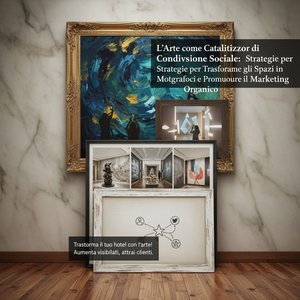
El Catalizador Estético: Aprovechando las Instalaciones Artísticas para el Compromiso de los Huéspedes y el Marketing Orgánico en Redes Sociales
Descubra cómo el arte transforma su hotel en una experiencia inolvidable. Estrategias expertas de curaduría, marketing y branding para atraer clientes y destacar online. ¡Eleve su identidad con ArtsDot!
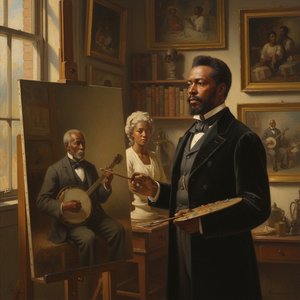
Henry Ossawa Tanner: Pioneering African American Representation in 19th-Century Art
Explore the life and groundbreaking work of Henry Ossawa Tanner, a pioneering African American artist who achieved international acclaim with his deeply spiritual and realistic paintings. Discover his legacy at ArtsDot.
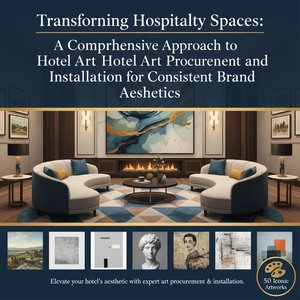
Transformando la Hospitalidad: Un Enfoque Integral para la Adquisición e Instalación de Arte Hotelero con Estética Consistente
Guía experta para transformar la hospitalidad con arte. Descubra cómo seleccionar, instalar y conservar obras que definan su hotel y cautiven a sus huéspedes. ¡Eleve su marca!
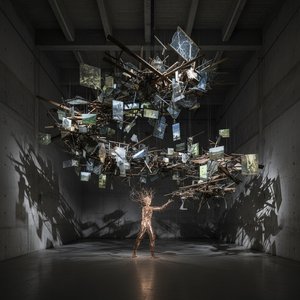
Richard Wilson: Deconstructing Landscape & Memory in Contemporary Installation Art
Explore Richard Wilson's groundbreaking landscape paintings & his enduring influence on contemporary installation art. Discover investment opportunities, provenance insights & the materiality of memory in this expert analysis.
Armonizando el Patrimonio: Un Enfoque Intercultural en la Decoración de Interiores con Reproducciones del Arte Asiático, Europeo y Africano
Descubre cómo integrar arte asiático, europeo y africano en tu hogar con reproducciones de alta calidad. Expertos en decoración intercultural para espacios únicos y llenos de significado. ¡Inspírate!

