

 Vista previa
 Compartir
 Compartir
 Ver detalles

 Descargar
 Ver similares
 Radiografía
 Presentación de diapositivas
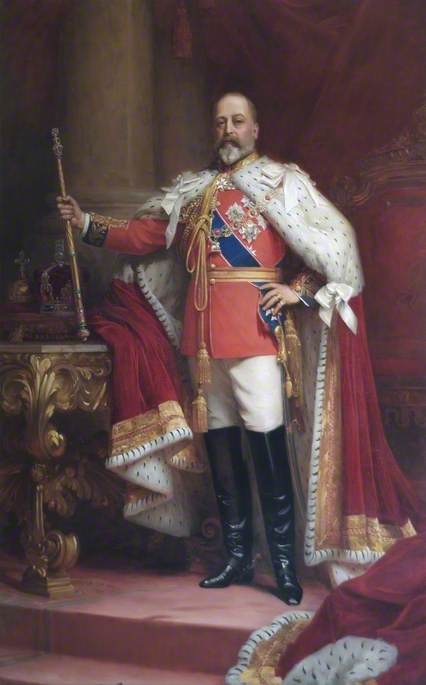
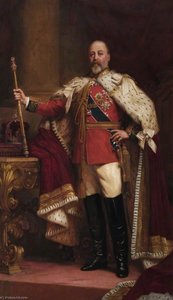
Edward VII (1841–1910)
 Oil On Canvas
- WallArt
- Social Realism
 1901
1901 259.0 x 216.0 cm
 Hospital y Archivo del Hospital de San Bartolomé
 Leer más
Adquiera una imagen digital de alta resolución y optimizada, muy superior a la vista previa en línea.
Cada archivo es preparado meticulosamente por nuestros especialistas internos mediante el uso de herramientas avanzadas y un experto retoque manual. Nos aseguramos de que cada imagen posea una claridad excepcional, una precisión cromática impecable y un detalle minucioso.
El archivo final se entrega por correo electrónico en un plazo de 72 horas, optimizado para su uso inmediato en entornos profesionales, editoriales y de impresión. Esta es la misma calidad en la que confían los estudios de diseño, las editoriales y las galerías de primer nivel.
Imagen Digital
Descarga un archivo de alta resolución para exhibición personal, impresión y proyectos creativos. ( Pedir impresión Encargar reproducción pintada a mano)
Incluido en cada compra de imágenes digitales
Entrega digital experta, garantizada.
Al elegir ArtsDot.com, no solo está adquiriendo una imagen; está recibiendo una obra de arte digital mejorada profesionalmente, elaborada con precisión y respaldada por una garantía de satisfacción. Esto es todo lo que incluye su pedido, automáticamente:

Entrega rápida por email
Recibirá su archivo de imagen digital en alta resolución por correo electrónico en un plazo de 72 horas tras realizar su pedido, listo para su uso inmediato.

Archivo digital optimizado por IA
Su obra de arte se optimiza profesionalmente mediante herramientas avanzadas de IA y edición manual, garantizando el máximo detalle, claridad y precisión cromática.

Reenvío gratuito de por vida
¿Has borrado o perdido tu archivo por error? No te preocupes: te lo volveremos a enviar en cualquier momento, sin coste adicional.

Sin gastos de importación, siempre
Disfrute de su obra de arte al instante sin aduanas, aranceles ni gastos de envío; las descargas digitales siempre están libres de impuestos.

Garantía de precisión de color
Garantizamos que su imagen digital refleje los colores originales con la mayor fidelidad posible, mediante el uso de herramientas profesionales y gestión del color.

Garantía de satisfacción de 60 días
Si no está satisfecho con su imagen digital, la revisaremos o le reembolsaremos el 100% en un plazo de 60 días, sin preguntas.

100% Garantía de devolución de dinero
¿No está satisfecho? Obtenga un reembolso completo dentro de los 60 días posteriores a la recepción de su archivo digital, sin necesidad de explicaciones.

Descuentos por volumen
Compra 3 imágenes, ahorra 10% - Compra 5, ahorra 15% - Compra 10+, ahorra 20%. Ideal para proyectos creativos, galerías y agencias.
Descripción del coleccionable
A Regal Portrait: Samuel Luke Fildes’ Masterful Depiction of Edward VII
Samuel Luke Fildes' 1901 portrait of King Edward VII stands as more than just a royal likeness; it is a meticulously crafted tableau of power, tradition, and the quiet dignity of a monarch at the height of his reign. Commissioned during a period of significant imperial expansion and domestic reform, this oil-on-canvas masterpiece by the Victorian artist offers a profound glimpse into the sensibilities of Edward VII’s court and the evolving role of the British monarchy. Fildes, known for his keen observation of social realities alongside his formal portraiture, expertly balances realism with symbolic representation, creating an image that resonates both historically and aesthetically.
The painting immediately commands attention through its carefully orchestrated composition. Centered within a richly detailed setting – a deep crimson curtain hinting at the grandeur of Buckingham Palace – stands Edward VII himself. His posture is one of measured authority, his gaze direct yet not confrontational, suggesting a thoughtful presence rather than overt dominance. The strategic placement of the scepter in his right hand and the crown subtly visible behind him powerfully reinforce his sovereignty, while the table laden with royal regalia—crowns, sceptres, and other ceremonial objects—underscores the weight of his office and the continuity of British tradition.
A Symphony of Color and Texture
Fildes’ masterful use of color is central to the painting's impact. The palette is dominated by deep reds, opulent golds, crisp whites, and grounding blacks – a combination that evokes both regal splendor and understated formality. The vibrant red tunic worn by the King contrasts beautifully with the intricate gold embroidery adorning his attire, while the white fur trim adds a touch of luxurious softness. Beyond color, Fildes demonstrates remarkable technical skill in rendering texture. From the smooth sheen of the scepter to the plushness of the fur and the subtle folds of the curtain, each element is depicted with meticulous detail, inviting the viewer to almost reach out and feel the richness of the scene.
The lighting plays a crucial role in shaping the painting’s mood. A soft, diffused light source from the left illuminates the King's face, highlighting his features and creating subtle shadows that define form and depth. This careful manipulation of light not only enhances the realism of the portrait but also contributes to its overall sense of gravitas and solemnity.
Symbolism and Historical Context
Beyond its aesthetic qualities, the portrait is rich in symbolism. The scepter, a potent emblem of sovereignty, firmly establishes Edward VII’s authority. The crown, prominently displayed, represents his kingship and the enduring legacy of the British monarchy. The inclusion of royal regalia speaks to the continuity of tradition and the importance of ceremony within the realm. Considering the painting's creation in 1901, it reflects a period of significant social and political change in Britain – the dawn of the Edwardian era, marked by imperial expansion, technological advancements, and growing calls for reform.
Further research reveals that this portrait was part of a series commissioned to commemorate the King’s coronation. The meticulous attention to detail and the formal style reflect the prevailing artistic conventions of the time, yet Fildes imbues the image with a remarkable sense of immediacy and human presence. The painting's creation coincided with a period when Victorian values were being re-evaluated, and the monarchy was grappling with its role in a rapidly changing world.
A Timeless Masterpiece – Available as a High-Quality Reproduction
Samuel Luke Fildes’ portrait of Edward VII is a testament to his artistic skill and his ability to capture the essence of a historical figure. Its enduring appeal lies not only in its technical brilliance but also in its evocative portrayal of power, tradition, and human dignity. Today, this iconic image can be experienced anew through meticulously crafted hand-painted reproductions – a perfect addition to any art collection or a striking centerpiece for interior design. The reproduction faithfully captures the painting’s rich colors, intricate details, and profound emotional impact, allowing you to bring this timeless masterpiece into your home.
Obras relacionadas



Biografía del artista
Primeros Años y Formación
- Nacimiento: Liverpool, Reino Unido, 3 de octubre de 1843
- Fallecimiento: 28 de febrero de 1927 (a los 83 años)
- Antecedentes Familiares: Nieto de la activista política Mary Fildes. Su padre era marinero y agente de envíos.
- Educación Temprana: Asistió a la Escuela de Arte de Warrington en 1860.
- Formación Formal: Estudió en las Escuelas South Kensington (posteriormente Royal College of Art) y de la Royal Academy, comenzando en 1865. Conoció a Hubert von Herkomer y Frank Holl durante este tiempo.
- Influencias: Fuertemente influenciado por Frederick Walker, un líder del movimiento realista social en Gran Bretaña.
Carrera como Ilustrador y Comentarista Social
- Primeros Trabajos para *The Graphic*: Se unió al personal del periódico ilustrado semanal *The Graphic* en 1869, editado por William Luson Thomas.
- Realismo Social: Adoptó un estilo realista social para representar la pobreza y la injusticia, alineándose con la dirección editorial de *The Graphic*.
- Ilustraciones para Charles Dickens: Fue comisionado por Charles Dickens para ilustrar *El Misterio de Edwin Drood* después de que una ilustración de Fildes de la silla vacía de Dickens tras su muerte ganó amplio reconocimiento.
- Ilustraciones Notables: Creó ilustraciones para otras publicaciones periódicas como el *Sunday Magazine*, *The Cornhill Magazine* y *The Gentleman's Magazine*.
- "Sin Hogar y Hambrientos": Una significativa xilografía publicada en *The Graphic* que representaba a personas sin hogar buscando refugio, lo cual llamó la atención de Dickens.
Transición a la Pintura y Desarrollo Artístico
- Cambio a la Pintura al Óleo: En 1870, Fildes abandonó la ilustración para centrarse en la pintura al óleo.
- Ascenso como Pintor: Se reconoció como uno de los pintores ingleses líderes de su tiempo.
- Obras Clave: Pinturas notables incluyen *El Pabellón Casual* (1874), *El Viudo* (1876), *La Boda del Pueblo* (1883), *Un Retrato al Aire Libre* (1889) y *El Doctor* (1891).
- Escenas Venecianas: Pintó numerosas escenas de la vida veneciana.
- Retratismo: Creó muchos retratos notables, incluyendo los que conmemoraban la coronación del rey Eduardo VII y la reina Alexandra.
Reconocimiento y Vida Posterior
- Membresía en la Royal Academy: Fue elegido Asociado de la Royal Academy (A.R.A.) en 1879 y Académico Real (R.A.) en 1887.
- Caballería: Fue nombrado caballero por el rey Eduardo VII en 1906.
- Orden del Mérito: Fue designado Caballero Comendador de la Orden Victoriana Real (KCVO) por el rey Jorge V en 1918.
- Pseudónimo "Elf": Produjo caricaturas para *Vanity Fair* bajo el seudónimo “Elf”.
- Escuela Neo-Veneciana: Se le considera un líder de la escuela neo-veneciana junto con Henry Woods.
- Vida Familiar: Se casó con Fanny Woods (hermana de Henry Woods) en 1874. Tuvieron dos hijos, Philip y Sir Paul Fildes (un eminente científico).
Significado Histórico y Legado
- Comentario Social: Su obra a menudo abordaba temas sociales, particularmente la pobreza y el sufrimiento de los menos afortunados, reflejando el activismo de su abuela.
- Influencia en Van Gogh: Su ilustración de la silla vacía de Dickens inspiró la pintura *La Silla Amarilla* de Vincent van Gogh.
- "El Doctor": Esta icónica pintura se utilizó en una campaña de 1949 de la Asociación Médica Americana contra la atención médica nacionalizada, destacando el poder de su arte para influir en la opinión pública.
- Impacto Duradero: El estilo realista y el comentario social de Fildes contribuyeron significativamente al arte victoriano y continúan resonando con el público actual.
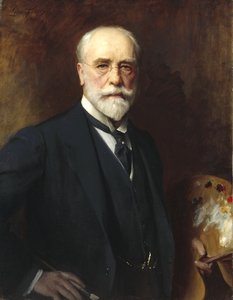
Samuel Luke Fildes
1843 - 1927 , Reino Unido
Datos clave
- Artistas Que Influyeron: ['Frederick Walker']
- Fecha De Fallecimiento: 28 de febrero de 1927
- Fecha De Nacimiento: 3 de octubre de 1843
- Influenciado Por: ['Vincent van Gogh']
- Lugar De Nacimiento: Liverpool, Reino Unido
- Movimiento Artístico: Realismo social
- Nacionalidad: Británico
- Nombre Completo: Sir Samuel Luke Fildes
- Obras Notables:
- The Casual Ward
- The Widower
- La boda aldeana
- An Al Fresco Toilette
- El Doctor

