 Ver en contexto
 Enviar
 Compartir
 Detalles

 Descargar
 Similares
 Radiografía
 Presentación de diapositivas
Fanny, Lady Fildes
 Acrylic On Canvas
- WallArt
- Social Realism
 1887
1887 144.0 x 97.0 cm
 Galería de Arte Walker
 Ver más
Reproducción al óleo hecha a mano
Óleo sobre lienzo pintado a mano en el tamaño y marco de su elección, realizado por encargo por nuestros artistas. ( Comprar impresión Comprar imagen)




P118B $10

P118H $10

P118W $10

P438Z $10

P508JH $12

P508YH $12

P805H $10

P805Z $10

P919BZ $10

P919G $10

P919XJ $10

P959ZH $10

P968JZ $12

W106C $8

W218G $10

W218JH $8

W218Y $10

W307PJ $10

W316G $10

W316PJ $8

W316Y $10

W398PJ $8

W4111J $10

W500HY $15

W500JH $15

W692G $12

W849H $8

W940BG $15

W953PJ $8




Elija entre nuestros tamaños predefinidos que respetan las proporciones originales de la obra.

Puede ingresar sus propias dimensiones para adaptarse a un marco o espacio específico. Si el tamaño seleccionado no coincide con las proporciones de la imagen original, recortaremos la obra o extenderemos la pintura con elementos adicionales pintados a mano. Se le enviará una maqueta digital para su aprobación antes de comenzar la producción.
Tenga en cuenta que la vista previa en pantalla no refleja el recorte o la extensión reales. Solo la maqueta mostrará con precisión la composición final.
Si bien existen tamaños personalizados, recomendamos seleccionar una dimensión de la lista predefinida para preservar las proporciones originales.
Tras realizar el pedido, el equipo de ArtsDot.com enviará un correo electrónico al cliente para solicitar instrucciones y proporcionarle una vista previa del boceto.
Envío a todo el mundo () en 3-4 semanas en lugar de las 5 semanas estándar. (28 agosto). Sin comprometer la calidad.

Envío exprés gratuito a todo el mundo

Lienzo de lino de alta calidad

Seguro de envío total

Garantía de reembolso de impuestos aduaneros

Garantía de fidelidad cromática exacta

Política de devolución de 60 días (solo por defectos)

Garantía de devolución del 100% del dinero

Descuento por cantidad
 La opción de vidrio solo está disponible en tamaños inferiores a 110 cm.

Fanny, Lady Fildes
Técnica de reproducción
Dimensiones de la reproducción
-


Precio total final
$ 263
Samuel Luke Fildes’ “Fanny, Lady Fildes”: A Window into Victorian Society
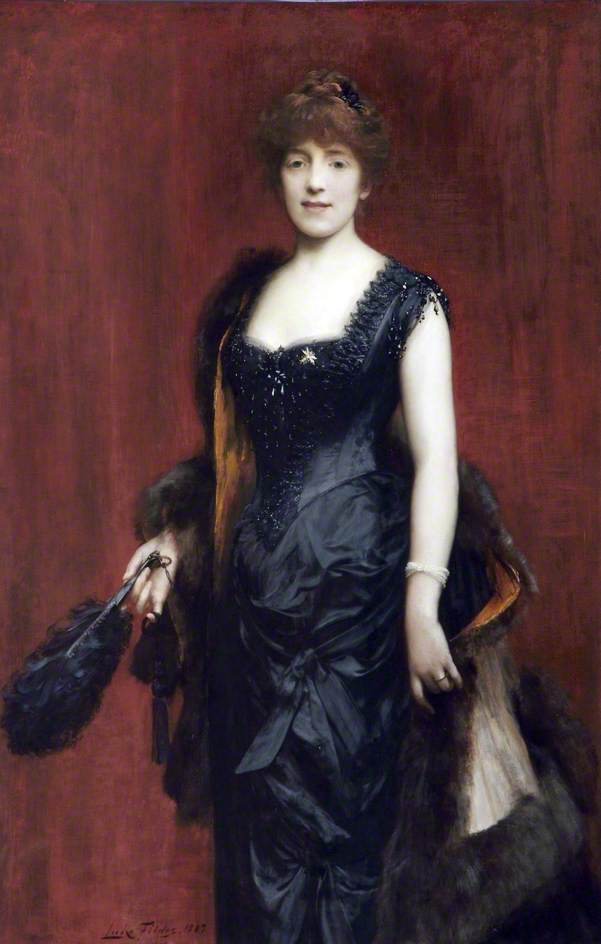
“Fanny, Lady Fildes,” painted in 1887 by Samuel Luke Fildes, is more than just a portrait; it's a meticulously crafted snapshot of Victorian society, brimming with social commentary and subtle emotional resonance. The painting depicts a woman – Fanny Fildes herself – standing against a stark red backdrop, an arrangement that immediately draws the eye and serves to isolate her within a world of quiet dignity. Fildes’ masterful use of realism, honed through his training at the Royal Academy Schools and influenced by the social realist movement championed by Frederick Walker, allows him to capture not just physical likeness but also the weight of experience etched upon Fanny's face. The painting isn’t merely decorative; it’s a carefully constructed narrative about class, gender roles, and the quiet struggles within the domestic sphere.
The composition itself is deliberately restrained. Fanny wears a simple yet elegant black dress with a beaded bodice and a luxurious fur stole draped across her shoulders – details that subtly hint at her social standing without resorting to overt displays of wealth. Her hair, styled in an updo typical of the era, frames a face marked by intelligence and a certain melancholy. The inclusion of a small black fan, held delicately in her right hand, adds a touch of formality and perhaps even a suggestion of restrained emotion. Notably, she’s not posed dramatically; instead, she stands with a quiet composure that speaks volumes about her inner strength.
The Context of Victorian Realism
Fildes' work emerged during a period of significant social change in Britain – the late 19th century. The Industrial Revolution had transformed society, creating vast wealth alongside widespread poverty and inequality. Artists like Fildes felt compelled to document these realities, moving beyond idealized depictions of beauty and nobility to portray the lives of ordinary people, particularly those marginalized by circumstance. His connection to Mary Fildes, his grandmother, a prominent political activist advocating for social reform, undoubtedly informed his empathetic approach to subjects.
The painting’s creation coincided with the rise of illustrated periodicals like *The Graphic*, where Fildes frequently contributed. These publications were instrumental in disseminating images that sparked public debate and encouraged charitable action. “Fanny, Lady Fildes” was commissioned by Sir Henry Tate, a wealthy industrialist and art collector, for a gift to the nation – a testament to the painting’s perceived value as a reflection of Victorian ideals and social consciousness. The choice of red as the background is particularly significant; it's a bold, almost confrontational color that immediately draws attention to the subject and creates a sense of isolation.
Symbolism and Emotional Depth
Beyond its surface realism, “Fanny, Lady Fildes” is rich in symbolic meaning. The red background can be interpreted as representing both passion and danger – perhaps reflecting the challenges and complexities faced by women within Victorian society. Fanny’s gaze, direct and unwavering, suggests a quiet resilience and an awareness of her position within the social hierarchy. The subtle details—the beaded bodice, the fur stole, the fan—all contribute to a portrait that is both elegant and subtly poignant.
Interestingly, the painting doesn't offer a grand narrative or dramatic event. Instead, it focuses on the quiet dignity of an individual woman within her domestic sphere. This understated approach is precisely what makes “Fanny, Lady Fildes” so compelling – it invites viewers to contemplate the unspoken realities of Victorian life and to recognize the strength and complexity hidden beneath seemingly conventional appearances.
A Timeless Masterpiece: Reproduction Considerations
Reproductions of “Fanny, Lady Fildes” offer a remarkable opportunity to bring this significant work into any interior space. The painting’s rich colors, intricate details, and evocative composition translate beautifully to high-quality prints and canvases. When selecting a reproduction, consider the scale and framing options to ensure that it complements your existing décor and enhances the overall aesthetic of the room. The original's stark red background is particularly effective when paired with neutral tones or warm wood accents, creating a striking visual contrast.
Whether you’re an art enthusiast, a collector seeking a piece of Victorian history, or simply someone looking for a captivating work of art to adorn your home, “Fanny, Lady Fildes” remains a timeless masterpiece – a poignant reminder of the complexities and nuances of human experience within one of Britain's most fascinating eras.
Obras relacionadas

Biografía del artista
Primeros Años y Formación
- Nacimiento: Liverpool, Reino Unido, 3 de octubre de 1843
- Fallecimiento: 28 de febrero de 1927 (a los 83 años)
- Antecedentes Familiares: Nieto de la activista política Mary Fildes. Su padre era marinero y agente de envíos.
- Educación Temprana: Asistió a la Escuela de Arte de Warrington en 1860.
- Formación Formal: Estudió en las Escuelas South Kensington (posteriormente Royal College of Art) y de la Royal Academy, comenzando en 1865. Conoció a Hubert von Herkomer y Frank Holl durante este tiempo.
- Influencias: Fuertemente influenciado por Frederick Walker, un líder del movimiento realista social en Gran Bretaña.
Carrera como Ilustrador y Comentarista Social
- Primeros Trabajos para *The Graphic*: Se unió al personal del periódico ilustrado semanal *The Graphic* en 1869, editado por William Luson Thomas.
- Realismo Social: Adoptó un estilo realista social para representar la pobreza y la injusticia, alineándose con la dirección editorial de *The Graphic*.
- Ilustraciones para Charles Dickens: Fue comisionado por Charles Dickens para ilustrar *El Misterio de Edwin Drood* después de que una ilustración de Fildes de la silla vacía de Dickens tras su muerte ganó amplio reconocimiento.
- Ilustraciones Notables: Creó ilustraciones para otras publicaciones periódicas como el *Sunday Magazine*, *The Cornhill Magazine* y *The Gentleman's Magazine*.
- "Sin Hogar y Hambrientos": Una significativa xilografía publicada en *The Graphic* que representaba a personas sin hogar buscando refugio, lo cual llamó la atención de Dickens.
Transición a la Pintura y Desarrollo Artístico
- Cambio a la Pintura al Óleo: En 1870, Fildes abandonó la ilustración para centrarse en la pintura al óleo.
- Ascenso como Pintor: Se reconoció como uno de los pintores ingleses líderes de su tiempo.
- Obras Clave: Pinturas notables incluyen *El Pabellón Casual* (1874), *El Viudo* (1876), *La Boda del Pueblo* (1883), *Un Retrato al Aire Libre* (1889) y *El Doctor* (1891).
- Escenas Venecianas: Pintó numerosas escenas de la vida veneciana.
- Retratismo: Creó muchos retratos notables, incluyendo los que conmemoraban la coronación del rey Eduardo VII y la reina Alexandra.
Reconocimiento y Vida Posterior
- Membresía en la Royal Academy: Fue elegido Asociado de la Royal Academy (A.R.A.) en 1879 y Académico Real (R.A.) en 1887.
- Caballería: Fue nombrado caballero por el rey Eduardo VII en 1906.
- Orden del Mérito: Fue designado Caballero Comendador de la Orden Victoriana Real (KCVO) por el rey Jorge V en 1918.
- Pseudónimo "Elf": Produjo caricaturas para *Vanity Fair* bajo el seudónimo “Elf”.
- Escuela Neo-Veneciana: Se le considera un líder de la escuela neo-veneciana junto con Henry Woods.
- Vida Familiar: Se casó con Fanny Woods (hermana de Henry Woods) en 1874. Tuvieron dos hijos, Philip y Sir Paul Fildes (un eminente científico).
Significado Histórico y Legado
- Comentario Social: Su obra a menudo abordaba temas sociales, particularmente la pobreza y el sufrimiento de los menos afortunados, reflejando el activismo de su abuela.
- Influencia en Van Gogh: Su ilustración de la silla vacía de Dickens inspiró la pintura *La Silla Amarilla* de Vincent van Gogh.
- "El Doctor": Esta icónica pintura se utilizó en una campaña de 1949 de la Asociación Médica Americana contra la atención médica nacionalizada, destacando el poder de su arte para influir en la opinión pública.
- Impacto Duradero: El estilo realista y el comentario social de Fildes contribuyeron significativamente al arte victoriano y continúan resonando con el público actual.
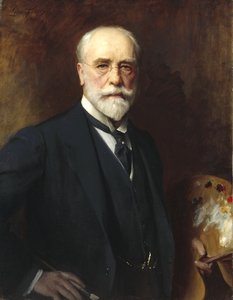
Samuel Luke Fildes
1843 - 1927 , Reino Unido
Datos clave
- Artistas Que Influyeron: ['Frederick Walker']
- Fecha De Fallecimiento: 28 de febrero de 1927
- Fecha De Nacimiento: 3 de octubre de 1843
- Influenciado Por: ['Vincent van Gogh']
- Lugar De Nacimiento: Liverpool, Reino Unido
- Movimiento Artístico: Realismo social
- Nacionalidad: Británico
- Nombre Completo: Sir Samuel Luke Fildes
- Obras Notables:
- The Casual Ward
- The Widower
- La boda aldeana
- An Al Fresco Toilette
- El Doctor
Artículos relacionados
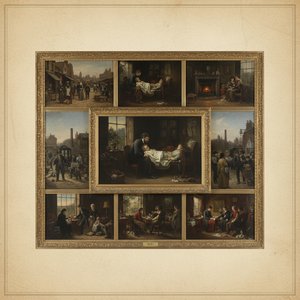
Samuel Luke Fildes: Capturing Victorian Life Through Narrative & Social Realism
Explore the poignant world of Samuel Luke Fildes, a master of Victorian Social Realism. Discover his iconic paintings like 'The Doctor' and delve into his artistic journey with ArtsDot.
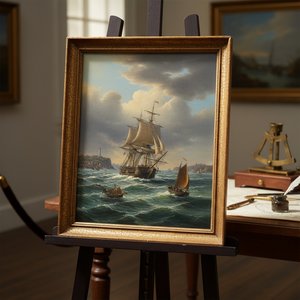
Samuel Walters: Capturing Victorian Maritime Life with Precision & Artistry
Explore the exquisite maritime paintings of Samuel Walters (1811-1882). Discover his mastery of detail, historical scenes & influence on Victorian art. Learn about collecting his works and find high-quality reproductions at ArtsDot.
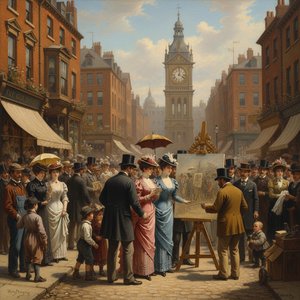
William Powell Frith: Narratives of Victorian Society & the Rise of Realist Painting
Explore the life & works of William Powell Frith, the 'greatest British painter of social scenes.' Discover his iconic Victorian genre paintings and learn about his lasting impact on realist art. Hand-painted reproductions available.
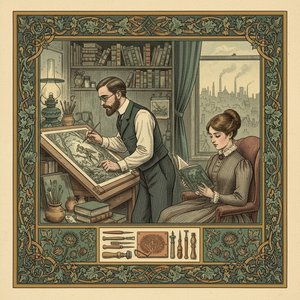
La Estética Refinada de la Ilustración Victoriana: Narrativa y Técnica en el Arte del Siglo XIX
Descubra la estética refinada de la ilustración victoriana y el impacto revolucionario de los Prerrafaelitas. Análisis profundo de técnicas, narrativa y simbolismo en el arte del siglo XIX.
Dante Gabriel Rossetti: Las 25 Obras Maestras del Prerrafaelismo | ArtsDot
Descubre las 25 obras maestras de Dante Gabriel Rossetti, el máximo exponente del Prerrafaelismo. Explora su simbolismo, retratos victorianos y la belleza femenina en lienzos inolvidables. Reproducciones de arte exclusivas en ArtsDot.com.