

 Ver en contexto
 Enviar
 Compartir
 Detalles

 Descargar
 Similares
 Radiografía
 Presentación de diapositivas
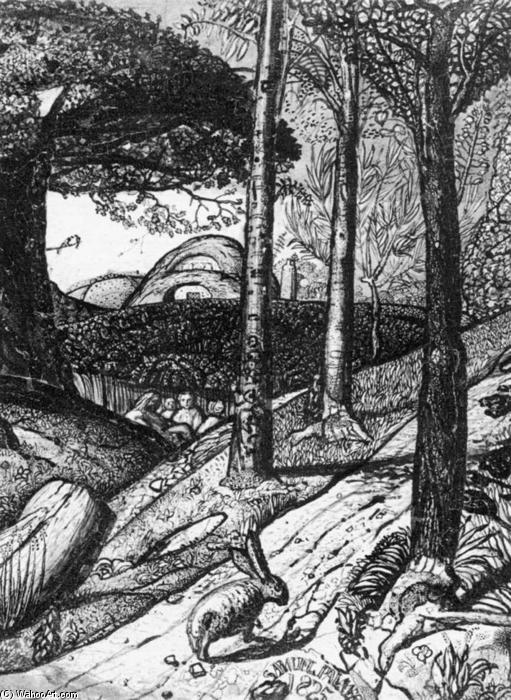
Early Morning (detail)


 Ver más
Giclée / Impresión de arte
Impresiones giclée o en lienzo de calidad de museo con producción rápida y opciones de acabado flexibles. ( Comprar pintura hecha a mano Comprar imagen)




P118B $10

P118H $10

P118W $10

P438Z $10

P508JH $12

P508YH $12

P805H $10

P805Z $10

P919BZ $10

P919G $10

P919XJ $10

P959ZH $10

P968JZ $12

W106C $8

W218G $10

W218JH $8

W218Y $10

W307PJ $10

W316G $10

W316PJ $8

W316Y $10

W398PJ $8

W4111J $10

W500HY $15

W500JH $15

W692G $12

W849H $8

W940BG $15

W953PJ $8




Elija entre nuestros tamaños predefinidos que respetan las proporciones originales de la obra.

Puede introducir sus propias dimensiones para adaptarse a un marco o espacio específico. Si el tamaño seleccionado no coincide con las proporciones de la imagen original, recortaremos la obra de arte o extenderemos la imagen con un borde con efecto espejo o de color sólido. Se enviará una maqueta digital para su aprobación antes de que comience la producción.
Tenga en cuenta que la vista previa en pantalla no refleja el recorte o la extensión real. Solo la maqueta mostrará con precisión la composición final.
Aunque existen tamaños personalizados, recomendamos seleccionar una dimensión de la lista predefinida para preservar las proporciones originales.
Envío a todo el mundo () en 2 semanas en lugar de las 4/5 semanas estándar. (28 agosto)

Envío exprés gratuito a todo el mundo

Lienzo de lino de alta calidad

Seguro de envío total

Garantía de reembolso de impuestos aduaneros

Garantía de fidelidad cromática exacta

Política de devolución de 60 días (solo por defectos)

Garantía de devolución del 100% del dinero

Descuento por cantidad
 La opción de vidrio solo está disponible en tamaños inferiores a 110 cm.

Early Morning (detail)
Giclée / Impresión de arte
Dimensiones de la reproducción
-


Precio total final
$ 62
Samuel Palmer’s “Early Morning”: A Vision of Tranquil Contemplation
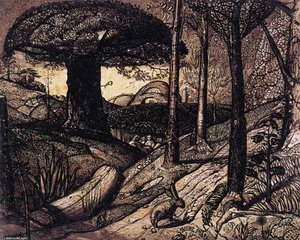
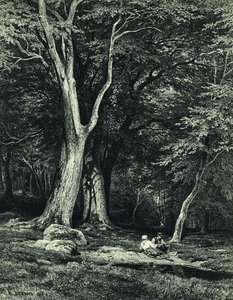
Samuel Palmer's "Early Morning (detail)," painted in 1825, isn’t merely a depiction of a woodland scene; it’s an immersion into a world steeped in Romantic sensibility and imbued with a profound sense of quiet contemplation. This exquisite engraving, now part of the Ashmolean Museum’s collection, offers a glimpse into the artist's uniquely personal vision of nature – a vision profoundly shaped by his encounters with William Blake and a deep yearning for spiritual connection.
The piece immediately draws the eye to the central figure of a rabbit, poised on a sun-dappled path, its presence acting as an anchor within the intricate tapestry of the forest. Beyond this focal point, the composition unfolds with a deliberate grace, utilizing linear perspective to create a believable depth that pulls the viewer into the heart of the woodland. The trees themselves – rendered in meticulous detail with hatching and cross-hatching techniques – aren’t simply static forms; they seem to breathe with an almost palpable stillness. The careful layering of lines suggests texture, inviting us to imagine the rough bark of ancient oaks and the yielding softness of moss beneath our feet.
A Romantic Palette and Precise Technique
Palmer's masterful command of engraving is evident in every line. The absence of color – a deliberate choice characteristic of the period – forces the viewer to engage with the artwork on a purely visual level, relying entirely on tonal variations and intricate detail to convey mood and atmosphere. The grayscale palette ranges from deep blacks that suggest shadow and mystery to delicate whites that illuminate patches of sunlight filtering through the foliage. The use of fine lines creates an astonishing sense of texture; one can almost feel the rough surface of a rock or the velvety softness of a rabbit’s fur.
Technically, “Early Morning” is a testament to Palmer's dedication to his craft. Engraving involved meticulously cutting intricate designs into a metal plate – typically copper or steel – before inking it and pressing it onto paper. This process demanded immense patience and precision, resulting in the remarkably detailed and refined surface of this artwork. The artist’s skill lies not just in replicating what he saw, but in translating his internal experience—his sense of wonder and connection to nature—into a tangible image.
Symbolism and the Spirit of Romanticism
Beyond its technical brilliance, “Early Morning” is rich with symbolic meaning. The rabbit, often associated with innocence and vulnerability, becomes a central emblem within the scene, perhaps representing humanity’s own connection to the natural world. The solitary figure observing the landscape in the distance could be interpreted as an artist—or indeed, any individual—engaging in a process of quiet contemplation and artistic observation. The overall mood is one of serene tranquility, yet there's also a subtle undercurrent of melancholy, reflecting the Romantic movement’s fascination with both beauty and the sublime.
The painting’s creation coincided with Palmer’s close association with William Blake, whose influence on his work is undeniable. Blake’s emphasis on visionary art and spiritual experience profoundly shaped Palmer's artistic sensibilities, leading him to explore themes of mythology, symbolism, and the interconnectedness of all things. “Early Morning” embodies this spirit—a testament to the power of art to transport us beyond the mundane and into a realm of heightened perception and emotional resonance.
A Legacy of Pastoral Vision
Samuel Palmer’s "Early Morning (detail)" stands as a poignant example of Romanticism's enduring appeal. Its meticulous detail, evocative atmosphere, and subtle symbolism continue to captivate viewers today. Reproductions of this artwork offer an opportunity to bring this vision of tranquil contemplation into any space, inviting the viewer to pause, reflect, and connect with the timeless beauty of the natural world.
Obras relacionadas

Biografía del artista
Early Life and the Seeds of Vision
Samuel Palmer, born in London in 1805, emerged from a world steeped in both intellectual curiosity and spiritual seeking. His father, a bookseller and Baptist minister, instilled in him a love for literature and a contemplative nature, while his early artistic inclinations manifested remarkably early – by the age of twelve, he was already diligently painting churches, demonstrating an innate talent for observation and detail. This precocious ability quickly gained recognition; at just fourteen years old, Palmer exhibited works inspired by J.M.W. Turner at the Royal Academy, signaling a promising start to his artistic journey. Though receiving limited formal training – a brief stint at Merchant Taylors' School offered little in the way of structured art education – his path was irrevocably altered by a pivotal encounter with William Blake in 1824, facilitated through the landscape painter John Linnell. This meeting proved transformative, as Blake’s visionary style and profound spiritual depth resonated deeply within Palmer, becoming a cornerstone of his artistic identity.The Shoreham Period: A Realm of Mystical Pastoral
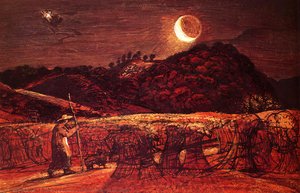
The years spent near Shoreham, Kent (1826-1835), represent the most intensely creative and distinctive phase of Samuel Palmer’s career. He purchased a humble cottage, affectionately nicknamed “Rat Abbey,” and it was here, amidst the rolling hills and ancient woodlands, that he forged his unique artistic voice. This period wasn't merely about depicting landscapes; it was about *transforming* them into realms of mystical beauty and spiritual resonance. Palmer’s Shoreham paintings are characterized by their evocative use of sepia tones, creating a sense of timelessness and melancholy, and often bathed in the ethereal glow of moonlight. These weren’t simply representations of nature but idealized visions, imbued with personal symbolism and a deep connection to the land. He wasn't alone in this pursuit; Palmer became associated with a group of like-minded artists known as “the Ancients,” including George Richmond and Edward Calvert, all drawn to Blake’s mystical leanings and seeking to revive a spiritual dimension within their art. This collective fostered an environment of shared ideas and mutual inspiration, solidifying Palmer's commitment to visionary pastoral painting. His distinctive style—characterized by luminous washes of color over textured surfaces—captured the sublime grandeur of the English countryside while simultaneously conveying profound emotional depth. Notable works from this period include *Garden in Shoreham*, *The Ancients* (a collaborative etching group), and *Cornfield by Moonlight*.Shifting Tides: London, Italy, and the Pursuit of Stability
In 1835, Palmer returned to London, marking a turning point in his artistic trajectory. The intensely mystical style of his Shoreham paintings began to give way to more conventional landscapes and watercolors, a shift partly dictated by financial necessity and pragmatic advice from his father-in-law, John Linnell, who urged him to cater to prevailing public tastes. While he continued to paint prolifically, Palmer increasingly relied on watercolor as a means of income, a popular medium in England at the time but one that perhaps didn’t fully satisfy his artistic ambitions. A honeymoon trip to Italy with his wife, Hannah Linnell, in 1837-1839 broadened his palette and introduced brighter colors into his work, though these sometimes resulted in hues considered overly vivid by contemporaries. To supplement his income, Palmer worked as a private drawing master, a demanding occupation that limited the time he could dedicate to his own artistic pursuits. Financial difficulties plagued him throughout this period, exacerbated by the unfortunate actions of his brother, who pawned many of his early paintings – forcing Palmer to redeem them at considerable expense.Later Years and Enduring Legacy
A move to Furze Hill House in Redhill, Surrey, in 1862 brought a degree of financial stability to Palmer’s life, allowing him to revisit the visionary style of his earlier Shoreham paintings, albeit with a more mature and refined technique. His later works include exquisite illustrations for Milton’s poems *L'Allegro* and *Il Penseroso*, demonstrating his continued mastery of line and composition, as well as a series of evocative etchings illustrating Virgil. The Lonely Tower, completed in 1879, is widely considered one of his finest later achievements, showcasing his exceptional skill in etching and capturing a mood of poignant solitude. The death of his son, Thomas More Palmer, in 1861 cast a long shadow over these final years, adding a layer of melancholy to his work. Samuel Palmer passed away in 1881, leaving behind a body of work that, while initially overlooked, has since been recognized as profoundly significant within the context of British Romanticism. He stands as a key figure in visionary art, demonstrating the lasting impact of William Blake’s artistic and philosophical ideas and helping to foster a revival of interest in spiritual themes during the 19th century. His unique ability to blend meticulous observation with imaginative vision continues to captivate audiences today, solidifying his place as an enduringly important artist.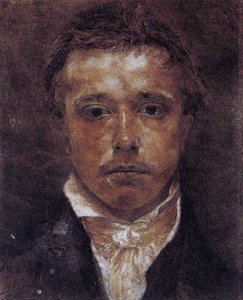
Samuel Palmer
1805 - 1881 , Reino Unido
Datos clave
- Artistic Movement Or Style: Romanticismo
- Artists Or Movements Influenced By This Artist: ['Los Ancients']
- Artists Who Influenced This Artist:
- William Blake
- J.M.W. Turner
- Date Of Birth: 27 enero 1805 Londres, Inglaterra
- Full Name: Samuel Palmer
- Nationality: Británico
- Notable Artworks:
- Cornfield by Moonlight
- Self-Portrait
- Harvesting
- The Lonely Tower
- Place Of Birth: Londres, Reino Unido
Artículos relacionados

Paisajes Románticos: 10 Obras Maestras que Definieron un Movimiento Artístico
Descubre los 10 paisajes románticos más influyentes de artistas como Caspar David Friedrich y Turner. Explora la belleza, el simbolismo y las técnicas del movimiento romántico. Reproducciones de arte exclusivas en ArtsDot.com.

John Constable: Las 25 Obras Maestras del Paisaje Inglés | ArtsDot
Descubre las 25 obras maestras de John Constable, el pintor romántico inglés que capturó la belleza del paisaje. Explora su técnica, historia y significado en ArtsDot.com. Reproducciones de arte de alta calidad para tu hogar.

Evocations of Place: A Historical Journey Through Landscape Art
Explore the rich history of landscape art with ArtsDot. Discover renowned artists, movements like Impressionism & Romanticism, and expert guidance for collecting timeless pieces. Find your perfect serene escape today!
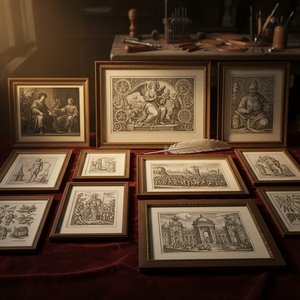
Los 10 Grabados Legendarios que Transformaron la Historia del Arte | ArtsDot
Descubre los 10 grabados legendarios de Dürer, Rembrandt y Goya que revolucionaron el arte. Explora la historia, técnicas y belleza atemporal de estas obras maestras. Reproducciones de alta calidad en ArtsDot.com para decorar tu hogar con arte clásico.
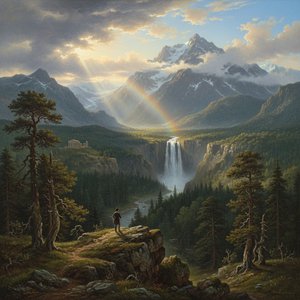
Evoking Nature's Sublime: A Comprehensive Exploration of 19th-Century Landscape Painting
Explore the captivating world of 19th-century landscape painting! Discover renowned artists like Friedrich & Monet, key movements, and find the perfect artwork to bring nature's serenity into your home. Expert insights at ArtsDot.

