 Ver en contexto
 Enviar
 Compartir
 Detalles

 Descargar
 Similares
 Radiografía
 Presentación de diapositivas
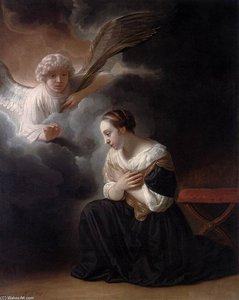
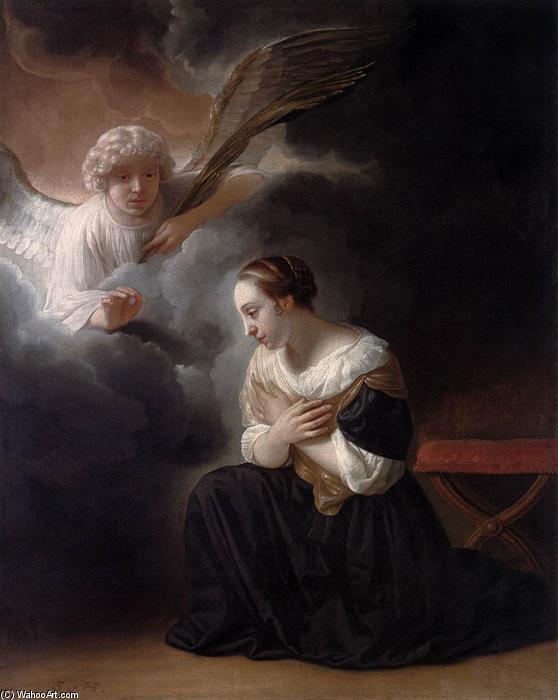
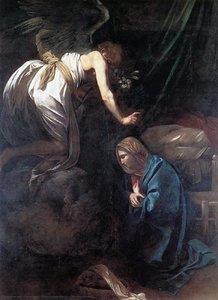
La Anunciación de la Muerte de María
 Óleo sobre lienzo
- Arte de pared
- Baroque Realism
 1670
1670 66.0 x 53.0 cm
 Museo Metropolitano de Arte
 Ver más
Reproducción al óleo hecha a mano
Óleo sobre lienzo pintado a mano en el tamaño y marco de su elección, realizado por encargo por nuestros artistas. ( Comprar impresión Comprar imagen)




P118B $10

P118H $10

P118W $10

P438Z $10

P508JH $12

P508YH $12

P805H $10

P805Z $10

P919BZ $10

P919G $10

P919XJ $10

P959ZH $10

P968JZ $12

W106C $8

W218G $10

W218JH $8

W218Y $10

W307PJ $10

W316G $10

W316PJ $8

W316Y $10

W398PJ $8

W4111J $10

W500HY $15

W500JH $15

W692G $12

W849H $8

W940BG $15

W953PJ $8




Elija entre nuestros tamaños predefinidos que respetan las proporciones originales de la obra.

Puede ingresar sus propias dimensiones para adaptarse a un marco o espacio específico. Si el tamaño seleccionado no coincide con las proporciones de la imagen original, recortaremos la obra o extenderemos la pintura con elementos adicionales pintados a mano. Se le enviará una maqueta digital para su aprobación antes de comenzar la producción.
Tenga en cuenta que la vista previa en pantalla no refleja el recorte o la extensión reales. Solo la maqueta mostrará con precisión la composición final.
Si bien existen tamaños personalizados, recomendamos seleccionar una dimensión de la lista predefinida para preservar las proporciones originales.
Tras realizar el pedido, el equipo de ArtsDot.com enviará un correo electrónico al cliente para solicitar instrucciones y proporcionarle una vista previa del boceto.
Envío a todo el mundo () en 3-4 semanas en lugar de las 5 semanas estándar. (31 agosto). Sin comprometer la calidad.

Envío exprés gratuito a todo el mundo

Lienzo de lino de alta calidad

Seguro de envío total

Garantía de reembolso de impuestos aduaneros

Garantía de fidelidad cromática exacta

Política de devolución de 60 días (solo por defectos)

Garantía de devolución del 100% del dinero

Descuento por cantidad
 La opción de vidrio solo está disponible en tamaños inferiores a 110 cm.

La Anunciación de la Muerte de María
Técnica de reproducción
Dimensiones de la reproducción
-


Precio total final
$ 288
El Anuncio de la Muerte de la Virgen: Una Dramática Exploración Barroca
Este impresionante óleo pintado por Samuel Dirksz van Hoogstraten en 1670 representa una escena cargada de emoción y simbolismo, ofreciendo una visión profunda del espíritu artístico del Siglo XVII holandés. Más allá de una simple representación visual, la obra invita a un viaje hacia las complejidades de la fe cristiana y la reflexión sobre el sufrimiento humano y la esperanza divina.Descripción Detallada: Una Sinfonía de Luz y Oscuridad
La pintura captura una joven mujer en una postura de angustia palpable, buscando consuelo bajo la mirada compasiva de un ángel celestial. Este último extiende su mano hacia ella con suavidad, iluminado por una luz dramática que lucha contra las sombras profundas del cielo tormentoso que sirve de fondo. Esta iluminación teatral es característica del estilo barroco, cuyo objetivo principal era transmitir emociones intensas y crear una atmósfera de dramatismo. Los detalles meticulosamente pintados resaltan la textura rica y compleja del vestido de la mujer y las alas del ángel, demostrando el dominio técnico de Van Hoogstraten en la aplicación de pigmentos y capas de pintura.Estilo Barroco: Innovación Técnica y Expresión Emocional
El estilo barroco que adopta este cuadro se distingue por su enfoque en el realismo emocional y una habilidad excepcional para capturar la belleza estética a través de técnicas innovadoras como el *glazis*, que permite lograr efectos luminosos sutiles y capas translúcidas de color. Esta maestría técnica, junto con la composición cuidadosamente estudiada, contribuye a crear una obra maestra que sigue fascinando al público hasta nuestros días. Además, la perspectiva ligeramente aplastada refuerza la sensación de profundidad emocional, enfocándose en los personajes principales como centro de atención.Simbolismo Religioso: Esperanza y Redención
El simbolismo religioso presente en “El Anuncio de la Muerte de la Virgen” es significativo. El ángel representa la gracia divina y guía espiritual, ofreciendo apoyo a una mujer que encarna el sufrimiento humano y la necesidad de esperanza. Estos elementos se combinan para transmitir un mensaje poderoso sobre la lucha entre la oscuridad del pecado y la luz de la fe, temas centrales en el pensamiento religioso de la época. La obra invita a contemplación y reflexión sobre cuestiones fundamentales relacionadas con la condición humana y la búsqueda de significado espiritual.Recomendaciones para Coleccionistas e Interior Diseñadores
Este cuadro ofrece una oportunidad excepcional para enriquecer cualquier colección artística o proyecto de diseño interior. Una reproducción de alta calidad puede aportar un toque de elegancia clásica y profundidad emocional a espacios residenciales o comerciales, evocando la grandeza del arte barroco holandés y celebrando la belleza de la composición pictórica.Obras relacionadas

Biografía del artista
Samuel Dirksz van Hoogstraten: A Master of Illusion and Intellect
Samuel Dirksz van Hoogstraten (1627-1678) stands as a towering figure in the annals of Dutch Baroque painting, an artist whose legacy extends far beyond the canvases he graced. Born in Dordrecht, Holland, into a family steeped in artisanal tradition—his father Dirk van Hoogstraten was a silversmith and painter—Samuel’s early life foreshadowed his artistic destiny. From a young age, he demonstrated an unwavering passion for drawing and engraving, nurtured by his father's tutelage and laying the groundwork for his future mastery of perspective and illusionism. His familial background instilled in him not only technical skills but also a profound appreciation for craftsmanship and aesthetic refinement—values that would permeate throughout his artistic endeavors.- Early Training & Family Background: Samuel’s father, Dirk van Hoogstraten, imparted invaluable knowledge of painting techniques and fostered an enduring love for the visual arts within his son. The family’s lineage traced back to Dordrecht’s artisan guilds, emphasizing a tradition of excellence and meticulous attention to detail.
- Amsterdam & Rembrandt’s Influence: At the age of seven, Samuel moved to Amsterdam, where he enrolled in the workshop of Rembrandt van Rijn—a pivotal moment that irrevocably shaped his artistic style. Rembrandt's mastery of chiaroscuro and dramatic lighting served as a formative influence, guiding Samuel toward an expressive approach rooted in observation and psychological insight.
- Travels & Artistic Exploration: Driven by intellectual curiosity and a desire to broaden his horizons, Samuel embarked on extensive journeys throughout Europe—to Vienna, Rome, and London—immersing himself in diverse artistic traditions and absorbing inspiration from masters across the continent. These expeditions fueled his understanding of architectural principles and spatial perception, enriching his artistic vision.
The Art of Trompe-l’œil & Perspective Boxes: Deconstructing Reality
Samuel van Hoogstraten distinguished himself as a pioneer in the realm of trompe-l’œil—a technique that translates to “deceive the eye”—and he achieved unparalleled renown for his creation of perspective boxes. These ingenious devices weren't merely decorative curiosities; they were sophisticated explorations of visual perception, demonstrating Van Hoogstraten’s profound grasp of how the human eye perceives depth and dimension. He imbued seemingly simple arrangements with complex symbolic meanings, inviting viewers to contemplate the illusory nature of reality and challenging conventional notions of representation. His meticulous attention to detail—evident in his still lifes and architectural paintings—reflected a commitment to capturing not just what was seen but also how it appeared to be perceived.- Still Life Illusionism: Van Hoogstraten’s still lifes captivated audiences with their masterful use of illusionistic techniques, blurring the boundaries between reality and representation. He skillfully manipulated light and shadow to create dramatic effects and imbue his compositions with symbolic resonance.
- Perspective Boxes & Spatial Depth: His perspective boxes—such as the one housed at the National Gallery in London—were groundbreaking achievements in spatial illusionism, offering immersive views into miniature worlds that defied conventional perspective conventions.
A Theoretician’s Legacy: Inleyding tot de Hooge Schoole der Schilderkonst
Beyond his artistic creations, Samuel Dirksz van Hoogstraten left an indelible mark on the history of art theory through his magnum opus, *Inleyding tot de hooge schoole der schilderkonst* (Introduction to the Academy of Painting), published in 1678. This ambitious treatise stands as one of the most comprehensive and intellectually stimulating explorations of painting principles produced in the Dutch Republic during the seventeenth century—a testament to Van Hoogstraten’s unwavering dedication to articulating the underlying mechanisms of artistic creation. He meticulously examined issues of pictorial persuasion, illusionism, moral considerations for the artist, and the relationship between painting and philosophy, drawing upon a vast repository of knowledge gleaned from both classical antiquity and contemporary European scholarship. His work represents a culmination of his lifelong pursuit of understanding—a synthesis of observation, experimentation, and reasoned argumentation that cemented his position as a pivotal figure in shaping artistic discourse.- Theoretical Framework: Van Hoogstraten’s treatise established a systematic framework for analyzing painting techniques and exploring the philosophical implications of visual representation.
- Influence on Subsequent Artists: His writings profoundly impacted subsequent generations of painters, fostering debates about aesthetic ideals and inspiring innovations in artistic practice.
Concluding Reflections: An Enduring Vision
Samuel Dirksz van Hoogstraten’s legacy continues to resonate today—a testament to his enduring vision and unwavering commitment to artistic excellence. His masterful paintings—characterized by their luminous chiaroscuro, meticulous detail, and profound psychological insight—remain treasured masterpieces of the Dutch Baroque period. Furthermore, his groundbreaking explorations into perspective and illusionism continue to fascinate scholars and artists alike. As a poet and theorist, Van Hoogstraten embodied the intellectual dynamism of his era—a beacon of creativity and erudition whose work transcends time, securing his place as one of the most influential figures in the history of Dutch art.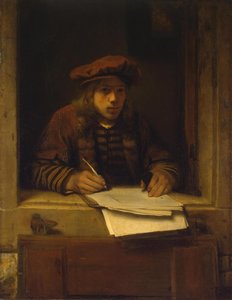
Samuel van Hoogstraten
1627 - 1678 , Países Bajos
Datos clave
- Artistic Movement Or Style: Dutch Golden Age, Baroque
- Artists Who Influenced This Artist:
- Rembrandt
- Dirk van Hoogstraten
- Date Of Birth: August 2, 1627
- Date Of Death: October 19, 1678
- Full Name: Samuel Dirksz van Hoogstraten
- Nationality: Dutch
- Notable Artworks:
- Portrait of Mathys van den Brouck
- The Anemic Lady
- View of a Corridor
- Man at a Window
- Vanitas
- Place Of Birth: Dordrecht, Netherlands
Artículos relacionados

Reflejos de una Época Dorada: La Pintura Barroca Holandesa y la Innovación Cultural
Descubra la riqueza y el detalle de la pintura barroca holandesa del Siglo de Oro. Explore las obras maestras de Rembrandt, Vermeer y otros artistas clave. Análisis experto e historia cultural.

Los 10 Maestros del Siglo de Oro Holandés: Arte, Historia y Decoración Exclusiva
Descubre los 10 imprescindibles del Siglo de Oro Holandés: Rembrandt, Vermeer y más. Explora la historia, técnica y belleza de estos lienzos clásicos. Encuentra reproducciones de arte exclusivas para decorar tu hogar en .

Los 10 Maestros del Barroco Holandés: Obras que Definen una Época | ArtsDot
Descubre los 10 imprescindibles del Barroco holandés: Rembrandt, Vermeer y más. Explora la historia, técnica y belleza de estas obras maestras. Reproducciones de arte en ArtsDot.com para decorar tu hogar con elegancia.

Rembrandt van Rijn: Las 25 Obras Maestras que Definen un Genio | Arte, Historia y Decoración
Descubre las 25 obras maestras de Rembrandt van Rijn, el genio del barroco holandés. Explora su historia, técnica y simbolismo en retratos icónicos como 'La Ronda Nocturna'. Encuentra reproducciones de arte exclusivas para decorar tu hogar con ArtsDot.com.

La Luz y la República: Innovación Artística en el Siglo de Oro Neerlandés
Descubra la innovación artística del Siglo de Oro Neerlandés. Explore las obras maestras de Rembrandt y Vermeer, técnicas revolucionarias y el legado perdurable de este florecimiento cultural. ¡Sumérjase en la luz y la belleza!