 Ver en contexto
 Enviar
 Compartir
 Detalles

 Descargar
 Similares
 Radiografía
 Presentación de diapositivas
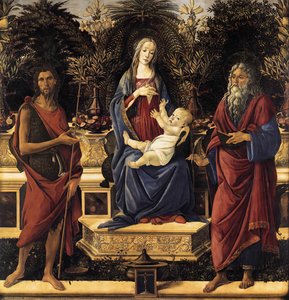
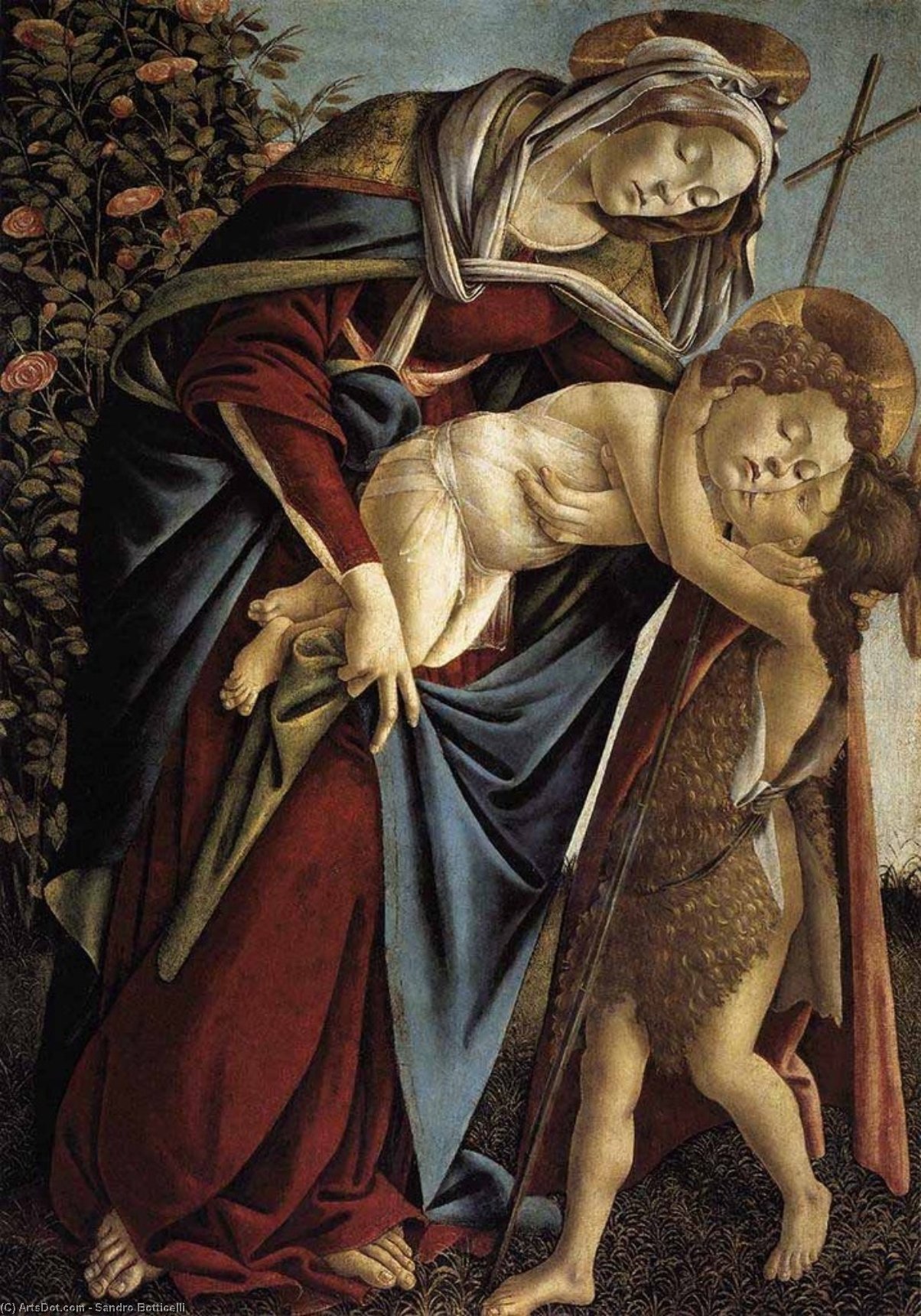
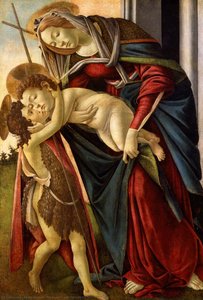
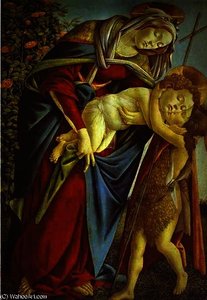
La Madonna y el Niño con San Juan Bautista
 Óleo
Óleo- Arte de pared
- Early Renaissance
 1490
1490- Renacimiento
 134.0 x 92.0 cm
 Ver más
Giclée / Impresión de arte
Impresiones giclée o en lienzo de calidad de museo con producción rápida y opciones de acabado flexibles. ( Comprar pintura hecha a mano Comprar imagen)




P118B $10

P118H $10

P118W $10

P438Z $10

P508JH $12

P508YH $12

P805H $10

P805Z $10

P919BZ $10

P919G $10

P919XJ $10

P959ZH $10

P968JZ $12

W106C $8

W218G $10

W218JH $8

W218Y $10

W307PJ $10

W316G $10

W316PJ $8

W316Y $10

W398PJ $8

W4111J $10

W500HY $15

W500JH $15

W692G $12

W849H $8

W940BG $15

W953PJ $8




Elija entre nuestros tamaños predefinidos que respetan las proporciones originales de la obra.

Puede introducir sus propias dimensiones para adaptarse a un marco o espacio específico. Si el tamaño seleccionado no coincide con las proporciones de la imagen original, recortaremos la obra de arte o extenderemos la imagen con un borde con efecto espejo o de color sólido. Se enviará una maqueta digital para su aprobación antes de que comience la producción.
Tenga en cuenta que la vista previa en pantalla no refleja el recorte o la extensión real. Solo la maqueta mostrará con precisión la composición final.
Aunque existen tamaños personalizados, recomendamos seleccionar una dimensión de la lista predefinida para preservar las proporciones originales.
Envío a todo el mundo () en 2 semanas en lugar de las 4/5 semanas estándar. (29 agosto)

Envío exprés gratuito a todo el mundo

Lienzo de lino de alta calidad

Seguro de envío total

Garantía de reembolso de impuestos aduaneros

Garantía de fidelidad cromática exacta

Política de devolución de 60 días (solo por defectos)

Garantía de devolución del 100% del dinero

Descuento por cantidad
 La opción de vidrio solo está disponible en tamaños inferiores a 110 cm.

La Madonna y el Niño con San Juan Bautista
Giclée / Impresión de arte
Dimensiones de la reproducción
-


Precio total final
$ 62
A Tender Moment Frozen in Time: Sandro Botticelli’s Madonna and Child
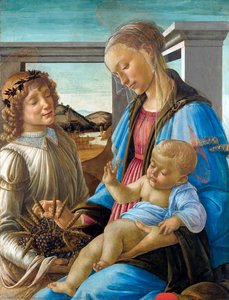
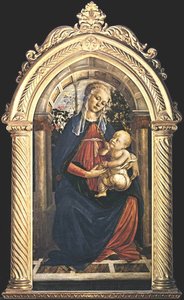
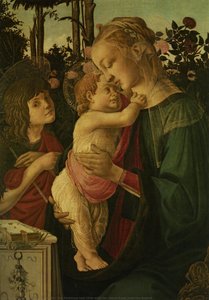
Sandro Botticelli’s Madonna and Child with the Young St John the Baptist, painted around 1490, is more than just a depiction of the Virgin Mary, Christ Child, and infant Saint John; it’s a profound meditation on grace, innocence, and the divine. Housed within the serene walls of the Galleria Palatina in Italy, this tempera-on-panel artwork offers a glimpse into the heart of the Early Renaissance, showcasing Botticelli’s mastery of line, color, and his unique ability to imbue even the most sacred subjects with an ethereal beauty.
The painting immediately draws the eye to the central figures: Mary, adorned in a flowing blue dress meticulously trimmed with gold – a deliberate choice that elevates her status and symbolizes her divine connection. Her posture is one of gentle attentiveness as she cradles the Christ Child, radiating warmth and tenderness. Beside them stands St John the Baptist, already hinting at his future role as a prophet, holding a lamb—a potent symbol of sacrifice and innocence. The composition isn’t merely static; there's a subtle dynamism in their poses, suggesting a shared moment of quiet contemplation.
The Composition: A Symphony of Detail
Botticelli’s genius lies not just in the central figures but also in the intricate details that populate the scene. Observe the carefully rendered background—a landscape dominated by trees, creating a sense of depth and naturalism rarely seen in earlier religious paintings. These aren’t merely decorative elements; they contribute to the painting’s overall atmosphere of serenity and peace. Scattered throughout the composition are three birds: one hovering above Mary’s head, another flying towards her, and a third perched at the bottom left corner. Each bird carries symbolic weight – doves often represent purity and the Holy Spirit, while the flight patterns add a layer of movement and narrative to the scene.
Beyond the primary figures, subtle details enrich the composition. Note the presence of several individuals in the periphery—a man on the left, two on the right, and another near the top-right corner. These figures, though less prominent, contribute to a sense of community and earthly context, grounding the divine narrative within a human setting. The careful placement of these secondary elements demonstrates Botticelli’s meticulous attention to detail and his ability to create a richly layered visual experience.
A Renaissance Masterpiece: Style and Symbolism
Botticelli’s style in this work is distinctly Renaissance, yet retains traces of the Late Gothic tradition. The figures are elongated and graceful, with flowing drapery that emphasizes their elegance. His use of color is delicate and luminous, particularly evident in the shimmering gold trim on Mary’s dress. Botticelli was known for his ability to capture emotion through gesture and expression—the tenderness between mother and child is palpable, inviting viewers into this intimate moment.
The painting is laden with symbolism. The lamb represents innocence and sacrifice, while St John's holding a goldfinch alludes to his future role as the herald of Christ’s passion. The overall composition evokes a sense of harmony and balance—a reflection of Renaissance ideals of beauty and order. It’s a testament to Botticelli’s ability to seamlessly blend religious narrative with artistic innovation.
Bringing Botticelli Home: High-Quality Reproductions
For those captivated by the beauty and profound symbolism of Madonna and Child with the Young St John the Baptist, ArtsDot offers exquisite handmade oil painting reproductions that faithfully capture the essence of this iconic masterpiece. Each reproduction is created using traditional techniques and high-quality materials, ensuring a stunning likeness to the original while retaining its own unique character. Owning a Botticelli reproduction is not just acquiring art; it’s bringing a timeless treasure into your home.
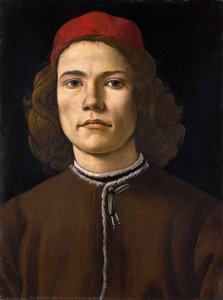
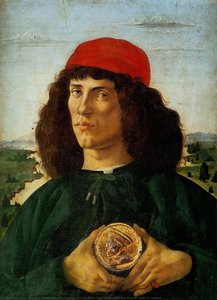
To learn more about Sandro Botticelli's life and work, we encourage you to explore resources such as Wikipedia (/art/list/?Filter=madonna+child+the+young+st+john+the+baptist,madonna,child,young,john,baptist&) and the ArtsDot database (/art/list/?Filter=8YDEUV/$File/Sandro-Botticelli-Madonna-and-Child-and-the-Young-St-John-the-Baptist.JPG). You can also delve into his other notable works, such as *Portrait of a Young Man* and explore the broader context of Renaissance art through resources like Wikipedia (https://en.wikipedia.org/wiki/List_of_paintings_by_Sandro_Botticelli) and the ArtsDot database (/art/list/?Filter=portrait+of+a+young+man,portrait,young,botticelli,pitti+palace,pitti,palace&).
Photo Description: The painting is a beautiful depiction of the Virgin Mary holding her child while another child, John the Baptist, stands nearby. The Virgin Mary is wearing a blue dress with gold trimming, and she holds a baby in her arms. The child standing next to her is also holding a lamb. In addition to the main figures, there are several other people present in the painting, including one person on the left side of the image, two people on the right side, and another person near the top-right corner. There are also three birds visible in the scene, with one bird located above Mary's head, another bird flying towards her, and a third bird perched at the bottom-left corner of the painting. The painting is set against a backdrop of trees, which adds to its natural beauty. The overall composition of the image creates an atmosphere of serenity and peacefulness, as it captures the tender moment between the Virgin Mary and her child. Size: 134 x 92 cm Date: 1490 ARTIST INFORMATION: ================== Artist: Sandro Botticelli Birth Year: 1445 Death Year: 1510 Birth City: Florence Birth Country: Italy Biography:Early Life and Florentine Beginnings
Sandro Botticelli, born Alessandro di Mariano di Vanni Filipepi around 1445 in Florence, Italy, emerged during a period of extraordinary cultural ferment—the Early Renaissance. His life was deeply rooted in the city’s artistic and social fabric; he never strayed far from his neighborhood of Ognissanti, a testament to both familial ties and the vibrant creative ecosystem that nurtured him. His father, Mariano Filipepi, initially a goldsmith and later a tanner, provided an early exposure to craftsmanship and meticulous detail—qualities that would profoundly influence Botticelli’s artistic approach. Though initial reports suggested training as a goldsmith, he soon found his calling under the tutelage of Fra Filippo Lippi, a leading painter of the time. This apprenticeship proved pivotal, immersing him in the techniques and aesthetics of the Florentine school while also connecting him to influential patrons like the Medici family.
A St
Obras relacionadas
Biografía del artista
vida temprana y formación
Sandro Botticelli, nacido Alessandro di Mariano di Vanni Filipepi alrededor de 1445, fue una figura clave en el Renacimiento temprano de la pintura italiana. Inicialmente eclipsado post mortem, la obra de Botticelli fue revitalizada a finales del siglo XIX por los pre-rafaelitas, lo que llevó a una reevaluación de sus contribuciones artísticas. Botticelli nació en Florencia, Italia, y vivió toda su vida en el mismo barrio. Su familia, incluyendo a su padre Mariano di Vanni d'Amadeo Filipepi, estuvo involucrada en diversas profesiones, lo que les permitió entrar en contacto con artistas. Giorgio Vasari informó que Botticelli fue inicialmente entrenado como joyero.Estilo artístico y obras notables
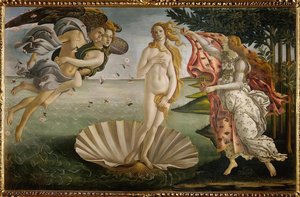
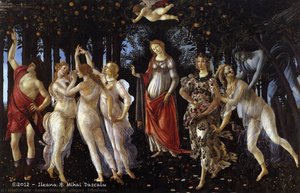
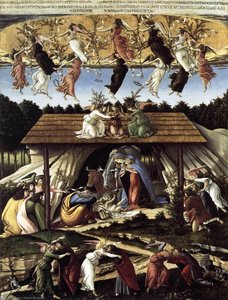
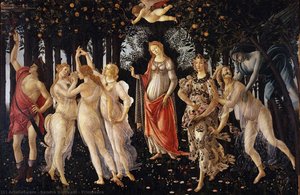
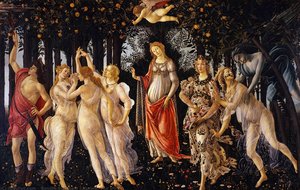
La obra de Botticelli se caracteriza por una elegante linealidad, que conecta el gótico tardío italiano con el Renacimiento temprano. Sus obras más famosas, El nacimiento de Venus y Primavera, se exhiben en la Galería Uffizi en Florencia, que alberga una importante colección de su arte. * El nacimiento de Venus (ver en ArtsDot) * Primavera (explorar el arte de Sandro Botticelli en ArtsDot) * La natividad mística (Galería Nacional, Londres), fechada en 1501, es la única obra de Botticelli con una fecha clara.Legado e influencia
El estilo de Botticelli evolucionó hacia un enfoque más personal en la década de 1490, divergente de sus contemporáneos como Leonardo da Vinci y el estilo del Alto Renacimiento emergente. Su obra ha sido reconocida como una contribución significativa al movimiento artístico del Renacimiento italiano. * El movimiento artístico del Renacimiento italiano * Sandro Botticelli en Wikipedia- Artistas notables del Renacimiento italiano incluyen a Sandro Botticelli, Leonardo da Vinci, Miguel Ángel y Tiziano.
- La Galería Uffizi de Florencia alberga una importante colección de arte de Botticelli.
- La obra de Botticelli ha sido reconocida como una figura clave en el Renacimiento temprano de la pintura italiana.
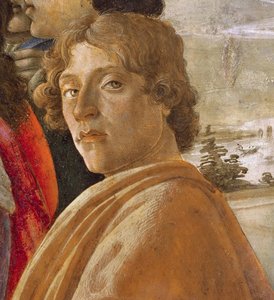
Sandro Botticelli
1445 - 1510 , Italia
Datos clave
- Artistas Que Influyeron:
- Fra Angelico
- Paolo Uccello
- Estilo Artístico: Renacimiento Temprano
- Fecha De Muerte: 1510
- Fecha De Nacimiento: c. 1445
- Influenciado A Artistas: ['Pre-Rafaelitas']
- Lugar De Nacimiento: Florencia, Italia
- Nacionalidad: Italiana
- Nombre Completo: Sandro Botticelli
- Obras Notables:
- El Nacimiento de Venus
- Primavera
- Natividad Mística
Artículos relacionados
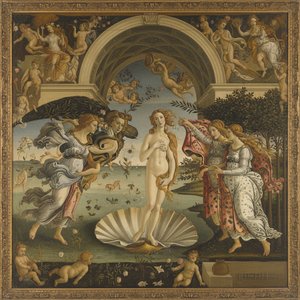
Botticelli: Las 25 Obras Maestras del Renacimiento para Decorar con Arte y Elegancia
Descubre las 25 obras maestras de Sandro Botticelli, el genio del Renacimiento italiano. Explora 'El Nacimiento de Venus', 'Primavera' y más: historia, técnica y belleza clásica. Encuentra reproducciones de arte exclusivas en ArtsDot.com.

Los 25 Tesoros del Uffizi: Arte Renacentista para tu Hogar | ArtsDot
Descubre los 25 tesoros del Uffizi en Florencia: Botticelli, Leonardo da Vinci y más. Explora la historia, el arte renacentista y encuentra reproducciones de alta calidad para tu hogar. ¡Inspírate con ArtsDot.com!

John Singer Sargent: Las 25 Obras Maestras del Retrato y la Belle Époque | ArtsDot
Descubre las 25 obras maestras de John Singer Sargent, el maestro del retrato y la Belle Époque. Explora su técnica impresionista, historias fascinantes y encuentra reproducciones de arte exclusivas para decorar tu hogar con elegancia en ArtsDot.com.

John Constable: Las 25 Obras Maestras del Paisaje Inglés | ArtsDot
Descubre las 25 obras maestras de John Constable, el pintor romántico inglés que capturó la belleza del paisaje. Explora su técnica, historia y significado en ArtsDot.com. Reproducciones de arte de alta calidad para tu hogar.

El Greco: Las 25 Obras Maestras que Definen un Genio del Arte y la Fe
Descubre las 25 obras maestras de El Greco, el genio del Renacimiento español. Explora su arte religioso, manierismo y la historia detrás de cuadros icónicos como 'El Entierro del Conde de Orgaz'. Encuentra reproducciones de alta calidad en ArtsDot.com.