 Enviar
 Compartir
 Detalles

 Descargar
 Similares
 Presentación de diapositivas
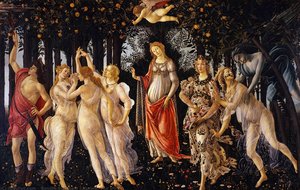
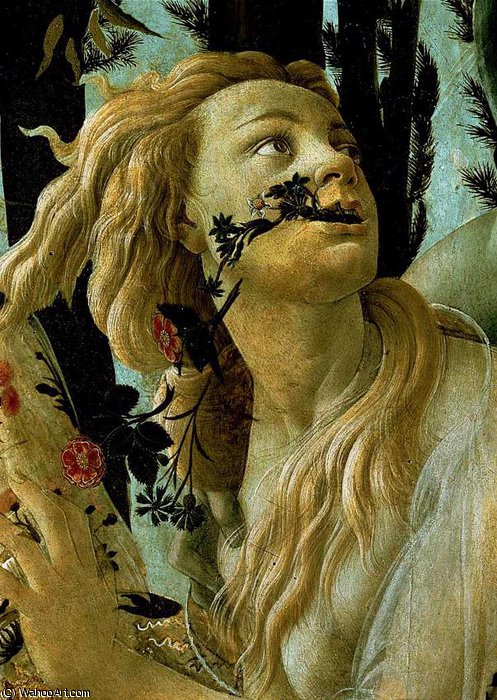
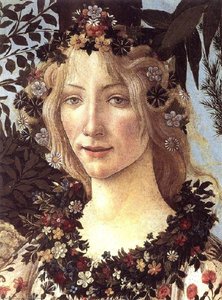
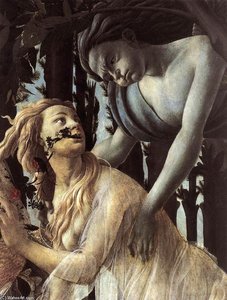
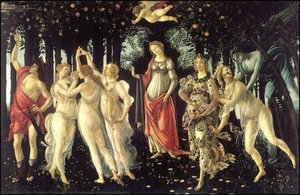
La Primavera, Allegory of Spring (detail)


 Ver más
Reproducción al óleo hecha a mano
Óleo sobre lienzo pintado a mano en el tamaño y marco de su elección, realizado por encargo por nuestros artistas. ( Comprar impresión Comprar imagen)




































Elija entre nuestros tamaños predefinidos que respetan las proporciones originales de la obra.

Puede ingresar sus propias dimensiones para adaptarse a un marco o espacio específico. Si el tamaño seleccionado no coincide con las proporciones de la imagen original, recortaremos la obra o extenderemos la pintura con elementos adicionales pintados a mano. Se le enviará una maqueta digital para su aprobación antes de comenzar la producción.
Tenga en cuenta que la vista previa en pantalla no refleja el recorte o la extensión reales. Solo la maqueta mostrará con precisión la composición final.
Si bien existen tamaños personalizados, recomendamos seleccionar una dimensión de la lista predefinida para preservar las proporciones originales.
Tras realizar el pedido, el equipo de ArtsDot.com enviará un correo electrónico al cliente para solicitar instrucciones y proporcionarle una vista previa del boceto.
Envío a todo el mundo () en 3-4 semanas en lugar de las 5 semanas estándar. (22 agosto). Sin comprometer la calidad.

Envío exprés gratuito a todo el mundo

Lienzo de lino de alta calidad

Seguro de envío total

Garantía de reembolso de impuestos aduaneros

Garantía de fidelidad cromática exacta

Política de devolución de 60 días (solo por defectos)

Garantía de devolución del 100% del dinero

Descuento por cantidad
 La opción de vidrio solo está disponible en tamaños inferiores a 110 cm.

La Primavera, Allegory of Spring (detail)
Técnica de reproducción
Dimensiones de la reproducción
-


Precio total final
$ 263
Descripción de la obra
A Vision of Eternal Rebirth
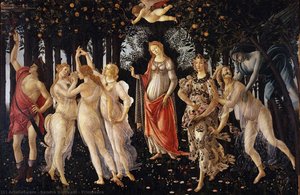
In the heart of the Florentine Renaissance, few images capture the ephemeral magic of nature as profoundly as Sandro Botticelli’s La Primavera. This particular detail, focusing on the delicate interplay of flora and form, serves as a window into a world where myth and reality converge. The painting is not merely a depiction of a season; it is a visual poem celebrating the cyclical nature of life, fertility, and the harmonious union between humanity and the natural world. As one gazes upon the exquisite rendering of flowers adorting the figure's face, there is an immediate sense of being transported to a primordial garden, where every petal and leaf carries the weight of ancient wisdom and divine grace.
The subject matter invites a deep, meditative exploration of beauty. The close-up view captures a moment of breathless stillness amidst movement—the woman’s hair appears to dance in a gentle breeze, suggesting a spirit that is both grounded in the earth and ethereal in its essence. This tension between the tangible detail of the blossoms and the dreamlike atmosphere of the background creates a captivating emotional resonance, making it an ideal centerpiece for those looking to infuse their living spaces with a sense of tranquility and timeless elegance.
The Mastery of Botticelli’s Graceful Line
To understand this masterpiece is to understand the unique hand of Sandro Botticelli. Moving away from the rigid, heavy structures of earlier eras, Botticelli pioneered a style defined by elongated, graceful figures and a rhythmic fluidity that feels almost musical. His technique involves a meticulous attention to detail that borders on the miraculous; notice how the light seems to diffuse softly across the skin, a result of his masterful layering of pigments. While often associated with the luminosity of tempera, the spirit of his work captures the very essence of sfumato and light, creating an ethereal quality that makes the figures appear as though they are emerging from a dream.
For the discerning collector or interior designer, this piece offers more than just aesthetic pleasure; it offers a connection to the High Renaissance's intellectual peak. The way Botticelli utilizes line to define form—prioritizing elegance and balance over harsh realism—allows the artwork to integrate seamlessly into sophisticated modern interiors. Whether placed in a sunlit gallery or a quiet study, the painting’s soft color palette and flowing compositions provide a calming, sophisticated focal point that stimulates the imagination without overwhelming the room.
Symbolism and the Legacy of the Medici
Every element within this detail is steeped in the complex symbolism characteristic of the Florentine court. The flowers are not mere decorations; they are symbols of generative power and the fleeting nature of beauty, perhaps even nodding to the theological allegories of Eve and the renewal found in Spring. Commissioned during an era of immense cultural flourishing under the Medici family, the work reflects the humanist ideals of the time—a profound reverence for classical antiquity and the rebirth of knowledge.
Owning a high-quality reproduction of such a significant detail allows one to bring this historical narrative into the contemporary home. It is an invitation to contemplate the enduring themes of nature's resilience and the eternal dance of life. For those seeking to curate a collection that speaks to both history and soul, this depiction of La Primavera stands as a testament to the power of art to transcend time, offering a permanent touch of springtime grace to any environment.
Obras relacionadas
Biografía del artista
vida temprana y formación
Sandro Botticelli, nacido Alessandro di Mariano di Vanni Filipepi alrededor de 1445, fue una figura clave en el Renacimiento temprano de la pintura italiana. Inicialmente eclipsado post mortem, la obra de Botticelli fue revitalizada a finales del siglo XIX por los pre-rafaelitas, lo que llevó a una reevaluación de sus contribuciones artísticas. Botticelli nació en Florencia, Italia, y vivió toda su vida en el mismo barrio. Su familia, incluyendo a su padre Mariano di Vanni d'Amadeo Filipepi, estuvo involucrada en diversas profesiones, lo que les permitió entrar en contacto con artistas. Giorgio Vasari informó que Botticelli fue inicialmente entrenado como joyero.Estilo artístico y obras notables
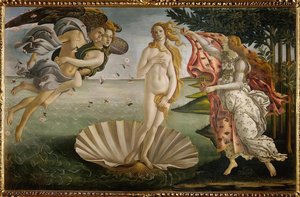
La obra de Botticelli se caracteriza por una elegante linealidad, que conecta el gótico tardío italiano con el Renacimiento temprano. Sus obras más famosas, El nacimiento de Venus y Primavera, se exhiben en la Galería Uffizi en Florencia, que alberga una importante colección de su arte. * El nacimiento de Venus (ver en ArtsDot) * Primavera (explorar el arte de Sandro Botticelli en ArtsDot) * La natividad mística (Galería Nacional, Londres), fechada en 1501, es la única obra de Botticelli con una fecha clara.Legado e influencia
El estilo de Botticelli evolucionó hacia un enfoque más personal en la década de 1490, divergente de sus contemporáneos como Leonardo da Vinci y el estilo del Alto Renacimiento emergente. Su obra ha sido reconocida como una contribución significativa al movimiento artístico del Renacimiento italiano. * El movimiento artístico del Renacimiento italiano * Sandro Botticelli en Wikipedia- Artistas notables del Renacimiento italiano incluyen a Sandro Botticelli, Leonardo da Vinci, Miguel Ángel y Tiziano.
- La Galería Uffizi de Florencia alberga una importante colección de arte de Botticelli.
- La obra de Botticelli ha sido reconocida como una figura clave en el Renacimiento temprano de la pintura italiana.
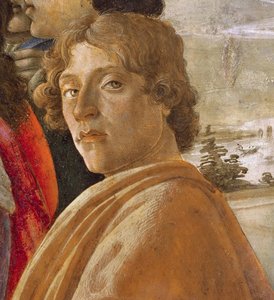
Sandro Botticelli
1445 - 1510 , Italia
Datos clave
- Artistas Que Influyeron:
- Fra Angelico
- Paolo Uccello
- Estilo Artístico: Renacimiento Temprano
- Fecha De Muerte: 1510
- Fecha De Nacimiento: c. 1445
- Influenciado A Artistas: ['Pre-Rafaelitas']
- Lugar De Nacimiento: Florencia, Italia
- Nacionalidad: Italiana
- Nombre Completo: Sandro Botticelli
- Obras Notables:
- El Nacimiento de Venus
- Primavera
- Natividad Mística
Artículos relacionados
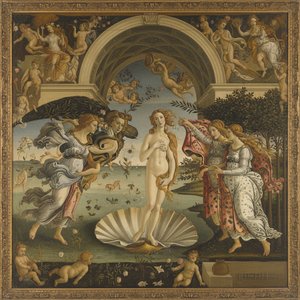
Botticelli: Las 25 Obras Maestras del Renacimiento para Decorar con Arte y Elegancia
Descubre las 25 obras maestras de Sandro Botticelli, el genio del Renacimiento italiano. Explora 'El Nacimiento de Venus', 'Primavera' y más: historia, técnica y belleza clásica. Encuentra reproducciones de arte exclusivas en ArtsDot.com.
Los 25 Tesoros del Uffizi: Arte Renacentista para tu Hogar | ArtsDot
Descubre los 25 tesoros del Uffizi en Florencia: Botticelli, Leonardo da Vinci y más. Explora la historia, el arte renacentista y encuentra reproducciones de alta calidad para tu hogar. ¡Inspírate con ArtsDot.com!
Los 10 Maestros del Renacimiento Temprano: Arte que Transformó el Mundo |
Descubre los 10 maestros del Renacimiento Temprano: Botticelli, Leonardo da Vinci y más. Explora la historia, técnica y belleza de obras icónicas italianas. Reproducciones de arte exclusivas en .
Virtud Cívica y Rivalidad Artística: Mecenazgo e Innovación en las Repúblicas Italianas del Renacimiento, 1400–1600
Descubre el Renacimiento italiano: mecenazgo, rivalidad artística y la explosión del humanismo. Análisis experto de artistas clave y su legado cultural. ¡Sumérgete en una época fascinante!
Mario Sironi: A Poetic of Modern Italian Identity Through Symbolism & Social Commentary
Explore the profound works of Mario Sironi, a key figure in Italian Modernism. Discover his evolution from Futurism to Metaphysical painting and his powerful social commentary. Learn about his legacy at ArtsDot.