 Ver en contexto
 Enviar
 Compartir
 Detalles

 Descargar
 Similares
 Radiografía
 Presentación de diapositivas
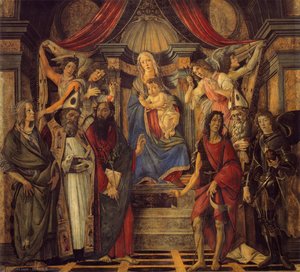
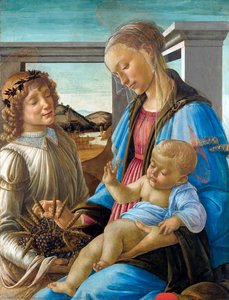
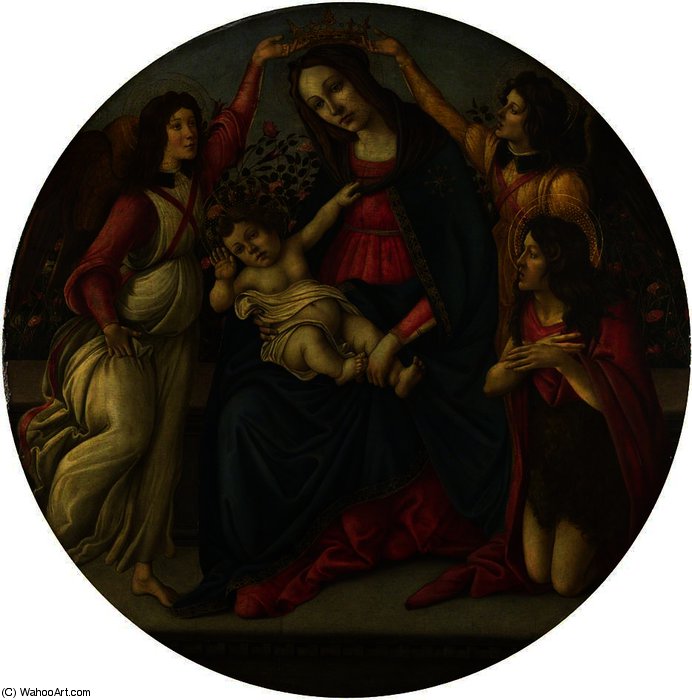
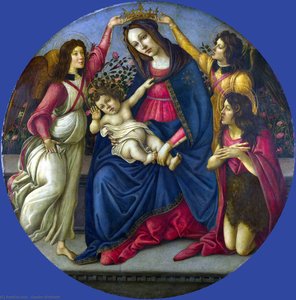
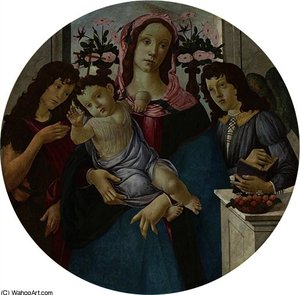
La Virgen María sosteniendo a su hijo Jesús junto con dos ángeles


 Ver más
Reproducción al óleo hecha a mano
Óleo sobre lienzo pintado a mano en el tamaño y marco de su elección, realizado por encargo por nuestros artistas. ( Comprar impresión Comprar imagen)




P118B $10

P118H $10

P118W $10

P438Z $10

P508JH $12

P508YH $12

P805H $10

P805Z $10

P919BZ $10

P919G $10

P919XJ $10

P959ZH $10

P968JZ $12

W106C $8

W218G $10

W218JH $8

W218Y $10

W307PJ $10

W316G $10

W316PJ $8

W316Y $10

W398PJ $8

W4111J $10

W500HY $15

W500JH $15

W692G $12

W849H $8

W940BG $15

W953PJ $8




Elija entre nuestros tamaños predefinidos que respetan las proporciones originales de la obra.

Puede ingresar sus propias dimensiones para adaptarse a un marco o espacio específico. Si el tamaño seleccionado no coincide con las proporciones de la imagen original, recortaremos la obra o extenderemos la pintura con elementos adicionales pintados a mano. Se le enviará una maqueta digital para su aprobación antes de comenzar la producción.
Tenga en cuenta que la vista previa en pantalla no refleja el recorte o la extensión reales. Solo la maqueta mostrará con precisión la composición final.
Si bien existen tamaños personalizados, recomendamos seleccionar una dimensión de la lista predefinida para preservar las proporciones originales.
Tras realizar el pedido, el equipo de ArtsDot.com enviará un correo electrónico al cliente para solicitar instrucciones y proporcionarle una vista previa del boceto.
Envío a todo el mundo () en 3-4 semanas en lugar de las 5 semanas estándar. (23 agosto). Sin comprometer la calidad.

Envío exprés gratuito a todo el mundo

Lienzo de lino de alta calidad

Seguro de envío total

Garantía de reembolso de impuestos aduaneros

Garantía de fidelidad cromática exacta

Política de devolución de 60 días (solo por defectos)

Garantía de devolución del 100% del dinero

Descuento por cantidad
 La opción de vidrio solo está disponible en tamaños inferiores a 110 cm.

La Virgen María sosteniendo a su hijo Jesús junto con dos ángeles
Técnica de reproducción
Dimensiones de la reproducción
-


Precio total final
$ 263
Descripción de la obra
A Vision of Divine Motherhood: Botticelli’s *The Virgin and Child with Saint John and Two Angels*
Sandro Botticelli, a name synonymous with the grace and ethereal beauty of the Early Renaissance, invites us into a realm of serene devotion with his painting, The Virgin and Child with Saint John and Two Angels. This exquisite work, likely created within the bustling artistic environment of Florence during the late 15th century, is not merely a religious depiction but a testament to Botticelli’s mastery of line, color, and emotional resonance. The scene unfolds with a gentle intimacy, centering on the Virgin Mary tenderly cradling the Christ Child. Surrounding them are two delicate angels, their gazes fixed upon the divine pair, while in the background, the youthful figure of Saint John the Baptist observes with quiet reverence.
The Florentine Renaissance and Botticelli’s Unique Style
To understand this painting fully, one must consider the artistic climate of Florence during Botticelli’s lifetime. The city was a crucible of innovation, witnessing a revival of classical ideals alongside deeply held religious beliefs. Botticelli, born Alessandro di Mariano Filipepi in 1445, absorbed these influences and forged a style uniquely his own. He moved beyond the strict realism championed by some contemporaries, embracing instead an elegant linearity and a delicate use of color that evokes a sense of otherworldly grace. His figures are not defined by muscular anatomy or dramatic perspective, but rather by flowing contours and expressive gestures. This is particularly evident in the way Mary’s drapery seems to float around her, and how the angels’ wings appear almost translucent. Botticelli’s training as a goldsmith – as recounted by Giorgio Vasari – instilled in him a meticulous attention to detail, visible in the intricate rendering of the floral elements scattered throughout the composition.
Symbolism Woven into Every Detail
Beyond its aesthetic appeal, The Virgin and Child with Saint John and Two Angels is rich in symbolic meaning. The flowers adorning the scene are not merely decorative; they carry specific religious connotations. Lilies, often associated with purity and the Virgin Mary herself, intertwine with other blossoms representing divine love and grace. Saint John the Baptist’s presence foreshadows Christ's future role as savior, while the angels symbolize heavenly messengers and divine protection. The composition itself is carefully balanced, creating a harmonious visual experience that reflects the spiritual harmony it represents. Botticelli often employed circular formats – tondos – for his depictions of the Madonna and Child, further emphasizing the sense of wholeness and eternity inherent in the subject matter. The tender interaction between Mary and Jesus speaks to the core tenets of Christian faith: love, sacrifice, and redemption.
A Delicate Palette and Fluid Linearity
Botticelli’s distinctive style is characterized by a remarkable sensitivity to color and line. He eschewed the bold hues favored by many artists of his time, opting instead for muted shades of blues, pinks, and golds that contribute to the painting’s ethereal atmosphere. These colors are blended seamlessly, creating subtle gradations that enhance the sense of depth and luminosity. Equally important is Botticelli’s masterful use of linear perspective—though not as rigorously applied as in later Renaissance works—to convey a feeling of spatial realism. The flowing contours of Mary’s drapery and the angelic wings exemplify this technique, demonstrating Botticelli’s ability to capture movement and grace with understated elegance.
A Legacy of Serenity and Beauty
The Virgin and Child with Saint John and Two Angels stands as a pinnacle of Early Renaissance art—a masterpiece that continues to inspire admiration for its beauty, tranquility, and profound spiritual significance. Its enduring appeal lies not only in its exquisite craftsmanship but also in its ability to convey the essence of Christian devotion. A hand-painted reproduction offers an opportunity to experience this timeless vision firsthand, bringing a touch of Florentine Renaissance serenity into any home.
Obras relacionadas
Biografía del artista
vida temprana y formación
Sandro Botticelli, nacido Alessandro di Mariano di Vanni Filipepi alrededor de 1445, fue una figura clave en el Renacimiento temprano de la pintura italiana. Inicialmente eclipsado post mortem, la obra de Botticelli fue revitalizada a finales del siglo XIX por los pre-rafaelitas, lo que llevó a una reevaluación de sus contribuciones artísticas. Botticelli nació en Florencia, Italia, y vivió toda su vida en el mismo barrio. Su familia, incluyendo a su padre Mariano di Vanni d'Amadeo Filipepi, estuvo involucrada en diversas profesiones, lo que les permitió entrar en contacto con artistas. Giorgio Vasari informó que Botticelli fue inicialmente entrenado como joyero.Estilo artístico y obras notables
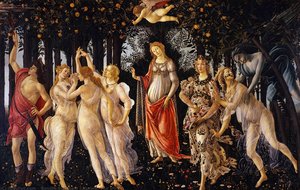
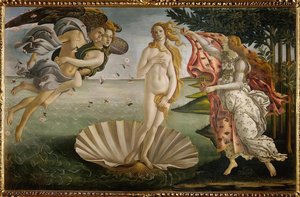
La obra de Botticelli se caracteriza por una elegante linealidad, que conecta el gótico tardío italiano con el Renacimiento temprano. Sus obras más famosas, El nacimiento de Venus y Primavera, se exhiben en la Galería Uffizi en Florencia, que alberga una importante colección de su arte. * El nacimiento de Venus (ver en ArtsDot) * Primavera (explorar el arte de Sandro Botticelli en ArtsDot) * La natividad mística (Galería Nacional, Londres), fechada en 1501, es la única obra de Botticelli con una fecha clara.Legado e influencia
El estilo de Botticelli evolucionó hacia un enfoque más personal en la década de 1490, divergente de sus contemporáneos como Leonardo da Vinci y el estilo del Alto Renacimiento emergente. Su obra ha sido reconocida como una contribución significativa al movimiento artístico del Renacimiento italiano. * El movimiento artístico del Renacimiento italiano * Sandro Botticelli en Wikipedia- Artistas notables del Renacimiento italiano incluyen a Sandro Botticelli, Leonardo da Vinci, Miguel Ángel y Tiziano.
- La Galería Uffizi de Florencia alberga una importante colección de arte de Botticelli.
- La obra de Botticelli ha sido reconocida como una figura clave en el Renacimiento temprano de la pintura italiana.
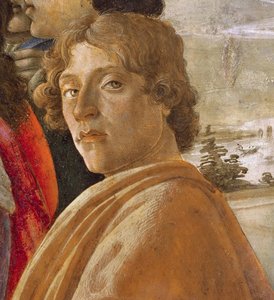
Sandro Botticelli
1445 - 1510 , Italia
Datos clave
- Artistas Que Influyeron:
- Fra Angelico
- Paolo Uccello
- Estilo Artístico: Renacimiento Temprano
- Fecha De Muerte: 1510
- Fecha De Nacimiento: c. 1445
- Influenciado A Artistas: ['Pre-Rafaelitas']
- Lugar De Nacimiento: Florencia, Italia
- Nacionalidad: Italiana
- Nombre Completo: Sandro Botticelli
- Obras Notables:
- El Nacimiento de Venus
- Primavera
- Natividad Mística
Artículos relacionados
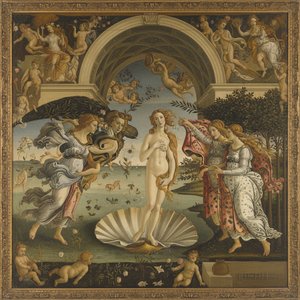
Botticelli: Las 25 Obras Maestras del Renacimiento para Decorar con Arte y Elegancia
Descubre las 25 obras maestras de Sandro Botticelli, el genio del Renacimiento italiano. Explora 'El Nacimiento de Venus', 'Primavera' y más: historia, técnica y belleza clásica. Encuentra reproducciones de arte exclusivas en ArtsDot.com.

John Singer Sargent: Las 25 Obras Maestras del Retrato y la Belle Époque | ArtsDot
Descubre las 25 obras maestras de John Singer Sargent, el maestro del retrato y la Belle Époque. Explora su técnica impresionista, historias fascinantes y encuentra reproducciones de arte exclusivas para decorar tu hogar con elegancia en ArtsDot.com.

John Constable: Las 25 Obras Maestras del Paisaje Inglés | ArtsDot
Descubre las 25 obras maestras de John Constable, el pintor romántico inglés que capturó la belleza del paisaje. Explora su técnica, historia y significado en ArtsDot.com. Reproducciones de arte de alta calidad para tu hogar.
Los 25 Tesoros del Uffizi: Arte Renacentista para tu Hogar | ArtsDot
Descubre los 25 tesoros del Uffizi en Florencia: Botticelli, Leonardo da Vinci y más. Explora la historia, el arte renacentista y encuentra reproducciones de alta calidad para tu hogar. ¡Inspírate con ArtsDot.com!

Fra Angelico: Las 25 Obras Maestras del Renacimiento para Decorar con Arte y Fe
Descubre las 25 obras maestras de Fra Angelico, el pintor renacentista que llenó el arte sacro de luz y fe. Explora su técnica, simbolismo y belleza en frescos e iconos. Encuentra reproducciones de alta calidad para decorar tu hogar con ArtsDot.com.