 Ver en contexto
 Enviar
 Compartir
 Detalles

 Descargar
 Similares
 Radiografía
 Presentación de diapositivas
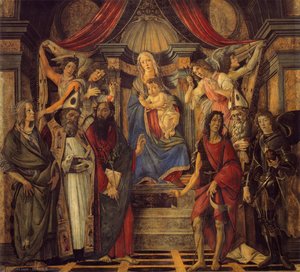
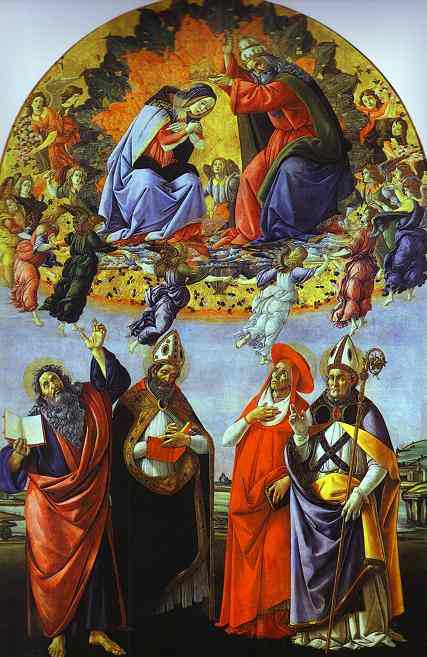
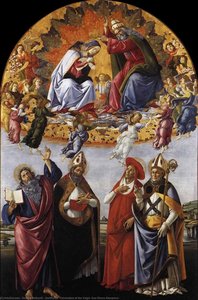
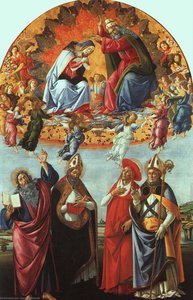
The Coronation of the Virgin (Altarpiece of St. Mark)


 Ver más
Giclée / Impresión de arte
Impresiones giclée o en lienzo de calidad de museo con producción rápida y opciones de acabado flexibles. ( Comprar pintura hecha a mano Comprar imagen)




P118B $10

P118H $10

P118W $10

P438Z $10

P508JH $12

P508YH $12

P805H $10

P805Z $10

P919BZ $10

P919G $10

P919XJ $10

P959ZH $10

P968JZ $12

W106C $8

W218G $10

W218JH $8

W218Y $10

W307PJ $10

W316G $10

W316PJ $8

W316Y $10

W398PJ $8

W4111J $10

W500HY $15

W500JH $15

W692G $12

W849H $8

W940BG $15

W953PJ $8




Elija entre nuestros tamaños predefinidos que respetan las proporciones originales de la obra.

Puede introducir sus propias dimensiones para adaptarse a un marco o espacio específico. Si el tamaño seleccionado no coincide con las proporciones de la imagen original, recortaremos la obra de arte o extenderemos la imagen con un borde con efecto espejo o de color sólido. Se enviará una maqueta digital para su aprobación antes de que comience la producción.
Tenga en cuenta que la vista previa en pantalla no refleja el recorte o la extensión real. Solo la maqueta mostrará con precisión la composición final.
Aunque existen tamaños personalizados, recomendamos seleccionar una dimensión de la lista predefinida para preservar las proporciones originales.
Envío a todo el mundo () en 2 semanas en lugar de las 4/5 semanas estándar. (1 septiembre)

Envío exprés gratuito a todo el mundo

Lienzo de lino de alta calidad

Seguro de envío total

Garantía de reembolso de impuestos aduaneros

Garantía de fidelidad cromática exacta

Política de devolución de 60 días (solo por defectos)

Garantía de devolución del 100% del dinero

Descuento por cantidad
 La opción de vidrio solo está disponible en tamaños inferiores a 110 cm.

The Coronation of the Virgin (Altarpiece of St. Mark)
Giclée / Impresión de arte
Dimensiones de la reproducción
-


Precio total final
$ 62
A Celestial Symphony of Grace
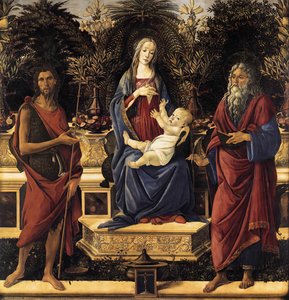
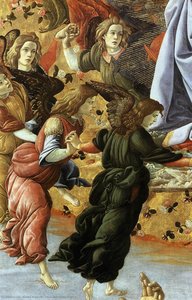
In the heart of the Early Renaissance, a period defined by the luminous rediscovery of classical ideals and profound spiritual devotion, Sandro Botticelli crafted one of his most transcendent achievements: The Coronation of the Virgin. Completed around 1480 for St. Mark’s Cathedral in Venice, this altarpiece serves as much more than a religious icon; it is a breathtaking narrative of divine majesty. The scene unfolds with an ethereal elegance, capturing the precise moment when the heavens and earth converge. At the center of this sacred tableau, Mary sits enthroned, her presence radiating a serene authority, while Jesus crowns her, signaling her exaltation. This central act of devotion is surrounded by a celestial host of angels, some poised in quiet contemplation with sacred texts, others playing instruments that seem to echo through the very halls of history. The composition is a masterclass in balance, drawing the eye upward toward the infinite blue sky that lends an unparalleled sense of depth and divine openness to the work.
Mastery of Technique and Florentine Elegance
Botticelli’s technical prowess is on full display through his meticulous use of tempera on panel. To achieve the luminous, jewel-like quality that characterizes this masterpiece, the artist employed sophisticated glazing techniques, layering translucent washes over opaque undercoats. This method allows light to penetrate the surface and reflect back, creating a vibrant, inner glow that makes the fabrics appear almost tactile. The drapery of Mary’s robes flows with a rhythmic grace, a hallmark of Botticelli’s style that eschews harsh, jarring lines in favor of soft, undulating contours. His ability to blend delicate ornamentation with anatomical realism reflects the burgeoning humanist spirit of the era—a movement that sought to find the divine within the beauty of the natural world. For the discerning collector or interior designer, this painting offers a sophisticated interplay of color and light, where soft hues and intricate details create a sense of refined luxury.
Symbolism and Emotional Resonance
Beyond its visual splendor, the altarpiece is a profound theological statement. Every figure and element within the composition is imbued with symbolic weight, designed to evoke a sense of reverence and awe in the viewer. The presence of various saints and figures engaged in quiet conversation suggests a community of faith that transcends time, bridging the gap between the mortal observer and the divine realm. The painting’s emotional impact lies in its ability to inspire peace; there is no chaos here, only a structured, harmonious celebration of grace. For those seeking to incorporate art into a space of reflection or grandeur, this reproduction offers an invitation to contemplate the sublime. It is a piece that does not merely decorate a wall but transforms an environment, bringing with it the timeless elegance of the Florentine Renaissance and a profound sense of spiritual tranquility.
Obras relacionadas
Biografía del artista
vida temprana y formación
Sandro Botticelli, nacido Alessandro di Mariano di Vanni Filipepi alrededor de 1445, fue una figura clave en el Renacimiento temprano de la pintura italiana. Inicialmente eclipsado post mortem, la obra de Botticelli fue revitalizada a finales del siglo XIX por los pre-rafaelitas, lo que llevó a una reevaluación de sus contribuciones artísticas. Botticelli nació en Florencia, Italia, y vivió toda su vida en el mismo barrio. Su familia, incluyendo a su padre Mariano di Vanni d'Amadeo Filipepi, estuvo involucrada en diversas profesiones, lo que les permitió entrar en contacto con artistas. Giorgio Vasari informó que Botticelli fue inicialmente entrenado como joyero.Estilo artístico y obras notables
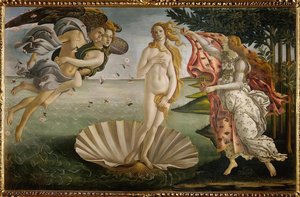
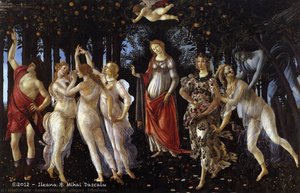
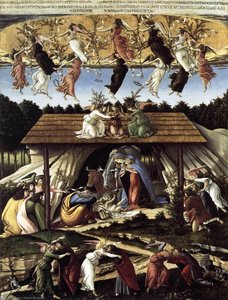
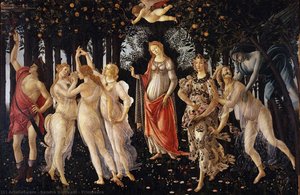
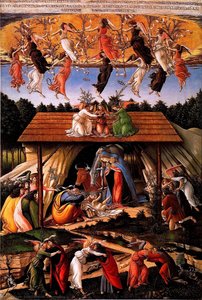
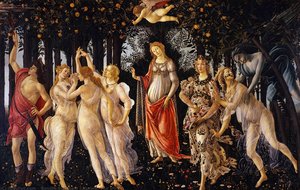
La obra de Botticelli se caracteriza por una elegante linealidad, que conecta el gótico tardío italiano con el Renacimiento temprano. Sus obras más famosas, El nacimiento de Venus y Primavera, se exhiben en la Galería Uffizi en Florencia, que alberga una importante colección de su arte. * El nacimiento de Venus (ver en ArtsDot) * Primavera (explorar el arte de Sandro Botticelli en ArtsDot) * La natividad mística (Galería Nacional, Londres), fechada en 1501, es la única obra de Botticelli con una fecha clara.Legado e influencia
El estilo de Botticelli evolucionó hacia un enfoque más personal en la década de 1490, divergente de sus contemporáneos como Leonardo da Vinci y el estilo del Alto Renacimiento emergente. Su obra ha sido reconocida como una contribución significativa al movimiento artístico del Renacimiento italiano. * El movimiento artístico del Renacimiento italiano * Sandro Botticelli en Wikipedia- Artistas notables del Renacimiento italiano incluyen a Sandro Botticelli, Leonardo da Vinci, Miguel Ángel y Tiziano.
- La Galería Uffizi de Florencia alberga una importante colección de arte de Botticelli.
- La obra de Botticelli ha sido reconocida como una figura clave en el Renacimiento temprano de la pintura italiana.
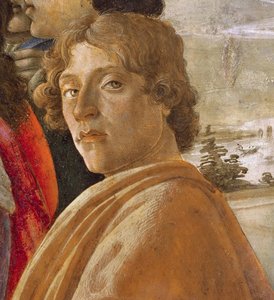
Sandro Botticelli
1445 - 1510 , Italia
Datos clave
- Artistas Que Influyeron:
- Fra Angelico
- Paolo Uccello
- Estilo Artístico: Renacimiento Temprano
- Fecha De Muerte: 1510
- Fecha De Nacimiento: c. 1445
- Influenciado A Artistas: ['Pre-Rafaelitas']
- Lugar De Nacimiento: Florencia, Italia
- Nacionalidad: Italiana
- Nombre Completo: Sandro Botticelli
- Obras Notables:
- El Nacimiento de Venus
- Primavera
- Natividad Mística
Artículos relacionados
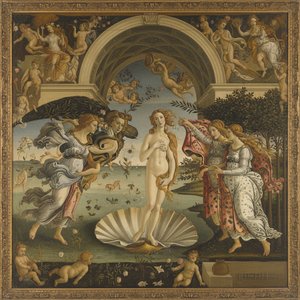
Botticelli: Las 25 Obras Maestras del Renacimiento para Decorar con Arte y Elegancia
Descubre las 25 obras maestras de Sandro Botticelli, el genio del Renacimiento italiano. Explora 'El Nacimiento de Venus', 'Primavera' y más: historia, técnica y belleza clásica. Encuentra reproducciones de arte exclusivas en ArtsDot.com.
Los 25 Tesoros del Uffizi: Arte Renacentista para tu Hogar | ArtsDot
Descubre los 25 tesoros del Uffizi en Florencia: Botticelli, Leonardo da Vinci y más. Explora la historia, el arte renacentista y encuentra reproducciones de alta calidad para tu hogar. ¡Inspírate con ArtsDot.com!
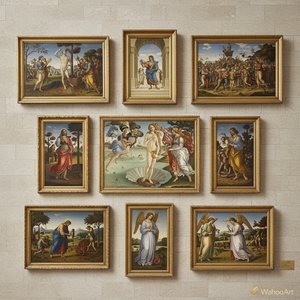
Los 10 Maestros del Renacimiento Temprano: Arte que Transformó el Mundo |
Descubre los 10 maestros del Renacimiento Temprano: Botticelli, Leonardo da Vinci y más. Explora la historia, técnica y belleza de obras icónicas italianas. Reproducciones de arte exclusivas en .

Fra Angelico: Las 25 Obras Maestras del Renacimiento para Decorar con Arte y Fe
Descubre las 25 obras maestras de Fra Angelico, el pintor renacentista que llenó el arte sacro de luz y fe. Explora su técnica, simbolismo y belleza en frescos e iconos. Encuentra reproducciones de alta calidad para decorar tu hogar con ArtsDot.com.
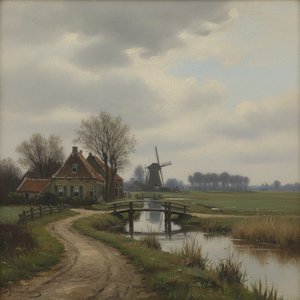
Jacob Henricus Maris: A Master of Dutch Atmospheric Realism & the Intimate Landscape
Explore the captivating world of Jacob Henricus Maris, a leading figure of the Dutch Hague School. Discover his atmospheric landscapes, signature brushstrokes & lasting influence on 19th-century art. Learn more at ArtsDot.