 Ver en contexto
 Enviar
 Compartir
 Detalles

 Descargar
 Similares
 Radiografía
 Presentación de diapositivas
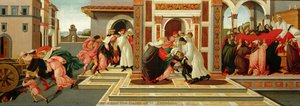
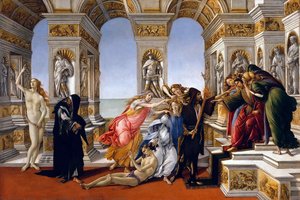
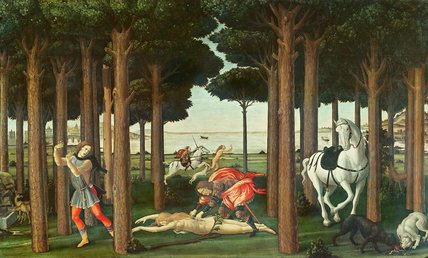
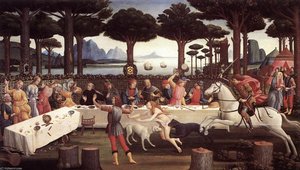
The Disembowelment Of The Woman Pursued

 Ver más
Reproducción al óleo hecha a mano
Óleo sobre lienzo pintado a mano en el tamaño y marco de su elección, realizado por encargo por nuestros artistas. ( Comprar impresión Comprar imagen)




P118B $10

P118H $10

P118W $10

P438Z $10

P508JH $12

P508YH $12

P805H $10

P805Z $10

P919BZ $10

P919G $10

P919XJ $10

P959ZH $10

P968JZ $12

W106C $8

W218G $10

W218JH $8

W218Y $10

W307PJ $10

W316G $10

W316PJ $8

W316Y $10

W398PJ $8

W4111J $10

W500HY $15

W500JH $15

W692G $12

W849H $8

W940BG $15

W953PJ $8




Elija entre nuestros tamaños predefinidos que respetan las proporciones originales de la obra.

Puede ingresar sus propias dimensiones para adaptarse a un marco o espacio específico. Si el tamaño seleccionado no coincide con las proporciones de la imagen original, recortaremos la obra o extenderemos la pintura con elementos adicionales pintados a mano. Se le enviará una maqueta digital para su aprobación antes de comenzar la producción.
Tenga en cuenta que la vista previa en pantalla no refleja el recorte o la extensión reales. Solo la maqueta mostrará con precisión la composición final.
Si bien existen tamaños personalizados, recomendamos seleccionar una dimensión de la lista predefinida para preservar las proporciones originales.
Tras realizar el pedido, el equipo de ArtsDot.com enviará un correo electrónico al cliente para solicitar instrucciones y proporcionarle una vista previa del boceto.
Envío a todo el mundo () en 3-4 semanas en lugar de las 5 semanas estándar. (30 agosto). Sin comprometer la calidad.

Envío exprés gratuito a todo el mundo

Lienzo de lino de alta calidad

Seguro de envío total

Garantía de reembolso de impuestos aduaneros

Garantía de fidelidad cromática exacta

Política de devolución de 60 días (solo por defectos)

Garantía de devolución del 100% del dinero

Descuento por cantidad
 La opción de vidrio solo está disponible en tamaños inferiores a 110 cm.

The Disembowelment Of The Woman Pursued
Técnica de reproducción
Dimensiones de la reproducción
-


Precio total final
$ 263
A Descent into Violence and Humanity – Sandro Botticelli’s Unsettling Vision
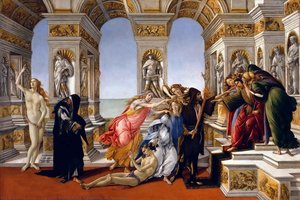
Sandro Botticelli's “The Disembowelment of the Woman Pursued,” a painting shrouded in mystery and steeped in unsettling drama, is far more than a depiction of brutal violence. Completed around 1483-87, this work, now part of the collection at the Prado Museum in Madrid, offers a profound meditation on power, vulnerability, and the devastating consequences of unchecked aggression—themes that resonate powerfully even today. It’s a scene ripped from the pages of a medieval ballad, rendered with Botticelli's signature blend of elegant line and emotionally charged color.
The painting immediately assaults the viewer with its chaotic composition. A group of men, their faces obscured by shadow and aggression, surround a woman lying prone on the ground. Swords gleam menacingly in the light, while horses rear up, adding to the sense of impending doom. Yet, amidst this violence, Botticelli masterfully introduces elements of humanity – a dog cowering at the bottom left corner, suggesting innocence caught in the crossfire, and the careful rendering of the woman’s face, conveying a mixture of terror and stoic dignity. The figures are not merely engaged in an act of barbarity; they seem almost mechanical, driven by a force beyond their control.
Botticelli's Renaissance Context: Myth, Morality, and Mannerism
To understand “The Disembowelment,” we must situate it within the broader context of Botticelli’s artistic career. Born Alessandro di Mariano Filipepi in Florence around 1445, Botticelli was a pivotal figure in the Early Renaissance, deeply influenced by both classical antiquity and the prevailing religious fervor of his time. He initially trained as a goldsmith, an experience that instilled in him a meticulous attention to detail and a love for intricate ornamentation – qualities evident in his later works. However, he quickly found his true calling under the tutelage of Fra Filippo Lippi, absorbing the techniques and aesthetics of the Florentine school.
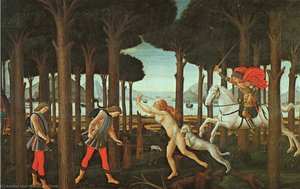
Botticelli’s style evolved throughout his career, moving from the more overtly religious commissions of his early years to increasingly mythological subjects. “The Disembowelment” exemplifies this shift towards a more dramatic and emotionally charged approach. It's considered part of a series of paintings based on the *Storie di Nastagio degli Onesti*, a collection of Florentine folk tales, and it shares thematic similarities with other works depicting violence and betrayal within the cycle. Interestingly, Botticelli’s style during this period is sometimes described as “mannerist,” characterized by elongated figures, exaggerated poses, and an emphasis on emotional expression—a departure from the idealized forms of classical art.
Symbolism and Interpretation: A Complex Narrative
The painting's symbolism is layered and open to interpretation. The woman herself has been identified as a representation of Florence, besieged by external forces – perhaps political rivals or foreign invaders. The act of disembowelment can be seen as a metaphor for the destruction of civic virtue and the corruption of power. The horses, often associated with chaos and unrest, further amplify this sense of turmoil. The presence of the dog is particularly poignant, symbolizing innocence and vulnerability in the face of brutality.
Francesco Rosselli, another prominent Florentine painter working during the same period, was known for his own depictions of violence and political intrigue, often reflecting the turbulent events of Florence’s republican history. Botticelli's work can be viewed as a more restrained and psychologically complex response to these themes, offering not just a visual spectacle but also a subtle commentary on human nature.
A Timeless Image: Botticelli’s Enduring Legacy
“The Disembowelment of the Woman Pursued” remains a profoundly unsettling yet captivating work of art. Its raw depiction of violence, combined with its carefully rendered details and symbolic richness, continues to resonate with viewers centuries after its creation. It serves as a stark reminder of the fragility of human life and the devastating consequences of unchecked aggression—themes that remain tragically relevant in our own time. Reproductions by ArtsDot offer an exceptional opportunity to experience this masterpiece firsthand, capturing Botticelli’s masterful technique and emotional intensity in stunning detail.
Obras relacionadas
Biografía del artista
vida temprana y formación
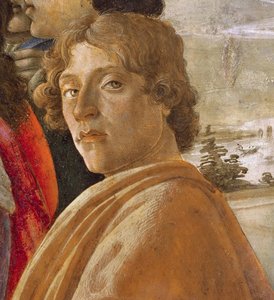
Sandro Botticelli, nacido Alessandro di Mariano di Vanni Filipepi alrededor de 1445, fue una figura clave en el Renacimiento temprano de la pintura italiana. Inicialmente eclipsado post mortem, la obra de Botticelli fue revitalizada a finales del siglo XIX por los pre-rafaelitas, lo que llevó a una reevaluación de sus contribuciones artísticas. Botticelli nació en Florencia, Italia, y vivió toda su vida en el mismo barrio. Su familia, incluyendo a su padre Mariano di Vanni d'Amadeo Filipepi, estuvo involucrada en diversas profesiones, lo que les permitió entrar en contacto con artistas. Giorgio Vasari informó que Botticelli fue inicialmente entrenado como joyero.Estilo artístico y obras notables
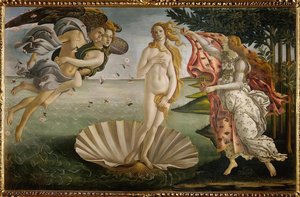
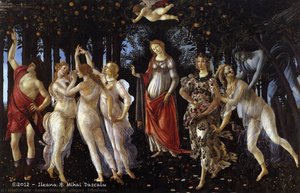
La obra de Botticelli se caracteriza por una elegante linealidad, que conecta el gótico tardío italiano con el Renacimiento temprano. Sus obras más famosas, El nacimiento de Venus y Primavera, se exhiben en la Galería Uffizi en Florencia, que alberga una importante colección de su arte. * El nacimiento de Venus (ver en ArtsDot) * Primavera (explorar el arte de Sandro Botticelli en ArtsDot) * La natividad mística (Galería Nacional, Londres), fechada en 1501, es la única obra de Botticelli con una fecha clara.Legado e influencia
El estilo de Botticelli evolucionó hacia un enfoque más personal en la década de 1490, divergente de sus contemporáneos como Leonardo da Vinci y el estilo del Alto Renacimiento emergente. Su obra ha sido reconocida como una contribución significativa al movimiento artístico del Renacimiento italiano. * El movimiento artístico del Renacimiento italiano * Sandro Botticelli en Wikipedia- Artistas notables del Renacimiento italiano incluyen a Sandro Botticelli, Leonardo da Vinci, Miguel Ángel y Tiziano.
- La Galería Uffizi de Florencia alberga una importante colección de arte de Botticelli.
- La obra de Botticelli ha sido reconocida como una figura clave en el Renacimiento temprano de la pintura italiana.
Sandro Botticelli
1445 - 1510 , Italia
Datos clave
- Artistas Que Influyeron:
- Fra Angelico
- Paolo Uccello
- Estilo Artístico: Renacimiento Temprano
- Fecha De Muerte: 1510
- Fecha De Nacimiento: c. 1445
- Influenciado A Artistas: ['Pre-Rafaelitas']
- Lugar De Nacimiento: Florencia, Italia
- Nacionalidad: Italiana
- Nombre Completo: Sandro Botticelli
- Obras Notables:
- El Nacimiento de Venus
- Primavera
- Natividad Mística
Artículos relacionados
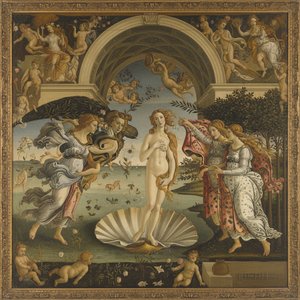
Botticelli: Las 25 Obras Maestras del Renacimiento para Decorar con Arte y Elegancia
Descubre las 25 obras maestras de Sandro Botticelli, el genio del Renacimiento italiano. Explora 'El Nacimiento de Venus', 'Primavera' y más: historia, técnica y belleza clásica. Encuentra reproducciones de arte exclusivas en ArtsDot.com.
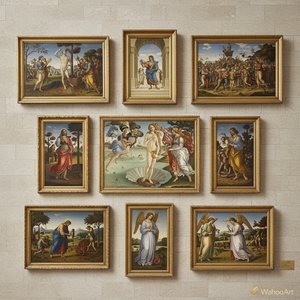
Los 10 Maestros del Renacimiento Temprano: Arte que Transformó el Mundo |
Descubre los 10 maestros del Renacimiento Temprano: Botticelli, Leonardo da Vinci y más. Explora la historia, técnica y belleza de obras icónicas italianas. Reproducciones de arte exclusivas en .
Los 25 Tesoros del Uffizi: Arte Renacentista para tu Hogar | ArtsDot
Descubre los 25 tesoros del Uffizi en Florencia: Botticelli, Leonardo da Vinci y más. Explora la historia, el arte renacentista y encuentra reproducciones de alta calidad para tu hogar. ¡Inspírate con ArtsDot.com!
Las 25 Obras Maestras del Staatliche Museen Berlin: Arte, Historia y Decoración Exclusiva
Descubre las 25 obras maestras del Staatliche Museen Berlín. Explora la historia, el arte alemán y artistas como Nefertiti o Schinkel. Reproducciones de alta calidad para decorar tu hogar con elegancia. ¡Encuentra tu inspiración en ArtsDot.com!
10 Obras Maestras del Temple que Revolucionaron la Historia del Arte | ArtsDot
Descubre 10 obras maestras del temple sobre tabla que revolucionaron el arte medieval y renacentista. Explora la historia de Botticelli, Van Eyck y Giotto. Reproducciones de arte de museo para decorar tu hogar con elegancia en ArtsDot.com.