

 Ver en contexto
 Enviar
 Compartir
 Detalles

 Descargar
 Similares
 Radiografía
 Presentación de diapositivas
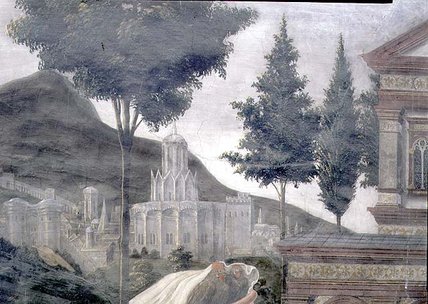
The Purification Of The Leper And The Temptation Of Christ -

 Ver más
Adquiera una imagen digital de alta resolución y optimizada, muy superior a la vista previa en línea.
Cada archivo es preparado meticulosamente por nuestros especialistas internos mediante el uso de herramientas avanzadas y un experto retoque manual. Nos aseguramos de que cada imagen posea una claridad excepcional, una precisión cromática impecable y un detalle minucioso.
El archivo final se entrega por correo electrónico en un plazo de 72 horas, optimizado para su uso inmediato en entornos profesionales, editoriales y de impresión. Esta es la misma calidad en la que confían los estudios de diseño, las editoriales y las galerías de primer nivel.
Imagen Digital
Descarga un archivo de alta resolución para exhibición personal, impresión y proyectos creativos. ( Comprar impresión Comprar pintura hecha a mano)
Incluido en cada pedido de imágenes digitales
Entrega digital experta, garantizada.
Al elegir ArtsDot.com, no solo está adquiriendo una imagen; está recibiendo una obra de arte digital mejorada profesionalmente, elaborada con precisión y respaldada por una garantía de satisfacción. Esto es todo lo que incluye su pedido, automáticamente:

Entrega rápida por email
Recibirá su archivo de imagen digital en alta resolución por correo electrónico en un plazo de 72 horas tras realizar su pedido, listo para su uso inmediato.

Archivo digital optimizado por IA
Su obra de arte se optimiza profesionalmente mediante herramientas avanzadas de IA y edición manual, garantizando el máximo detalle, claridad y precisión cromática.

Reenvío gratuito de por vida
¿Has borrado o perdido tu archivo por error? No te preocupes: te lo volveremos a enviar en cualquier momento, sin coste adicional.

Sin gastos de importación, siempre
Disfrute de su obra de arte al instante sin aduanas, aranceles ni gastos de envío; las descargas digitales siempre están libres de impuestos.

Garantía de fidelidad de color
Garantizamos que su imagen digital refleje los colores originales con la mayor fidelidad posible, mediante el uso de herramientas profesionales y gestión del color.

Garantía de satisfacción de 60 días
Si no está satisfecho con su imagen digital, la revisaremos o le reembolsaremos el 100% en un plazo de 60 días, sin preguntas.

100% Garantía de devolución de dinero
¿No está satisfecho? Obtenga un reembolso completo dentro de los 60 días posteriores a la recepción de su archivo digital, sin necesidad de explicaciones.

Descuentos por pedidos grandes
Compra 3 imágenes, ahorra 10% - Compra 5, ahorra 15% - Compra 10+, ahorra 20%. Ideal para proyectos creativos, galerías y agencias.
Descripción del coleccionable
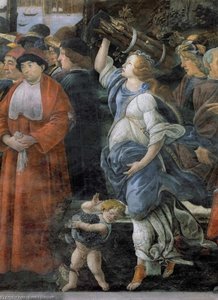
Sandro Botticelli’s Dramatic Narrative: The Purification of the Leper and the Temptation of Christ
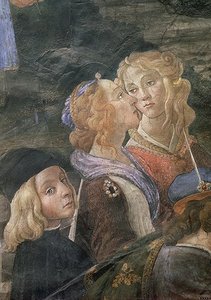
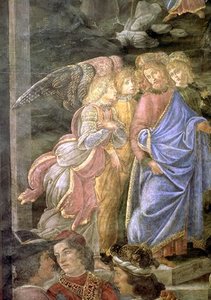
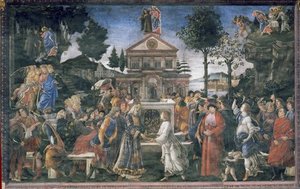
Sandro Botticelli's "The Purification of the Leper and the Temptation of Christ" stands as a powerful testament to the artist’s mastery of narrative painting within the context of the Florentine Early Renaissance. This captivating work, depicting a pivotal moment of religious drama, immediately draws the viewer into a bustling townscape – a carefully constructed environment brimming with symbolic weight and human interaction. The scene unfolds with a palpable tension: on one side, Christ confronts temptation amidst a gathering of onlookers; on the other, a leper seeks purification, highlighting themes of sin, redemption, and divine grace that were central to Renaissance thought.
- Subject Matter: The painting’s core narrative is drawn from biblical accounts, specifically focusing on Christ's temptation in the wilderness and the ritual cleansing of a leper. This combination elevates the work beyond a simple depiction of religious events, exploring complex moral and spiritual questions.
- Composition: Botticelli employs a dynamic composition, utilizing diagonal lines to create movement and guide the viewer’s eye across the scene. The placement of figures – Christ centrally, surrounded by both devotees and those seeking healing – emphasizes their importance within the narrative.
A Masterclass in Florentine Technique
Botticelli's distinctive style is immediately recognizable in this work. Characterized by a graceful elegance and an almost ethereal quality, his technique relies on meticulous observation of human form and a sophisticated understanding of color and perspective. The artist’s use of tempera paint – a common medium for Florentine artists at the time – allows for vibrant hues and subtle gradations, contributing to the painting's luminous effect. Note the delicate rendering of drapery, the smooth transitions between light and shadow, and the expressive gestures of the figures—all hallmarks of Botticelli’s approach.
- Color Palette: The color scheme is rich and evocative, dominated by blues, reds, and golds – colors traditionally associated with religious devotion and royalty.
- Line Work: Botticelli's signature linear style is evident in the precise outlines of the figures and architectural elements, contributing to the painting’s clarity and impact.
Symbolism and Historical Context
"The Purification of the Leper and the Temptation of Christ" reflects the intellectual and spiritual climate of Florence during the Early Renaissance. The Medici family, prominent patrons of the arts, were deeply invested in humanist ideals that emphasized human potential and a renewed interest in classical antiquity. This painting engages with these themes through its exploration of sin, repentance, and divine intervention. The inclusion of a horse – a symbol of power and nobility – further underscores the scene’s grandeur and significance. The presence of the leper itself carries profound symbolic weight, representing humanity's vulnerability and need for spiritual cleansing.
Historical Context:** Created during Botticelli’s most prolific period (circa 1480-1500), this work exemplifies the artist’s evolving style and his engagement with complex religious narratives. It aligns with a broader trend in Florentine art of depicting biblical scenes with heightened emotional intensity and dramatic composition.Emotional Impact and Artistic Legacy
Botticelli's ability to capture human emotion is evident in the faces of the figures – their expressions ranging from piety and devotion to doubt and apprehension. The painting’s overall effect is one of profound drama, inviting viewers to contemplate the timeless questions of faith, morality, and redemption. This work remains a cornerstone of Renaissance art, admired for its beauty, narrative power, and technical brilliance. A hand-painted reproduction offers an unparalleled opportunity to experience the full impact of Botticelli's vision.
Obras relacionadas
Biografía del artista
vida temprana y formación
Sandro Botticelli, nacido Alessandro di Mariano di Vanni Filipepi alrededor de 1445, fue una figura clave en el Renacimiento temprano de la pintura italiana. Inicialmente eclipsado post mortem, la obra de Botticelli fue revitalizada a finales del siglo XIX por los pre-rafaelitas, lo que llevó a una reevaluación de sus contribuciones artísticas. Botticelli nació en Florencia, Italia, y vivió toda su vida en el mismo barrio. Su familia, incluyendo a su padre Mariano di Vanni d'Amadeo Filipepi, estuvo involucrada en diversas profesiones, lo que les permitió entrar en contacto con artistas. Giorgio Vasari informó que Botticelli fue inicialmente entrenado como joyero.Estilo artístico y obras notables
La obra de Botticelli se caracteriza por una elegante linealidad, que conecta el gótico tardío italiano con el Renacimiento temprano. Sus obras más famosas, El nacimiento de Venus y Primavera, se exhiben en la Galería Uffizi en Florencia, que alberga una importante colección de su arte. * El nacimiento de Venus (ver en ArtsDot) * Primavera (explorar el arte de Sandro Botticelli en ArtsDot) * La natividad mística (Galería Nacional, Londres), fechada en 1501, es la única obra de Botticelli con una fecha clara.Legado e influencia
El estilo de Botticelli evolucionó hacia un enfoque más personal en la década de 1490, divergente de sus contemporáneos como Leonardo da Vinci y el estilo del Alto Renacimiento emergente. Su obra ha sido reconocida como una contribución significativa al movimiento artístico del Renacimiento italiano. * El movimiento artístico del Renacimiento italiano * Sandro Botticelli en Wikipedia- Artistas notables del Renacimiento italiano incluyen a Sandro Botticelli, Leonardo da Vinci, Miguel Ángel y Tiziano.
- La Galería Uffizi de Florencia alberga una importante colección de arte de Botticelli.
- La obra de Botticelli ha sido reconocida como una figura clave en el Renacimiento temprano de la pintura italiana.
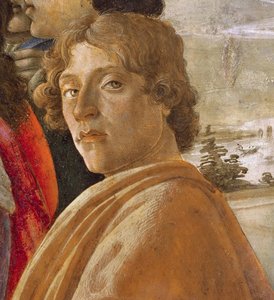
Sandro Botticelli
1445 - 1510 , Italia
Breves datos
- Artistas Que Influyeron:
- Fra Angelico
- Paolo Uccello
- Estilo Artístico: Renacimiento Temprano
- Fecha De Muerte: 1510
- Fecha De Nacimiento: c. 1445
- Influenciado A Artistas: ['Pre-Rafaelitas']
- Lugar De Nacimiento: Florencia, Italia
- Nacionalidad: Italiana
- Nombre Completo: Sandro Botticelli
- Obras Notables:
- El Nacimiento de Venus
- Primavera
- Natividad Mística

