Enviar
 Compartir
 Detalles

 Descargar
 Similares
 Presentación de diapositivas
The Purification Of The Leper And The Temptation Of Christ -


 Ver más
Reproducción al óleo hecha a mano
Óleo sobre lienzo pintado a mano en el tamaño y marco de su elección, realizado por encargo por nuestros artistas. ( Comprar impresión Comprar imagen)




































Elija entre nuestros tamaños predefinidos que respetan las proporciones originales de la obra.

Puede ingresar sus propias dimensiones para adaptarse a un marco o espacio específico. Si el tamaño seleccionado no coincide con las proporciones de la imagen original, recortaremos la obra o extenderemos la pintura con elementos adicionales pintados a mano. Se le enviará una maqueta digital para su aprobación antes de comenzar la producción.
Tenga en cuenta que la vista previa en pantalla no refleja el recorte o la extensión reales. Solo la maqueta mostrará con precisión la composición final.
Si bien existen tamaños personalizados, recomendamos seleccionar una dimensión de la lista predefinida para preservar las proporciones originales.
Tras realizar el pedido, el equipo de ArtsDot.com enviará un correo electrónico al cliente para solicitar instrucciones y proporcionarle una vista previa del boceto.
Envío a todo el mundo () en 3-4 semanas en lugar de las 5 semanas estándar. (24 agosto). Sin comprometer la calidad.

Envío exprés gratuito a todo el mundo

Lienzo de lino de alta calidad

Seguro de envío total

Garantía de reembolso de impuestos aduaneros

Garantía de fidelidad cromática exacta

Política de devolución de 60 días (solo por defectos)

Garantía de devolución del 100% del dinero

Descuento por cantidad
 La opción de vidrio solo está disponible en tamaños inferiores a 110 cm.

The Purification Of The Leper And The Temptation Of Christ -
Técnica de reproducción
Dimensiones de la reproducción
-


Precio total final
$ 263
Descripción de la obra
A Vision of Faith and Grace in the Florentine Renaissance
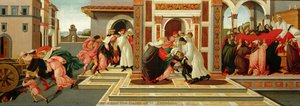
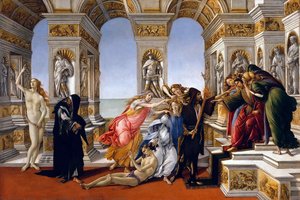
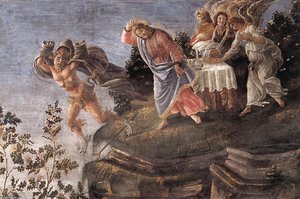
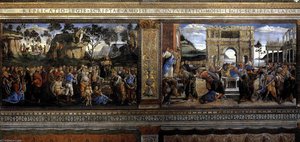
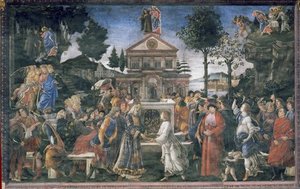
In the heart of the Italian Renaissance, where the boundaries between the earthly and the divine often blurred into a single, poetic expression, Sandro Botticelli crafted a masterpiece that remains a profound testament to spiritual resilience. The Purification Of The Leper And The Temptation Of Christ is not merely a depiction of biblical narrative; it is a sweeping, emotional journey through the dualities of human existence—the struggle between temptation and purity, and the transformative power of divine mercy. Painted around 1480, this work captures the essence of the Florentine school, blending a meticulous sense of devotion with an unparalleled elegance that continues to captivate the modern eye.
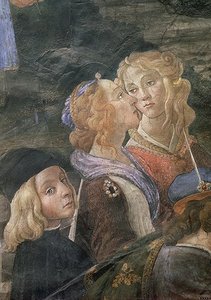
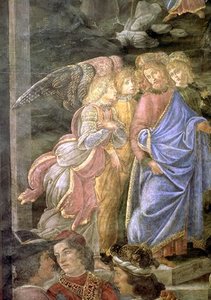
The composition unfolds like a sacred drama, inviting the viewer into a meticulously crafted landscape bathed in the soft, ethereal light characteristic of the Tuscan countryside. At the center of this spiritual theater, we witness a moment of profound tenderness: the ritualistic cleansing of a child. As Jesus Christ gently tends to the afflicted, his gestures embody a quiet, monumental compassion. Surrounding this central act of healing are celestial figures—angels that stand as silent guardians of the sanctity of the moment. The inclusion of secondary figures and the panoramic vista of Florence in the background ground this divine event in a recognizable reality, suggesting that the struggle for grace is an ever-present part of the human community.
The Mastery of Line and the Language of Symbolism
To behold a Botticelli is to experience the rhythmic beauty of line. Unlike many of his contemporaries who sought to overwhelm the viewer with heavy shadows or hyper-realistic textures, Botticelli utilized a linear grace that defines the very soul of his work. His brushstrokes are fluid and delicate, creating silhouettes that seem to dance across the surface. This technique does more than just define form; it imbues the figures with a weightless, almost otherworldly quality, making the characters appear as if they are caught in a moment of eternal grace.
The symbolism embedded within the fresco is as rich as its visual beauty. The act of purification serves as a powerful metaphor for the cleansing of the soul from sin, while the juxtaposition with the temptation of Christ reminds us of the constant vigilance required in the face of earthly desire. For the collector or the interior designer, this piece offers more than just aesthetic appeal; it provides a focal point of deep intellectual and spiritual resonance. The soft pastel tones and the balanced, harmonious arrangement of figures create an atmosphere of tranquility and contemplation, making it an ideal centerpiece for spaces designed for reflection, such as a private library, a formal study, or a sophisticated gallery setting.
An Enduring Legacy for the Discerning Collector
For those seeking to bring the majesty of the Renaissance into a contemporary environment, a high-quality reproduction of this work offers a unique opportunity to connect with history. The emotional impact of Botticelli’s vision lies in its ability to evoke empathy and awe simultaneously. It is a piece that speaks to the timeless human condition—our vulnerabilities, our trials, and our capacity for renewal.
Integrating such a masterpiece into an interior design scheme requires an appreciation for its narrative depth. Whether placed in a room characterized by classical elegance or used as a bold statement in a modern minimalist space, the painting’s intricate details and soft luminosity command attention. It serves as a window into a period of extraordinary cultural ferment, offering a sense of permanence and historical weight that few other art forms can provide. Owning a piece of this legacy is an invitation to live surrounded by the enduring beauty of Florentine genius.
Obras relacionadas
Biografía del artista
vida temprana y formación
Sandro Botticelli, nacido Alessandro di Mariano di Vanni Filipepi alrededor de 1445, fue una figura clave en el Renacimiento temprano de la pintura italiana. Inicialmente eclipsado post mortem, la obra de Botticelli fue revitalizada a finales del siglo XIX por los pre-rafaelitas, lo que llevó a una reevaluación de sus contribuciones artísticas. Botticelli nació en Florencia, Italia, y vivió toda su vida en el mismo barrio. Su familia, incluyendo a su padre Mariano di Vanni d'Amadeo Filipepi, estuvo involucrada en diversas profesiones, lo que les permitió entrar en contacto con artistas. Giorgio Vasari informó que Botticelli fue inicialmente entrenado como joyero.Estilo artístico y obras notables
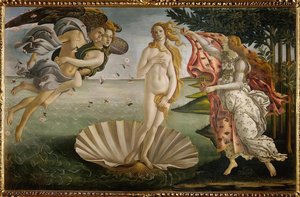
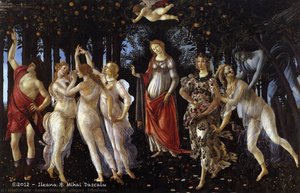
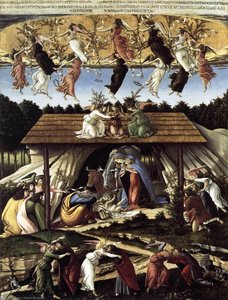
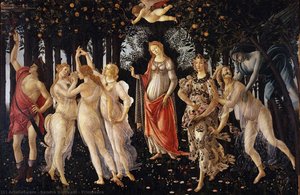
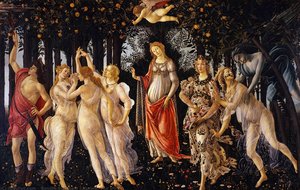
La obra de Botticelli se caracteriza por una elegante linealidad, que conecta el gótico tardío italiano con el Renacimiento temprano. Sus obras más famosas, El nacimiento de Venus y Primavera, se exhiben en la Galería Uffizi en Florencia, que alberga una importante colección de su arte. * El nacimiento de Venus (ver en ArtsDot) * Primavera (explorar el arte de Sandro Botticelli en ArtsDot) * La natividad mística (Galería Nacional, Londres), fechada en 1501, es la única obra de Botticelli con una fecha clara.Legado e influencia
El estilo de Botticelli evolucionó hacia un enfoque más personal en la década de 1490, divergente de sus contemporáneos como Leonardo da Vinci y el estilo del Alto Renacimiento emergente. Su obra ha sido reconocida como una contribución significativa al movimiento artístico del Renacimiento italiano. * El movimiento artístico del Renacimiento italiano * Sandro Botticelli en Wikipedia- Artistas notables del Renacimiento italiano incluyen a Sandro Botticelli, Leonardo da Vinci, Miguel Ángel y Tiziano.
- La Galería Uffizi de Florencia alberga una importante colección de arte de Botticelli.
- La obra de Botticelli ha sido reconocida como una figura clave en el Renacimiento temprano de la pintura italiana.
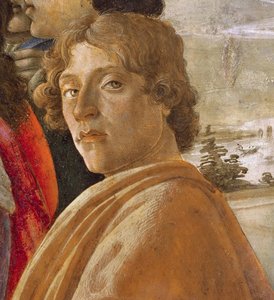
Sandro Botticelli
1445 - 1510 , Italia
Datos clave
- Artistas Que Influyeron:
- Fra Angelico
- Paolo Uccello
- Estilo Artístico: Renacimiento Temprano
- Fecha De Muerte: 1510
- Fecha De Nacimiento: c. 1445
- Influenciado A Artistas: ['Pre-Rafaelitas']
- Lugar De Nacimiento: Florencia, Italia
- Nacionalidad: Italiana
- Nombre Completo: Sandro Botticelli
- Obras Notables:
- El Nacimiento de Venus
- Primavera
- Natividad Mística
Artículos relacionados
Botticelli: Las 25 Obras Maestras del Renacimiento para Decorar con Arte y Elegancia
Descubre las 25 obras maestras de Sandro Botticelli, el genio del Renacimiento italiano. Explora 'El Nacimiento de Venus', 'Primavera' y más: historia, técnica y belleza clásica. Encuentra reproducciones de arte exclusivas en ArtsDot.com.

Legado en las Paredes: Frescos Familiares que Trascienden el Tiempo
Descubre el arte del fresco muralístico para inmortalizar tu historia familiar. Expertos en frescos personalizados y técnicas ancestrales. Crea un legado visual único con .

The Enduring Legacy of Fresco: Technique, History & Artistic Expression Across Cultures
Explore the rich history & enduring legacy of fresco painting! Discover ancient techniques, Giotto's masterpieces, and modern applications. Expert insights for art lovers & professionals.

The Enduring Legacy of Fresco Painting: Techniques, History & Contemporary Relevance
Explore the rich history & enduring artistry of fresco painting – from Giotto to Michelangelo! Discover techniques, conservation efforts, & modern applications. Learn how ArtsDot brings this timeless art form to your home.

¿El Arte que Habita Contigo: El Poder Emocional de un Fresco Interior Personalizado?
Descubre el poder emocional de un fresco interior personalizado. Expertos en arte te guían para crear una obra única que refleje tu estilo y valore tu hogar. : calidad, confianza y diseño excepcional.