 Ver en contexto
 Enviar
 Compartir
 Detalles

 Descargar
 Similares
 Radiografía
 Presentación de diapositivas
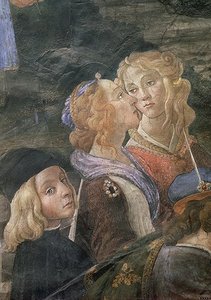
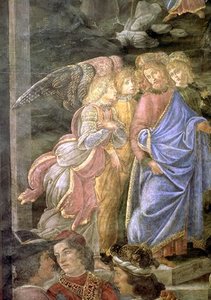
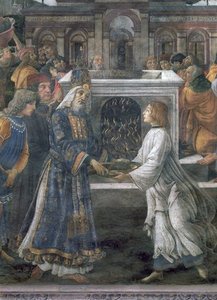
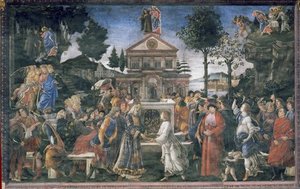
The Purification Of The Leper And The Temptation Of Christ - (8)

 Ver más
Reproducción al óleo hecha a mano
Óleo sobre lienzo pintado a mano en el tamaño y marco de su elección, realizado por encargo por nuestros artistas. ( Comprar impresión Comprar imagen)




P118B $10

P118H $10

P118W $10

P438Z $10

P508JH $12

P508YH $12

P805H $10

P805Z $10

P919BZ $10

P919G $10

P919XJ $10

P959ZH $10

P968JZ $12

W106C $8

W218G $10

W218JH $8

W218Y $10

W307PJ $10

W316G $10

W316PJ $8

W316Y $10

W398PJ $8

W4111J $10

W500HY $15

W500JH $15

W692G $12

W849H $8

W940BG $15

W953PJ $8




Elija entre nuestros tamaños predefinidos que respetan las proporciones originales de la obra.

Puede ingresar sus propias dimensiones para adaptarse a un marco o espacio específico. Si el tamaño seleccionado no coincide con las proporciones de la imagen original, recortaremos la obra o extenderemos la pintura con elementos adicionales pintados a mano. Se le enviará una maqueta digital para su aprobación antes de comenzar la producción.
Tenga en cuenta que la vista previa en pantalla no refleja el recorte o la extensión reales. Solo la maqueta mostrará con precisión la composición final.
Si bien existen tamaños personalizados, recomendamos seleccionar una dimensión de la lista predefinida para preservar las proporciones originales.
Tras realizar el pedido, el equipo de ArtsDot.com enviará un correo electrónico al cliente para solicitar instrucciones y proporcionarle una vista previa del boceto.
Envío a todo el mundo () en 3-4 semanas en lugar de las 5 semanas estándar. (24 agosto). Sin comprometer la calidad.

Envío exprés gratuito a todo el mundo

Lienzo de lino de alta calidad

Seguro de envío total

Garantía de reembolso de impuestos aduaneros

Garantía de fidelidad cromática exacta

Política de devolución de 60 días (solo por defectos)

Garantía de devolución del 100% del dinero

Descuento por cantidad
 La opción de vidrio solo está disponible en tamaños inferiores a 110 cm.

The Purification Of The Leper And The Temptation Of Christ - (8)
Técnica de reproducción
Dimensiones de la reproducción
-


Precio total final
$ 263
Descripción de la obra
A Moment of Grace: Botticelli's "The Purification Of The Leper And The Temptation Of Christ"
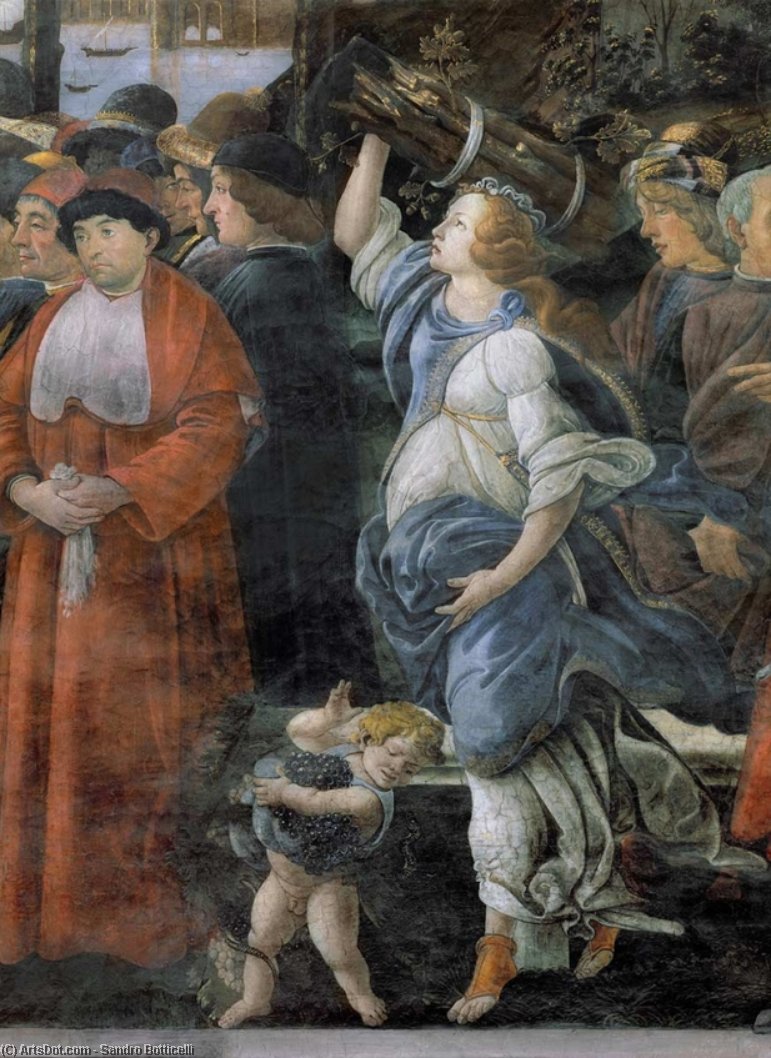
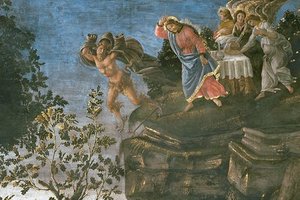
Sandro Botticelli’s “The Purification Of The Leper And The Temptation Of Christ” is more than a depiction of biblical narrative; it’s a profound meditation on the human condition, rendered with an unparalleled sensitivity to light and form. Painted around 1500 during Florence's Early Renaissance, this work captures the spirit of a burgeoning era – one that simultaneously embraced classical ideals while grounding itself in deeply felt Christian belief. The scene unfolds with a quiet intensity, populated by figures whose expressions hint at both profound faith and the inherent struggles of earthly desire. Botticelli’s signature style—characterized by flowing lines, delicate modeling, and an almost ethereal quality—elevates this seemingly simple religious tableau into something truly sublime.
Subject Matter and Narrative Complexity
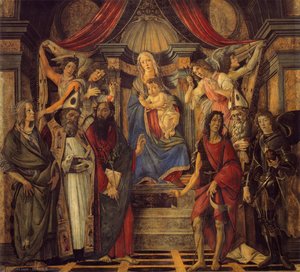
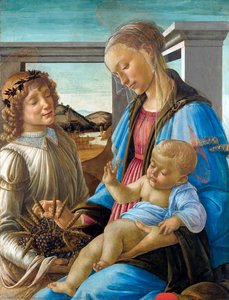
At its core, the painting presents a complex interplay of narratives. The central event is undoubtedly the purification of a leper, a motif frequently employed in Florentine art to symbolize repentance and spiritual cleansing – a tangible representation of humanity’s need for redemption. Yet, interwoven with this act of piety is the subtle presence of Christ himself, represented by the central figure holding a baby. This gesture, widely interpreted as Mary cradling the infant Jesus, introduces the theme of temptation and ultimately, salvation. The composition isn't merely illustrating a single story; it’s exploring the tension between divine grace and human fallibility, a struggle that resonates across centuries.
Technique: Tempera on Panel – A Masterclass in Detail
Botticelli’s mastery of tempera on panel is immediately apparent. The pigments are applied with meticulous precision, creating subtle gradations of tone that give form to the figures and imbue them with a luminous glow. Notice particularly the delicate rendering of fabrics—the woman's flowing blue dress is a testament to his extraordinary attention to detail. This technique, favored for its ability to create rich colors and sharp lines, allowed Botticelli to achieve an unparalleled level of realism within the context of religious art. The layering of translucent glazes creates depth and luminosity, contributing significantly to the painting’s ethereal quality.
Symbolism – Layers of Meaning in a Renaissance Vision
The painting is rich with symbolic meaning, reflecting the intellectual currents of the Renaissance. The inclusion of a book in the foreground—likely representing sacred texts—emphasizes the importance of scripture as a guide to spiritual understanding. The figures themselves are not simply participants; they embody specific virtues and challenges. The woman holding the baby – universally recognized as Mary – symbolizes maternal love, divine protection, and the promise of redemption. The careful arrangement of these elements invites contemplation on themes of faith, charity, and the eternal struggle between good and evil.
Emotional Impact and Historical Context
"The Purification Of The Leper And The Temptation Of Christ" offers a poignant glimpse into the spiritual landscape of Renaissance Florence. Botticelli’s ability to capture both the solemnity of religious devotion and the vulnerability of human emotion is what makes this work so enduringly captivating. It's a reminder that even within moments of profound grace, the shadow of temptation lingers – a timeless truth rendered with breathtaking beauty and technical skill.
Obras relacionadas
Biografía del artista
vida temprana y formación
Sandro Botticelli, nacido Alessandro di Mariano di Vanni Filipepi alrededor de 1445, fue una figura clave en el Renacimiento temprano de la pintura italiana. Inicialmente eclipsado post mortem, la obra de Botticelli fue revitalizada a finales del siglo XIX por los pre-rafaelitas, lo que llevó a una reevaluación de sus contribuciones artísticas. Botticelli nació en Florencia, Italia, y vivió toda su vida en el mismo barrio. Su familia, incluyendo a su padre Mariano di Vanni d'Amadeo Filipepi, estuvo involucrada en diversas profesiones, lo que les permitió entrar en contacto con artistas. Giorgio Vasari informó que Botticelli fue inicialmente entrenado como joyero.Estilo artístico y obras notables
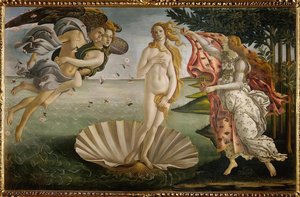
La obra de Botticelli se caracteriza por una elegante linealidad, que conecta el gótico tardío italiano con el Renacimiento temprano. Sus obras más famosas, El nacimiento de Venus y Primavera, se exhiben en la Galería Uffizi en Florencia, que alberga una importante colección de su arte. * El nacimiento de Venus (ver en ArtsDot) * Primavera (explorar el arte de Sandro Botticelli en ArtsDot) * La natividad mística (Galería Nacional, Londres), fechada en 1501, es la única obra de Botticelli con una fecha clara.Legado e influencia
El estilo de Botticelli evolucionó hacia un enfoque más personal en la década de 1490, divergente de sus contemporáneos como Leonardo da Vinci y el estilo del Alto Renacimiento emergente. Su obra ha sido reconocida como una contribución significativa al movimiento artístico del Renacimiento italiano. * El movimiento artístico del Renacimiento italiano * Sandro Botticelli en Wikipedia- Artistas notables del Renacimiento italiano incluyen a Sandro Botticelli, Leonardo da Vinci, Miguel Ángel y Tiziano.
- La Galería Uffizi de Florencia alberga una importante colección de arte de Botticelli.
- La obra de Botticelli ha sido reconocida como una figura clave en el Renacimiento temprano de la pintura italiana.
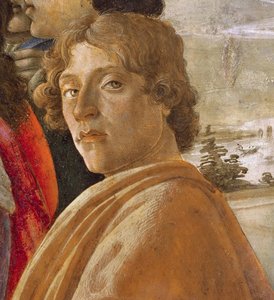
Sandro Botticelli
1445 - 1510 , Italia
Datos clave
- Artistas Que Influyeron:
- Fra Angelico
- Paolo Uccello
- Estilo Artístico: Renacimiento Temprano
- Fecha De Muerte: 1510
- Fecha De Nacimiento: c. 1445
- Influenciado A Artistas: ['Pre-Rafaelitas']
- Lugar De Nacimiento: Florencia, Italia
- Nacionalidad: Italiana
- Nombre Completo: Sandro Botticelli
- Obras Notables:
- El Nacimiento de Venus
- Primavera
- Natividad Mística
Artículos relacionados
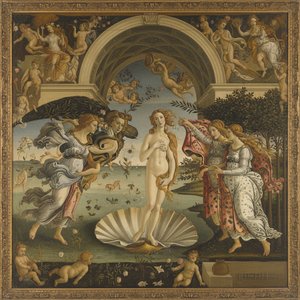
Botticelli: Las 25 Obras Maestras del Renacimiento para Decorar con Arte y Elegancia
Descubre las 25 obras maestras de Sandro Botticelli, el genio del Renacimiento italiano. Explora 'El Nacimiento de Venus', 'Primavera' y más: historia, técnica y belleza clásica. Encuentra reproducciones de arte exclusivas en ArtsDot.com.

Las 10 Obras Maestras del Azul Pizarra: Arte, Historia y Decoración
Descubre las 10 pinturas más famosas dominadas por el azul pizarra. Explora la historia, técnica y belleza de Monet, Van Gogh y otros maestros. Encuentra reproducciones de arte exclusivas para decorar tu hogar en .

Serene Blue Backgrounds: Discover Soulful Art to Transform Your Space with Timeless Elegance
Transform your home with soulful blue art. From serene Monet impressions to modern textured sculptures, discover curated masterpieces designed to inspire calm. Explore expert art consultations and bespoke hand-painted reproductions to create your personal sanctuary.
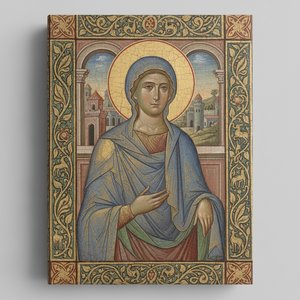
10 Obras Maestras del Temple que Revolucionaron la Historia del Arte | ArtsDot
Descubre 10 obras maestras del temple sobre tabla que revolucionaron el arte medieval y renacentista. Explora la historia de Botticelli, Van Eyck y Giotto. Reproducciones de arte de museo para decorar tu hogar con elegancia en ArtsDot.com.
El Resplandor del Tiempo: Explorando la Técnica y el Legado de la Témpera sobre Tabla
Descubra la fascinante historia y técnica de la témpera sobre tabla. Explore los materiales, el simbolismo y la conservación de esta antigua forma de arte con ArtsDot.