 Vista previa
 Compartir
 Compartir
 Ver detalles

 Descargar
 Ver similares
 Radiografía
 Presentación de diapositivas
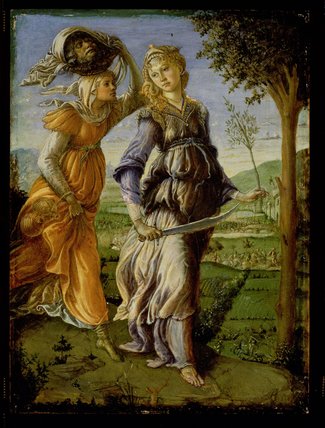
The Return Of Judith


 Leer más
Giclée / Impresión de arte
Impresiones giclée o en lienzo de calidad de museo con producción rápida y opciones de acabado flexibles. ( Encargar reproducción pintada a mano Comprar descarga)




P118B $10

P118H $10

P118W $10

P438Z $10

P508JH $12

P508YH $12

P805H $10

P805Z $10

P919BZ $10

P919G $10

P919XJ $10

P959ZH $10

P968JZ $12

W106C $8

W218G $10

W218JH $8

W218Y $10

W307PJ $10

W316G $10

W316PJ $8

W316Y $10

W398PJ $8

W4111J $10

W500HY $15

W500JH $15

W692G $12

W849H $8

W940BG $15

W953PJ $8




Elija entre nuestros tamaños predefinidos que respetan las proporciones originales de la obra.

Puede introducir sus propias dimensiones para adaptarse a un marco o espacio específico. Si el tamaño seleccionado no coincide con las proporciones de la imagen original, recortaremos la obra de arte o extenderemos la imagen con un borde con efecto espejo o de color sólido. Se enviará una maqueta digital para su aprobación antes de que comience la producción.
Tenga en cuenta que la vista previa en pantalla no refleja el recorte o la extensión real. Solo la maqueta mostrará con precisión la composición final.
Aunque existen tamaños personalizados, recomendamos seleccionar una dimensión de la lista predefinida para preservar las proporciones originales.
Envío a todo el mundo () en 2 semanas en lugar de las 4/5 semanas estándar. (21 agosto)

Envío exprés gratuito a todo el mundo

Lienzo de lino de alta calidad

Seguro de envío completo

Garantía de reembolso de aranceles aduaneros

Garantía de fidelidad cromática exacta

Política de devolución de 60 días (solo por defectos)

Garantía de devolución del 100% del dinero

Oferta por volumen
 La opción de vidrio solo está disponible en tamaños inferiores a 110 cm.

The Return Of Judith
Giclée / Impresión de arte
Tamaño de la reproducción
-


Precio total
$ 62
Descripción de la pieza
A Triumph of Grace and Resolve
In the heart of the Florentine Renaissance, where the light of classical antiquity began to illuminate the shadows of the Middle Ages, Sandro Botticelli captured a moment of profound moral victory in The Return of Judith to Bethulia. Completed around 1472, this masterpiece is far more than a mere retelling of a biblical event; it is a breathtaking study of human character and the delicate balance between violence and peace. The painting transports the viewer to the gates of Bethulia, where the heroine Judith returns from her audacious mission. Having successfully navigated the perils of deception and combat, she arrives bearing the severed head of the Assyrian general Holofernes, a sight that serves as both a grim trophy of war and a symbol of divine deliverance for her besieged people.
Botticelli’s approach to this narrative is marked by his signature linear grace and an almost dreamlike quality that elevates the scene from a historical chronicle to a poetic meditation. The composition is masterfully orchestrated, guiding the eye through a landscape where the tension of the recent battle begins to dissolve into the relief of homecoming. Through his meticulous use of line, Botticelli achieves a sculptural effect, rendering the postures and expressions of Judith and her companion, Abra Cadabra, with remarkable precision. This technique allows the viewer to feel the weight of their triumph and the solemnity of their arrival, making the emotional stakes of the story palpably real.
The Alchemy of Tempera and Light
To behold this work is to witness the luminous beauty of the Early Renaissance technique. Painted on panel using tempera pigments, the artwork possesses a clarity and detail that only this medium can afford. Botticelli utilized the quick-drying nature of tempera to layer fine strokes, creating a sense of depth and texture that breathes life into the fabric of the characters' garments and the natural world surrounding them. His palette is a sophisticated harmony of muted tones—primarily ochre, crimson, and ivory—which avoids the distraction of garish colors to focus instead on the psychological gravity of the moment.
The interplay of light within the scene is nothing short of enchanting. The soft, ethereal glow that bathes the figures suggests a divine presence, reinforcing the spiritual significance of Judith's bravery. For the discerning collector or interior designer, this painting offers a unique aesthetic versatility; its balanced color temperature and classical subject matter allow it to serve as a sophisticated focal point in any curated space, bringing with it an air of intellectual depth and timeless elegance.
Symbolism and the Renaissance Spirit
Beyond the immediate drama of the decapitated foe, The Return of Judith is steeped in the humanist ideals that defined Botticelli’s era. The painting reflects a fascination with the intersection of classical mythology and Christian devotion, where the strength of the individual—specifically the courage of a woman standing against tyranny—becomes a universal emblem of faith and resilience. Every element, from the watchful figures in the background to the natural setting of trees and grass, contributes to a larger narrative of protection and communal survival.
For those seeking to adorn their homes with art that inspires contemplation, this reproduction offers more than just visual beauty. It provides a window into a period of extraordinary cultural ferment, inviting a sense of history and moral reflection into the modern environment. Owning a piece that echoes the spirit of the Uffizi Gallery is an opportunity to celebrate the enduring power of human resolve and the exquisite artistry of one of history's most beloved masters.
Obras relacionadas
Biografía del artista
vida temprana y formación
Sandro Botticelli, nacido Alessandro di Mariano di Vanni Filipepi alrededor de 1445, fue una figura clave en el Renacimiento temprano de la pintura italiana. Inicialmente eclipsado post mortem, la obra de Botticelli fue revitalizada a finales del siglo XIX por los pre-rafaelitas, lo que llevó a una reevaluación de sus contribuciones artísticas. Botticelli nació en Florencia, Italia, y vivió toda su vida en el mismo barrio. Su familia, incluyendo a su padre Mariano di Vanni d'Amadeo Filipepi, estuvo involucrada en diversas profesiones, lo que les permitió entrar en contacto con artistas. Giorgio Vasari informó que Botticelli fue inicialmente entrenado como joyero.Estilo artístico y obras notables
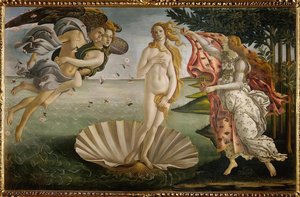
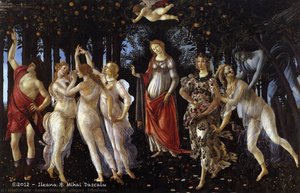
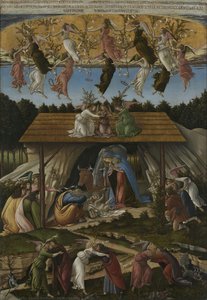
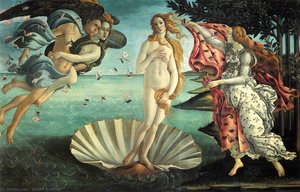
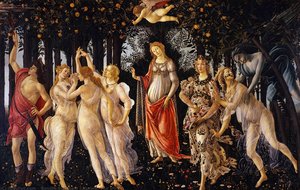
La obra de Botticelli se caracteriza por una elegante linealidad, que conecta el gótico tardío italiano con el Renacimiento temprano. Sus obras más famosas, El nacimiento de Venus y Primavera, se exhiben en la Galería Uffizi en Florencia, que alberga una importante colección de su arte. * El nacimiento de Venus (ver en ArtsDot) * Primavera (explorar el arte de Sandro Botticelli en ArtsDot) * La natividad mística (Galería Nacional, Londres), fechada en 1501, es la única obra de Botticelli con una fecha clara.Legado e influencia
El estilo de Botticelli evolucionó hacia un enfoque más personal en la década de 1490, divergente de sus contemporáneos como Leonardo da Vinci y el estilo del Alto Renacimiento emergente. Su obra ha sido reconocida como una contribución significativa al movimiento artístico del Renacimiento italiano. * El movimiento artístico del Renacimiento italiano * Sandro Botticelli en Wikipedia- Artistas notables del Renacimiento italiano incluyen a Sandro Botticelli, Leonardo da Vinci, Miguel Ángel y Tiziano.
- La Galería Uffizi de Florencia alberga una importante colección de arte de Botticelli.
- La obra de Botticelli ha sido reconocida como una figura clave en el Renacimiento temprano de la pintura italiana.
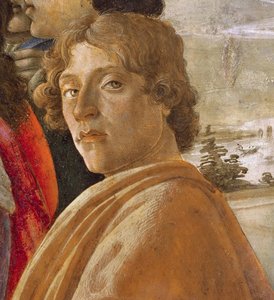
Sandro Botticelli
1445 - 1510 , Italia
Datos clave
- Artistas Que Influyeron:
- Fra Angelico
- Paolo Uccello
- Estilo Artístico: Renacimiento Temprano
- Fecha De Muerte: 1510
- Fecha De Nacimiento: c. 1445
- Influenciado A Artistas: ['Pre-Rafaelitas']
- Lugar De Nacimiento: Florencia, Italia
- Nacionalidad: Italiana
- Nombre Completo: Sandro Botticelli
- Obras Notables:
- El Nacimiento de Venus
- Primavera
- Natividad Mística
Artículos relacionados
El Resplandor del Tiempo: Explorando la Técnica y el Legado de la Témpera sobre Tabla
Descubra la fascinante historia y técnica de la témpera sobre tabla. Explore los materiales, el simbolismo y la conservación de esta antigua forma de arte con ArtsDot.
Los 10 cuadros más famosos dominados por el ocre amarillo: Arte y decoración atemporal
Descubre los 10 cuadros más famosos con tonos ocres amarillos. Explora la historia de Van Gogh, Monet y otros artistas clave del impresionismo y postimpresionismo. Encuentra reproducciones de arte de museo en .
Illuminating History: A Comprehensive Exploration of Tempera Painting Techniques & Artistic Legacy
Explore the rich history & techniques of tempera painting! Discover Renaissance masters like Botticelli & Fra Angelico, conservation insights, and the enduring legacy of this captivating art form.
Martin Johnson Heade: Luminism, American Identity & the Poetic Still Life
Explore the captivating world of Martin Johnson Heade, a master of Luminism. Discover his serene landscapes, vibrant still lifes & profound connection to American identity. Learn about his techniques and legacy.
10 Obras Maestras del Temple que Revolucionaron la Historia del Arte | ArtsDot
Descubre 10 obras maestras del temple sobre tabla que revolucionaron el arte medieval y renacentista. Explora la historia de Botticelli, Van Eyck y Giotto. Reproducciones de arte de museo para decorar tu hogar con elegancia en ArtsDot.com.