 Ver en contexto
 Enviar
 Compartir
 Detalles

 Descargar
 Similares
 Radiografía
 Presentación de diapositivas
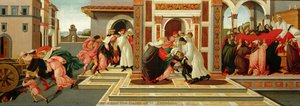
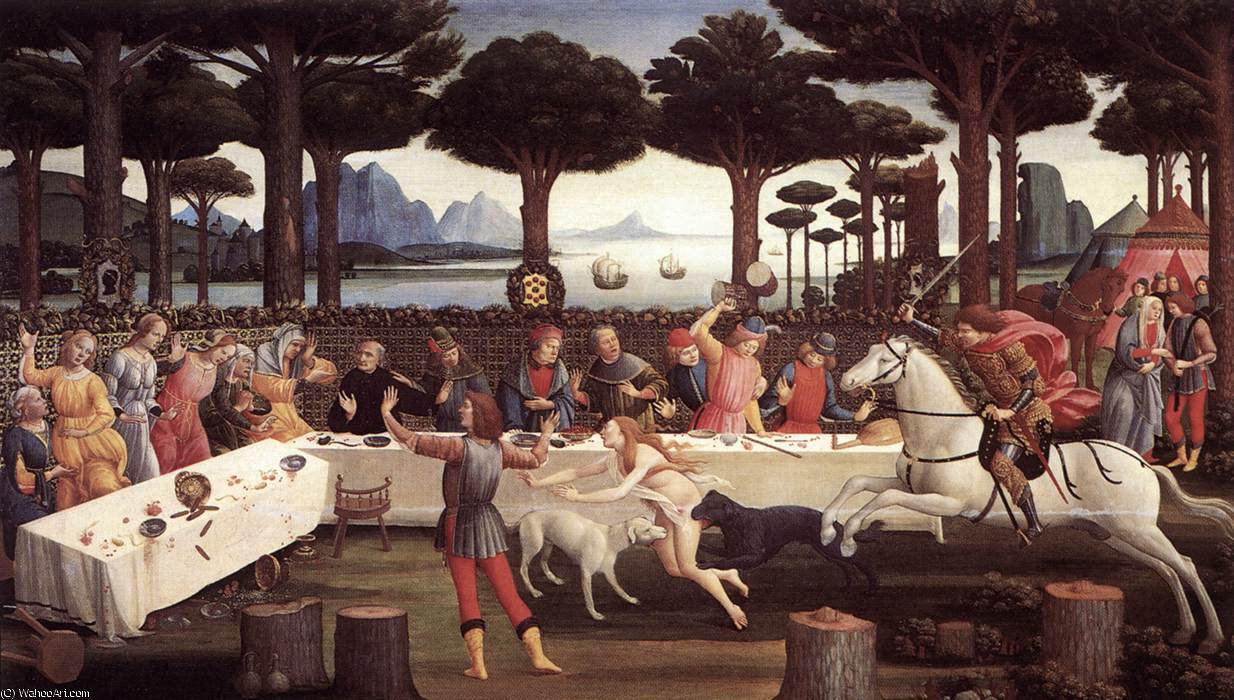
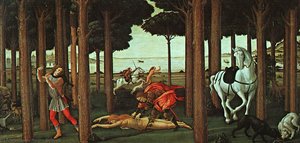
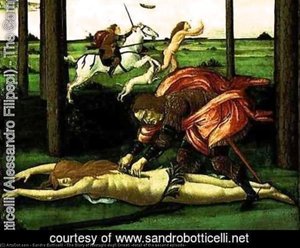
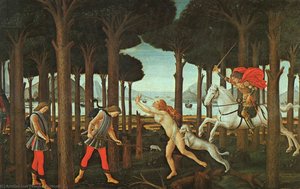
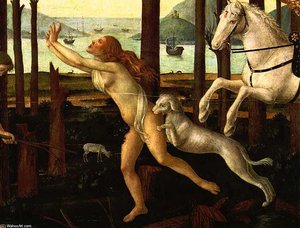
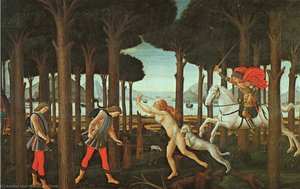
The Story of Nastagio degli Onesti


 Ver más
Reproducción al óleo hecha a mano
Óleo sobre lienzo pintado a mano en el tamaño y marco de su elección, realizado por encargo por nuestros artistas. ( Comprar impresión Comprar imagen)




P118B $10

P118H $10

P118W $10

P438Z $10

P508JH $12

P508YH $12

P805H $10

P805Z $10

P919BZ $10

P919G $10

P919XJ $10

P959ZH $10

P968JZ $12

W106C $8

W218G $10

W218JH $8

W218Y $10

W307PJ $10

W316G $10

W316PJ $8

W316Y $10

W398PJ $8

W4111J $10

W500HY $15

W500JH $15

W692G $12

W849H $8

W940BG $15

W953PJ $8




Elija entre nuestros tamaños predefinidos que respetan las proporciones originales de la obra.

Puede ingresar sus propias dimensiones para adaptarse a un marco o espacio específico. Si el tamaño seleccionado no coincide con las proporciones de la imagen original, recortaremos la obra o extenderemos la pintura con elementos adicionales pintados a mano. Se le enviará una maqueta digital para su aprobación antes de comenzar la producción.
Tenga en cuenta que la vista previa en pantalla no refleja el recorte o la extensión reales. Solo la maqueta mostrará con precisión la composición final.
Si bien existen tamaños personalizados, recomendamos seleccionar una dimensión de la lista predefinida para preservar las proporciones originales.
Tras realizar el pedido, el equipo de ArtsDot.com enviará un correo electrónico al cliente para solicitar instrucciones y proporcionarle una vista previa del boceto.
Envío a todo el mundo () en 3-4 semanas en lugar de las 5 semanas estándar. (26 agosto). Sin comprometer la calidad.

Envío exprés gratuito a todo el mundo

Lienzo de lino de alta calidad

Seguro de envío total

Garantía de reembolso de impuestos aduaneros

Garantía de fidelidad cromática exacta

Política de devolución de 60 días (solo por defectos)

Garantía de devolución del 100% del dinero

Descuento por cantidad
 La opción de vidrio solo está disponible en tamaños inferiores a 110 cm.

The Story of Nastagio degli Onesti
Técnica de reproducción
Dimensiones de la reproducción
-


Precio total final
$ 263
Descripción de la obra
A Tapestry of Human Emotion and Renaissance Grace
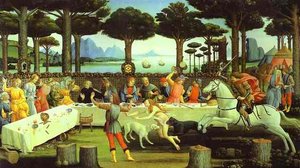
In the luminous realm of the Florentine Renaissance, few works capture the delicate interplay between earthly passion and spectral justice as poignantly as Sandro Botticelli’s “The Story of Nastagio degli Onesti.” This masterpiece, born from the fertile literary imagination of Giovanni Boccaccio’s Decameron, is far more than a mere illustration of a tale; it is a profound meditation on the complexities of unrequited love and the pursuit of redemption. As one gazes upon this tempera on wood panel, one is immediately transported to a world where the boundaries between reality and myth blur, inviting the viewer into a narrative that is as much about the human heart as it is about the dramatic events unfolding within the frame.
The scene unfolds with a breathtaking cinematic quality, presenting a pivotal moment in Nastagio’s romantic odyssey. Botticelli masterfully orchestrates a gathering of figures around a dining table, where the abundance of food and the presence of noble horses serve as symbols of status and vitality. Yet, beneath this surface of courtly elegance lies a deeper, more unsettling tension. The meticulous arrangement of characters—some engaged in quiet conversation, others lost in thought—creates a sense of lived experience, grounding the fantastical elements of the story in a palpable, breathing reality. For the discerning collector, this painting offers an unparalleled window into the humanist spirit of the 15th century, where every detail is a deliberate brushstroke of storytelling.
Mastery of Technique and the Luminous Glow of Tempera
To behold this work is to witness the pinnacle of Botticelli’s technical prowess. Utilizing the traditional medium of tempera on wood, the artist achieved a level of precision and luminosity that remains awe-inspiring centuries later. The tempera technique, requiring a disciplined and patient application of pigment, allows for a remarkable clarity of line and a subtle gradation of tones. This is evident in the delicate contours of the human figures and the rich, varied textures of the fabrics that drape elegantly across the scene. The light does not merely hit the surface; it seems to emanate from within the panel itself, casting a soft, ethereal glow that breathes life into the lush landscapes and polished surfaces.
For interior designers and lovers of fine art, the visual impact of such craftsmanship is profound. The painting’s ability to balance intricate detail with a cohesive, harmonious composition makes it a commanding presence in any curated space. Whether placed in a sunlit gallery or a sophisticated study, the work’s subtle interplay of light and shadow provides a sense of depth and movement that captivates the eye. It is a piece that demands contemplation, rewarding the viewer with new discoveries—a glint on a silver cup, the soft musculature of a horse, or the fleeting expression on a face—with every encounter.
A Timeless Legacy for the Modern Collector
Beyond its aesthetic splendor, “The Story of Nastagio degli Onesti” carries an emotional weight that transcends time. It speaks to the universal experiences of longing, deception, and the transformative power of fate. The inclusion of subtle symbols, such as the passage of time suggested by a clock or the nobility represented by the central horse, adds layers of intellectual depth for those who seek art with substance. This is not merely a decorative object; it is a narrative vessel that carries the echoes of Florentine history and the enduring human condition.
Owning a high-quality reproduction of this Botticelli masterpiece allows one to bring a piece of the Renaissance into the contemporary home. It serves as an anchor of culture and sophistication, offering a continuous dialogue between the classical past and the modern present. For those looking to inspire awe in guests or find personal solace in the beauty of historical storytelling, this artwork stands as a testament to the eternal power of art to capture the soul.
Obras relacionadas
Biografía del artista
vida temprana y formación
Sandro Botticelli, nacido Alessandro di Mariano di Vanni Filipepi alrededor de 1445, fue una figura clave en el Renacimiento temprano de la pintura italiana. Inicialmente eclipsado post mortem, la obra de Botticelli fue revitalizada a finales del siglo XIX por los pre-rafaelitas, lo que llevó a una reevaluación de sus contribuciones artísticas. Botticelli nació en Florencia, Italia, y vivió toda su vida en el mismo barrio. Su familia, incluyendo a su padre Mariano di Vanni d'Amadeo Filipepi, estuvo involucrada en diversas profesiones, lo que les permitió entrar en contacto con artistas. Giorgio Vasari informó que Botticelli fue inicialmente entrenado como joyero.Estilo artístico y obras notables
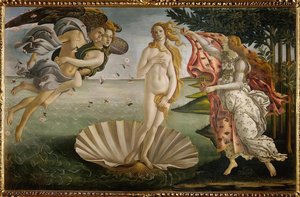
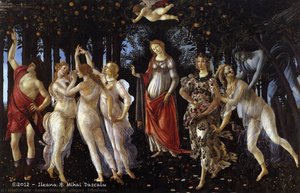
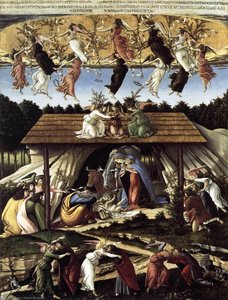
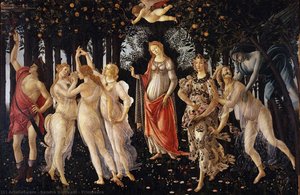
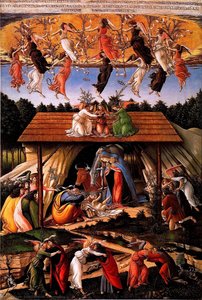
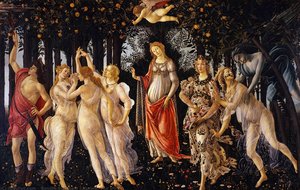
La obra de Botticelli se caracteriza por una elegante linealidad, que conecta el gótico tardío italiano con el Renacimiento temprano. Sus obras más famosas, El nacimiento de Venus y Primavera, se exhiben en la Galería Uffizi en Florencia, que alberga una importante colección de su arte. * El nacimiento de Venus (ver en ArtsDot) * Primavera (explorar el arte de Sandro Botticelli en ArtsDot) * La natividad mística (Galería Nacional, Londres), fechada en 1501, es la única obra de Botticelli con una fecha clara.Legado e influencia
El estilo de Botticelli evolucionó hacia un enfoque más personal en la década de 1490, divergente de sus contemporáneos como Leonardo da Vinci y el estilo del Alto Renacimiento emergente. Su obra ha sido reconocida como una contribución significativa al movimiento artístico del Renacimiento italiano. * El movimiento artístico del Renacimiento italiano * Sandro Botticelli en Wikipedia- Artistas notables del Renacimiento italiano incluyen a Sandro Botticelli, Leonardo da Vinci, Miguel Ángel y Tiziano.
- La Galería Uffizi de Florencia alberga una importante colección de arte de Botticelli.
- La obra de Botticelli ha sido reconocida como una figura clave en el Renacimiento temprano de la pintura italiana.
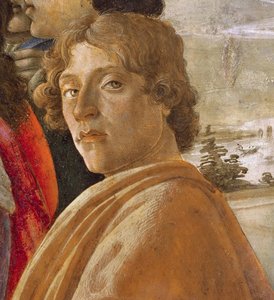
Sandro Botticelli
1445 - 1510 , Italia
Datos clave
- Artistas Que Influyeron:
- Fra Angelico
- Paolo Uccello
- Estilo Artístico: Renacimiento Temprano
- Fecha De Muerte: 1510
- Fecha De Nacimiento: c. 1445
- Influenciado A Artistas: ['Pre-Rafaelitas']
- Lugar De Nacimiento: Florencia, Italia
- Nacionalidad: Italiana
- Nombre Completo: Sandro Botticelli
- Obras Notables:
- El Nacimiento de Venus
- Primavera
- Natividad Mística
Artículos relacionados
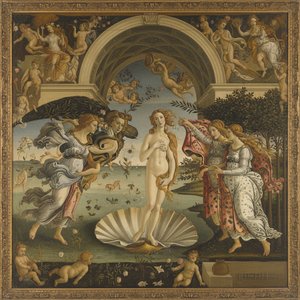
Botticelli: Las 25 Obras Maestras del Renacimiento para Decorar con Arte y Elegancia
Descubre las 25 obras maestras de Sandro Botticelli, el genio del Renacimiento italiano. Explora 'El Nacimiento de Venus', 'Primavera' y más: historia, técnica y belleza clásica. Encuentra reproducciones de arte exclusivas en ArtsDot.com.
Los 10 Maestros del Renacimiento Temprano: Arte que Transformó el Mundo |
Descubre los 10 maestros del Renacimiento Temprano: Botticelli, Leonardo da Vinci y más. Explora la historia, técnica y belleza de obras icónicas italianas. Reproducciones de arte exclusivas en .

Los 25 Tesoros del Uffizi: Arte Renacentista para tu Hogar | ArtsDot
Descubre los 25 tesoros del Uffizi en Florencia: Botticelli, Leonardo da Vinci y más. Explora la historia, el arte renacentista y encuentra reproducciones de alta calidad para tu hogar. ¡Inspírate con ArtsDot.com!
10 Obras Maestras del Temple que Revolucionaron la Historia del Arte | ArtsDot
Descubre 10 obras maestras del temple sobre tabla que revolucionaron el arte medieval y renacentista. Explora la historia de Botticelli, Van Eyck y Giotto. Reproducciones de arte de museo para decorar tu hogar con elegancia en ArtsDot.com.
Mario Sironi: A Poetic of Modern Italian Identity Through Symbolism & Social Commentary
Explore the profound works of Mario Sironi, a key figure in Italian Modernism. Discover his evolution from Futurism to Metaphysical painting and his powerful social commentary. Learn about his legacy at ArtsDot.