 Ver en contexto
 Enviar
 Compartir
 Detalles

 Descargar
 Similares
 Radiografía
 Presentación de diapositivas
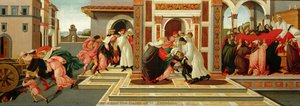
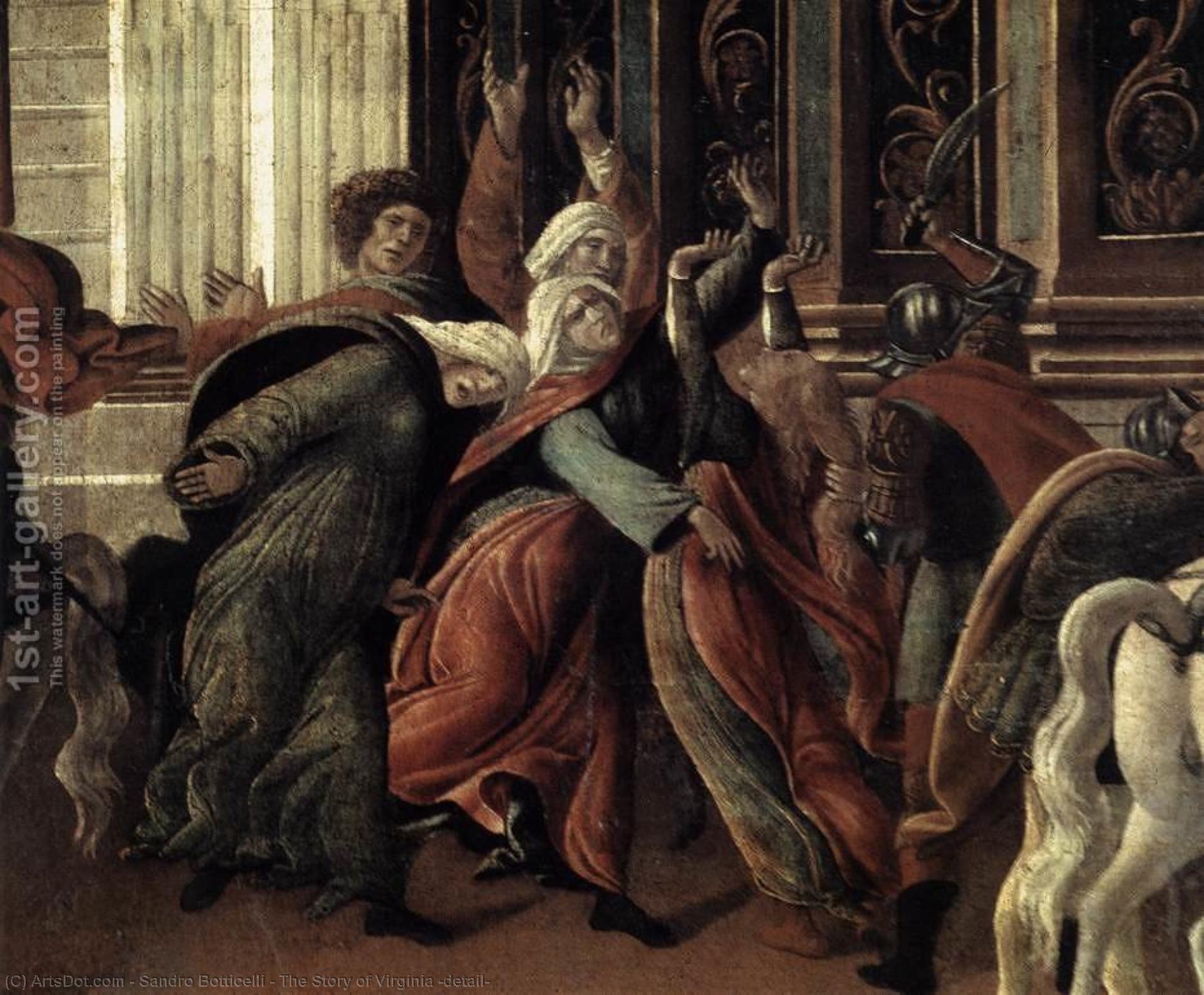
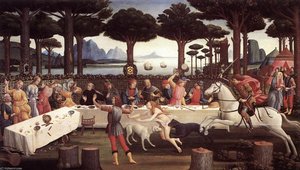
The Story of Virginia (detail)

 Ver más
Giclée / Impresión de arte
Impresiones giclée o en lienzo de calidad de museo con producción rápida y opciones de acabado flexibles. ( Comprar pintura hecha a mano Comprar imagen)




P118B $10

P118H $10

P118W $10

P438Z $10

P508JH $12

P508YH $12

P805H $10

P805Z $10

P919BZ $10

P919G $10

P919XJ $10

P959ZH $10

P968JZ $12

W106C $8

W218G $10

W218JH $8

W218Y $10

W307PJ $10

W316G $10

W316PJ $8

W316Y $10

W398PJ $8

W4111J $10

W500HY $15

W500JH $15

W692G $12

W849H $8

W940BG $15

W953PJ $8




Elija entre nuestros tamaños predefinidos que respetan las proporciones originales de la obra.

Puede introducir sus propias dimensiones para adaptarse a un marco o espacio específico. Si el tamaño seleccionado no coincide con las proporciones de la imagen original, recortaremos la obra de arte o extenderemos la imagen con un borde con efecto espejo o de color sólido. Se enviará una maqueta digital para su aprobación antes de que comience la producción.
Tenga en cuenta que la vista previa en pantalla no refleja el recorte o la extensión real. Solo la maqueta mostrará con precisión la composición final.
Aunque existen tamaños personalizados, recomendamos seleccionar una dimensión de la lista predefinida para preservar las proporciones originales.
Envío a todo el mundo () en 2 semanas en lugar de las 4/5 semanas estándar. (28 agosto)

Envío exprés gratuito a todo el mundo

Lienzo de lino de alta calidad

Seguro de envío total

Garantía de reembolso de impuestos aduaneros

Garantía de fidelidad cromática exacta

Política de devolución de 60 días (solo por defectos)

Garantía de devolución del 100% del dinero

Descuento por cantidad
 La opción de vidrio solo está disponible en tamaños inferiores a 110 cm.

The Story of Virginia (detail)
Giclée / Impresión de arte
Dimensiones de la reproducción
-


Precio total final
$ 62
A Moment Frozen in Time: Botticelli’s ‘The Story of Virginia’
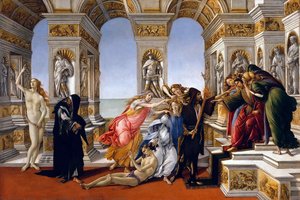
- Sandro Botticelli's “The Story of Virginia” stands as a captivating emblem of the Early Renaissance, encapsulating not merely visual beauty but also profound narrative and symbolic resonance. Painted circa 1486, this monumental canvas—likely commissioned by Lorenzo il Magnifico—offers a glimpse into a pivotal moment within Florentine aristocratic life, specifically concerning the tumultuous negotiations surrounding Virginia Stuart’s marriage to Henry VIII.
- The painting's style is instantly recognizable as Botticelli’s signature aesthetic: characterized by ethereal grace and delicate pastel hues. He eschewed the harsh realism favored by contemporaries like Piero della Francesca, opting instead for a luminous palette that prioritizes atmosphere and emotional suggestion. This deliberate stylistic choice aligns perfectly with the humanist ideals of the era—a fervent belief in human dignity and potential—reflecting Botticelli’s profound admiration for classical antiquity.
Composition and Narrative Detail
- Botticelli meticulously crafted a dynamic composition that captures the palpable tension surrounding Virginia Stuart's predicament. The central grouping of men and women clustered around a window dominates the canvas, their postures conveying urgency and impassioned debate. Fragments of violent conflict are subtly interwoven into the scene—a clenched fist punctuates the upper left corner, hinting at underlying aggression—underscoring the precariousness of the negotiations.
- Beyond the immediate drama, Botticelli employs a masterful use of perspective to create depth and spatial illusion. The figures appear to emerge from the window’s frame, drawing viewers into the narrative space. Furthermore, Botticelli's meticulous attention to detail—evident in the expressive faces and drapery folds—elevates the painting beyond mere representation; it strives to convey psychological complexity and emotional nuance.
Symbolism: Echoes of Classical Mythology
- "The Story of Virginia" is steeped in symbolism derived from classical mythology, particularly references to Venus and Cupid. The window itself serves as a visual conduit for divine influence—a symbolic representation of the celestial realm mediating human affairs. Venus’s presence subtly underscores the importance of love and beauty within the context of marriage negotiations, while Cupid’s emblem reinforces the notion that fate governs human destiny.
- Botticelli's masterful rendering of these mythological figures demonstrates his unwavering commitment to humanist principles—a desire to recapture the grandeur and moral clarity of antiquity. By juxtaposing classical imagery with contemporary political concerns, Botticelli compels viewers to contemplate timeless themes of power, passion, and reconciliation.
Technique: Tempera on Canvas – A Delicate Balance
- Botticelli employed tempera paint—mixed with egg yolk—on canvas, a technique renowned for its luminosity and durability. This painstaking process demanded exceptional skill and patience, resulting in an astonishingly vibrant surface that retains its brilliance across centuries. The layering of translucent glazes contributes to the painting’s ethereal quality, creating subtle gradations of color and enhancing the overall visual impact.
- The meticulous preparation of the canvas—often stretched over a wooden frame—was itself a significant undertaking, reflecting Botticelli's dedication to achieving artistic perfection. The resulting artwork embodies the epitome of Renaissance craftsmanship—a testament to both technical mastery and aesthetic sensibility.
Emotional Resonance: Capturing the Anxiety of Negotiation
- "The Story of Virginia" transcends mere historical documentation; it communicates a profound emotional resonance that speaks to anxieties surrounding political maneuvering and personal relationships. Botticelli’s masterful portrayal of human emotion—expressed through facial expressions and body language—captures the palpable tension within the scene, inviting viewers to contemplate the complexities of power dynamics.
- Ultimately, Botticelli's masterpiece remains a poignant reminder of the enduring fascination with mythology and its ability to illuminate the human condition. Its delicate beauty combined with dramatic narrative ensures that “The Story of Virginia” continues to inspire awe and contemplation for generations to come.
Obras relacionadas
Biografía del artista
vida temprana y formación
Sandro Botticelli, nacido Alessandro di Mariano di Vanni Filipepi alrededor de 1445, fue una figura clave en el Renacimiento temprano de la pintura italiana. Inicialmente eclipsado post mortem, la obra de Botticelli fue revitalizada a finales del siglo XIX por los pre-rafaelitas, lo que llevó a una reevaluación de sus contribuciones artísticas. Botticelli nació en Florencia, Italia, y vivió toda su vida en el mismo barrio. Su familia, incluyendo a su padre Mariano di Vanni d'Amadeo Filipepi, estuvo involucrada en diversas profesiones, lo que les permitió entrar en contacto con artistas. Giorgio Vasari informó que Botticelli fue inicialmente entrenado como joyero.Estilo artístico y obras notables
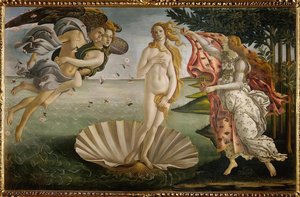
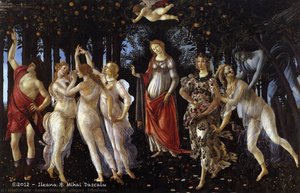
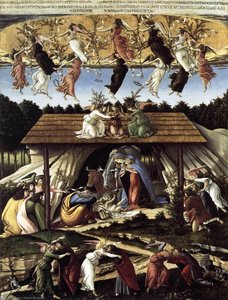
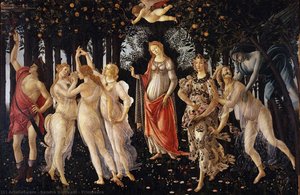
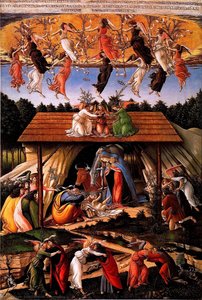
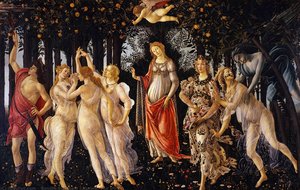
La obra de Botticelli se caracteriza por una elegante linealidad, que conecta el gótico tardío italiano con el Renacimiento temprano. Sus obras más famosas, El nacimiento de Venus y Primavera, se exhiben en la Galería Uffizi en Florencia, que alberga una importante colección de su arte. * El nacimiento de Venus (ver en ArtsDot) * Primavera (explorar el arte de Sandro Botticelli en ArtsDot) * La natividad mística (Galería Nacional, Londres), fechada en 1501, es la única obra de Botticelli con una fecha clara.Legado e influencia
El estilo de Botticelli evolucionó hacia un enfoque más personal en la década de 1490, divergente de sus contemporáneos como Leonardo da Vinci y el estilo del Alto Renacimiento emergente. Su obra ha sido reconocida como una contribución significativa al movimiento artístico del Renacimiento italiano. * El movimiento artístico del Renacimiento italiano * Sandro Botticelli en Wikipedia- Artistas notables del Renacimiento italiano incluyen a Sandro Botticelli, Leonardo da Vinci, Miguel Ángel y Tiziano.
- La Galería Uffizi de Florencia alberga una importante colección de arte de Botticelli.
- La obra de Botticelli ha sido reconocida como una figura clave en el Renacimiento temprano de la pintura italiana.
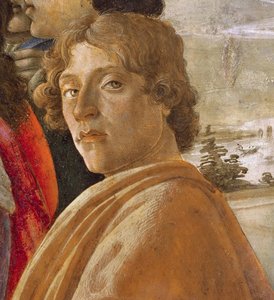
Sandro Botticelli
1445 - 1510 , Italia
Datos clave
- Artistas Que Influyeron:
- Fra Angelico
- Paolo Uccello
- Estilo Artístico: Renacimiento Temprano
- Fecha De Muerte: 1510
- Fecha De Nacimiento: c. 1445
- Influenciado A Artistas: ['Pre-Rafaelitas']
- Lugar De Nacimiento: Florencia, Italia
- Nacionalidad: Italiana
- Nombre Completo: Sandro Botticelli
- Obras Notables:
- El Nacimiento de Venus
- Primavera
- Natividad Mística
Artículos relacionados
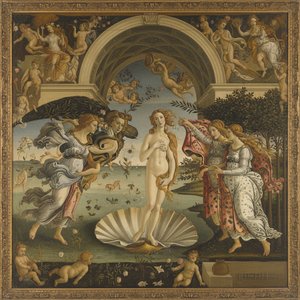
Botticelli: Las 25 Obras Maestras del Renacimiento para Decorar con Arte y Elegancia
Descubre las 25 obras maestras de Sandro Botticelli, el genio del Renacimiento italiano. Explora 'El Nacimiento de Venus', 'Primavera' y más: historia, técnica y belleza clásica. Encuentra reproducciones de arte exclusivas en ArtsDot.com.

Los 25 Tesoros del Uffizi: Arte Renacentista para tu Hogar | ArtsDot
Descubre los 25 tesoros del Uffizi en Florencia: Botticelli, Leonardo da Vinci y más. Explora la historia, el arte renacentista y encuentra reproducciones de alta calidad para tu hogar. ¡Inspírate con ArtsDot.com!
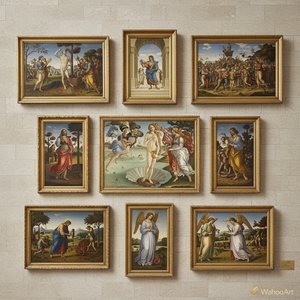
Los 10 Maestros del Renacimiento Temprano: Arte que Transformó el Mundo |
Descubre los 10 maestros del Renacimiento Temprano: Botticelli, Leonardo da Vinci y más. Explora la historia, técnica y belleza de obras icónicas italianas. Reproducciones de arte exclusivas en .
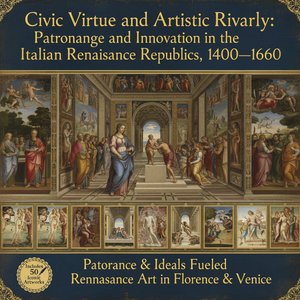
Virtud Cívica y Rivalidad Artística: Mecenazgo e Innovación en las Repúblicas Italianas del Renacimiento, 1400–1600
Descubre el Renacimiento italiano: mecenazgo, rivalidad artística y la explosión del humanismo. Análisis experto de artistas clave y su legado cultural. ¡Sumérgete en una época fascinante!
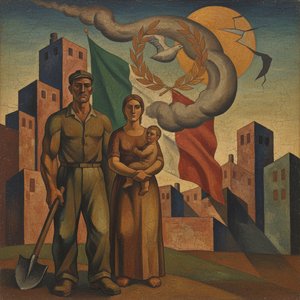
Mario Sironi: A Poetic of Modern Italian Identity Through Symbolism & Social Commentary
Explore the profound works of Mario Sironi, a key figure in Italian Modernism. Discover his evolution from Futurism to Metaphysical painting and his powerful social commentary. Learn about his legacy at ArtsDot.