 Enviar
 Compartir
 Detalles

 Descargar
 Similares
 Presentación de diapositivas
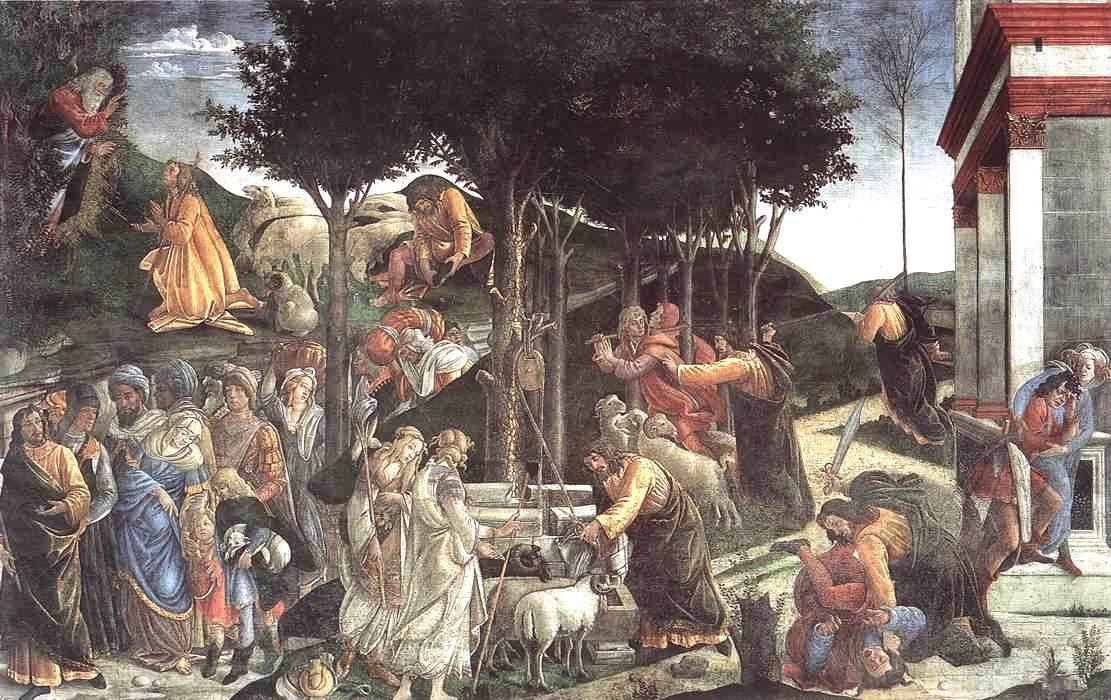
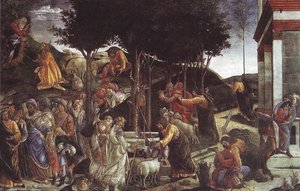
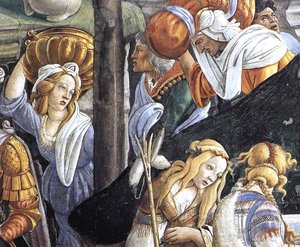
The Trials and Calling of Moses (Cappella Sistina, Vatican)
 Fresco
- Decor
- Early Renaissance
 1481
1481- Renaissance
 348.0 x 558.0 cm
 Ver más
Giclée / Impresión de arte
Impresiones giclée o en lienzo de calidad de museo con producción rápida y opciones de acabado flexibles. ( Comprar pintura hecha a mano Comprar imagen)




































Elija entre nuestros tamaños predefinidos que respetan las proporciones originales de la obra.

Puede introducir sus propias dimensiones para adaptarse a un marco o espacio específico. Si el tamaño seleccionado no coincide con las proporciones de la imagen original, recortaremos la obra de arte o extenderemos la imagen con un borde con efecto espejo o de color sólido. Se enviará una maqueta digital para su aprobación antes de que comience la producción.
Tenga en cuenta que la vista previa en pantalla no refleja el recorte o la extensión real. Solo la maqueta mostrará con precisión la composición final.
Aunque existen tamaños personalizados, recomendamos seleccionar una dimensión de la lista predefinida para preservar las proporciones originales.
Envío a todo el mundo () en 2 semanas en lugar de las 4/5 semanas estándar. (23 agosto)

Envío exprés gratuito a todo el mundo

Lienzo de lino de alta calidad

Seguro de envío total

Garantía de reembolso de impuestos aduaneros

Garantía de fidelidad cromática exacta

Política de devolución de 60 días (solo por defectos)

Garantía de devolución del 100% del dinero

Descuento por cantidad
 La opción de vidrio solo está disponible en tamaños inferiores a 110 cm.

The Trials and Calling of Moses (Cappella Sistina, Vatican)
Giclée / Impresión de arte
Dimensiones de la reproducción
-


Precio total final
$ 62
Descripción de la pieza
A Divine Encounter in the Sistine Chapel
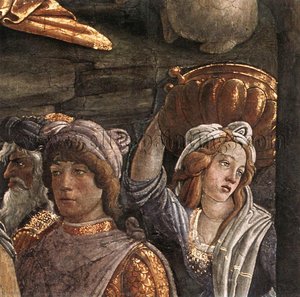
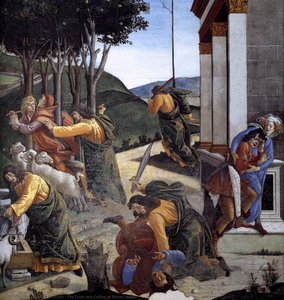
Within the hallowed, silent corridors of the Vatican’s Sistine Chapel, where the echoes of centuries of prayer linger, lies one of Sandro Botticelli’s most profound narrative achievements. The Trials and Calling of Moses is not merely a fresco; it is a breathtaking window into the spiritual intensity of the Early Renaissance. Painted in 1481, this masterpiece occupies a prestigious position on the south wall, serving as a visual testament to the pivotal moments of biblical liberation. As one gazes upon the scene, the viewer is transported to the rugged wilderness of the Exodus, witnessing the monumental tension of Moses standing before Pharaoh’s court. Botticelli does not simply depict a historical event; he captures the very breath of faith and the heavy weight of divine destiny as the Israelites prepare to journey toward freedom.
The composition is a masterclass in movement and human emotion. Unlike the static, iconographic styles of previous eras, Botticelli breathes life into every figure through his signature graceful lines and delicate coloration. The scene is teeming with a vibrant, restless energy—a multitude of people gathered in a state of both anticipation and trepidation. While Moses stands as the central pillar of strength and divine mediation, the surrounding crowd provides a rich tapestry of human reaction. Through subtle gradations of tone and an ethereal approach to beauty, Botticelli avoids harsh realism in favor of a humanist elegance that emphasizes the dignity of the human spirit even amidst the trials of oppression.
Symbolism and the Language of Nature
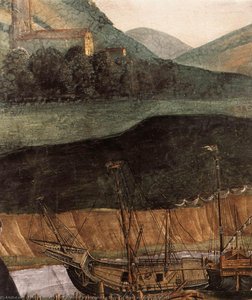
Beyond the central drama of the biblical narrative, Botticelli weaves a complex web of symbolism that rewards the contemplative eye. The artist meticulously integrates the natural world to reinforce the theological themes of the work. Amidst the figures, one finds a carefully curated collection of animals—sheep, goats, and horses—that ground the divine event in the earthly reality of the wandering Israelites. Yet, even within this pastoral setting, spiritual metaphors abound. The presence of doves offers a soft whisper of peace and divine mercy, while the soaring eagle serves as a powerful emblem of God’s sovereignty and protective gaze over His people.
For the discerning collector or interior designer, these symbolic layers offer an unparalleled depth of meaning. The interplay between the wild landscape and the structured court of Pharaoh creates a visual dialogue between chaos and order, much like the internal struggle of faith itself. This richness makes the artwork an extraordinary centerpiece for any space dedicated to contemplation, intellectual rigor, or classical elegance. To possess a reproduction of such a work is to invite a piece of the Renaissance's most profound theological and philosophical inquiries into one's own environment.
A Legacy of Masterful Technique
The technical execution of this fresco represents the pinnacle of 15th-century Florentine craftsmanship. Utilizing the traditional method of tempera on plaster, Botticelli achieved a luminous quality that allows light to seem as though it is emanating from within the pigments themselves. His ability to manage the drying time of the fresco technique allowed for incredible precision in detail, from the intricate folds of the classical drapery to the subtle expressions of the faces in the crowd. This meticulous attention to detail ensures that every viewing of the piece reveals something new—a hidden gesture, a shifting shadow, or a symbolic creature tucked into the periphery.
As an element of high-end decor, a hand-painted reproduction of The Trials and Calling of Moses brings with it the prestige of the Medici era. It serves as a bridge between the historical grandeur of the Vatican and the modern aesthetic, offering a sophisticated focal point that commands attention through its narrative complexity and artistic grace. Whether placed in a grand library, a formal salon, or a curated gallery space, this work continues to inspire awe, reminding us of the timeless human pursuit of truth, justice, and divine guidance.
Obras relacionadas
Biografía del artista
vida temprana y formación
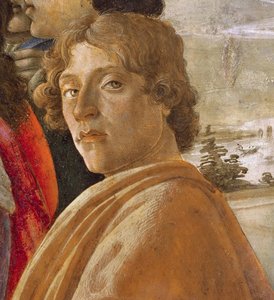
Sandro Botticelli, nacido Alessandro di Mariano di Vanni Filipepi alrededor de 1445, fue una figura clave en el Renacimiento temprano de la pintura italiana. Inicialmente eclipsado post mortem, la obra de Botticelli fue revitalizada a finales del siglo XIX por los pre-rafaelitas, lo que llevó a una reevaluación de sus contribuciones artísticas. Botticelli nació en Florencia, Italia, y vivió toda su vida en el mismo barrio. Su familia, incluyendo a su padre Mariano di Vanni d'Amadeo Filipepi, estuvo involucrada en diversas profesiones, lo que les permitió entrar en contacto con artistas. Giorgio Vasari informó que Botticelli fue inicialmente entrenado como joyero.Estilo artístico y obras notables
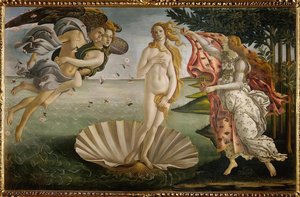
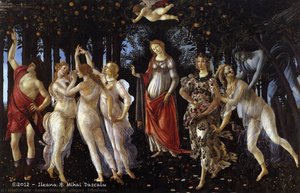
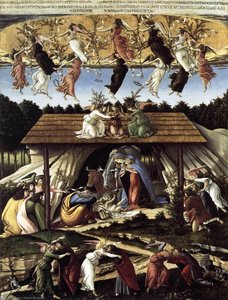
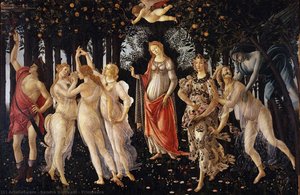
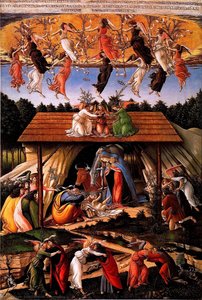
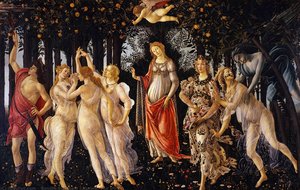
La obra de Botticelli se caracteriza por una elegante linealidad, que conecta el gótico tardío italiano con el Renacimiento temprano. Sus obras más famosas, El nacimiento de Venus y Primavera, se exhiben en la Galería Uffizi en Florencia, que alberga una importante colección de su arte. * El nacimiento de Venus (ver en ArtsDot) * Primavera (explorar el arte de Sandro Botticelli en ArtsDot) * La natividad mística (Galería Nacional, Londres), fechada en 1501, es la única obra de Botticelli con una fecha clara.Legado e influencia
El estilo de Botticelli evolucionó hacia un enfoque más personal en la década de 1490, divergente de sus contemporáneos como Leonardo da Vinci y el estilo del Alto Renacimiento emergente. Su obra ha sido reconocida como una contribución significativa al movimiento artístico del Renacimiento italiano. * El movimiento artístico del Renacimiento italiano * Sandro Botticelli en Wikipedia- Artistas notables del Renacimiento italiano incluyen a Sandro Botticelli, Leonardo da Vinci, Miguel Ángel y Tiziano.
- La Galería Uffizi de Florencia alberga una importante colección de arte de Botticelli.
- La obra de Botticelli ha sido reconocida como una figura clave en el Renacimiento temprano de la pintura italiana.
Sandro Botticelli
1445 - 1510 , Italia
Datos clave
- Artistas Que Influyeron:
- Fra Angelico
- Paolo Uccello
- Estilo Artístico: Renacimiento Temprano
- Fecha De Muerte: 1510
- Fecha De Nacimiento: c. 1445
- Influenciado A Artistas: ['Pre-Rafaelitas']
- Lugar De Nacimiento: Florencia, Italia
- Nacionalidad: Italiana
- Nombre Completo: Sandro Botticelli
- Obras Notables:
- El Nacimiento de Venus
- Primavera
- Natividad Mística
Artículos relacionados
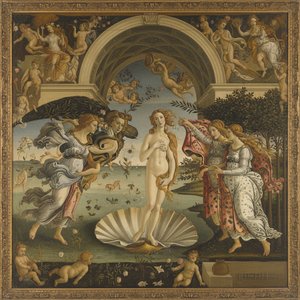
Botticelli: Las 25 Obras Maestras del Renacimiento para Decorar con Arte y Elegancia
Descubre las 25 obras maestras de Sandro Botticelli, el genio del Renacimiento italiano. Explora 'El Nacimiento de Venus', 'Primavera' y más: historia, técnica y belleza clásica. Encuentra reproducciones de arte exclusivas en ArtsDot.com.

Legado en las Paredes: Frescos Familiares que Trascienden el Tiempo
Descubre el arte del fresco muralístico para inmortalizar tu historia familiar. Expertos en frescos personalizados y técnicas ancestrales. Crea un legado visual único con .

The Enduring Legacy of Fresco: Technique, History & Artistic Expression Across Cultures
Explore the rich history & enduring legacy of fresco painting! Discover ancient techniques, Giotto's masterpieces, and modern applications. Expert insights for art lovers & professionals.

The Enduring Legacy of Fresco Painting: Techniques, History & Contemporary Relevance
Explore the rich history & enduring artistry of fresco painting – from Giotto to Michelangelo! Discover techniques, conservation efforts, & modern applications. Learn how ArtsDot brings this timeless art form to your home.
El Fresco a Través de los Siglos: Técnica, Historia y Expresión Artística Duradera
Descubre la historia y técnica del fresco, desde sus orígenes en la antigüedad hasta los maestros renacentistas. Guía completa sobre conservación, restauración y el legado artístico de este arte milenario.