 Ver en contexto
 Enviar
 Compartir
 Detalles

 Descargar
 Similares
 Radiografía
 Presentación de diapositivas
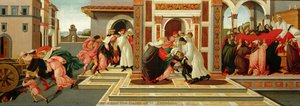
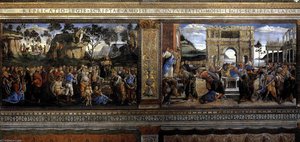
The Youth Of Moses, In The Sistine Chapel -

 Ver más
Giclée / Impresión de arte
Impresiones giclée o en lienzo de calidad de museo con producción rápida y opciones de acabado flexibles. ( Comprar pintura hecha a mano Comprar imagen)




P118B $10

P118H $10

P118W $10

P438Z $10

P508JH $12

P508YH $12

P805H $10

P805Z $10

P919BZ $10

P919G $10

P919XJ $10

P959ZH $10

P968JZ $12

W106C $8

W218G $10

W218JH $8

W218Y $10

W307PJ $10

W316G $10

W316PJ $8

W316Y $10

W398PJ $8

W4111J $10

W500HY $15

W500JH $15

W692G $12

W849H $8

W940BG $15

W953PJ $8




Elija entre nuestros tamaños predefinidos que respetan las proporciones originales de la obra.

Puede introducir sus propias dimensiones para adaptarse a un marco o espacio específico. Si el tamaño seleccionado no coincide con las proporciones de la imagen original, recortaremos la obra de arte o extenderemos la imagen con un borde con efecto espejo o de color sólido. Se enviará una maqueta digital para su aprobación antes de que comience la producción.
Tenga en cuenta que la vista previa en pantalla no refleja el recorte o la extensión real. Solo la maqueta mostrará con precisión la composición final.
Aunque existen tamaños personalizados, recomendamos seleccionar una dimensión de la lista predefinida para preservar las proporciones originales.
Envío a todo el mundo () en 2 semanas en lugar de las 4/5 semanas estándar. (25 agosto)

Envío exprés gratuito a todo el mundo

Lienzo de lino de alta calidad

Seguro de envío total

Garantía de reembolso de impuestos aduaneros

Garantía de fidelidad cromática exacta

Política de devolución de 60 días (solo por defectos)

Garantía de devolución del 100% del dinero

Descuento por cantidad
 La opción de vidrio solo está disponible en tamaños inferiores a 110 cm.

The Youth Of Moses, In The Sistine Chapel -
Giclée / Impresión de arte
Dimensiones de la reproducción
-


Precio total final
$ 62
Descripción de la pieza
Sandro Botticelli’s ‘The Youth of Moses’: A Window into Florentine Faith
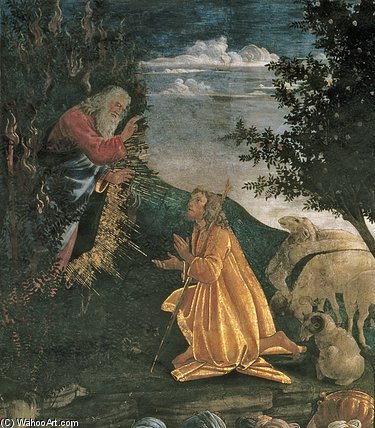
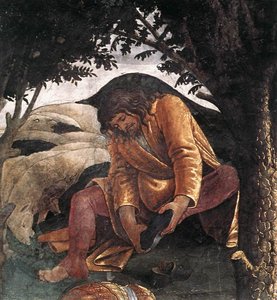
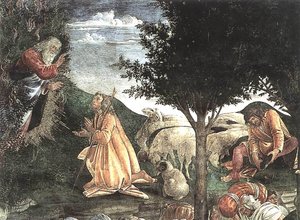
Sandro Botticelli's “The Youth of Moses,” housed within the breathtaking expanse of the Sistine Chapel, stands as a poignant meditation on faith, obedience, and divine guidance. Painted during the height of the Early Renaissance in Florence – a period defined by an unprecedented revival of classical learning and artistic innovation – this fresco embodies the spirit of the age while simultaneously grounding itself in deeply rooted religious tradition. The scene depicts a pivotal moment from the Old Testament narrative: Moses receiving instructions from God, represented subtly yet powerfully through the interaction between the kneeling figure and the standing one. Botticelli’s masterful handling of light and shadow, combined with his characteristic grace and elegance, elevates this biblical story to a timeless expression of human spirituality.
- Subject Matter: The fresco portrays a key episode from the Book of Exodus, specifically Moses receiving divine instruction in the wilderness.
- Historical Context: Created between 1481 and 1483, during the reign of Pope Sixtus IV, “The Youth of Moses” reflects the Papacy’s patronage of the arts and its commitment to fostering religious devotion.
- Commission & Patronage: The work was commissioned by Pope Sixtus IV for the Sistine Chapel, a testament to the church's ambition to create a space of unparalleled beauty and spiritual significance.
A Symphony of Color and Technique
Botticelli’s technique in “The Youth of Moses” is immediately recognizable – characterized by flowing lines, delicate figures, and an almost ethereal quality. The painting employs the traditional fresco method, applying pigments directly onto wet plaster, ensuring a durable and vibrant finish. Note the meticulous detail lavished upon the clothing of the two men, rendered in rich yellows and blues that evoke both the desert landscape and the divine authority of the scene. The use of sfumato – a subtle blurring technique – softens the edges of the figures, creating an atmosphere of serenity and contemplation. The artist’s attention to texture is also remarkable; observe how he depicts the rough fabric of the robes contrasting with the smooth surfaces of the skin, adding depth and realism to the composition.
- Fresco Technique: The painting utilizes the traditional fresco method, ensuring longevity and vibrant color.
- Color Palette: Dominated by blues, yellows, and earth tones, reflecting the biblical setting and Botticelli’s signature style.
- Sfumato Effect: Subtle blurring enhances the figures' ethereal quality and creates a sense of depth.
Symbolism and Spiritual Resonance
Beyond its narrative content, “The Youth of Moses” is rich in symbolic meaning. The kneeling figure represents humanity’s humility and dependence on divine guidance, while the standing figure embodies God’s authority and wisdom. The sheep scattered throughout the background symbolize innocence and obedience – qualities that are central to the story of Moses. The setting itself—a serene wilderness landscape—suggests a space of solitude and reflection, where individuals can connect with the divine. Botticelli masterfully uses these elements to convey a profound message about faith, trust, and the importance of following God’s will.
- Kneeling Figure: Represents human humility and reliance on divine guidance.
- Standing Figure: Symbolizes God's authority and wisdom.
- Sheep: Represent innocence, obedience, and a connection to the natural world.
An Enduring Masterpiece
“The Youth of Moses” remains one of Botticelli’s most celebrated works, admired for its beauty, grace, and spiritual depth. Its influence can be seen in countless subsequent religious paintings, solidifying its place as a cornerstone of Renaissance art. Today, this fresco continues to inspire awe and wonder, offering viewers a glimpse into the heart of Florentine faith and Botticelli’s unparalleled artistic vision. A hand-painted reproduction captures not only the visual splendor of this masterpiece but also the profound emotional resonance that has captivated audiences for centuries.
Obras relacionadas
Biografía del artista
vida temprana y formación
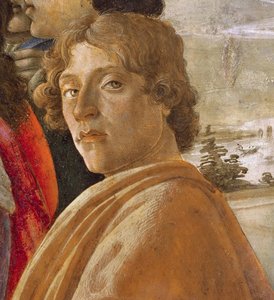
Sandro Botticelli, nacido Alessandro di Mariano di Vanni Filipepi alrededor de 1445, fue una figura clave en el Renacimiento temprano de la pintura italiana. Inicialmente eclipsado post mortem, la obra de Botticelli fue revitalizada a finales del siglo XIX por los pre-rafaelitas, lo que llevó a una reevaluación de sus contribuciones artísticas. Botticelli nació en Florencia, Italia, y vivió toda su vida en el mismo barrio. Su familia, incluyendo a su padre Mariano di Vanni d'Amadeo Filipepi, estuvo involucrada en diversas profesiones, lo que les permitió entrar en contacto con artistas. Giorgio Vasari informó que Botticelli fue inicialmente entrenado como joyero.Estilo artístico y obras notables
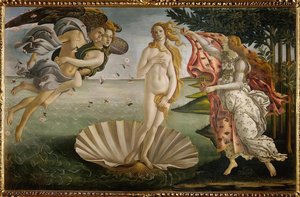
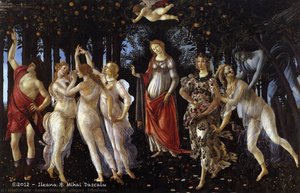
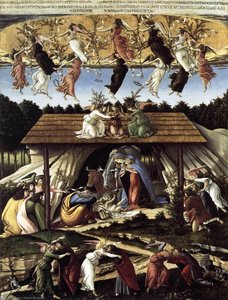
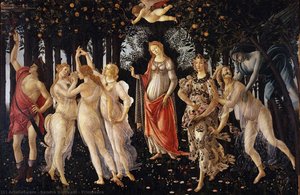
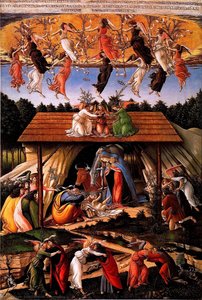
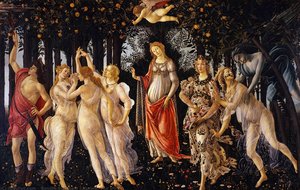
La obra de Botticelli se caracteriza por una elegante linealidad, que conecta el gótico tardío italiano con el Renacimiento temprano. Sus obras más famosas, El nacimiento de Venus y Primavera, se exhiben en la Galería Uffizi en Florencia, que alberga una importante colección de su arte. * El nacimiento de Venus (ver en ArtsDot) * Primavera (explorar el arte de Sandro Botticelli en ArtsDot) * La natividad mística (Galería Nacional, Londres), fechada en 1501, es la única obra de Botticelli con una fecha clara.Legado e influencia
El estilo de Botticelli evolucionó hacia un enfoque más personal en la década de 1490, divergente de sus contemporáneos como Leonardo da Vinci y el estilo del Alto Renacimiento emergente. Su obra ha sido reconocida como una contribución significativa al movimiento artístico del Renacimiento italiano. * El movimiento artístico del Renacimiento italiano * Sandro Botticelli en Wikipedia- Artistas notables del Renacimiento italiano incluyen a Sandro Botticelli, Leonardo da Vinci, Miguel Ángel y Tiziano.
- La Galería Uffizi de Florencia alberga una importante colección de arte de Botticelli.
- La obra de Botticelli ha sido reconocida como una figura clave en el Renacimiento temprano de la pintura italiana.
Sandro Botticelli
1445 - 1510 , Italia
Datos clave
- Artistas Que Influyeron:
- Fra Angelico
- Paolo Uccello
- Estilo Artístico: Renacimiento Temprano
- Fecha De Muerte: 1510
- Fecha De Nacimiento: c. 1445
- Influenciado A Artistas: ['Pre-Rafaelitas']
- Lugar De Nacimiento: Florencia, Italia
- Nacionalidad: Italiana
- Nombre Completo: Sandro Botticelli
- Obras Notables:
- El Nacimiento de Venus
- Primavera
- Natividad Mística
Artículos relacionados
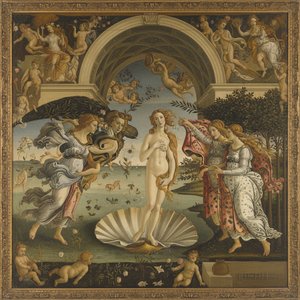
Botticelli: Las 25 Obras Maestras del Renacimiento para Decorar con Arte y Elegancia
Descubre las 25 obras maestras de Sandro Botticelli, el genio del Renacimiento italiano. Explora 'El Nacimiento de Venus', 'Primavera' y más: historia, técnica y belleza clásica. Encuentra reproducciones de arte exclusivas en ArtsDot.com.

Giclée Prints: Archival Quality & Aesthetic Nuances for the Discerning Collector
Explore the world of giclée prints with ArtsDot. Learn about archival quality, aesthetic nuances & investment potential. Expert guidance for discerning art collectors seeking museum-quality reproductions and lasting value.

The Enduring Legacy of Fine Art Prints: Technique, History & Aesthetic Impact
Explore the rich history & techniques of fine art prints. Discover investment potential, assess authenticity, and learn how to preserve your collection with expert guidance. Trusted insights for discerning collectors.
Michelangelo Buonarroti: Las 25 Obras Maestras que Definen un Genio del Renacimiento | ArtsDot
Descubre las 25 obras maestras de Michelangelo Buonarroti: del David a la Capilla Sixtina. Explora su historia, técnica y significado en el Renacimiento italiano. Reproducciones de arte exclusivas para tu hogar en ArtsDot.com.

Echoes of Time: Exploring the Enduring Appeal & Historical Context of Vintage Art Prints
Explore the captivating world of vintage art prints! Discover their history, collecting tips & enduring appeal. Expert insights on chromolithography and building a legacy collection with ArtsDot.