 Ver en contexto
 Enviar
 Compartir
 Detalles

 Descargar
 Similares
 Radiografía
 Presentación de diapositivas
 Estadísticas
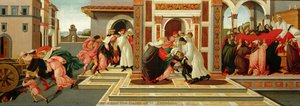
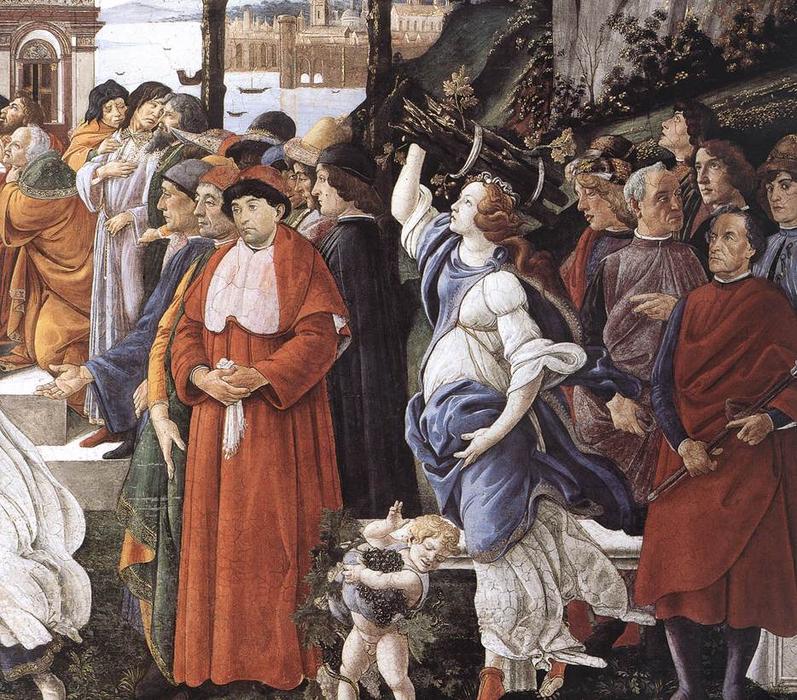
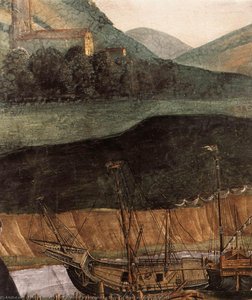
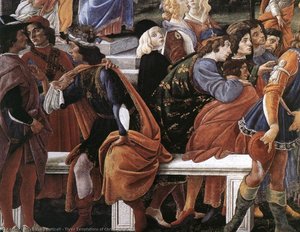
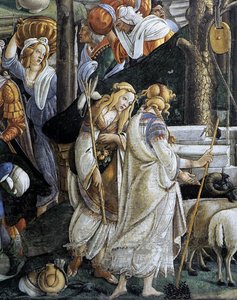
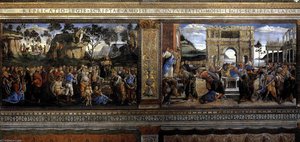
Three Temptations of Christ (detail 3) (Cappella Sistina, Vatican)


 Ver más
Reproducción al óleo hecha a mano
Óleo sobre lienzo pintado a mano en el tamaño y marco de su elección, realizado por encargo por nuestros artistas. ( Cambiar a Impresión Cambiar a imagen digital)




P118B $10

P118H $10

P118W $10

P438Z $10

P508JH $12

P508YH $12

P805H $10

P805Z $10

P919BZ $10

P919G $10

P919XJ $10

P959ZH $10

P968JZ $12

W106C $8

W218G $10

W218JH $8

W218Y $10

W307PJ $10

W316G $10

W316PJ $8

W316Y $10

W398PJ $8

W4111J $10

W500HY $15

W500JH $15

W692G $12

W849H $8

W940BG $15

W953PJ $8




Elija entre nuestros tamaños predefinidos que respetan las proporciones originales de la obra.

Puede ingresar sus propias dimensiones para adaptarse a un marco o espacio específico. Si el tamaño seleccionado no coincide con las proporciones de la imagen original, recortaremos la obra o extenderemos la pintura con elementos adicionales pintados a mano. Se le enviará una maqueta digital para su aprobación antes de comenzar la producción.
Tenga en cuenta que la vista previa en pantalla no refleja el recorte o la extensión reales. Solo la maqueta mostrará con precisión la composición final.
Si bien existen tamaños personalizados, recomendamos seleccionar una dimensión de la lista predefinida para preservar las proporciones originales.
Tras realizar el pedido, el equipo de ArtsDot.com enviará un correo electrónico al cliente para solicitar instrucciones y proporcionarle una vista previa del boceto.
Envío a todo el mundo () en 3-4 semanas en lugar de las 5 semanas estándar. (10 septiembre). Sin comprometer la calidad.

Envío exprés gratuito a todo el mundo

Lienzo de lino de alta calidad

Seguro de envío total

Garantía de reembolso de impuestos aduaneros

Garantía de fidelidad cromática exacta

Política de devolución de 100 días (solo por defectos)

Garantía de devolución del 100% del dinero

Descuento por cantidad
 La opción de vidrio solo está disponible en tamaños inferiores a 110 cm.

Three Temptations of Christ (detail 3) (Cappella Sistina, Vatican)
Técnica de reproducción
Dimensiones de la reproducción
-


Precio total final
$ 263
A Moment Frozen in Temptation: Botticelli’s Three Temptations Revisited
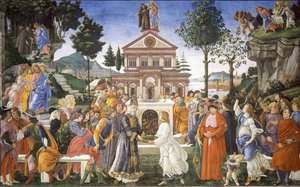
The fresco “Three Temptations of Christ” by Sandro Botticelli, housed within the Cappella Sistina in Vatican City, remains a captivating enigma—a testament to both artistic brilliance and the enduring power of biblical narrative. Painted around 1481 during the height of Florentine Renaissance fervor, this monumental artwork transcends mere depiction; it invites contemplation on themes of faith, desire, and moral struggle. Botticelli’s masterful execution captures not just the visual spectacle but also a profound psychological depth that continues to resonate with audiences centuries later.The Visual Feast: Technique and Composition
Botticelli's technique exemplifies the meticulous precision characteristic of Florentine fresco painting. Employing tempera pigments mixed with lime plaster—a method favored by artists of his era—he achieved remarkable luminosity and vibrancy, particularly noticeable in the depiction of Christ’s face and garments. The artist skillfully utilized chiaroscuro –the interplay of light and shadow– to sculpt form and convey emotion, subtly highlighting Jesus' vulnerability amidst the encroaching darkness of temptation. Furthermore, Botticelli’s compositional choices contribute significantly to the artwork’s impact. The scene unfolds with a carefully orchestrated arrangement of figures—Jesus at the center, surrounded by angelic messengers and earthly onlookers—creating a dynamic yet balanced visual experience. The inclusion of architectural elements like buildings and boats establishes a believable setting, grounding the spiritual drama in tangible reality.Symbolism Woven into Sacred Narrative
Beyond its technical prowess, “Three Temptations” is laden with symbolic significance rooted in Christian theology. Satan appears as a serpent coiled around Jesus’s feet, representing deceit and evil—a direct allusion to Genesis 3 and the Fall of Man. The three temptations themselves –the desire for earthly glory (represented by Herod), the temptation to divorce Mary Magdalene (symbolizing purity and fidelity) and the offer of power over Rome—explore the challenges faced by Christ in maintaining his unwavering devotion to God amidst worldly pressures. Botticelli’s depiction of the angelic messengers underscores divine intervention, emphasizing God's protection and guidance as Jesus resists temptation. The bird perched atop the left panel is a subtle emblem of hope and resurrection –a visual reminder of Christ’s triumph over evil and death.A Reflection of Renaissance Ideals
“Three Temptations” embodies the humanist spirit that permeated Renaissance Florence, prioritizing human dignity and moral contemplation alongside artistic beauty. Botticelli's style—characterized by graceful lines, idealized figures, and a lyrical aesthetic—mirrors the broader cultural movement’s fascination with classical forms and mythology. Unlike earlier medieval art, which often prioritized religious dogma over emotional expression, Botticelli sought to convey profound psychological truths through visual imagery. The fresco speaks to the anxieties of its time –the questioning of established authority and the yearning for spiritual renewal—yet it simultaneously affirms the enduring values of compassion, humility, and faith.Emotional Resonance: An Image That Endures
The fresco’s emotional impact remains palpable even today. Botticelli's portrayal of Jesus’s inner turmoil captures the essence of human vulnerability confronted by divine grace. The scene compels viewers to confront questions about moral responsibility and the struggle between earthly desires and spiritual aspirations. More than just a depiction of biblical events, “Three Temptations” serves as an invitation to engage in a dialogue with timeless themes—a reminder that even amidst darkness, hope persists, and faith remains steadfast. Its enduring beauty lies not only in its masterful technique but also in its ability to provoke contemplation and inspire awe.Obras relacionadas
Biografía del artista
vida temprana y formación
Sandro Botticelli, nacido Alessandro di Mariano di Vanni Filipepi alrededor de 1445, fue una figura clave en el Renacimiento temprano de la pintura italiana. Inicialmente eclipsado post mortem, la obra de Botticelli fue revitalizada a finales del siglo XIX por los pre-rafaelitas, lo que llevó a una reevaluación de sus contribuciones artísticas. Botticelli nació en Florencia, Italia, y vivió toda su vida en el mismo barrio. Su familia, incluyendo a su padre Mariano di Vanni d'Amadeo Filipepi, estuvo involucrada en diversas profesiones, lo que les permitió entrar en contacto con artistas. Giorgio Vasari informó que Botticelli fue inicialmente entrenado como joyero.Estilo artístico y obras notables
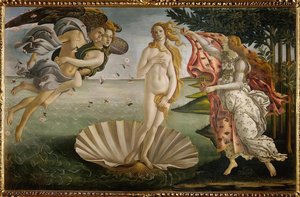
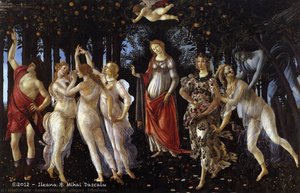
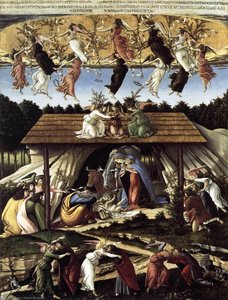
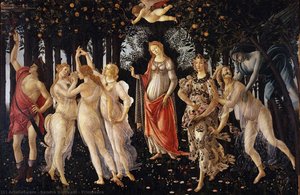
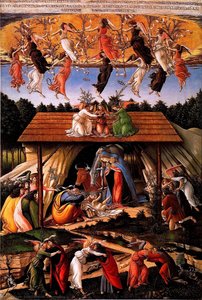
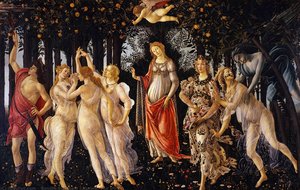
La obra de Botticelli se caracteriza por una elegante linealidad, que conecta el gótico tardío italiano con el Renacimiento temprano. Sus obras más famosas, El nacimiento de Venus y Primavera, se exhiben en la Galería Uffizi en Florencia, que alberga una importante colección de su arte. * El nacimiento de Venus (ver en ArtsDot) * Primavera (explorar el arte de Sandro Botticelli en ArtsDot) * La natividad mística (Galería Nacional, Londres), fechada en 1501, es la única obra de Botticelli con una fecha clara.Legado e influencia
El estilo de Botticelli evolucionó hacia un enfoque más personal en la década de 1490, divergente de sus contemporáneos como Leonardo da Vinci y el estilo del Alto Renacimiento emergente. Su obra ha sido reconocida como una contribución significativa al movimiento artístico del Renacimiento italiano. * El movimiento artístico del Renacimiento italiano * Sandro Botticelli en Wikipedia- Artistas notables del Renacimiento italiano incluyen a Sandro Botticelli, Leonardo da Vinci, Miguel Ángel y Tiziano.
- La Galería Uffizi de Florencia alberga una importante colección de arte de Botticelli.
- La obra de Botticelli ha sido reconocida como una figura clave en el Renacimiento temprano de la pintura italiana.
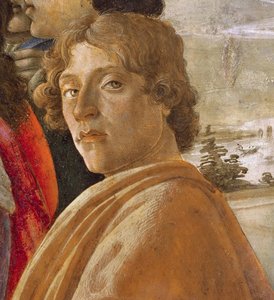
Sandro Botticelli
1445 - 1510 , Italia
Datos clave
- Artistas Que Influyeron:
- Fra Angelico
- Paolo Uccello
- Estilo Artístico: Renacimiento Temprano
- Fecha De Muerte: 1510
- Fecha De Nacimiento: c. 1445
- Influenciado A Artistas: ['Pre-Rafaelitas']
- Lugar De Nacimiento: Florencia, Italia
- Nacionalidad: Italiana
- Nombre Completo: Sandro Botticelli
- Obras Notables:
- El Nacimiento de Venus
- Primavera
- Natividad Mística
Artículos relacionados
The Enduring Legacy of Fresco: Technique, History & Artistic Expression Across Cultures
Explore the rich history & enduring legacy of fresco painting! Discover ancient techniques, Giotto's masterpieces, and modern applications. Expert insights for art lovers & professionals.
Los 10 Maestros del Renacimiento Temprano: Arte que Transformó el Mundo |
Descubre los 10 maestros del Renacimiento Temprano: Botticelli, Leonardo da Vinci y más. Explora la historia, técnica y belleza de obras icónicas italianas. Reproducciones de arte exclusivas en .
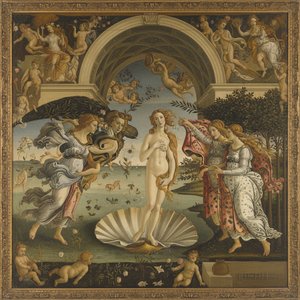
Botticelli: Las 25 Obras Maestras del Renacimiento para Decorar con Arte y Elegancia
Descubre las 25 obras maestras de Sandro Botticelli, el genio del Renacimiento italiano. Explora 'El Nacimiento de Venus', 'Primavera' y más: historia, técnica y belleza clásica. Encuentra reproducciones de arte exclusivas en ArtsDot.com.

The Enduring Legacy of Fresco Painting: Techniques, History & Contemporary Relevance
Explore the rich history & enduring artistry of fresco painting – from Giotto to Michelangelo! Discover techniques, conservation efforts, & modern applications. Learn how ArtsDot brings this timeless art form to your home.

Legado en las Paredes: Frescos Familiares que Trascienden el Tiempo
Descubre el arte del fresco muralístico para inmortalizar tu historia familiar. Expertos en frescos personalizados y técnicas ancestrales. Crea un legado visual único con .