

 Ver en contexto
 Enviar
 Compartir
 Detalles

 Descargar
 Similares
 Radiografía
 Presentación de diapositivas
 Estadísticas
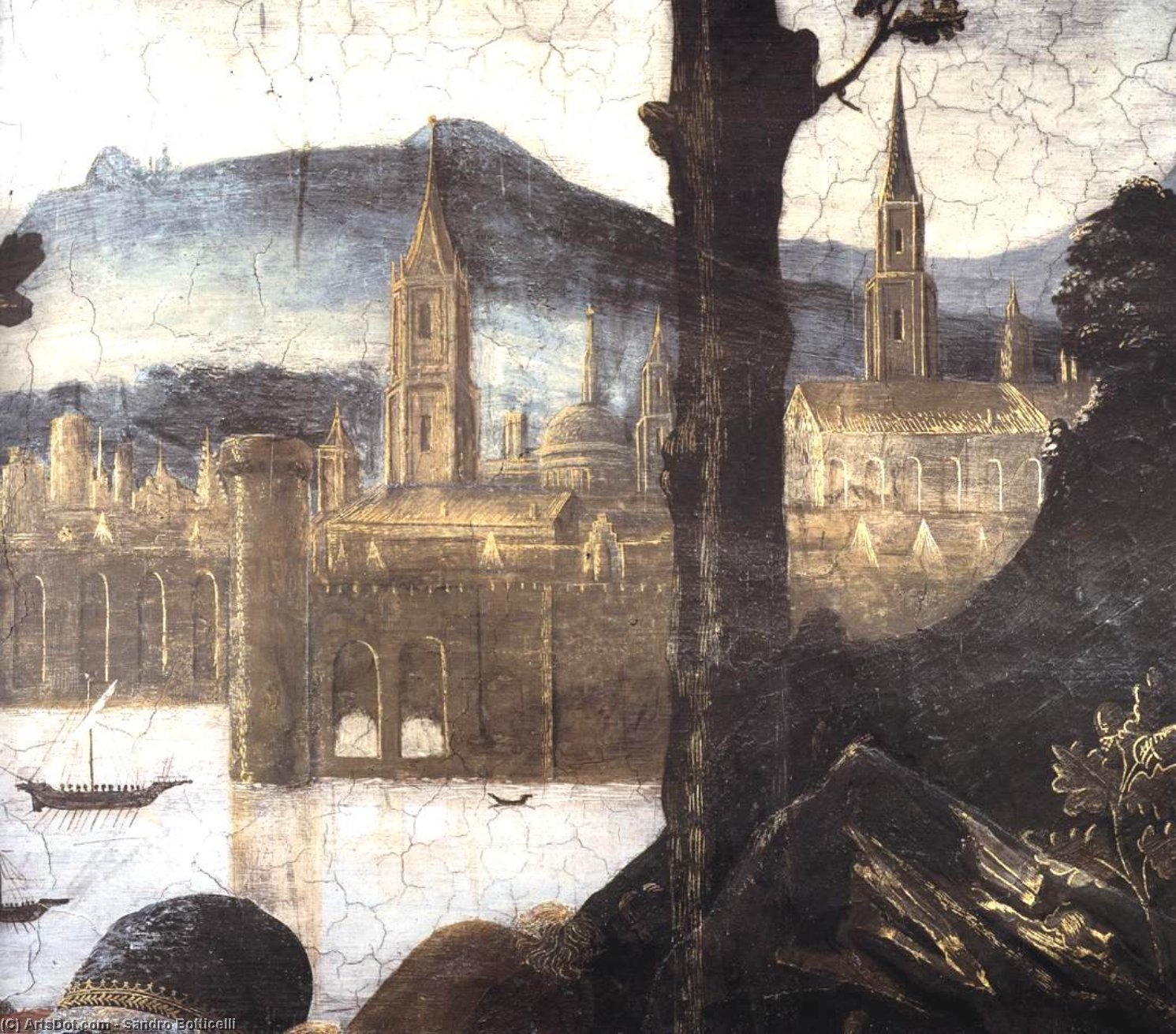
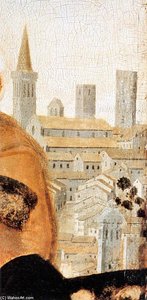
Three Temptations Of Christ (detail - (8))


 Ver más
Adquiera una imagen digital de alta resolución y optimizada, muy superior a la vista previa en línea.
Cada archivo es preparado meticulosamente por nuestros especialistas internos mediante el uso de herramientas avanzadas y un experto retoque manual. Nos aseguramos de que cada imagen posea una claridad excepcional, una precisión cromática impecable y un detalle minucioso.
El archivo final se entrega por correo electrónico en un plazo de 72 horas, optimizado para su uso inmediato en entornos profesionales, editoriales y de impresión. Esta es la misma calidad en la que confían los estudios de diseño, las editoriales y las galerías de primer nivel.
Imagen Digital
Descarga un archivo de alta resolución para exhibición personal, impresión y proyectos creativos. ( Cambiar a Impresión Comprar pintura hecha a mano)
Incluido en cada pedido de imágenes digitales
Entrega digital experta, garantizada.
Al elegir ArtsDot.com, no solo está adquiriendo una imagen; está recibiendo una obra de arte digital mejorada profesionalmente, elaborada con precisión y respaldada por una garantía de satisfacción. Esto es todo lo que incluye su pedido, automáticamente:

Entrega rápida por email
Recibirá su archivo de imagen digital en alta resolución por correo electrónico en un plazo de 72 horas tras realizar su pedido, listo para su uso inmediato.

Archivo digital optimizado por IA
Su obra de arte se optimiza profesionalmente mediante herramientas avanzadas de IA y edición manual, garantizando el máximo detalle, claridad y precisión cromática.

Reenvío gratuito de por vida
¿Has borrado o perdido tu archivo por error? No te preocupes: te lo volveremos a enviar en cualquier momento, sin coste adicional.

Sin gastos de importación, siempre
Disfrute de su obra de arte al instante sin aduanas, aranceles ni gastos de envío; las descargas digitales siempre están libres de impuestos.

Garantía de fidelidad de color
Garantizamos que su imagen digital refleje los colores originales con la mayor fidelidad posible, mediante el uso de herramientas profesionales y gestión del color.

Garantía de satisfacción de 100 días
Si no está satisfecho con su imagen digital, la revisaremos o le reembolsaremos el 100% en un plazo de 100 días, sin preguntas.

100% Garantía de devolución de dinero
¿No está satisfecho? Obtenga un reembolso completo dentro de los 100 días posteriores a la recepción de su archivo digital, sin preguntas.

Descuentos por pedidos grandes
Compra 3 imágenes, ahorra 10% - Compra 5, ahorra 15% - Compra 10+, ahorra 20%. Ideal para proyectos creativos, galerías y agencias.
A Vision of Florentine Faith: The Ethereal Grace of Botticelli
To gaze upon Sandro Botticelli’s Three Temptations of Christ is to step through a portal into the very heart of the Early Renaissance, where the boundaries between the earthly and the divine begin to dissolve. Created circa 1482 during the illustrious reign of Lorenzo de' Medici, this monumental work—part of the sacred fresco cycle in the Sistine Chapel—stands as a profound testament to humanist ideals intertwined with deep religious contemplation. Botticelli does not merely depict a biblical narrative; he weaves a lyrical tapestry of grace, capturing a moment where classical beauty and Christian devotion dance in a delicate, poetic harmony. The scene unfolds with a sense of spiritual weight, yet it is rendered with that signature Florentine sensibility: an ethereal palette that prioritizes luminosity and a rhythmic, flowing line that guides the eye through a landscape of profound moral significance.
The composition itself is a masterclass in symbolic storytelling. As Christ resists the temptations of Satan—lust, avarice, and pride—the artist surrounds the central struggle with a stylized cityscape reminiscent of the architectural grandeur of Florence. A prominent castle dominates the background, serving as a powerful symbol of papal authority and divine governance. Below this imposing structure, a tranquil river winds its way through the city, its calm waters reflecting the inner serenity sought by the faithful. This deliberate use of perspective, featuring a flattened horizon line, creates a contemplative mood that invites the viewer to linger on the details, from the distant mountains to the small boats drifting upon the water, all contributing to an atmosphere of timelessness and peace.
Mastery of Technique and the Spirit of the Renaissance
The technical brilliance of this piece lies in Botticelli’s ability to achieve vibrant color and subtle gradations of tone through his meticulous use of tempera on gesso. Having honed his craft under the legendary Fra Filippo Lippi, Botticelli brought an unparalleled level of craftsmanship to the panel, layering pigments to create a sense of depth and light that feels almost supernatural. Every brushstroke serves the purpose of emphasizing the idealized figures and the intricate details of the landscape. This meticulousness is not merely for show; it is an expression of the Renaissance belief in human dignity and moral excellence. The depiction of Christ embodies these virtues—humility, compassion, and unwavering faith—making the artwork a mirror for the spiritual aspirations of his era.
For the discerning collector or interior designer, a high-quality reproduction of this masterpiece offers more than just aesthetic beauty; it brings a piece of history into the modern living space. The painting’s ability to evoke emotion—ranging from the tension of the temptation to the serenity of the Florentine landscape—makes it a versatile and commanding focal point for any curated collection. Whether placed in a quiet study or a grand hall, this work serves as an enduring symbol of resilience and grace, offering a window into a world where art was the ultimate bridge between the human soul and the eternal.
Obras relacionadas
Biografía del artista
vida temprana y formación
Sandro Botticelli, nacido Alessandro di Mariano di Vanni Filipepi alrededor de 1445, fue una figura clave en el Renacimiento temprano de la pintura italiana. Inicialmente eclipsado post mortem, la obra de Botticelli fue revitalizada a finales del siglo XIX por los pre-rafaelitas, lo que llevó a una reevaluación de sus contribuciones artísticas. Botticelli nació en Florencia, Italia, y vivió toda su vida en el mismo barrio. Su familia, incluyendo a su padre Mariano di Vanni d'Amadeo Filipepi, estuvo involucrada en diversas profesiones, lo que les permitió entrar en contacto con artistas. Giorgio Vasari informó que Botticelli fue inicialmente entrenado como joyero.Estilo artístico y obras notables
La obra de Botticelli se caracteriza por una elegante linealidad, que conecta el gótico tardío italiano con el Renacimiento temprano. Sus obras más famosas, El nacimiento de Venus y Primavera, se exhiben en la Galería Uffizi en Florencia, que alberga una importante colección de su arte. * El nacimiento de Venus (ver en ArtsDot) * Primavera (explorar el arte de Sandro Botticelli en ArtsDot) * La natividad mística (Galería Nacional, Londres), fechada en 1501, es la única obra de Botticelli con una fecha clara.Legado e influencia
El estilo de Botticelli evolucionó hacia un enfoque más personal en la década de 1490, divergente de sus contemporáneos como Leonardo da Vinci y el estilo del Alto Renacimiento emergente. Su obra ha sido reconocida como una contribución significativa al movimiento artístico del Renacimiento italiano. * El movimiento artístico del Renacimiento italiano * Sandro Botticelli en Wikipedia- Artistas notables del Renacimiento italiano incluyen a Sandro Botticelli, Leonardo da Vinci, Miguel Ángel y Tiziano.
- La Galería Uffizi de Florencia alberga una importante colección de arte de Botticelli.
- La obra de Botticelli ha sido reconocida como una figura clave en el Renacimiento temprano de la pintura italiana.
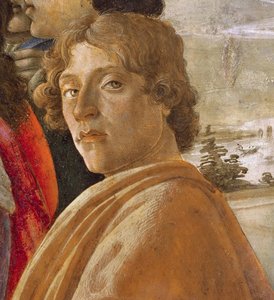
Sandro Botticelli
1445 - 1510 , Italia
Breves datos
- Artistas Que Influyeron:
- Fra Angelico
- Paolo Uccello
- Estilo Artístico: Renacimiento Temprano
- Fecha De Muerte: 1510
- Fecha De Nacimiento: c. 1445
- Influenciado A Artistas: ['Pre-Rafaelitas']
- Lugar De Nacimiento: Florencia, Italia
- Nacionalidad: Italiana
- Nombre Completo: Sandro Botticelli
- Obras Notables:
- El Nacimiento de Venus
- Primavera
- Natividad Mística