 Ver en contexto
 Enviar
 Compartir
 Detalles

 Descargar
 Similares
 Radiografía
 Presentación de diapositivas
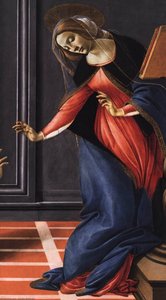
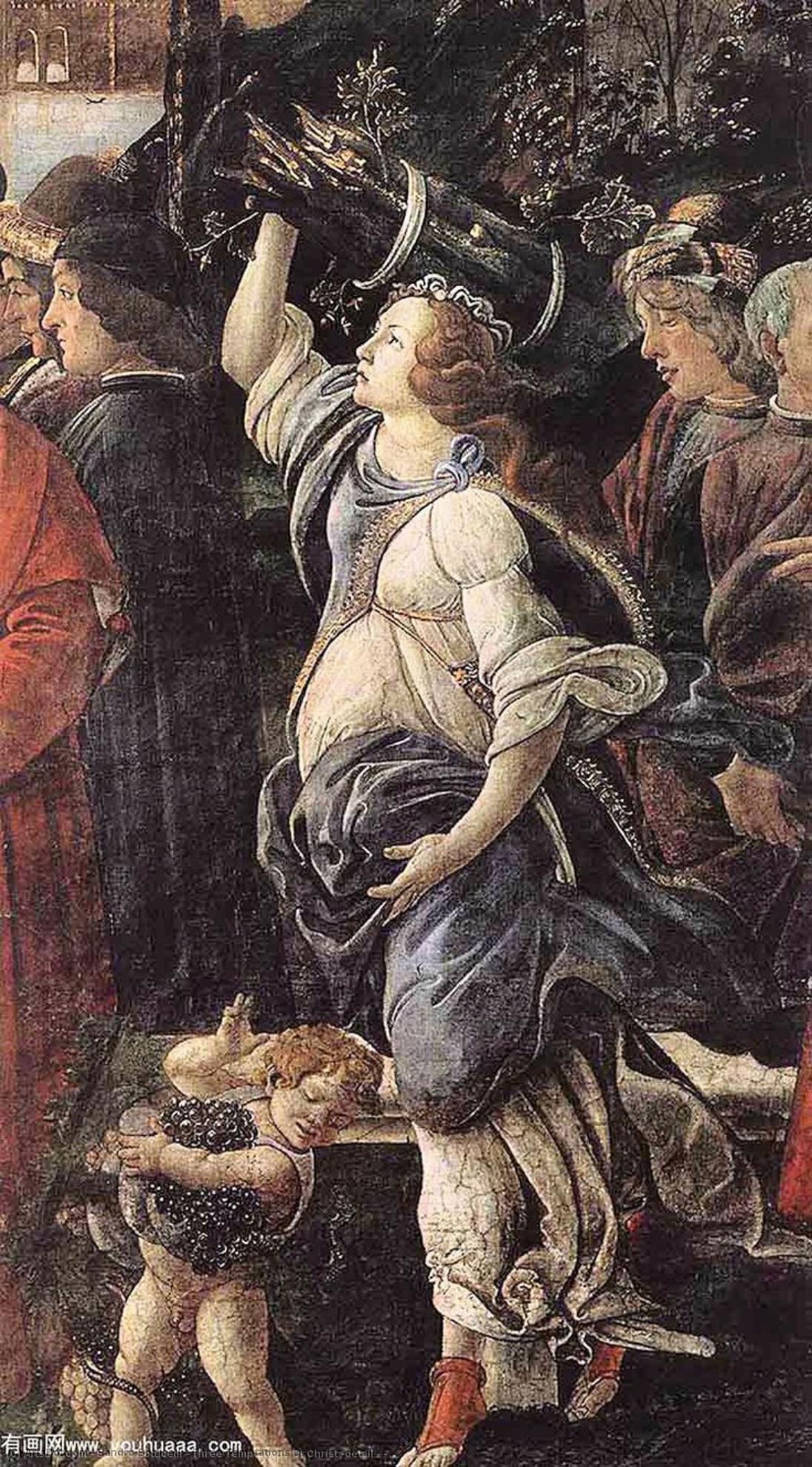
Tres Tentaciones de Cristo (detalle -)


 Ver más
Reproducción al óleo hecha a mano
Óleo sobre lienzo pintado a mano en el tamaño y marco de su elección, realizado por encargo por nuestros artistas. ( Comprar impresión Comprar imagen)




P118B $10

P118H $10

P118W $10

P438Z $10

P508JH $12

P508YH $12

P805H $10

P805Z $10

P919BZ $10

P919G $10

P919XJ $10

P959ZH $10

P968JZ $12

W106C $8

W218G $10

W218JH $8

W218Y $10

W307PJ $10

W316G $10

W316PJ $8

W316Y $10

W398PJ $8

W4111J $10

W500HY $15

W500JH $15

W692G $12

W849H $8

W940BG $15

W953PJ $8




Elija entre nuestros tamaños predefinidos que respetan las proporciones originales de la obra.

Puede ingresar sus propias dimensiones para adaptarse a un marco o espacio específico. Si el tamaño seleccionado no coincide con las proporciones de la imagen original, recortaremos la obra o extenderemos la pintura con elementos adicionales pintados a mano. Se le enviará una maqueta digital para su aprobación antes de comenzar la producción.
Tenga en cuenta que la vista previa en pantalla no refleja el recorte o la extensión reales. Solo la maqueta mostrará con precisión la composición final.
Si bien existen tamaños personalizados, recomendamos seleccionar una dimensión de la lista predefinida para preservar las proporciones originales.
Tras realizar el pedido, el equipo de ArtsDot.com enviará un correo electrónico al cliente para solicitar instrucciones y proporcionarle una vista previa del boceto.
Envío a todo el mundo () en 3-4 semanas en lugar de las 5 semanas estándar. (23 agosto). Sin comprometer la calidad.

Envío exprés gratuito a todo el mundo

Lienzo de lino de alta calidad

Seguro de envío total

Garantía de reembolso de impuestos aduaneros

Garantía de fidelidad cromática exacta

Política de devolución de 60 días (solo por defectos)

Garantía de devolución del 100% del dinero

Descuento por cantidad
 La opción de vidrio solo está disponible en tamaños inferiores a 110 cm.

Tres Tentaciones de Cristo (detalle -)
Técnica de reproducción
Dimensiones de la reproducción
-


Precio total final
$ 263
Descripción de la obra
A Divine Confrontation in Miniature: Botticelli’s ‘Three Temptations of Christ’ (Detail)
Within the vast fresco cycle adorning the Sistine Chapel, Sandro Botticelli's contribution stands as a testament to the artistic fervor and religious devotion of Renaissance Italy. This captivating detail, extracted from *The Temptations of Christ*, offers an intimate glimpse into a pivotal moment of spiritual drama – a scene brimming with psychological tension and symbolic weight. Commissioned by Pope Sixtus IV between 1480 and 1482, the entire project aimed to visually narrate parallels between Old and New Testament stories, reinforcing papal authority through artistic grandeur. Botticelli, alongside masters like Ghirlandaio and Perugino, was tasked with bringing these sacred narratives to life on an unprecedented scale.
The Weight of Choice: Narrative and Style
This fragment focuses on what is likely the second temptation – a daring proposition by Satan wherein Christ is led to the pinnacle of the Temple in Jerusalem. The Devil urges Him to prove His divine protection, to demonstrate faith through a perilous leap. Botticelli’s rendering isn't one of bombastic spectacle but rather of restrained intensity. The elegance of line that defines his style – a graceful transition from Gothic influences towards a more classical aesthetic – is immediately apparent in the flowing drapery and delicate articulation of figures. This linearity doesn’t diminish the emotional impact; instead, it heightens the sense of contained drama. The composition feels poised, expectant, as if holding its breath before the inevitable moment of decision. The artist infuses this religious narrative with a distinctly Florentine humanism, imbuing each figure with palpable emotion and psychological depth.
Technique and Symbolism: A Master’s Hand
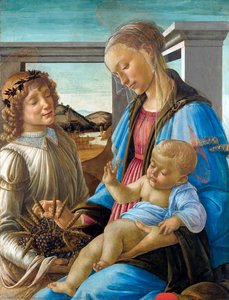
Executed as a fresco, *The Temptations of Christ* demanded both swiftness and precision. Painting directly onto wet plaster required meticulous planning and an assured hand. Here, in this detail, we can appreciate Botticelli’s mastery of technique – the subtle layering of pigments to achieve depth and luminosity, the delicate rendering of textures from fabric to flesh. The shadowed area containing a veiled object or deity hints at the deceptive power of Satan, while the child holding grapes introduces layers of symbolic meaning: innocence, temptation, perhaps even an allusion to the Eucharist. The architectural elements, referencing the Temple in Jerusalem, ground the scene in both geographical and religious context. Every gesture, every expression is carefully considered, contributing to the overall narrative tension. The dramatic use of light and shadow isn’t merely aesthetic; it serves to heighten the psychological intensity, drawing the viewer into Christ’s internal struggle.
A Legacy of Reverence: Emotional Resonance and Artistic Impact
This detail from Botticelli’s fresco evokes a profound sense of solemnity and reverence. It is not simply a depiction of a biblical event but an exploration of faith, doubt, and the enduring power of temptation. The artist’s ability to portray such complex human emotions within a religious framework continues to resonate with audiences centuries later. For collectors and designers, a high-quality reproduction of this fragment offers more than just aesthetic appeal; it provides a window into the heart of the Renaissance, a touchstone of intellectual depth, and a striking focal point for any space. It is a piece that invites contemplation, sparking dialogue about faith, morality, and the enduring power of art to illuminate the human condition.
Historical Context: The Papal Commission and Artistic Rivalry
The Sistine Chapel project represented an ambitious undertaking—a concerted effort by papal patronage to elevate Rome’s prestige and reaffirm its spiritual authority. Pope Sixtus IV, a fervent supporter of humanist ideals alongside orthodox Catholic dogma, envisioned the fresco cycle as a powerful visual testament to Christian faith. Botticelli's involvement was part of a broader artistic competition among Florentine masters—Ghirlandaio, Perugino, Luca Signorelli and Piero della Francesca—each vying for papal favor. The stylistic choices made by Botticelli reflected the prevailing trends of the time, blending Gothic influences with emerging classical ideals. This fusion underscored the Renaissance’s commitment to reviving ancient art forms while simultaneously expressing profound spiritual convictions.
Symbolism Unveiled: Decoding the Visual Language
Botticelli's meticulous attention to detail—the precise rendering of drapery folds, facial expressions, and architectural ornamentation—served a deliberate symbolic purpose. The veiled figure represents God, shrouded in mystery yet radiating divine grace. The child holding grapes symbolizes innocence and fecundity, referencing biblical prophecies about the coming Messiah. The Temple façade serves as a reminder of Jerusalem’s sacred significance and underscores the moral dilemma faced by Christ. Botticelli's use of light and shadow—particularly the dramatic chiaroscuro—amplifies these symbolic resonances, creating an atmosphere of tension and contemplation.
Photographic Description: Capturing the Essence of Renaissance Art
The image depicts a section of Sandro Botticelli’s monumental fresco cycle *The Temptations of Christ*, housed in the Sistine Chapel. The detail showcases a central figure—likely Jesus—engaged in a contemplative posture, illuminated by diffused light that casts subtle shadows across his countenance and garments. The composition is carefully balanced, emphasizing the solemnity of the scene. Botticelli’s characteristic linear style is evident in the graceful contours of the drapery and the figures themselves, demonstrating an exceptional command of artistic technique. Textures are rendered with meticulous brushstrokes—particularly noticeable in the folds of fabric—creating a palpable sense of realism. The color palette is muted yet rich, reflecting the subdued hues typical of Renaissance fresco painting.
Size: Unknown
Date: Unknown
Obras relacionadas
Biografía del artista
vida temprana y formación
Sandro Botticelli, nacido Alessandro di Mariano di Vanni Filipepi alrededor de 1445, fue una figura clave en el Renacimiento temprano de la pintura italiana. Inicialmente eclipsado post mortem, la obra de Botticelli fue revitalizada a finales del siglo XIX por los pre-rafaelitas, lo que llevó a una reevaluación de sus contribuciones artísticas. Botticelli nació en Florencia, Italia, y vivió toda su vida en el mismo barrio. Su familia, incluyendo a su padre Mariano di Vanni d'Amadeo Filipepi, estuvo involucrada en diversas profesiones, lo que les permitió entrar en contacto con artistas. Giorgio Vasari informó que Botticelli fue inicialmente entrenado como joyero.Estilo artístico y obras notables
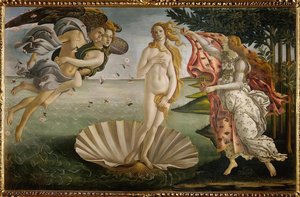
La obra de Botticelli se caracteriza por una elegante linealidad, que conecta el gótico tardío italiano con el Renacimiento temprano. Sus obras más famosas, El nacimiento de Venus y Primavera, se exhiben en la Galería Uffizi en Florencia, que alberga una importante colección de su arte. * El nacimiento de Venus (ver en ArtsDot) * Primavera (explorar el arte de Sandro Botticelli en ArtsDot) * La natividad mística (Galería Nacional, Londres), fechada en 1501, es la única obra de Botticelli con una fecha clara.Legado e influencia
El estilo de Botticelli evolucionó hacia un enfoque más personal en la década de 1490, divergente de sus contemporáneos como Leonardo da Vinci y el estilo del Alto Renacimiento emergente. Su obra ha sido reconocida como una contribución significativa al movimiento artístico del Renacimiento italiano. * El movimiento artístico del Renacimiento italiano * Sandro Botticelli en Wikipedia- Artistas notables del Renacimiento italiano incluyen a Sandro Botticelli, Leonardo da Vinci, Miguel Ángel y Tiziano.
- La Galería Uffizi de Florencia alberga una importante colección de arte de Botticelli.
- La obra de Botticelli ha sido reconocida como una figura clave en el Renacimiento temprano de la pintura italiana.
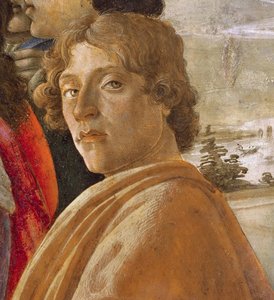
Sandro Botticelli
1445 - 1510 , Italia
Datos clave
- Artistas Que Influyeron:
- Fra Angelico
- Paolo Uccello
- Estilo Artístico: Renacimiento Temprano
- Fecha De Muerte: 1510
- Fecha De Nacimiento: c. 1445
- Influenciado A Artistas: ['Pre-Rafaelitas']
- Lugar De Nacimiento: Florencia, Italia
- Nacionalidad: Italiana
- Nombre Completo: Sandro Botticelli
- Obras Notables:
- El Nacimiento de Venus
- Primavera
- Natividad Mística
Artículos relacionados
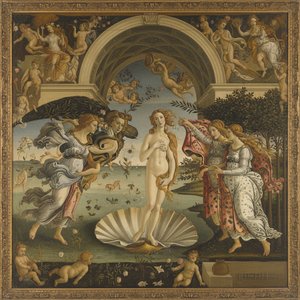
Botticelli: Las 25 Obras Maestras del Renacimiento para Decorar con Arte y Elegancia
Descubre las 25 obras maestras de Sandro Botticelli, el genio del Renacimiento italiano. Explora 'El Nacimiento de Venus', 'Primavera' y más: historia, técnica y belleza clásica. Encuentra reproducciones de arte exclusivas en ArtsDot.com.

Legado en las Paredes: Frescos Familiares que Trascienden el Tiempo
Descubre el arte del fresco muralístico para inmortalizar tu historia familiar. Expertos en frescos personalizados y técnicas ancestrales. Crea un legado visual único con .

The Enduring Legacy of Fresco Painting: Techniques, History & Contemporary Relevance
Explore the rich history & enduring artistry of fresco painting – from Giotto to Michelangelo! Discover techniques, conservation efforts, & modern applications. Learn how ArtsDot brings this timeless art form to your home.

The Enduring Legacy of Fresco: Technique, History & Artistic Expression Across Cultures
Explore the rich history & enduring legacy of fresco painting! Discover ancient techniques, Giotto's masterpieces, and modern applications. Expert insights for art lovers & professionals.
Michelangelo Buonarroti: Las 25 Obras Maestras que Definen un Genio del Renacimiento | ArtsDot
Descubre las 25 obras maestras de Michelangelo Buonarroti: del David a la Capilla Sixtina. Explora su historia, técnica y significado en el Renacimiento italiano. Reproducciones de arte exclusivas para tu hogar en ArtsDot.com.