

 Ver en contexto
 Enviar
 Compartir
 Detalles

 Descargar
 Similares
 Radiografía
 Presentación de diapositivas
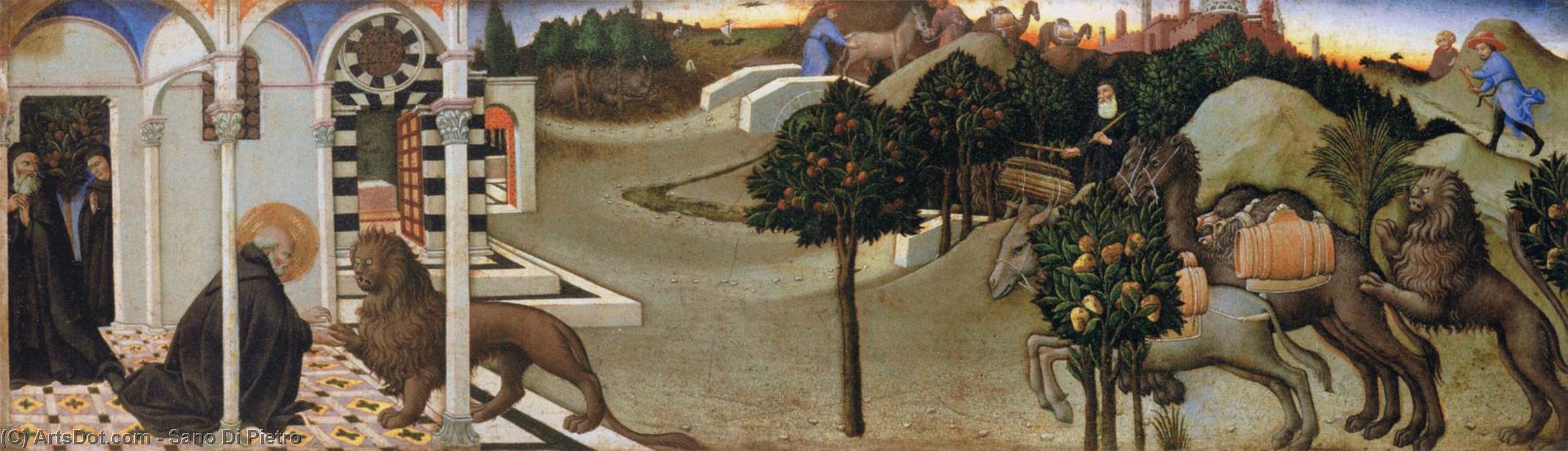
Scenes from the Life of St Jerome
 Oil On Canvas
- WallArt
- Sienese Gothic Tradition
 1444
1444 23.0 x 78.0 cm
 Museo del Louvre
 Ver más
Giclée / Impresión de arte
Impresiones giclée o en lienzo de calidad de museo con producción rápida y opciones de acabado flexibles. ( Comprar pintura hecha a mano Comprar imagen)




P118B $10

P118H $10

P118W $10

P438Z $10

P508JH $12

P508YH $12

P805H $10

P805Z $10

P919BZ $10

P919G $10

P919XJ $10

P959ZH $10

P968JZ $12

W106C $8

W218G $10

W218JH $8

W218Y $10

W307PJ $10

W316G $10

W316PJ $8

W316Y $10

W398PJ $8

W4111J $10

W500HY $15

W500JH $15

W692G $12

W849H $8

W940BG $15

W953PJ $8




Elija entre nuestros tamaños predefinidos que respetan las proporciones originales de la obra.

Puede introducir sus propias dimensiones para adaptarse a un marco o espacio específico. Si el tamaño seleccionado no coincide con las proporciones de la imagen original, recortaremos la obra de arte o extenderemos la imagen con un borde con efecto espejo o de color sólido. Se enviará una maqueta digital para su aprobación antes de que comience la producción.
Tenga en cuenta que la vista previa en pantalla no refleja el recorte o la extensión real. Solo la maqueta mostrará con precisión la composición final.
Aunque existen tamaños personalizados, recomendamos seleccionar una dimensión de la lista predefinida para preservar las proporciones originales.
Envío a todo el mundo () en 2 semanas en lugar de las 4/5 semanas estándar. (26 agosto)

Envío exprés gratuito a todo el mundo

Lienzo de lino de alta calidad

Seguro de envío total

Garantía de reembolso de impuestos aduaneros

Garantía de fidelidad cromática exacta

Política de devolución de 60 días (solo por defectos)

Garantía de devolución del 100% del dinero

Descuento por cantidad
 La opción de vidrio solo está disponible en tamaños inferiores a 110 cm.

Scenes from the Life of St Jerome
Giclée / Impresión de arte
Dimensiones de la reproducción
-


Precio total final
$ 62
Descripción de la pieza
A Window into Siena’s Soul: Sano di Pietro's Scenes from the Life of St. Jerome
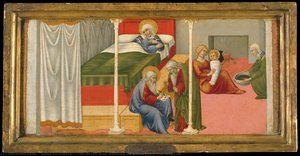
Sano di Pietro’s “Scenes from the Life of St. Jerome,” painted in 1444, isn’t merely a depiction of biblical narratives; it’s a vibrant snapshot of Siena at the turn of the fifteenth century – a city brimming with piety, artistic fervor, and a deep connection to its Gothic heritage. This predella panel, originally part of an altarpiece, offers a captivating glimpse into the daily life and spiritual concerns of its time, rendered in a style that’s both profoundly moving and remarkably intimate.
The painting unfolds as a series of four interconnected scenes, each meticulously crafted with a masterful understanding of composition and color. The first depicts St. Jerome in his monastic cell, surrounded by the familiar comforts of his study – a writing desk, books, and a simple chair. Two figures stand beside him, perhaps representing visitors or fellow monks, engaged in conversation, suggesting a life of contemplation interwoven with human interaction. This initial scene immediately establishes a sense of quiet dignity and scholarly devotion. The second shows three individuals seated on a bench, likely discussing matters of faith or simply enjoying each other’s company; the arrangement is deliberately informal, inviting the viewer into their shared space. The third scene portrays a man and woman seated together, a subtle yet poignant representation of human connection within the framework of religious devotion. Finally, the fourth depicts a solitary figure standing before a wall, perhaps contemplating God or reflecting on his past. These figures are not idealized; they possess a tangible humanity, their faces etched with emotion and their postures conveying a range of experiences – from solemnity to curiosity.
The Gothic Echoes of Siena
Sano di Pietro’s artistic vision is deeply rooted in the traditions of Sienese painting. Unlike the burgeoning Florentine Renaissance, which championed realism and humanism, Sano remained steadfastly committed to the expressive power of Gothic art. His figures are elongated and stylized, their features imbued with a sense of spiritual intensity rather than anatomical accuracy. The use of color is rich and vibrant, dominated by deep reds, blues, and greens – colors that evoke a sense of solemnity and reverence. The background, set against a building adorned with a clock, subtly references the importance of time and divine judgment, reflecting the prevailing religious anxieties of the era. Sano’s work demonstrates a clear influence from his master, Sassetta, known for his elegant figures and intricate details.
Symbolism Woven into the Narrative
Beyond the straightforward depiction of biblical events, “Scenes from the Life of St. Jerome” is laden with symbolic meaning. The animals – a lion, two dogs, and three birds – are not merely decorative elements; they represent virtues and vices, earthly desires and spiritual aspirations. The lion, often associated with strength and courage, could symbolize St. Jerome’s unwavering faith in the face of adversity. The dogs might represent loyalty and fidelity to God. The birds, on the other hand, could signify temptation and the fleeting nature of worldly pleasures. Even the clock on the building's facade serves as a potent symbol – a reminder of mortality and the urgency of seeking salvation.
A Timeless Reflection on Faith and Humanity
“Scenes from the Life of St. Jerome” is more than just a historical artifact; it’s a profoundly moving meditation on faith, humanity, and the complexities of the human condition. Sano di Pietro masterfully captures the essence of Siena's spiritual life, offering viewers a glimpse into a world where piety and earthly concerns intertwined. The painting’s enduring appeal lies in its ability to evoke empathy and contemplation, inviting us to reflect on our own lives and our relationship with the divine. Reproductions of this remarkable work offer a beautiful way to bring this evocative scene into any space, serving as a constant reminder of Siena's artistic legacy and the timeless power of faith.
Obras relacionadas
Biografía del artista
Un visionario del alma gótica de Siena
Sano di Pietro, nacido alrededor de 1405/06, sigue siendo un nombre que resuena con la grandeza y la belleza etérea características de la pintura sienesa durante el Quattrocento. Mientras gran parte del mundo del arte italiano comenzaba a pivotar hacia el floreciente Renacimiento florentino —un movimiento definido por el realismo riguroso y los ideales humanistas—, la visión artística de Sano se aferró con firmeza a las tradiciones de la herencia gótica de Siena. Este compromiso le permitió imbuir sus lienzos con una profundidad espiritual y una cualidad luminosa que lo distinguen como una de las voces más originales y perdurables de su época. Su vida estaba profundamente entretejida en el tejido cívico y espiritual de Siena; más allá del estudio, se desempeñó como líder del distrito de San Donanceto e incluso actuó como árbitro en disputas entre sus colegas maestros, demostrando ser un hombre de gran relevancia social e integridad.
El taller establecido por Sano fue un motor prolífico de creatividad, produciendo una asombrosa variedad de obras que abarcaron diversos medios. No era meramente un pintor de retablos; su maestría se extendía al delicado arte de las miniaturas, a la escala expansiva de los frescos e incluso al intrincado oficio de la encuadernación de libros. Su estilo distintivo es inmediatamente reconocible para cualquier admirador de la escuela sienesa, caracterizado por colores vibrantes y suntuosos yuxtapuestos con draperías elegantes y fluidas. Estos elementos trabajan en armonía para crear composiciones que parecen brillar con una luz interior. Gran parte de esta sensibilidad estética puede rastrearse hasta la influencia de Sassetta, cuyo uso innovador del color y la perspectiva proporcionó la base sobre la cual Sano construyó su propio lenguaje devocional y único.
Obras maestras de devoción y narrativa
La amplitud de la obra de Sano ofrece una ventana a las profundas narrativas religiosas que definieron el siglo XV. Su capacidad para traducir historias bíblicas complejas en imágenes accesibles y emotivas se aprecia quizás mejor en sus diversas representaciones de figuras sagradas. Algunos de sus logros más notables incluyen:
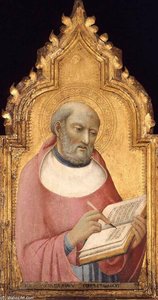
- San Jerónimo: Un retrato impresionante de la figura bíblica en su estudio, donde Sano utiliza colores ricos y detalles intrincados para crear una obra maestra del arte devocional que invita a la contemplación silenciosa.
- Asunción de la Virgen: Una visión celestial de 1448; esta obra captura a la Virgen María ascendiendo entre una multitud de ángeles, encarnando perfectamente la belleza etérea y la gracia divina de la era gótica.
- Escenas de la vida de San Jerónimo: Estos paneles de temple muestran su habilidad para tejer narrativas religiosas complejas a través de figuras vibrantes y un dominio de la tradición sienesa.
- Martirio de Santa Ágata: Una representación conmovedora y luminosa dentro de una letra capitular, que demuestra su destreza en el delicado reino de la iluminación de manuscritos.
A través de estas obras, Sano di Pietro logró un equilibrio poco común entre la belleza ornamental del estilo gótico y una profunda resonancia emocional. Su muerte en 1481 fue marcada por un emotivo tributo, describiéndolo como "un pintor famoso y un hombre totalmente dedicado a Dios". Este epitafio sirve como un resumen apropiado de su legado: un artista cuya vida y obra fueron inseparables de la devoción espiritual de Siena, dejando tras de sí un rastro luminoso de arte que continúa encantando al ojo moderno.
Sano Di Pietro
1406 - 1481 , Italia
Datos clave
- Artistic Movement Or Style: Escuela sienesa
- Artists Who Influenced This Artist:
- Giovanni di Paolo
- Sassetta
- Date Of Birth: 1405/06
- Date Of Death: 1481
- Full Name: Sano di Pietro
- Nationality: Italiano
- Notable Artworks:
- Madonna y Niño con cuatro ángeles
- San Jerónimo
- Políptico de Gesúati
- Place Of Birth: Siena, Italia
Artículos relacionados

Giotto di Bondone: Las 25 Obras Maestras que Definieron el Renacimiento | ArtsDot
Descubre las 25 obras maestras de Giotto di Bondone, el pionero del Renacimiento. Explora la historia, técnica y simbolismo de sus frescos italianos más icónicos. Encuentra reproducciones de arte exclusivas para decorar tu hogar en ArtsDot.com.
Proto-Renacimiento: 10 Obras Maestras que Cambiaron la Historia del Arte | ArtsDot
Descubre las 10 obras maestras del Proto Renacimiento que revolucionaron el arte italiano. Explora la historia de Giotto, Duccio y Cimabue. Reproducciones de arte en ArtsDot.com para decorar tu hogar con belleza atemporal.
La Biennale de Venecia: 25 Obras Maestras para Inspirar tu Hogar | ArtsDot
Descubre las 25 obras maestras de la Bienal de Venecia. Explora la historia, artistas y técnicas detrás de iconos del arte renacentista, moderno y contemporáneo. Encuentra reproducciones de alta calidad e inspira tu hogar con ArtsDot.com.
El Greco: Las 25 Obras Maestras que Definen un Genio del Arte y la Fe
Descubre las 25 obras maestras de El Greco, el genio del Renacimiento español. Explora su arte religioso, manierismo y la historia detrás de cuadros icónicos como 'El Entierro del Conde de Orgaz'. Encuentra reproducciones de alta calidad en ArtsDot.com.

Jacopo Tintoretto: Las 25 Obras Maestras del Genio Veneciano | Arte y Decoración en ArtsDot
Descubre las 25 obras maestras de Jacopo Tintoretto, el genio veneciano del Renacimiento. Explora su arte dramático, composiciones innovadoras y paleta vibrante. Reproducciones de alta calidad en ArtsDot.com para transformar tu hogar.

