

 Ver en contexto
 Enviar
 Compartir
 Detalles

 Descargar
 Similares
 Radiografía
 Presentación de diapositivas
 Stats
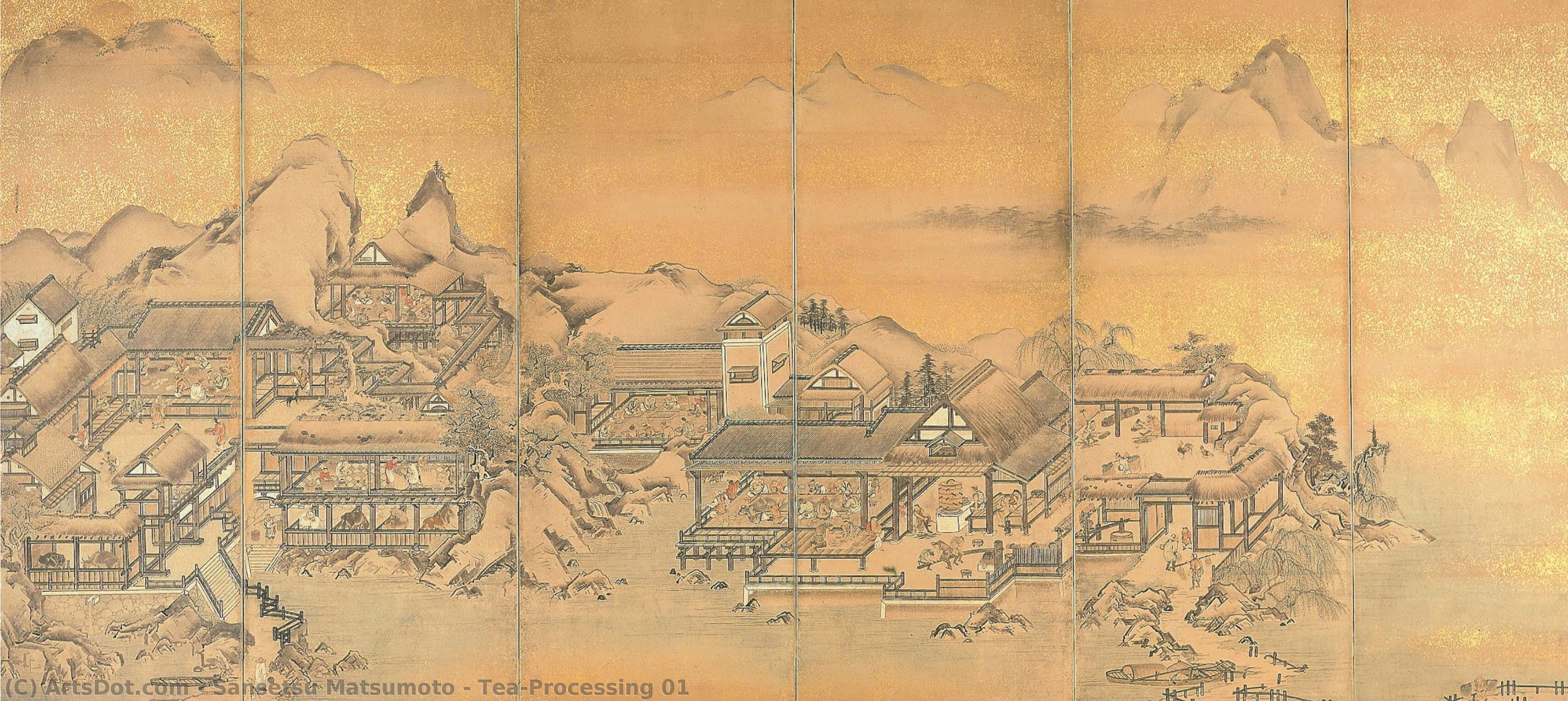
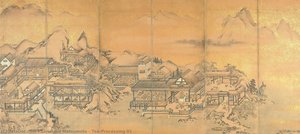
StatsTea-Processing 01
 161.0 x 360.0 cm
 Ver más
Adquiera una imagen digital de alta resolución y optimizada, muy superior a la vista previa en línea.
Cada archivo es preparado meticulosamente por nuestros especialistas internos mediante el uso de herramientas avanzadas y un experto retoque manual. Nos aseguramos de que cada imagen posea una claridad excepcional, una precisión cromática impecable y un detalle minucioso.
El archivo final se entrega por correo electrónico en un plazo de 72 horas, optimizado para su uso inmediato en entornos profesionales, editoriales y de impresión. Esta es la misma calidad en la que confían los estudios de diseño, las editoriales y las galerías de primer nivel.
Imagen Digital
Descarga un archivo de alta resolución para exhibición personal, impresión y proyectos creativos. ( Switch to Print Comprar pintura hecha a mano)
Incluido en cada pedido de imágenes digitales
Entrega digital experta, garantizada.
Al elegir ArtsDot.com, no solo está adquiriendo una imagen; está recibiendo una obra de arte digital mejorada profesionalmente, elaborada con precisión y respaldada por una garantía de satisfacción. Esto es todo lo que incluye su pedido, automáticamente:

Entrega rápida por email
Recibirá su archivo de imagen digital en alta resolución por correo electrónico en un plazo de 72 horas tras realizar su pedido, listo para su uso inmediato.

Archivo digital optimizado por IA
Su obra de arte se optimiza profesionalmente mediante herramientas avanzadas de IA y edición manual, garantizando el máximo detalle, claridad y precisión cromática.

Reenvío gratuito de por vida
¿Has borrado o perdido tu archivo por error? No te preocupes: te lo volveremos a enviar en cualquier momento, sin coste adicional.

Sin gastos de importación, siempre
Disfrute de su obra de arte al instante sin aduanas, aranceles ni gastos de envío; las descargas digitales siempre están libres de impuestos.

Garantía de fidelidad de color
Garantizamos que su imagen digital refleje los colores originales con la mayor fidelidad posible, mediante el uso de herramientas profesionales y gestión del color.

Garantía de satisfacción de 100 días
Si no está satisfecho con su imagen digital, la revisaremos o le reembolsaremos el 100% en un plazo de 100 días, sin preguntas.

100% Garantía de devolución de dinero
¿No está satisfecho? Obtenga un reembolso completo dentro de los 100 días posteriores a la recepción de su archivo digital, sin preguntas.

Descuentos por pedidos grandes
Compra 3 imágenes, ahorra 10% - Compra 5, ahorra 15% - Compra 10+, ahorra 20%. Ideal para proyectos creativos, galerías y agencias.
Obras relacionadas



Biografía del artista
The Silent Resonance of Ink: The Life and Legacy of Sansetsu Matsumoto
In the quiet, contemplative atmosphere of early seventeenth-century Kyoto, a master was refining a visual language that would forever define the spirit of the Edo period. Sansetsu Matsumoto, an artist whose life spanned the transformative years from approximately 1589 to 1651, emerged as a pivotal figure in Japanese art history. While the biographical details of his early years remain partially veiled by the mists of time, his presence in the artistic landscape of Japan is unmistakable. He was a painter who did not merely observe the world but sought to capture its very essence through the disciplined medium of sumō (monochrome ink wash). His work serves as a profound bridge between the spiritual depth of Zen Buddhism and the structured social ideals of Confucianism, creating a visual dialogue between the human soul and the natural world.
The foundation of Matsumoto’s mastery was laid within the rich, sophisticated artistic milieu of Kyoto. It is believed that he honed his craft under the guidance of influential masters such as Kobori Fumio, a renowned landscape architect. This lineage of training was crucial, as it introduced Matsumoto to the aesthetic principles of wabi-sabi—the profound appreciation for imperfection, transience, and the subtle beauty found in simplicity. Through this lens, every brushstroke became an exercise in restraint. He learned to utilize the vast emptiness of the paper as a structural element, allowing the viewer's imagination to fill the spaces between the ink, much like the silence between notes in a musical composition.
A Courtly Vision: Service and Symbolism
As his reputation grew, Matsumoto’s talents were sought after by the powerful structures of feudal Japan. His tenure as a court painter for the Iyo Matsuyama han, a domain under the governance of Tokugawa Yoshimune, marked a significant chapter in his professional development. This period of service allowed him to produce a prolific body of work that functioned on multiple levels. On one hand, his landscapes served a decorative purpose, beautifying the halls of the nobility; on the other, they acted as subtle instruments of political expression. By depicting the grandeur and serenity of the domain's territories, his paintings reflected the Confucian ideal of benevolent governance, suggesting that a well-ordered landscape was a mirror to a well-governed state.
His technical achievements during this era are characterized by an extraordinary command over the monochrome palette. Matsumoto possessed a rare ability to evoke texture, light, and atmosphere using only varying shades of black ink. Whether depicting the muscular grace of horses or the delicate, rhythmic patterns of tea-processing, his work maintains a sense of organic vitality. His compositions often feature:
- Asymmetry: A deliberate departure from rigid balance to mimic the unpredictable beauty of nature.
- Atmospheric Perspective: The use of fading ink washes to create depth and a sense of infinite distance.
- Minimalist Detail: Focusing on essential forms to convey the character of a subject without unnecessary ornamentation.
Historical Significance and Enduring Influence
The historical significance of Sansetsu Matsumoto lies in his ability to synthesize the ruggedness of early ink traditions with the refined elegance required by the burgeoning Edo culture. He did not merely document landscapes; he created spiritual sanctuaries on paper. His mastery of the monochrome technique provided a template for subsequent generations of Japanese painters, influencing the way nature was perceived as both a physical reality and a metaphysical concept. Even today, his works stand as testament to a period of profound cultural flourishing, reminding us that true artistic power often resides in the most subtle of gestures.
Through his dedication to the sumō technique, Matsumoto ensured that the ephemeral beauty of the natural world—the shifting mist, the swaying leaf, the transient light—could be captured and preserved. His legacy remains a cornerstone of Japanese art, offering a timeless meditation on the harmony that exists when humanity learns to move in rhythm with the earth.
sansetsu matsumoto
1676 - , Japan
Breves datos
- Artistic Movement Or Style: Edo Period
- Full Name: sansetsu matsumoto
- Nationality: Japanese
- Notable Artworks: ['Tea-Processing 01']
- Place Of Birth: Japan