

 Ver en contexto
 Enviar
 Compartir
 Detalles

 Descargar
 Similares
 Radiografía
 Presentación de diapositivas
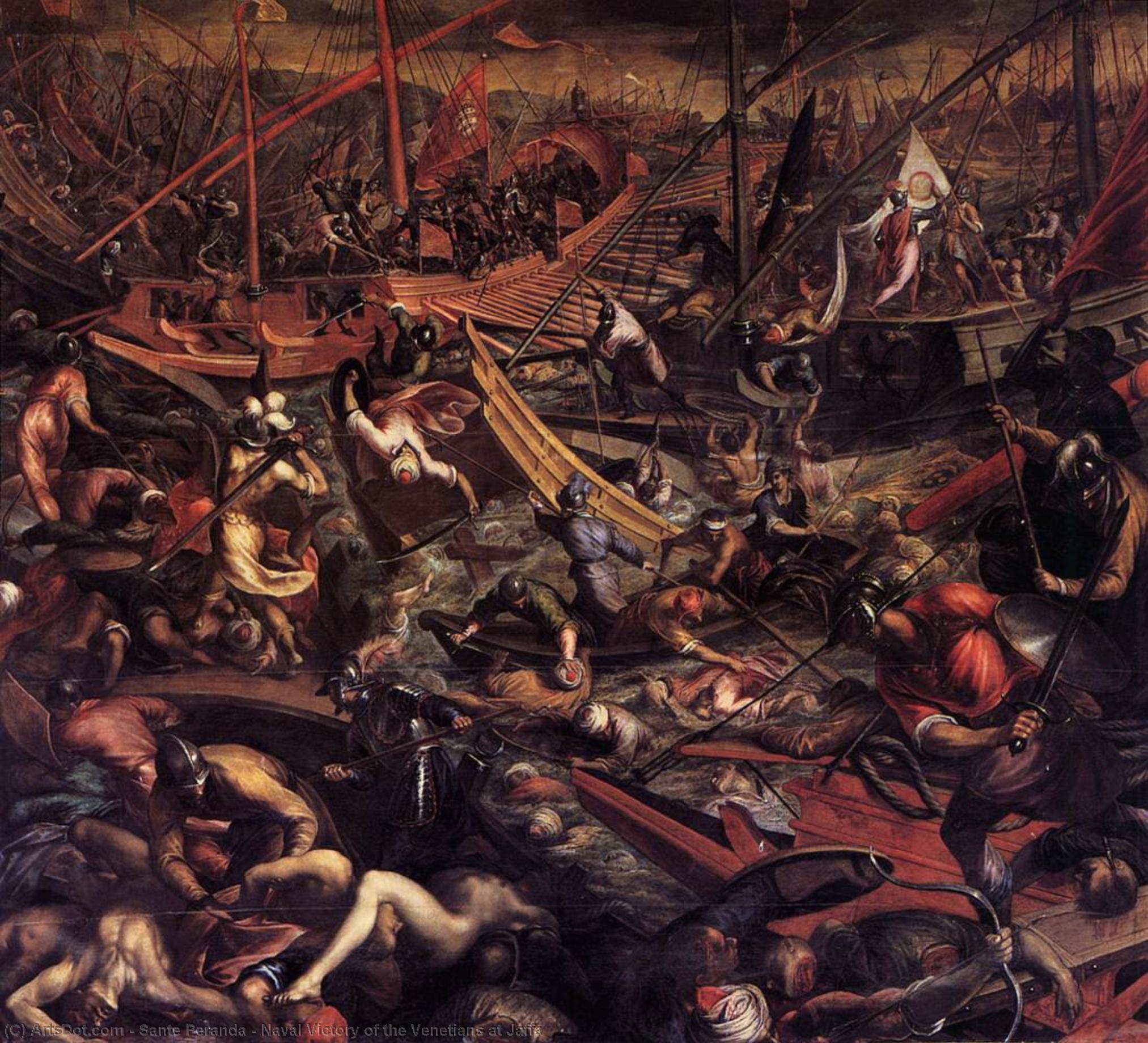
Naval Victory of the Venetians at Jaffa


 Ver más
Reproducción al óleo hecha a mano
Óleo sobre lienzo pintado a mano en el tamaño y marco de su elección, realizado por encargo por nuestros artistas. ( Comprar impresión Comprar imagen)




P118B $10

P118H $10

P118W $10

P438Z $10

P508JH $12

P508YH $12

P805H $10

P805Z $10

P919BZ $10

P919G $10

P919XJ $10

P959ZH $10

P968JZ $12

W106C $8

W218G $10

W218JH $8

W218Y $10

W307PJ $10

W316G $10

W316PJ $8

W316Y $10

W398PJ $8

W4111J $10

W500HY $15

W500JH $15

W692G $12

W849H $8

W940BG $15

W953PJ $8




Elija entre nuestros tamaños predefinidos que respetan las proporciones originales de la obra.

Puede ingresar sus propias dimensiones para adaptarse a un marco o espacio específico. Si el tamaño seleccionado no coincide con las proporciones de la imagen original, recortaremos la obra o extenderemos la pintura con elementos adicionales pintados a mano. Se le enviará una maqueta digital para su aprobación antes de comenzar la producción.
Tenga en cuenta que la vista previa en pantalla no refleja el recorte o la extensión reales. Solo la maqueta mostrará con precisión la composición final.
Si bien existen tamaños personalizados, recomendamos seleccionar una dimensión de la lista predefinida para preservar las proporciones originales.
Tras realizar el pedido, el equipo de ArtsDot.com enviará un correo electrónico al cliente para solicitar instrucciones y proporcionarle una vista previa del boceto.
Envío a todo el mundo () en 3-4 semanas en lugar de las 5 semanas estándar. (26 agosto). Sin comprometer la calidad.

Envío exprés gratuito a todo el mundo

Lienzo de lino de alta calidad

Seguro de envío total

Garantía de reembolso de impuestos aduaneros

Garantía de fidelidad cromática exacta

Política de devolución de 60 días (solo por defectos)

Garantía de devolución del 100% del dinero

Descuento por cantidad
 La opción de vidrio solo está disponible en tamaños inferiores a 110 cm.

Naval Victory of the Venetians at Jaffa
Técnica de reproducción
Dimensiones de la reproducción
-


Precio total final
$ 388
Descripción de la obra
A Symphony of Chaos and Triumph
In the heart of the Venetian Renaissance, where the salt spray of the Adriatic meets the fervor of religious devotion, Sante Peranda captured a moment of unparalleled intensity in his 1590 masterpiece, Naval Victory of the Venetians at Jaffa. This large-scale oil painting is not merely a depiction of maritime conflict; it is a visceral, swirling vortex of motion that pulls the viewer directly into the center of a historical and mythological storm. The canvas vibrates with the energy of a thousand unseen struggles, presenting a scene where the boundaries between human warfare and divine intervention become beautifully blurred. As one gazes upon the crowded decks and splintering masts, there is an immediate sense of being swept up in a tide of history, making it a profound centerpiece for any collection that seeks to evoke drama and grandeur.
The technical mastery of Peranda is on full display through his sophisticated use of chiaroscuro, the dramatic interplay of light and shadow that defines the Mannerist style. He employs deep, somber tones—rich ochres, bruised blues, and blood reds—to create an atmosphere that feels both heavy with the scent of gunpowder and illuminated by a celestial presence. The artist utilizes an impasto technique, applying paint with enough thickness to give texture to the rugged armor of soldiers and the weathered wood of the Venetian galleys. This tactile quality adds a layer of realism to the stylized, elongated figures characteristic of his training under Palma il Giovane, ensuring that even amidst the chaotic composition, every blade of a sword and every ripple of a wave carries significant visual weight.
Symbolism and the Spirit of Venice
Beyond the immediate spectacle of battle, the painting serves as a profound allegorical vessel. While the subject matter celebrates a specific Venetian naval triumph, it is deeply infused with religious symbolism that would have resonated powerfully with a 16th-century audience. The composition subtly mirrors the legendary struggle of St. George against the dragon, positioning the Venetian victory as a metaphor for the triumph of good over evil and the protection of Christendom. This layer of spiritual meaning elevates the work from a mere historical record to a piece of profound theological storytelling. For the discerning collector or interior designer, this duality offers a rich narrative depth, allowing the artwork to serve as both a bold statement of strength and a contemplative piece on the eternal struggle between light and darkness.
Integrating such a powerful work into a curated space requires an appreciation for its emotional resonance. The painting’s flattened perspective and dense, almost claustrophobic arrangement of figures create a sense of overwhelming scale that commands attention in large galleries or grand halls. It is a piece designed to provoke conversation and inspire awe, offering a window into an era where art was the ultimate medium for expressing the heights of human courage and the depths of divine mystery. Whether viewed as a tribute to Venetian maritime heritage or as a masterclass in Mannerist technique, Naval Victory of the Venetians at Jaffa remains an enduring testament to the transformative power of the brush.
Obras relacionadas

Biografía del artista
Sante Peranda: A Venetian Master of Dramatic Mannerism
Sante Peranda (1566 – 1638) represents a pivotal moment in Venetian Renaissance art, embodying the turbulent spirit and profound contemplation that defined his era. Born in Venice, he entered the artistic sphere influenced by Leonardo Corona’s humanist ideals—a dedication to anatomical precision and idealized beauty—and subsequently benefited from the invaluable guidance of Palma il Giovane, whose mastery of chiaroscuro irrevocably shaped Peranda's distinctive style. This technique – the dramatic interplay of light and shadow – became a cornerstone of his artistic vision, elevating his paintings beyond mere representation into expressions of intense emotion and spiritual fervor.Early Influences & Training: The Seeds of Mannerism
Peranda’s formative years were deeply impacted by Corona's humanist convictions, fostering within him an unwavering appreciation for anatomical accuracy and idealized beauty—values that would persist throughout his artistic career. Palma il Giovane’s mentorship proved instrumental in honing Peranda’s technical prowess, specifically his command of chiaroscuro. This stylistic choice wasn’t merely a matter of technique; it was a deliberate embrace of Mannerist principles, signaling a departure from the serene harmony favored by earlier Renaissance artists and foreshadowing a new aesthetic preoccupation with psychological complexity and expressive distortion.Notable Commissions & Artistic Output: Monumental Visions
Peranda's artistic trajectory flourished during the sixteenth century’s tumultuous period, securing prestigious commissions that showcased his remarkable versatility and ambition. Perhaps his most enduring legacy resides in ‘Defeat of the Saracens,’ a monumental altarpiece commissioned for the Ducal Palace of Modena—a sprawling masterpiece depicting a decisive naval victory against Ottoman forces. The painting's dynamic composition and vibrant color palettes exemplify Peranda’s commitment to conveying dramatic narratives with visceral impact, cementing his reputation as one of Venice’s foremost Mannerist painters. Beyond Modena, he undertook commissions like ‘Portrait of a Gentleman,’ demonstrating his ability to capture nuanced psychological portraits—a skill that distinguishes him from many of his contemporaries.Religious Iconography & Dramatic Composition: Expressions of Faith
Peranda's artistic sensibility was profoundly shaped by the Catholic faith prevalent in Venice during his lifetime. His paintings consistently explored themes of martyrdom and divine intervention, utilizing theatrical gestures and expressive faces to evoke profound emotional resonance—a hallmark of Mannerist art’s ambition to unsettle viewers and provoke contemplation. Consider ‘The Gathering of the Manna,’ commissioned for the Church of San Bartolome; this scene overflows with symbolic detail, conveying a palpable sense of spiritual awe and reflecting Peranda's deep engagement with religious iconography.Beyond Modena & Venice: A Legacy of Teaching
While Modena and Venice served as hubs for Peranda’s artistic activity, his influence extended beyond these prominent locations. He actively nurtured the talents of younger artists like Francesco Maffei and Mateo Ponzone—a testament to his dedication not only to creating exceptional artworks but also to fostering a vibrant artistic community. His paintings – including ‘Martyrdom Of St Christina’ and ‘Glorious Mysteries’ for San Nicolò in Treviso – continue to captivate audiences today, offering invaluable insights into the Venetian Renaissance's stylistic innovations and cementing Sante Peranda’s place as an enduring figure in art history. He embodies the Mannerist preoccupation with psychological depth and expressive distortion—a stylistic hallmark that distinguishes him from earlier Renaissance painters.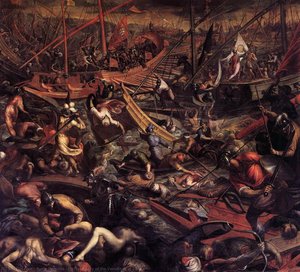
Sante Peranda
1566 - 1638 , Italia
Datos clave
- Artistic Movement Or Style: Late Renaissance, Mannerism
- Artists Who Influenced This Artist:
- Leonardo Corona
- Palma il Giovane
- Date Of Birth: 1566 Venice Italy
- Date Of Death: 1638
- Full Name: Sante Peranda
- Nationality: Italian
- Notable Artworks:
- Naval Victory at Jaffa
- Portrait of a Gentleman
- Martyrdom Of St Christina
- Place Of Birth: Venice Italy
Artículos relacionados

The Enduring Legacy of Oil on Canvas: Technique, History & Aesthetic Impact
Explore the rich history & techniques of oil painting – from Renaissance masters to Impressionism. Discover pigments, layering methods, and why this timeless medium endures. Expert insights for artists & art enthusiasts.

El Óleo sobre Lienzo: Historia, Técnica y la Persistencia de un Medio Artístico Atemporal
Descubre la historia y técnica del óleo sobre lienzo. Explora reproducciones fieles hechas a mano, personalización artística y consejos de expertos con ArtsDot. ¡Colecciona arte con confianza!

The Enduring Power of Painting: A Historical & Contemporary Exploration of Form and Emotion
Explore the rich history & enduring techniques of oil painting with ArtsDot. Discover masterpieces, learn about art collecting, and find authentic handmade reproductions crafted by skilled artists.
La Luz Dorada de la Innovación: Explorando el Renacimiento Veneciano (1430–1580)
Descubra la riqueza y el esplendor del Renacimiento veneciano con ArtsDot. Explore las obras maestras de Tiziano, Giorgione y Tintoretto. Análisis experto, historia detallada e información para coleccionistas.

El Legado Duradero del Óleo sobre Lienzo: Técnica, Historia y Práctica Contemporánea
Descubre la historia y técnica del óleo sobre lienzo. Explora reproducciones fieles hechas a mano, personalización artística y consejos de expertos con .

