

 Ver en contexto
 Enviar
 Compartir
 Detalles

 Descargar
 Similares
 Radiografía
 Presentación de diapositivas
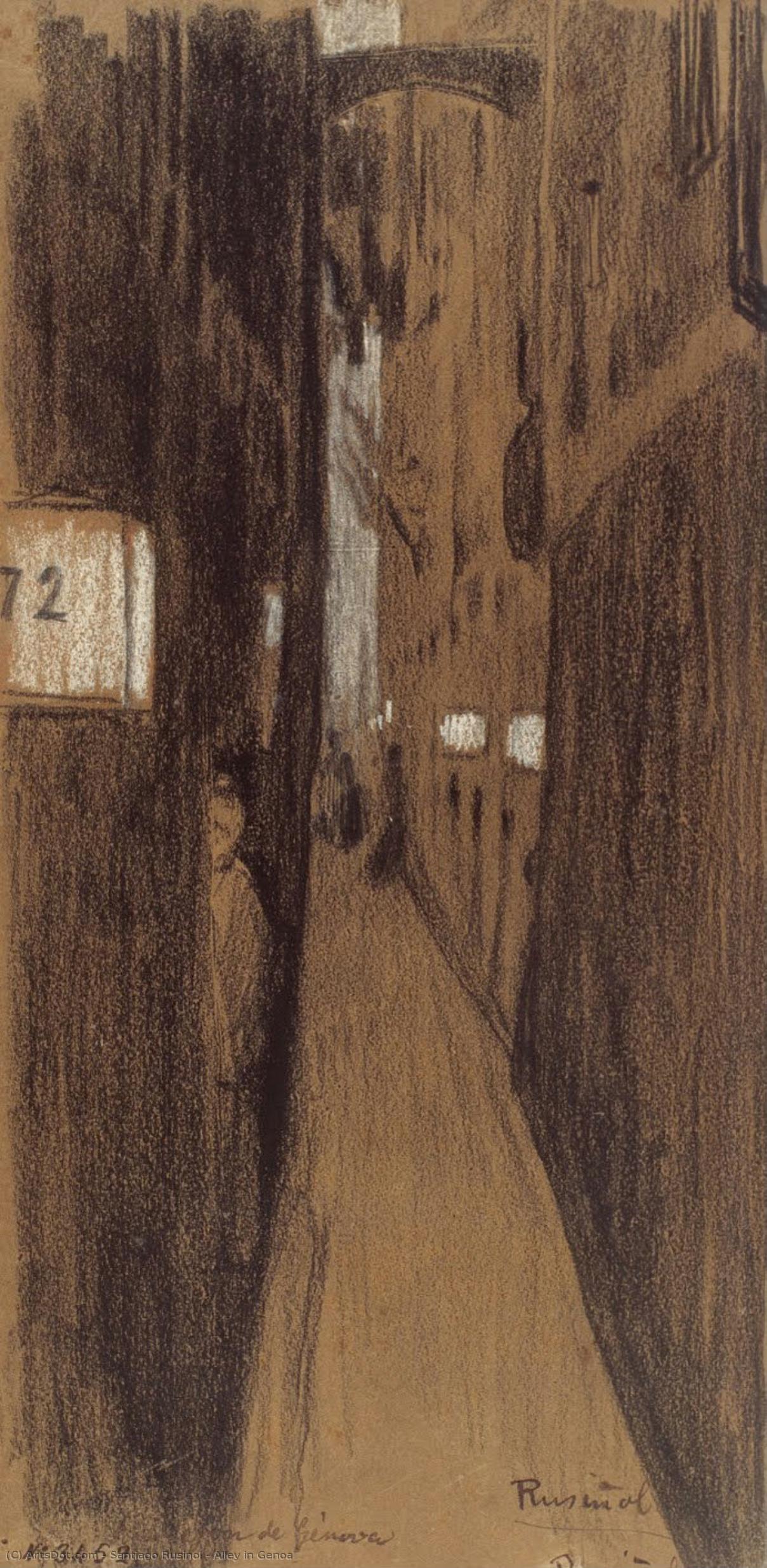
Alley in Genoa
 Acrylic On Canvas
- WallArt
- Catalan Modernisme
 1894
1894 127.0 x 255.0 cm
 Museu Nacional d'Art de Catalunya
 Ver más
Reproducción al óleo hecha a mano
Óleo sobre lienzo pintado a mano en el tamaño y marco de su elección, realizado por encargo por nuestros artistas. ( Comprar impresión Comprar imagen)




P118B $10

P118H $10

P118W $10

P438Z $10

P508JH $12

P508YH $12

P805H $10

P805Z $10

P919BZ $10

P919G $10

P919XJ $10

P959ZH $10

P968JZ $12

W106C $8

W218G $10

W218JH $8

W218Y $10

W307PJ $10

W316G $10

W316PJ $8

W316Y $10

W398PJ $8

W4111J $10

W500HY $15

W500JH $15

W692G $12

W849H $8

W940BG $15

W953PJ $8




Elija entre nuestros tamaños predefinidos que respetan las proporciones originales de la obra.

Puede ingresar sus propias dimensiones para adaptarse a un marco o espacio específico. Si el tamaño seleccionado no coincide con las proporciones de la imagen original, recortaremos la obra o extenderemos la pintura con elementos adicionales pintados a mano. Se le enviará una maqueta digital para su aprobación antes de comenzar la producción.
Tenga en cuenta que la vista previa en pantalla no refleja el recorte o la extensión reales. Solo la maqueta mostrará con precisión la composición final.
Si bien existen tamaños personalizados, recomendamos seleccionar una dimensión de la lista predefinida para preservar las proporciones originales.
Tras realizar el pedido, el equipo de ArtsDot.com enviará un correo electrónico al cliente para solicitar instrucciones y proporcionarle una vista previa del boceto.
Envío a todo el mundo () en 3-4 semanas en lugar de las 5 semanas estándar. (23 agosto). Sin comprometer la calidad.

Envío exprés gratuito a todo el mundo

Lienzo de lino de alta calidad

Seguro de envío total

Garantía de reembolso de impuestos aduaneros

Garantía de fidelidad cromática exacta

Política de devolución de 60 días (solo por defectos)

Garantía de devolución del 100% del dinero

Descuento por cantidad
 La opción de vidrio solo está disponible en tamaños inferiores a 110 cm.

Alley in Genoa
Técnica de reproducción
Dimensiones de la reproducción
-


Precio total final
$ 263
Descripción de la obra
Santiago Rusiñol’s “Alley in Genoa”: A Glimpse of Urban Life and Catalan Modernisme
“Alley in Genoa,” painted in 1894 by Santiago Rusiñol, is more than just a depiction of a street scene; it's a poignant meditation on the rhythms of daily life within the burgeoning urban landscape of late 19th-century Catalonia. Rusiñol, a pivotal figure in the Catalan Modernisme movement, masterfully captures not only the visual details of Genoa’s narrow alleyways but also an underlying sense of melancholy and observation – qualities that define much of his oeuvre. The painting offers a window into a world where the mundane intersects with the profound, inviting viewers to contemplate the human experience within the confines of a bustling city.
A Study in Light and Shadow: Rusiñol’s Technique
Rusiñol's technique is characterized by a deliberate use of light and shadow, creating a dramatic interplay that draws the eye through the composition. He employs loose, expressive brushstrokes – a hallmark of Impressionism and Symbolism, both movements he embraced during his formative years in Paris – to render the figures and architecture with remarkable immediacy. Notice how the sunlight, filtering through the buildings, casts long shadows across the cobblestones, imbuing the scene with a sense of depth and atmosphere. The muted palette—primarily browns, ochres, and greys—further enhances this effect, lending the painting a somber yet captivating quality. The artist’s attention to detail is evident in the rendering of textures – the worn stone walls, the folds of clothing, and the subtle variations in skin tones – all contributing to the overall sense of realism while simultaneously conveying an emotional resonance.
Catalan Modernisme and the Urban Landscape
“Alley in Genoa” is deeply rooted within the context of Catalan Modernisme, a movement that sought to revitalize Catalan art and culture after decades of political repression. Rusiñol, along with other artists like Antoni Gaudí and Pau Olot, rejected academic traditions and embraced new forms of expression inspired by Impressionism, Symbolism, and Japanese prints. This period saw a renewed interest in depicting the realities of everyday life – particularly within Catalonia—often imbued with social commentary and a sense of national identity. The alleyway itself becomes symbolic; it represents not just a physical space but also the complexities of urban existence, reflecting both the energy and the isolation inherent in city life. The painting’s focus on ordinary people going about their business speaks to Modernisme's desire to elevate the commonplace to the level of art.
Symbolism and the Human Condition
Beyond its technical brilliance, “Alley in Genoa” resonates with symbolic depth. The solitary figure standing near the center of the painting—a man seemingly lost in thought—represents a universal theme: human isolation within the crowd. His posture and gaze suggest contemplation, perhaps even a sense of detachment from the surrounding activity. The blurred figures walking along the street further emphasize this feeling of anonymity and disconnection. Rusiñol wasn’t simply recording a scene; he was exploring the emotional landscape of modern life—the quiet moments of reflection amidst the relentless pace of urban existence. The painting invites us to consider our own place within the larger world, prompting questions about connection, identity, and the search for meaning.
A Legacy of Observation: Rusiñol’s Enduring Appeal
“Alley in Genoa” remains a powerful testament to Santiago Rusiñol's artistic vision. Its evocative atmosphere, masterful technique, and subtle symbolism continue to captivate viewers today. Reproductions of this work offer an accessible entry point into the world of Catalan Modernisme, allowing us to appreciate the artist’s keen eye for detail and his profound understanding of the human condition. It serves as a reminder that even in the most ordinary scenes, there lies the potential for beauty, contemplation, and enduring artistic expression.
Obras relacionadas

Biografía del artista
Santiago Rusiñol: Vida y Obra de un Artista Modernista
- Nombre completo: Santiago Rusiñol i Prats
- Nacimiento: 25 de febrero de 1861, Barcelona, España
- Fallecimiento: 13 de junio de 1931, Aranjuez, España
- Nacionalidad: Español
- Movimientos artísticos: Modernismo catalán, Simbolismo, Impresionismo
Primeros Años y Formación Artística
- Santiago Rusiñol nació en una familia de industriales textiles en Manlleu, trasladándose posteriormente a Barcelona. A pesar de las expectativas familiares, persiguió su pasión por el arte desde temprana edad.
- Recibió formación inicial en el Centro de Acuarelistas de Barcelona bajo la tutela de Tomás Moragas, centrándose en técnicas de acuarela y principios realistas.
- Sus primeras obras reflejaban temas orientalistas e históricos antes de evolucionar hacia escenas urbanas y paisajes en la década de 1880.
- Sus viajes por España influyeron significativamente en su desarrollo artístico, exponiéndolo a diversos entornos culturales y arquitectónicos.
Influencias Parisinas y Madurez Artística
- En 1889, Rusiñol se trasladó a París, un momento crucial en su carrera. Residió en Montmartre junto a otros artistas como Ramon Casas e Ignacio Zuloaga.
- La escena artística parisina lo expuso al Impresionismo y al Simbolismo, moldeando profundamente su estilo artístico. Recibió influencias de artistas como Edgar Degas y Pierre-Auguste Renoir.
- Sus pinturas de este período a menudo representaban la vida urbana, capturando una sensación de soledad y melancolía a través de pinceladas sueltas y tonos apagados.
- Se involucró en círculos literarios, interactuando con poetas y escritores simbolistas, enriqueciendo aún más su visión artística.
Regreso a Cataluña y el Modernismo
- El regreso de Rusiñol a Cataluña en la década de 1890 marcó un capítulo importante en su carrera y en el desarrollo del Modernismo catalán.
- Se estableció en Sitges, transformándola en un centro cultural para artistas e intelectuales. Su hogar, Cau Ferrat, se convirtió en un renombrado salón artístico.
- Rusiñol desempeñó un papel clave en fomentar el movimiento modernista junto a figuras como Pere Romeu y Miquel Utrillo.
- Sus pinturas de este período se centraron cada vez más en paisajes, jardines y temas arquitectónicos, reflejando su profunda conexión con la naturaleza y la identidad catalana.
Legado e Importancia Histórica
- Santiago Rusiñol es reconocido como una figura destacada del Modernismo catalán, contribuyendo significativamente al desarrollo artístico y cultural del movimiento.
- Sus pinturas son celebradas por su mezcla de influencias simbolistas, técnicas impresionistas y evocadoras representaciones de paisajes y jardines.
- Dejó un legado de edificios modernistas en Sitges, consolidando aún más su impacto en la arquitectura y la planificación urbana catalana.
- La obra de Rusiñol continúa inspirando a artistas y entusiastas del arte por igual, mostrando la belleza y riqueza cultural de Cataluña durante la época del fin de siècle.
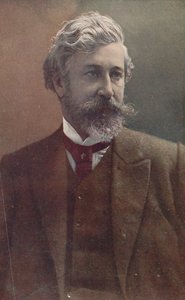
Santiago Rusiñol
1861 - 1931 , España
Datos clave
- Artistas Que Influyeron:
- Edgar Degas
- Pierre-Auguste Renoir
- Fecha De Fallecimiento: 13 de junio de 1931
- Fecha De Nacimiento: 25 de febrero de 1861
- Influenciado A Artistas: ['Pablo Picasso']
- Lugar De Nacimiento: Barcelona, España
- Movimiento Artístico: Modernismo catalán
- Nacionalidad: Española
- Nombre Completo: Santiago Rusiñol i Prats
- Obras Notables:
- Jardines de España
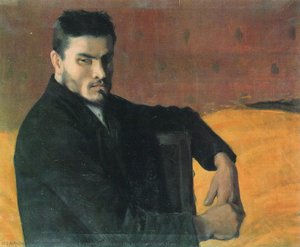
- Portrait of Utrillo
- Terraced garden Mallorca
Artículos relacionados
Joaquim Mir: A Catalan Visionary – Exploring Symbolism, Landscape & Modernist Aesthetic
Explore the captivating world of Joaquim Mir, a pivotal Catalan Modernisme painter. Discover his vibrant landscapes, symbolic depth & lasting influence on Spanish art history. Learn more at ArtsDot.

Josep Mompou Dencausse: Exploring Intimacy & Catalan Identity Through Minimalist Expression
Explore the captivating world of Josep Mompou Dencausse, a master of Post-Impressionism whose intimate paintings reflect Catalan identity and minimalist beauty. Discover his life, style & legacy.
Más Allá del Graffiti: Evolución e Impacto Cultural del Arte Callejero para Coleccionistas
Descubre la evolución del arte urbano y su impacto en el coleccionismo. Análisis de artistas clave, técnicas innovadoras e inversión en obras de street art. Guía experta para coleccionistas.
Josep Cusachs i: Exploring Catalan Modernism Through Social Commentary & Artistic Innovation
Explore the captivating world of Josep Cusachs i, a key figure in Catalan Modernism. Discover his realist paintings, social commentary, and influence on 19th-century Spanish art. Hand-painted reproductions available at ArtsDot.
Más allá de los muros de la galería: El auge del arte urbano contemporáneo
Descubre el fascinante mundo del arte urbano contemporáneo. Explora su historia, artistas y cómo llevar esta expresión creativa a tu hogar con .

