

 Ver en contexto
 Enviar
 Compartir
 Detalles

 Descargar
 Similares
 Radiografía
 Presentación de diapositivas
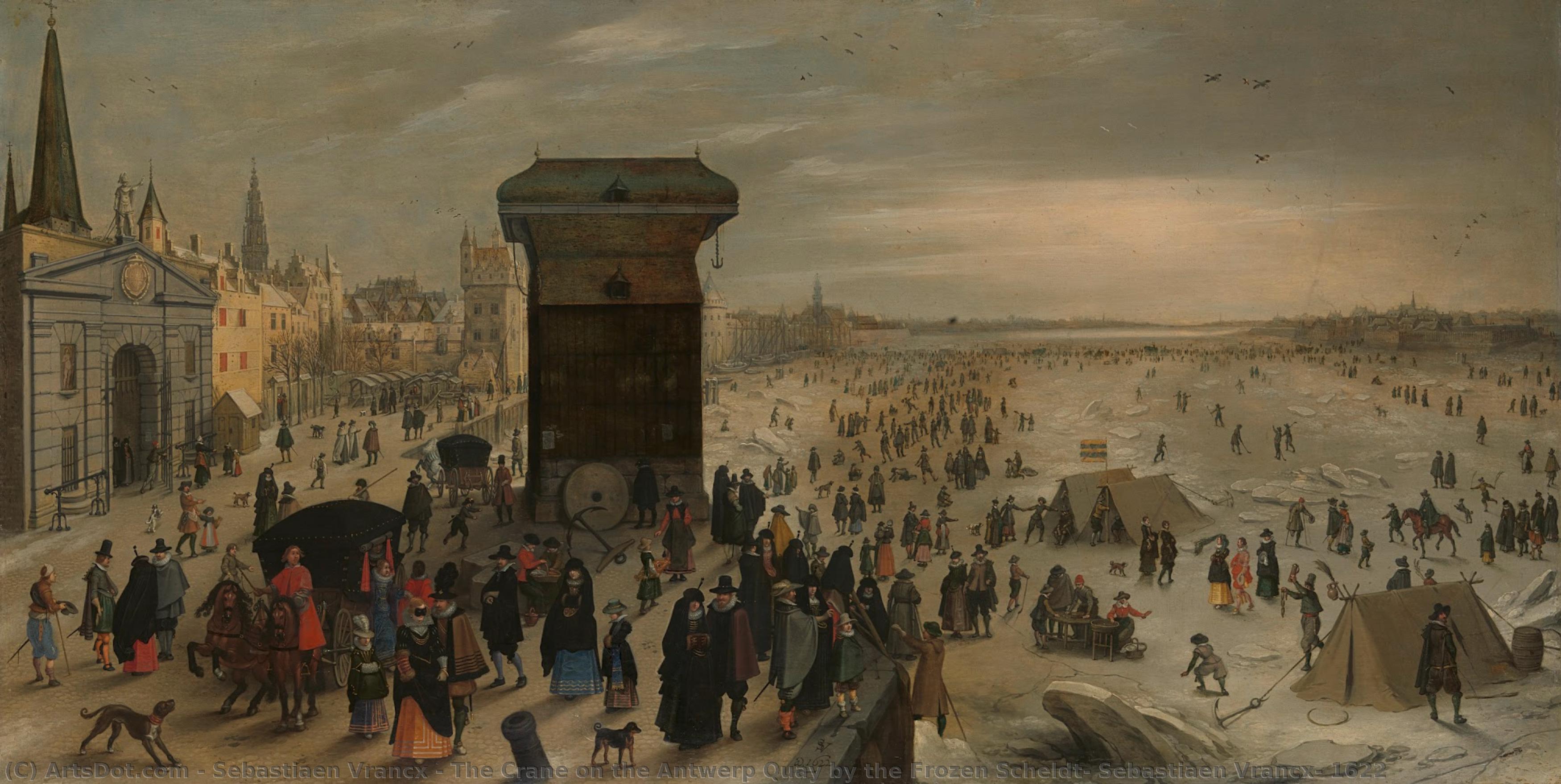
The Crane on the Antwerp Quay by the Frozen Scheldt, Sebastiaen Vrancx, 1622
 1622
1622 58.0 x 114.0 cm
 Ver más
Giclée / Impresión de arte
Impresiones giclée o en lienzo de calidad de museo con producción rápida y opciones de acabado flexibles. ( Comprar pintura hecha a mano Comprar imagen)




































Elija entre nuestros tamaños predefinidos que respetan las proporciones originales de la obra.

Puede introducir sus propias dimensiones para adaptarse a un marco o espacio específico. Si el tamaño seleccionado no coincide con las proporciones de la imagen original, recortaremos la obra de arte o extenderemos la imagen con un borde con efecto espejo o de color sólido. Se enviará una maqueta digital para su aprobación antes de que comience la producción.
Tenga en cuenta que la vista previa en pantalla no refleja el recorte o la extensión real. Solo la maqueta mostrará con precisión la composición final.
Aunque existen tamaños personalizados, recomendamos seleccionar una dimensión de la lista predefinida para preservar las proporciones originales.
Envío a todo el mundo () en 2 semanas en lugar de las 4/5 semanas estándar. (4 septiembre)

Envío exprés gratuito a todo el mundo

Lienzo de lino de alta calidad

Seguro de envío total

Garantía de reembolso de impuestos aduaneros

Garantía de fidelidad cromática exacta

Política de devolución de 60 días (solo por defectos)

Garantía de devolución del 100% del dinero

Descuento por cantidad
 La opción de vidrio solo está disponible en tamaños inferiores a 110 cm.

The Crane on the Antwerp Quay by the Frozen Scheldt, Sebastiaen Vrancx, 1622
Giclée / Impresión de arte
Dimensiones de la reproducción
-


Precio total final
$ 62
Obras relacionadas









Biografía del artista
el legado de un pintor barroco flamenco
Sebastiaan Vrancx o Sebastian Vranckx, un destacado pintor barroco flamenco, dejó una huella imborrable en el mundo del arte con sus pioneras escenas de batalla. Nacido en 1573 y fallecido en 1647, la obra de Vrancx no solo dominó el género pictórico neerlandés, sino que también exhibió su versatilidad en paisajes, escenas mitológicas y celebraciones urbanas.contribuciones artísticas
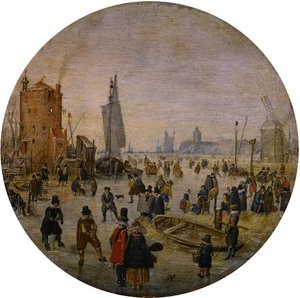
El escaramuzado entre cuiráses, 5 de febrero de 1600, en la vughterheide, es una pieza notable que resalta el dominio de Vrancx al capturar momentos de batalla intensos. Una kermés de pueblo muestra su habilidad para retratar vibrantes escenas rurales, a menudo impregnadas de elementos alegóricos. Paisaje invernal con patinadores en un canal congelado demuestra su destreza para representar paisajes serenos, una desviación de sus habituales escenas bélicas.museos que exhiben la obra de Vrancx
Musée d'Ixelles (Bruselas, Bélgica): este museo alberga una impresionante colección de más de 10,000 obras de arte, incluyendo piezas de Vrancx. Onze-Lieve-Vrouwekerk (Brujas, Bélgica): aunque conocido principalmente por sus obras religiosas, esta iglesia gótica también presenta trabajos de Vrancx y otros pintores flamencos.movimientos artísticos y medios clave
- Barroco: caracterizado por la iluminación dramática y las emociones intensas, lo cual se refleja en las escenas de batalla de Vrancx.
- Escuela de Amberes: influenciada por la ciudad donde Vrancx fue activo, conocida por su estilo vibrante y detallado.
- Óleo y grafito: los medios principales utilizados por Vrancx para dar vida a sus visiones.
más exploración en ArtsDot.com
* visita la página de Sebastiaan Vrancx o Sebastian Vranckx para más obras de arte e información detallada: https://ArtsDot.com/@/sebastiaan-vrancx-or-sebastian-vranckx * descubre el Musée d'Ixelles (Bruselas, Bélgica) y sus obras maestras: https://ArtsDot.com/@@/a@d3cen7desentrañando el misterio del arte de Sebastiaen Vrancx
sumérgete en el mundo de este pintor barroco flamenco y experimenta la evolución de la pintura neerlandesa a través de sus obras en ArtsDot.com.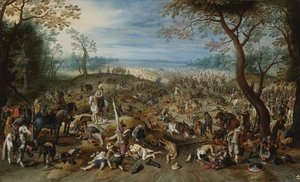
Sebastián Vrancx
1573 - 1647 , Bélgica
Datos clave
- Artistic Movement Or Style: Baroque
- Artists Who Influenced This Artist:
- Peter Paul Rubens
- Anthony van Dyck
- Date Of Birth: January 22, 1573
- Date Of Death: May 19, 1647
- Full Name: Sebastiaan Vrancx
- Nationality: Flemish
- Notable Artworks:
- A Company of Cavalry
- The Battle of Leckerbeetje
- January
- Place Of Birth: Antwerp, Belgium

