 Ver en contexto
 Enviar
 Compartir
 Detalles

 Descargar
 Similares
 Radiografía
 Presentación de diapositivas
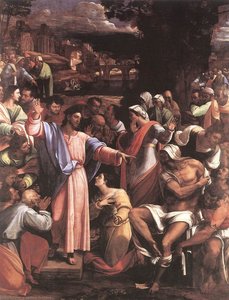
The Raising of Lazarus
 Acrylic On Canvas
- WallArt
- High Renaissance, Mannerism
 1517
1517 381.0 x 289.0 cm
 Galería Nacional
 Ver más
Reproducción al óleo hecha a mano
Óleo sobre lienzo pintado a mano en el tamaño y marco de su elección, realizado por encargo por nuestros artistas. ( Comprar impresión Comprar imagen)




P118B $10

P118H $10

P118W $10

P438Z $10

P508JH $12

P508YH $12

P805H $10

P805Z $10

P919BZ $10

P919G $10

P919XJ $10

P959ZH $10

P968JZ $12

W106C $8

W218G $10

W218JH $8

W218Y $10

W307PJ $10

W316G $10

W316PJ $8

W316Y $10

W398PJ $8

W4111J $10

W500HY $15

W500JH $15

W692G $12

W849H $8

W940BG $15

W953PJ $8




Elija entre nuestros tamaños predefinidos que respetan las proporciones originales de la obra.

Puede ingresar sus propias dimensiones para adaptarse a un marco o espacio específico. Si el tamaño seleccionado no coincide con las proporciones de la imagen original, recortaremos la obra o extenderemos la pintura con elementos adicionales pintados a mano. Se le enviará una maqueta digital para su aprobación antes de comenzar la producción.
Tenga en cuenta que la vista previa en pantalla no refleja el recorte o la extensión reales. Solo la maqueta mostrará con precisión la composición final.
Si bien existen tamaños personalizados, recomendamos seleccionar una dimensión de la lista predefinida para preservar las proporciones originales.
Tras realizar el pedido, el equipo de ArtsDot.com enviará un correo electrónico al cliente para solicitar instrucciones y proporcionarle una vista previa del boceto.
Envío a todo el mundo () en 3-4 semanas en lugar de las 5 semanas estándar. (22 agosto). Sin comprometer la calidad.

Envío exprés gratuito a todo el mundo

Lienzo de lino de alta calidad

Seguro de envío total

Garantía de reembolso de impuestos aduaneros

Garantía de fidelidad cromática exacta

Política de devolución de 60 días (solo por defectos)

Garantía de devolución del 100% del dinero

Descuento por cantidad
 La opción de vidrio solo está disponible en tamaños inferiores a 110 cm.

The Raising of Lazarus
Técnica de reproducción
Dimensiones de la reproducción
-


Precio total final
$ 263
Descripción de la obra
The Dramatic Resurrection: Sebastiano del Piombo’s “Raising of Lazarus”
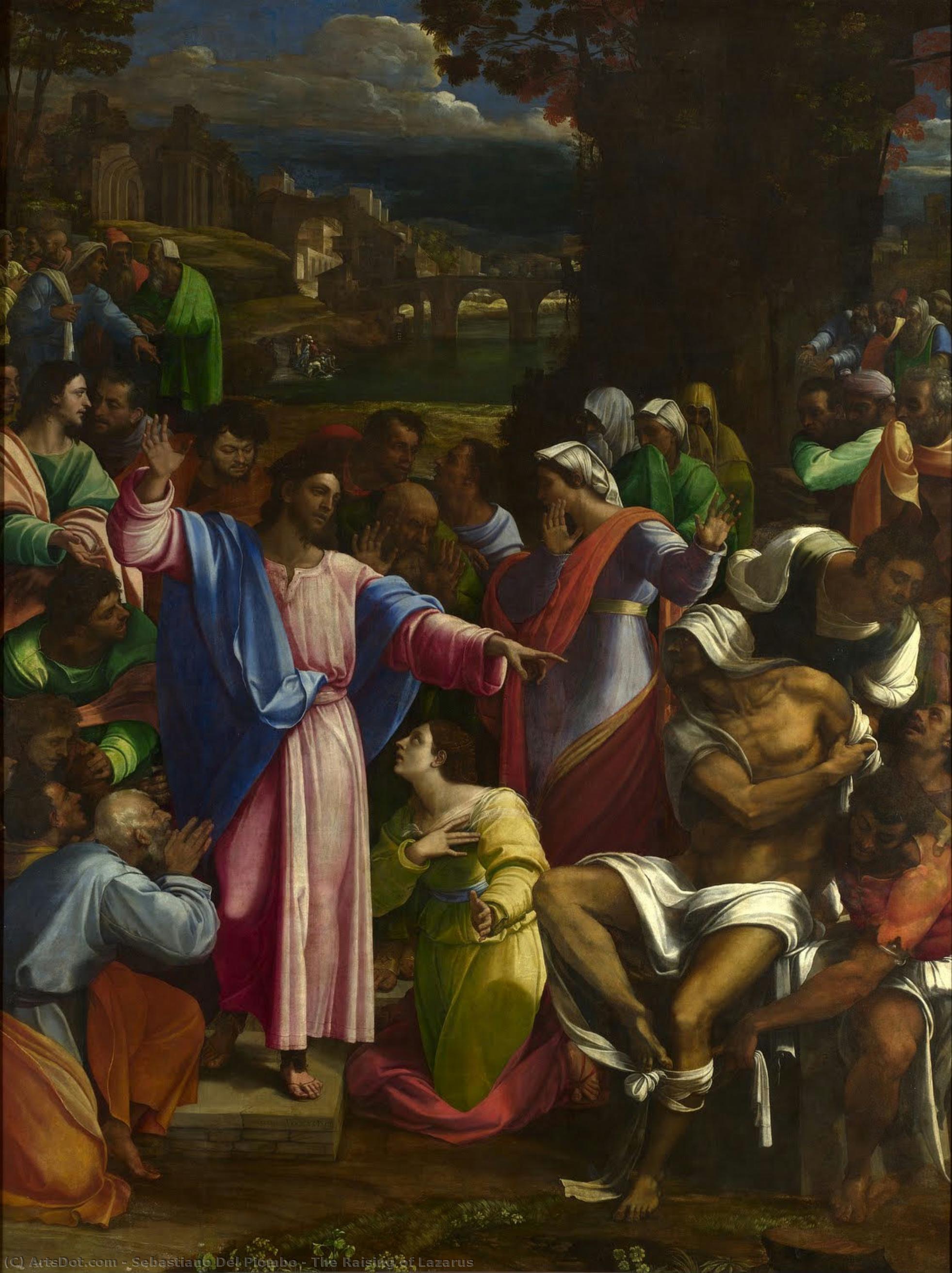
Sebastiano del Piombo's "The Raising of Lazarus," painted in 1517, is not merely a depiction of a biblical scene; it’s a profound meditation on faith, death, and the transformative power of divine grace. This monumental altarpiece, measuring an impressive 381 x 289 cm, immediately commands attention with its overwhelming scale and vibrant palette – a hallmark of Venetian painting at its peak. Del Piombo, a figure often overshadowed by his more celebrated contemporaries, masterfully employs color and composition to convey the sheer drama and spiritual weight of this pivotal moment from the Gospel of John.
The scene unfolds within a richly detailed architectural setting, characteristic of the artist’s Roman period. The stark, almost brutal simplicity of the tomb – a rough-hewn stone structure – contrasts sharply with the opulent fabrics and expressive gestures of the figures surrounding it. Jesus Christ stands at the center, his outstretched arms radiating an aura of authority and compassion. His face is serene yet intense, conveying both the physical exertion of raising Lazarus from his deathbed and the profound spiritual significance of the miracle. Beside him are Mary and Martha, their faces etched with a mixture of grief and astonishment – emotions rendered with remarkable sensitivity by Del Piombo’s skilled brushwork.
A Venetian Masterstroke: Technique and Style
Del Piombo's style in "The Raising of Lazarus" is a fascinating synthesis of Venetian colorism and Roman grandeur. He inherited the rich, luminous colors and atmospheric perspective favored by Giorgione, evident in the deep blues of the shadows and the vibrant reds of Jesus’ robe. However, he also embraced the more formal, balanced compositions and monumental scale associated with Roman art, particularly the work of Raphael and Michelangelo. The painting demonstrates a masterful use of *sfumato*, creating soft transitions between light and shadow, lending an ethereal quality to the scene. The figures are rendered with a dynamic sense of movement, capturing the moment of resurrection with palpable energy.
Technically, Del Piombo employed oil paints on a large wooden panel, allowing for layering and blending that enhanced the richness of his colors and the depth of his forms. The meticulous detail in the rendering of fabrics – the folds of Mary’s cloak, the texture of Lazarus' skin – speaks to the artist’s dedication to realism and his ability to capture the nuances of human expression.
Symbolism and Spiritual Depth
Beyond its visual impact, “The Raising of Lazarus” is laden with symbolic meaning. The tomb itself represents death and decay, while Jesus’ act of raising Lazarus signifies victory over mortality and the promise of eternal life. The presence of Mary and Martha underscores the importance of familial love and devotion in the Christian faith. Furthermore, the scene can be interpreted as a metaphor for spiritual rebirth – the shedding of old habits and beliefs to embrace a new understanding of God's grace.
The inclusion of onlookers, depicted in the background, adds another layer of complexity. Some are mourning, reflecting on the tragedy of loss; others are gazing with awe and wonder at the miracle unfolding before them. This diverse group represents the human response to faith – a mixture of grief, hope, and reverence.
A Legacy of Dramatic Emotion
“The Raising of Lazarus” remains a powerfully emotive work of art, captivating viewers centuries after its creation. Del Piombo’s masterful command of color, composition, and technique elevates this biblical scene to the level of timeless drama. It's a testament to his unique artistic vision – a synthesis of Venetian sensuality and Roman formality that continues to resonate with audiences today. Reproductions of this magnificent painting offer an opportunity to experience firsthand the profound spiritual depth and emotional intensity of one of the Renaissance’s most compelling masterpieces.
Obras relacionadas
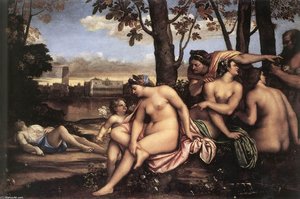
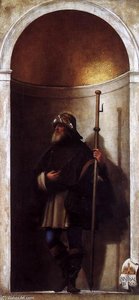
Biografía del artista
Primeros años y formación
Sebastiano Luciani (Venecia, 1485-Roma, 21 de junio de 1547), más conocido como Sebastiano del Piombo, por haber ocupado a partir de 1531 el cargo de responsable de los sellos de plomo —piombo en italiano— de la Santa Sede, fue un pintor italiano, protegido por Miguel Ángel y uno de los más admirados e influyentes del Renacimiento. Su obra representa una síntesis entre el colorido de la escuela veneciana y las figuras monumentales características de la pintura romana. Se distinguen tres momentos en su evolución: una etapa veneciana, donde el colorido de sus obras recuerda al de sus primeros maestros, los pintores Giovanni Bellini y Giorgione; un primer periodo romano, ciudad a la que llega en 1511 gracias al mecenazgo del banquero Agostino Chigi, en el que asimila el estilo de Rafael y de Miguel Ángel; y un segundo periodo romano, tras el Saco de Roma en 1527, en el que su pintura se vuelve más severa y esencial, en consonancia con el espíritu de la Reforma católica que se plasmará posteriormente en las directrices del Concilio de Trento.Inicios y Primeras Obras
Tal como relata su biógrafo Giorgio Vasari, Sebastiano nació en Venecia en 1485, hijo de Luciano Luciani. Según el propio Vasari, la primera vocación de Sebastiano fue la música (cantaba y tocaba el laúd), pero pronto sintió curiosidad por la pintura y entró en contacto con Giovanni Bellini, y después con Giorgione, quienes fueron sus maestros, especialmente este último. Entre 1508 y 1509 realizó los cuatro paneles del órgano de la iglesia de San Bartolomeo de Rialto (Venecia), encargados por Alvise Ricci, vicario del templo entre 1507 y 1509. En 1510 pintó la tabla Salomé (también conocida como La hija de Herodías).Ascenso a la Prominencia en Roma
Sebastiano's career gained momentum after he moved to rome in 1511, where he worked alongside raphael and eventually became one of the few painters to get on well with michelangelo, who encouraged him to compete for commissions against raphael. This exposure led sebastiano to become rome's leading painter after raphael's death in 1520.Obras Destacadas y Colaboraciones
- La Piedad (Museo del Prado, Madrid): Una obra maestra que muestra la influencia de Miguel Ángel en la escultura y la maestría de Sebastiano en el óleo.
- La Muerte de Adonis (Galería de los Uffizi, Florencia): Una pintura mitológica que combina el colorido veneciano con la influencia de Rafael.
- Salomé con la cabeza del Bautista (National Gallery, Londres): Una obra temprana que revela su estilo distintivo y sus influencias.
Estilo e Influencia
El estilo de Sebastiano del Piombo se caracteriza por una síntesis única entre el colorido vibrante de la escuela veneciana y las figuras monumentales y escultóricas propias de la pintura romana, especialmente bajo la influencia de Miguel Ángel. Su obra influyó en otros artistas manieristas y en la pintura española de su tiempo. Aunque no tuvo muchos alumnos destacados, su legado perdura en la combinación innovadora de técnicas y estilos que definió su carrera. Su habilidad para fusionar el color veneciano con las formas poderosas de Roma lo convierte en una figura clave del Renacimiento.Legado e Importancia Histórica
A pesar de ser un artista importante en su época, la influencia directa de Sebastiano del Piombo sobre otros artistas fue limitada debido a la falta de alumnos prominentes y a la relativamente escasa difusión de sus obras en copias impresas. Sin embargo, su singular combinación de color veneciano y formas monumentales romanas continúa inspirando a artistas y amantes del arte hasta el día de hoy. Su obra representa un puente entre las tradiciones artísticas de Venecia y Roma, contribuyendo al desarrollo del estilo manierista y dejando una huella duradera en la historia del arte italiano.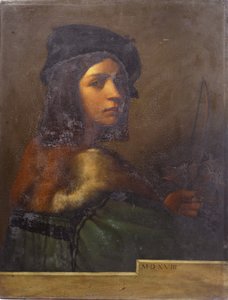
Sebastiano del Piombo
1485 - 1547 , Italia
Datos clave
- Artistas Influyentes:
- Giorgione
- Rafael
- Miguel Ángel
- Estilo Artístico: Alto Renacimiento
- Fecha De Muerte: 21 de junio de 1547
- Fecha De Nacimiento: c. 1485
- Influencia En Artistas:
- Bronzino
- Pintura española
- Lugar De Nacimiento: Venecia, Italia
- Nacionalidad: Italiana
- Nombre Completo: Sebastiano del Piombo
- Obras Notables:
- Los tres filósofos
- Moisés recibiendo las tablas
- La Piedad (Viterbo)
- Muerte de Adonis
- Salomé con la cabeza
Artículos relacionados

Sebastiano del Piombo: Bridging Venetian Colorism & Roman Grand Manner Portraiture
Explore the captivating art of Sebastiano del Piombo, a Renaissance master bridging Venetian colorism & Roman grandeur. Discover his iconic portraits and lasting influence on art history. Learn more at ArtsDot.
Andrea del Sarto: Florentine Grace, Technical Mastery & Artistic Ambition
Explore the life & art of Andrea del Sarto, a Florentine Renaissance master renowned for harmonious compositions & technical brilliance. Discover his frescoes, portraits, and lasting influence on art history.
Las 25 Obras Maestras del Prado: Arte Español e Inspiración para tu Hogar
Descubre las 25 obras maestras del Museo del Prado: Velázquez, Goya, El Greco y más. Explora la historia, técnica y belleza de cada cuadro español. Encuentra reproducciones de arte exclusivas e inspira tu hogar con ArtsDot.com.

Illuminating Faith: Biblical Narrative & Artistic Expression Through the Ages
Explore the rich history of biblical art from Giotto to the Renaissance masters with ArtsDot. Discover symbolism, techniques & enduring legacies. Museum-quality reproductions & expert insights.
Cecco del Caravaggio: Rediscovering the Shadowy Genius of Francesco Buoneri
Explore the captivating world of Cecco del Caravaggio (Francesco Buoneri), a pivotal Baroque artist. Discover his dramatic realism, mysterious life, and lasting legacy with ArtsDot's expert analysis.