 Ver en contexto
 Enviar
 Compartir
 Detalles

 Descargar
 Similares
 Radiografía
 Presentación de diapositivas
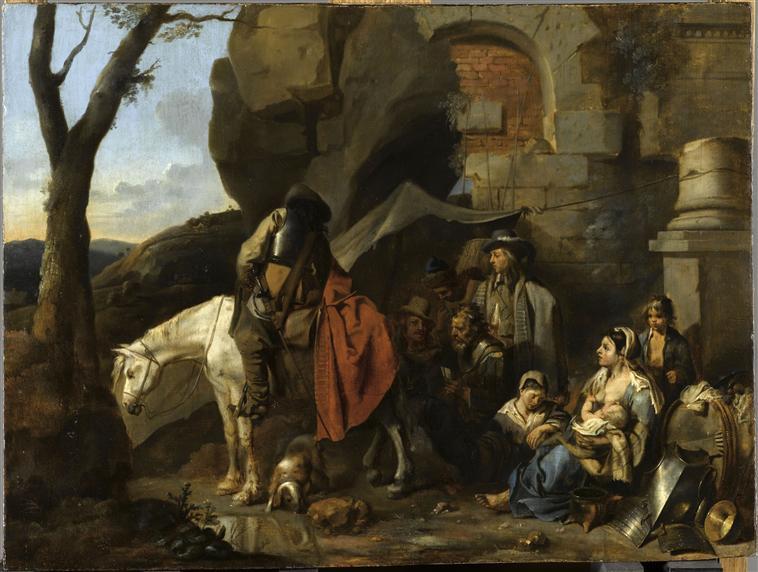
Halte de soldats dit autrefois Halte de bohémiens


 Ver más
Giclée / Impresión de arte
Impresiones giclée o en lienzo de calidad de museo con producción rápida y opciones de acabado flexibles. ( Comprar pintura hecha a mano Comprar imagen)




P118B $10

P118H $10

P118W $10

P438Z $10

P508JH $12

P508YH $12

P805H $10

P805Z $10

P919BZ $10

P919G $10

P919XJ $10

P959ZH $10

P968JZ $12

W106C $8

W218G $10

W218JH $8

W218Y $10

W307PJ $10

W316G $10

W316PJ $8

W316Y $10

W398PJ $8

W4111J $10

W500HY $15

W500JH $15

W692G $12

W849H $8

W940BG $15

W953PJ $8




Elija entre nuestros tamaños predefinidos que respetan las proporciones originales de la obra.

Puede introducir sus propias dimensiones para adaptarse a un marco o espacio específico. Si el tamaño seleccionado no coincide con las proporciones de la imagen original, recortaremos la obra de arte o extenderemos la imagen con un borde con efecto espejo o de color sólido. Se enviará una maqueta digital para su aprobación antes de que comience la producción.
Tenga en cuenta que la vista previa en pantalla no refleja el recorte o la extensión real. Solo la maqueta mostrará con precisión la composición final.
Aunque existen tamaños personalizados, recomendamos seleccionar una dimensión de la lista predefinida para preservar las proporciones originales.
Envío a todo el mundo () en 2 semanas en lugar de las 4/5 semanas estándar. (24 agosto)

Envío exprés gratuito a todo el mundo

Lienzo de lino de alta calidad

Seguro de envío total

Garantía de reembolso de impuestos aduaneros

Garantía de fidelidad cromática exacta

Política de devolución de 60 días (solo por defectos)

Garantía de devolución del 100% del dinero

Descuento por cantidad
 La opción de vidrio solo está disponible en tamaños inferiores a 110 cm.

Halte de soldats dit autrefois Halte de bohémiens
Giclée / Impresión de arte
Dimensiones de la reproducción
-


Precio total final
$ 62
Descripción de la pieza
Halte de soldats dit autrefois Halte de bohémiens – A Symphony of Light and Emotion
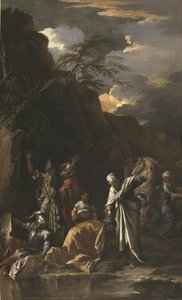
The artwork “Halte de soldats dit autrefois Halte de bohémiens” by Sébastien Bourdon, painted circa 1650-1660, stands as a testament to the Baroque aesthetic—a period defined by dramatic theatricality, opulent ornamentation, and an unwavering commitment to conveying profound emotion. More than just a depiction of a roadside scene, it’s a carefully constructed meditation on human interaction amidst the grandeur of nature and architectural ambition. Bourdon's masterful handling of chiaroscuro – the interplay between light and shadow – elevates this seemingly simple composition into a powerful statement about faith, contemplation, and the ephemeral beauty of existence.- Subject Matter: The painting portrays a tranquil tableau featuring a mounted soldier accompanied by a group of travelers or bohemiens resting at a stone outcrop overlooking a fortified structure. A majestic white horse dominates the left side of the frame, symbolizing nobility and strength, while figures are clustered on the right, suggesting a dynamic exchange between disparate social strata. Notably, a dog sits calmly beside one of the individuals, adding an element of domesticity to this otherwise formal setting.
- Style & Technique: Bourdon’s style firmly anchors itself within the Baroque tradition—characterized by monumental scale, dramatic lighting effects, and meticulous detail. He employs oil paints on canvas with painstaking precision, layering brushstrokes to build up form and texture realistically. The artist utilizes strong outlines for figures but softens them in areas where light falls, creating a sense of depth and volume that draws the viewer’s eye into the scene.
- Composition: The balanced composition is central to Bourdon's artistic vision. The soldier occupies a prominent position at the apex of the frame, commanding attention while simultaneously grounding the scene. The horse’s placement on the left side contributes to visual stability and reinforces its symbolic significance. Careful consideration has been given to spatial arrangement—the rocky outcrop serves as a backdrop, framing the figures and enhancing the illusion of depth.
- Color Palette: Bourdon's color palette leans heavily into earthy tones – browns, greens, grays, and ochres – reflecting the natural landscape and conveying a sense of solemnity. However, splashes of warmer hues—primarily in clothing and skin tones—introduce vibrancy and warmth, creating a subtle contrast that underscores the emotional core of the artwork. The white horse provides a striking focal point against this muted backdrop.
- Symbolism & Emotional Impact: Beyond its visual splendor, “Halte de soldats dit autrefois Halte de bohémiens” resonates with deeper symbolic meanings. The soldier represents authority and duty, while the travelers embody curiosity and intellectual engagement. The presence of the dog symbolizes companionship and loyalty—elements that contribute to the painting’s overall atmosphere of tranquility and contemplation. Bourdon's masterful use of light and shadow evokes a feeling of melancholy, prompting viewers to reflect on themes of mortality and the fleeting nature of earthly pleasures.
Historical Context & Influences
Bourdon’s artistic trajectory was profoundly shaped by the intellectual fervor of his time—the Baroque era—which flourished in France during Louis XIV's reign. He absorbed the stylistic innovations championed by fellow artists like Nicolas Poussin and Claude Lorrain, who sought to elevate painting beyond mere representation toward conveying spiritual truths through idealized landscapes and biblical narratives. Caravaggio’s dramatic chiaroscuro technique exerted a particularly powerful influence on Bourdon, inspiring him to employ similar techniques—characterized by stark contrasts between light and dark—to heighten emotional impact and create an immersive visual experience.Detailed Analysis of Technique
Bourdon's meticulous approach to painting is evident in every brushstroke. He meticulously builds up form through multiple layers of oil paint, achieving remarkable realism in the depiction of textures—the roughness of the rocks, the folds of clothing, and the sheen of the horse’s coat—all rendered with painstaking detail. The artist skillfully blends colors seamlessly, creating subtle gradations in tone that contribute to the painting's luminous quality. Furthermore, Bourdon’s masterful manipulation of perspective—linear perspective converging towards a vanishing point beyond the frame—creates an illusion of depth and space that transports the viewer into the scene.Legacy & Significance
“Halte de soldats dit autrefois Halte de bohémiens” remains a cornerstone of French Baroque art history, securing Bourdon’s place as one of the era's foremost painters. Its enduring appeal lies not only in its technical brilliance but also in its ability to evoke profound emotional responses—inspiring admiration for its masterful composition and conveying themes of faith, contemplation, and human dignity. The painting continues to captivate audiences today, serving as a poignant reminder of the artistic achievements of the seventeenth century and Bourdon’s indelible contribution to the canon of Western art.Obras relacionadas





Biografía del artista
Un Maestro de la Luz y la Versatilidad: La Vida de Sébastien Bourdon
Sébastien Bourdon (1616–1671) permanece como una de las figuras más cautivadoras y polifacéticas del Barroco francés del siglo XVII. Nacido en Montpellier en el seno de una familia de artistas protestantes, sus primeros años fueron moldeados por las vibrantes, aunque a menudo turbulentas, tradiciones artísticas del sur de Francia. Su trayectoria, desde joven aprendiz hasta convertirse en un miembro fundacional de la Académie Royale de Peinture et de Sculpture, es testimonio de un intelecto profundo e inquieto y de una capacidad inigualable para absorber las corrientes estilísticas de Europa. Tras su formación inicial en París, el camino de Bourdon lo llevó por Burdeos y Toulouse antes de alcanzar el corazón espiritual y artístico del continente: Roma. Fue en Italia donde su talento se encendió verdaderamente, al sumergirse en las obras de maestros como Caravaggio, <𝘪Nicolas Poussin y Claude Lorrain. Este periodo de intenso estudio le permitió desarrollar un lenguaje visual único, capaz de pivotar desde el realismo crudo y dramático de los caravaggistas hasta la luminosa y clásica elegancia de la escuela veneciana.La Evolución del Estilo y la Técnica
Lo que verdaderamente distingue la obra de Bourdon es su notable fluidez estilística, una cualidad que en ocasiones suscitó tanto admiración como críticas entre sus contemporáneos. Su desarrollo estuvo marcado por una serie de encuentros transformadores con diversas tradiciones europeas. Tras una visita crucial a Venecia, su paleta experimentó una metamorfosis profunda; los contrastes más marcados de su formación temprana dieron paso a un uso del color más rico y atmosférico, inspirado por los maestros venecianos. Esta evolución le permitió navegar con maestría entre géneros dispares. En su retratística, a menudo adoptaba un enfoque rubensiano o favorecía composiciones íntimas de busto que capturaban la profundidad psicológica y la elegancia de sus sujetos, como la noble sueca en La condesa Ebba Sparre. Por el contrario, sus obras religiosas utilizaban un dramático claroscuro para evocar asombro espiritual, de manera más notable en su obra maestra monumental, La Crucifixión de San Pedro, creada para la catedral de Notre Dame.Legado e Importancia Histórica
Más allá de sus lienzos individuales, Bourdon desempeñó un papel crucial en la institucionalización del arte francés. Como cofundador de la Real Academia en 1648, ayudó a establecer los estándares de excelencia que definirían la pintura francesa durante generaciones. Su carrera también se caracterizó por una extraordinaria amplitud de servicio; su reputación como retratista de primer orden lo llevó a la corte de la Reina Cristina de Suecia, donde ejerció como pintor de cámara, llevando la sofisticada estética de París y Roma a Estocolmo. Ya sea representando la desgarradora tensión de Moisés y la serpiente de bronce o la serena grandeza de los paisajes clásicos, la obra de Bourdon encarna el espíritu dual de la era barroca: el intenso drama emocional de la condición humana y la búsqueda intelectual y equilibrada de la belleza clásica. Su capacidad para sintetizar las tradiciones naturalistas de Francia con los estilos monumentales de Italia asegura su lugar perdurable en el panteón de la historia del arte europeo.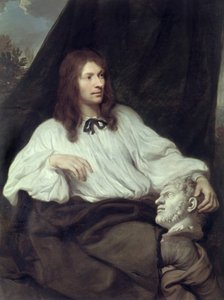
Sébastien Bourdon
1616 - 1671 , Francia
Datos clave
- Artistic Movement Or Style: Barroco
- Artists Who Influenced This Artist:
- Nicolas Poussin
- Claude Lorrain
- Caravaggio
- Date Of Birth: 2 febrero 1616
- Date Of Death: 8 mayo 1671
- Full Name: Sébastien Bourdon
- Nationality: Francés
- Notable Artworks:
- El Martirio de San Pedro
- La Caída de Simón el Mago
- Place Of Birth: Montpellier, Francia
Artículos relacionados
Decoding Baroque Grandeur: A Guide to the Drama and Emotion of 17th-Century Art
Explore the breathtaking drama of 17th-century Baroque art. Our expert guide decodes the use of chiaroscuro, emotional intensity, and historical grandeur to help you appreciate and curate timeless masterpieces for your collection.

The Visceral Stage: Exploring Dramatic Narratives & Emotional Intensity in Baroque Art
Explore the dramatic world of Baroque art! Discover iconic masters like Caravaggio & Rembrandt, their techniques, and the movement's lasting impact. Expert insights for collectors & enthusiasts at ArtsDot.

Barroco Sublime: 10 Obras Maestras que Definieron una Época |
Descubre las 10 obras maestras del Barroco que marcaron una época. Caravaggio, Bernini y Velázquez cobran vida en . Reproducciones de arte de calidad museo para decorar tu hogar con elegancia. ¡Explora la colección online!

Giclée Prints: Archival Quality & Aesthetic Nuances for the Discerning Collector
Explore the world of giclée prints with ArtsDot. Learn about archival quality, aesthetic nuances & investment potential. Expert guidance for discerning art collectors seeking museum-quality reproductions and lasting value.

The Dramatic Flourish: Exploring the Baroque Movement's Enduring Legacy in Art History
Explore the dramatic world of Baroque art! Discover iconic artists like Caravaggio & Rubens, defining techniques, and its lasting impact on art history. Expert insights for collectors & enthusiasts at ArtsDot.