 Ver en contexto
 Enviar
 Compartir
 Detalles

 Descargar
 Similares
 Radiografía
 Presentación de diapositivas
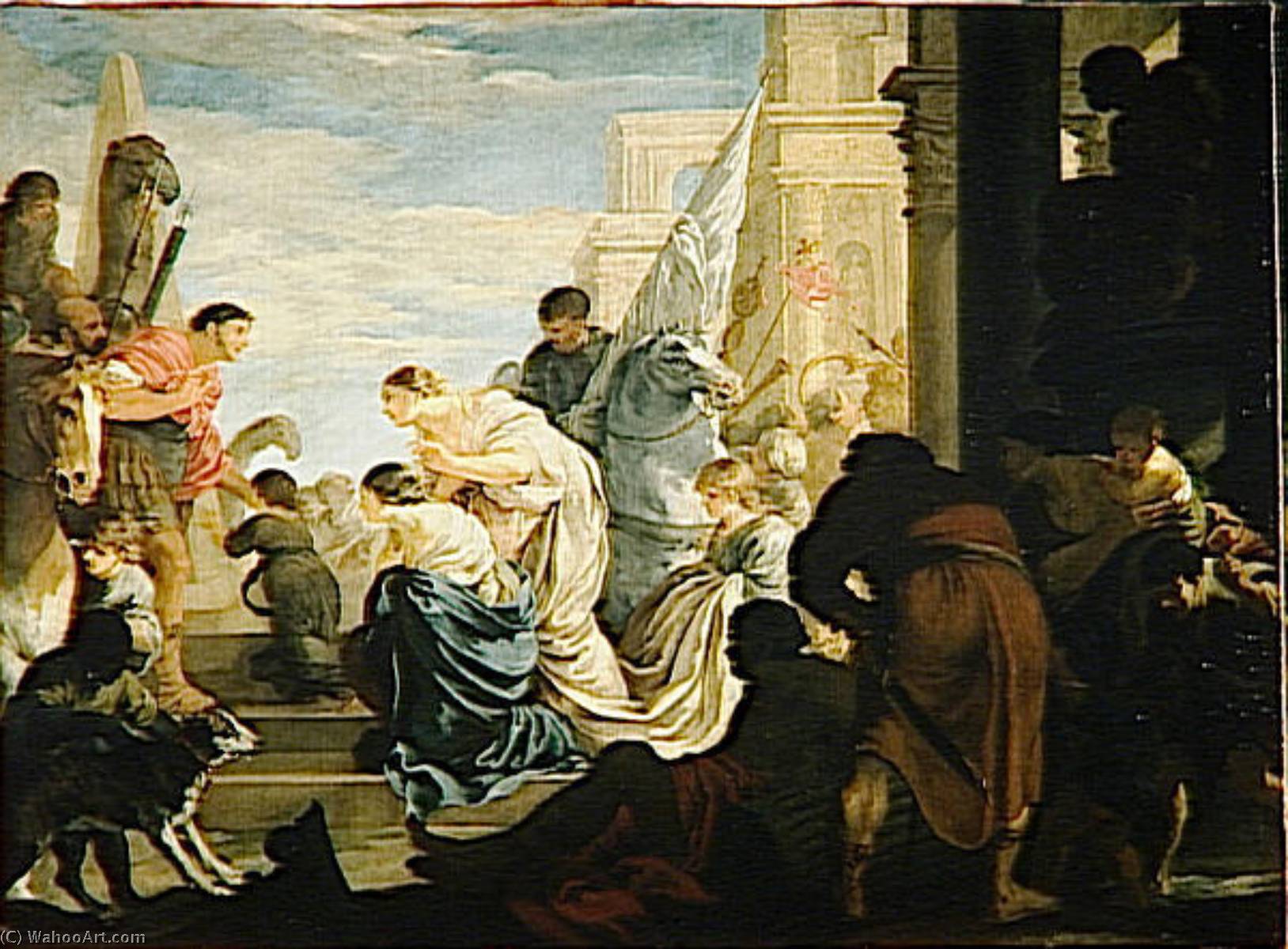
LA RENCONTRE D'ANTOINE ET CLEOPATRE ( )


 Ver más
Reproducción al óleo hecha a mano
Óleo sobre lienzo pintado a mano en el tamaño y marco de su elección, realizado por encargo por nuestros artistas. ( Comprar impresión Comprar imagen)




P118B $10

P118H $10

P118W $10

P438Z $10

P508JH $12

P508YH $12

P805H $10

P805Z $10

P919BZ $10

P919G $10

P919XJ $10

P959ZH $10

P968JZ $12

W106C $8

W218G $10

W218JH $8

W218Y $10

W307PJ $10

W316G $10

W316PJ $8

W316Y $10

W398PJ $8

W4111J $10

W500HY $15

W500JH $15

W692G $12

W849H $8

W940BG $15

W953PJ $8




Elija entre nuestros tamaños predefinidos que respetan las proporciones originales de la obra.

Puede ingresar sus propias dimensiones para adaptarse a un marco o espacio específico. Si el tamaño seleccionado no coincide con las proporciones de la imagen original, recortaremos la obra o extenderemos la pintura con elementos adicionales pintados a mano. Se le enviará una maqueta digital para su aprobación antes de comenzar la producción.
Tenga en cuenta que la vista previa en pantalla no refleja el recorte o la extensión reales. Solo la maqueta mostrará con precisión la composición final.
Si bien existen tamaños personalizados, recomendamos seleccionar una dimensión de la lista predefinida para preservar las proporciones originales.
Tras realizar el pedido, el equipo de ArtsDot.com enviará un correo electrónico al cliente para solicitar instrucciones y proporcionarle una vista previa del boceto.
Envío a todo el mundo () en 3-4 semanas en lugar de las 5 semanas estándar. (23 agosto). Sin comprometer la calidad.

Envío exprés gratuito a todo el mundo

Lienzo de lino de alta calidad

Seguro de envío total

Garantía de reembolso de impuestos aduaneros

Garantía de fidelidad cromática exacta

Política de devolución de 60 días (solo por defectos)

Garantía de devolución del 100% del dinero

Descuento por cantidad
 La opción de vidrio solo está disponible en tamaños inferiores a 110 cm.

LA RENCONTRE D'ANTOINE ET CLEOPATRE ( )
Técnica de reproducción
Dimensiones de la reproducción
-


Precio total final
$ 388
Descripción de la obra
A Baroque Drama Unfolds: Sébastien Bourdon’s “La Rencontre d'Antoine et de Cléopâtre”
Sébastien Bourdon’s “La Rencontre d'Antoine et de Cléopâtre,” a monumental oil painting dating from around 1645, is more than just a historical scene; it’s a meticulously crafted tableau of power, intrigue, and profound emotional resonance. Born in Montpellier in 1616 and steeped in the artistic traditions of his family—his father a glass painter—Bourdon's journey to Rome in 1636 proved transformative, exposing him to the revolutionary techniques and dramatic sensibilities of masters like Caravaggio, Poussin, and Lorrain. This immersion profoundly shaped his style, imbuing his work with a characteristic blend of theatrical lighting, dynamic composition, and an intense focus on human emotion – hallmarks of the Baroque period.
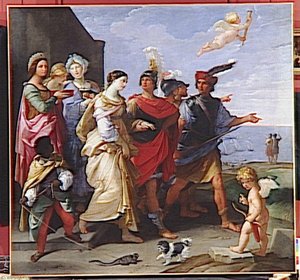
The painting depicts a pivotal moment from Roman history, though its precise narrative remains subtly ambiguous. Rather than a straightforward retelling of a famous encounter, Bourdon presents a carefully orchestrated procession: soldiers in gleaming armor, elegantly dressed civilians, and figures suggesting religious significance all converge within a grand architectural setting. The central focus is not on the individuals themselves, but rather on the *interaction* between them – a palpable sense of anticipation hangs in the air, hinting at an unspoken drama about to unfold. The inclusion of “SPQR” (Senatus Populusque Romanus), the emblem of ancient Rome, subtly anchors the scene within its historical context, reminding us that we are witnessing a moment of immense political and cultural significance.
Masterful Technique: Light, Shadow, and Layered Color
Bourdon’s technical skill is immediately apparent in the painting's rich textures and masterful use of chiaroscuro – the dramatic interplay of light and shadow. He employs a technique known as *glazing*, layering thin washes of translucent color upon one another to build up depth, luminosity, and subtle tonal variations. This painstaking process creates an astonishingly realistic effect, particularly in the rendering of fabrics, skin tones, and architectural details. Notice how the golden light catches the armor of the soldiers, while deep shadows pool beneath their feet, emphasizing their power and stature. The use of red, blue, and yellow pigments – typical of the Baroque palette – contributes to the painting’s dramatic intensity, creating a vibrant yet controlled visual experience.
Bourdon's attention to detail is remarkable. The folds of the drapery are rendered with exquisite precision, conveying both the weight and movement of the figures. The architectural elements—columns, arches, and vaulted ceilings—are depicted with meticulous accuracy, creating a sense of grandeur and scale. Even the smallest details, such as the expressions on the faces of the characters, contribute to the painting’s overall emotional impact.
Symbolism and Emotional Depth
Beyond its historical subject matter, “La Rencontre d'Antoine et de Cléopâtre” is laden with symbolic meaning. The figures themselves can be interpreted as representing various aspects of Roman society – power, wealth, piety, and intrigue. The presence of religious elements suggests a moral dimension to the scene, inviting viewers to contemplate the consequences of ambition and the importance of virtue. The painting’s emotional intensity—the palpable sense of anticipation, the subtle expressions of longing and suspicion—resonates deeply with the viewer, evoking feelings of both wonder and unease.
Bourdon's ability to capture such complex emotions through his masterful technique is a testament to his artistic genius. “La Rencontre d’Antoine et de Cléopâtre” remains a powerful and evocative work of art, offering viewers a glimpse into the dramatic world of ancient Rome and inviting them to contemplate the timeless themes of power, love, and loss.
A Legacy in Reproduction: Bringing Bourdon's Vision to Life
ArtsDot.com is proud to offer high-quality reproductions of Sébastien Bourdon’s “La Rencontre d'Antoine et de Cléopâtre,” allowing art lovers worldwide to experience the beauty and drama of this masterpiece firsthand. Our meticulous printing process faithfully captures every detail of the original painting, ensuring that you receive a stunning work of art for your home or office. Whether you are an avid collector, an interior designer seeking to add a touch of Baroque elegance, or simply someone who appreciates exceptional artistry, our reproduction offers a remarkable opportunity to own a piece of history.
Obras relacionadas



Biografía del artista
Un Maestro de la Luz y la Versatilidad: La Vida de Sébastien Bourdon
Sébastien Bourdon (1616–1671) permanece como una de las figuras más cautivadoras y polifacéticas del Barroco francés del siglo XVII. Nacido en Montpellier en el seno de una familia de artistas protestantes, sus primeros años fueron moldeados por las vibrantes, aunque a menudo turbulentas, tradiciones artísticas del sur de Francia. Su trayectoria, desde joven aprendiz hasta convertirse en un miembro fundacional de la Académie Royale de Peinture et de Sculpture, es testimonio de un intelecto profundo e inquieto y de una capacidad inigualable para absorber las corrientes estilísticas de Europa. Tras su formación inicial en París, el camino de Bourdon lo llevó por Burdeos y Toulouse antes de alcanzar el corazón espiritual y artístico del continente: Roma. Fue en Italia donde su talento se encendió verdaderamente, al sumergirse en las obras de maestros como Caravaggio, <𝘪Nicolas Poussin y Claude Lorrain. Este periodo de intenso estudio le permitió desarrollar un lenguaje visual único, capaz de pivotar desde el realismo crudo y dramático de los caravaggistas hasta la luminosa y clásica elegancia de la escuela veneciana.La Evolución del Estilo y la Técnica
Lo que verdaderamente distingue la obra de Bourdon es su notable fluidez estilística, una cualidad que en ocasiones suscitó tanto admiración como críticas entre sus contemporáneos. Su desarrollo estuvo marcado por una serie de encuentros transformadores con diversas tradiciones europeas. Tras una visita crucial a Venecia, su paleta experimentó una metamorfosis profunda; los contrastes más marcados de su formación temprana dieron paso a un uso del color más rico y atmosférico, inspirado por los maestros venecianos. Esta evolución le permitió navegar con maestría entre géneros dispares. En su retratística, a menudo adoptaba un enfoque rubensiano o favorecía composiciones íntimas de busto que capturaban la profundidad psicológica y la elegancia de sus sujetos, como la noble sueca en La condesa Ebba Sparre. Por el contrario, sus obras religiosas utilizaban un dramático claroscuro para evocar asombro espiritual, de manera más notable en su obra maestra monumental, La Crucifixión de San Pedro, creada para la catedral de Notre Dame.Legado e Importancia Histórica
Más allá de sus lienzos individuales, Bourdon desempeñó un papel crucial en la institucionalización del arte francés. Como cofundador de la Real Academia en 1648, ayudó a establecer los estándares de excelencia que definirían la pintura francesa durante generaciones. Su carrera también se caracterizó por una extraordinaria amplitud de servicio; su reputación como retratista de primer orden lo llevó a la corte de la Reina Cristina de Suecia, donde ejerció como pintor de cámara, llevando la sofisticada estética de París y Roma a Estocolmo. Ya sea representando la desgarradora tensión de Moisés y la serpiente de bronce o la serena grandeza de los paisajes clásicos, la obra de Bourdon encarna el espíritu dual de la era barroca: el intenso drama emocional de la condición humana y la búsqueda intelectual y equilibrada de la belleza clásica. Su capacidad para sintetizar las tradiciones naturalistas de Francia con los estilos monumentales de Italia asegura su lugar perdurable en el panteón de la historia del arte europeo.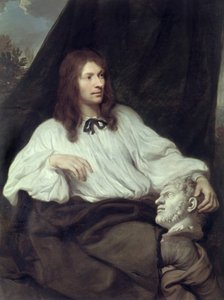
Sébastien Bourdon
1616 - 1671 , Francia
Datos clave
- Artistic Movement Or Style: Barroco
- Artists Who Influenced This Artist:
- Nicolas Poussin
- Claude Lorrain
- Caravaggio
- Date Of Birth: 2 febrero 1616
- Date Of Death: 8 mayo 1671
- Full Name: Sébastien Bourdon
- Nationality: Francés
- Notable Artworks:
- El Martirio de San Pedro
- La Caída de Simón el Mago
- Place Of Birth: Montpellier, Francia
Artículos relacionados

Barroco Sublime: 10 Obras Maestras que Definieron una Época |
Descubre las 10 obras maestras del Barroco que marcaron una época. Caravaggio, Bernini y Velázquez cobran vida en . Reproducciones de arte de calidad museo para decorar tu hogar con elegancia. ¡Explora la colección online!

The Dramatic Flourish: Exploring the Baroque Movement's Enduring Legacy in Art History
Explore the dramatic world of Baroque art! Discover iconic artists like Caravaggio & Rubens, defining techniques, and its lasting impact on art history. Expert insights for collectors & enthusiasts at ArtsDot.

The Visceral Stage: Exploring Dramatic Narratives & Emotional Intensity in Baroque Art
Explore the dramatic world of Baroque art! Discover iconic masters like Caravaggio & Rembrandt, their techniques, and the movement's lasting impact. Expert insights for collectors & enthusiasts at ArtsDot.

Theatricality & Triumph: Baroque Drama in Painting & Sculpture
Explore the dramatic world of Baroque art! Discover its history, defining characteristics, & lasting influence on painting & sculpture. Expert insights into Caravaggio, Zurbarán, and Bernini – plus high-quality reproductions at ArtsDot.
Barroco en su Esplendor: 10 Obras Maestras que Definieron una Época | ArtsDot
Descubre las 10 obras maestras del Barroco que revolucionaron el arte. Caravaggio, Rembrandt y Velázquez te esperan en ArtsDot. Reproducciones de alta calidad para decorar tu hogar con la grandeza de este estilo. ¡Explora la colección online!