

 Ver en contexto
 Enviar
 Compartir
 Detalles

 Descargar
 Similares
 Radiografía
 Presentación de diapositivas
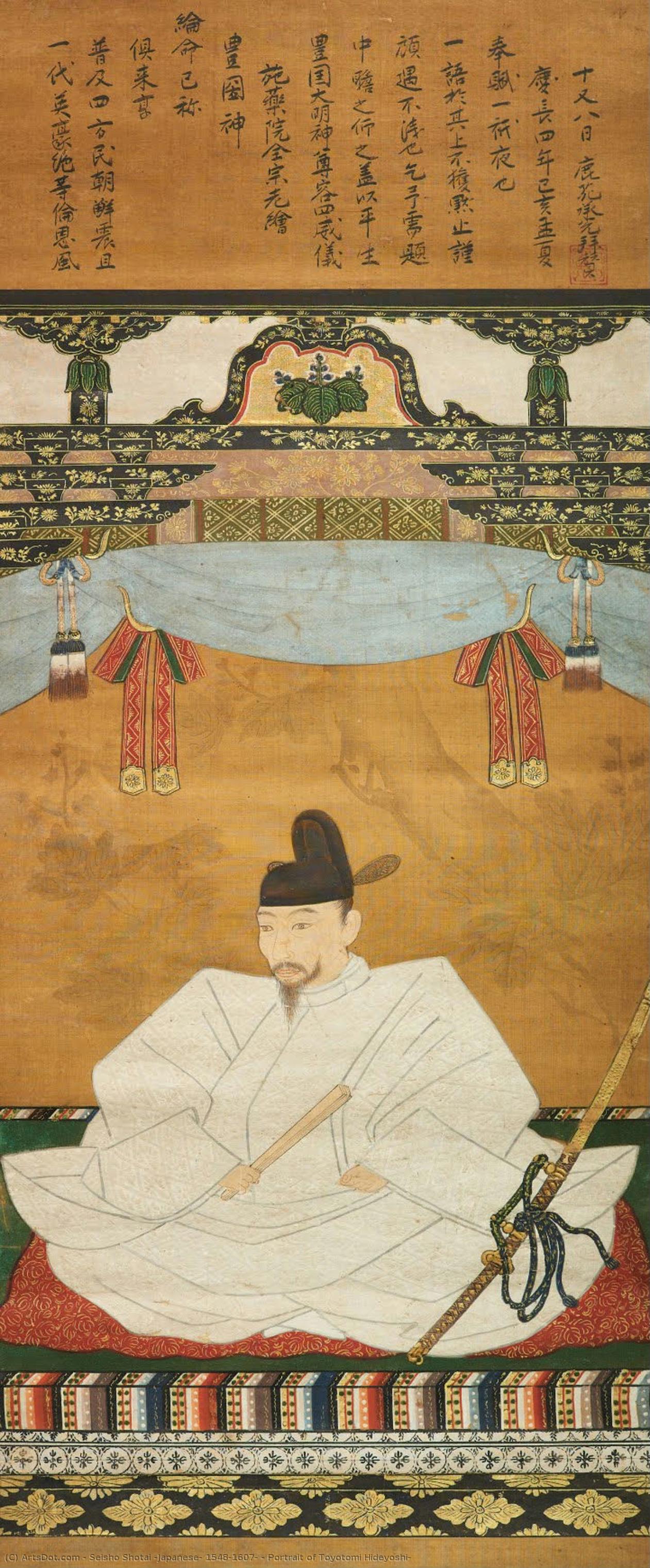
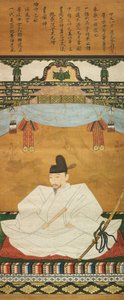
Portrait of Toyotomi Hideyoshi,


 Ver más
Adquiera una imagen digital de alta resolución y optimizada, muy superior a la vista previa en línea.
Cada archivo es preparado meticulosamente por nuestros especialistas internos mediante el uso de herramientas avanzadas y un experto retoque manual. Nos aseguramos de que cada imagen posea una claridad excepcional, una precisión cromática impecable y un detalle minucioso.
El archivo final se entrega por correo electrónico en un plazo de 72 horas, optimizado para su uso inmediato en entornos profesionales, editoriales y de impresión. Esta es la misma calidad en la que confían los estudios de diseño, las editoriales y las galerías de primer nivel.
Imagen Digital
Descarga un archivo de alta resolución para exhibición personal, impresión y proyectos creativos. ( Comprar impresión Comprar pintura hecha a mano)
Incluido en cada pedido de imágenes digitales
Entrega digital experta, garantizada.
Al elegir ArtsDot.com, no solo está adquiriendo una imagen; está recibiendo una obra de arte digital mejorada profesionalmente, elaborada con precisión y respaldada por una garantía de satisfacción. Esto es todo lo que incluye su pedido, automáticamente:

Entrega rápida por email
Recibirá su archivo de imagen digital en alta resolución por correo electrónico en un plazo de 72 horas tras realizar su pedido, listo para su uso inmediato.

Archivo digital optimizado por IA
Su obra de arte se optimiza profesionalmente mediante herramientas avanzadas de IA y edición manual, garantizando el máximo detalle, claridad y precisión cromática.

Reenvío gratuito de por vida
¿Has borrado o perdido tu archivo por error? No te preocupes: te lo volveremos a enviar en cualquier momento, sin coste adicional.

Sin gastos de importación, siempre
Disfrute de su obra de arte al instante sin aduanas, aranceles ni gastos de envío; las descargas digitales siempre están libres de impuestos.

Garantía de fidelidad de color
Garantizamos que su imagen digital refleje los colores originales con la mayor fidelidad posible, mediante el uso de herramientas profesionales y gestión del color.

Garantía de satisfacción de 100 días
Si no está satisfecho con su imagen digital, la revisaremos o le reembolsaremos el 100% en un plazo de 100 días, sin preguntas.

100% Garantía de devolución de dinero
¿No está satisfecho? Obtenga un reembolso completo dentro de los 100 días posteriores a la recepción de su archivo digital, sin necesidad de explicaciones.

Descuentos por pedidos grandes
Compra 3 imágenes, ahorra 10% - Compra 5, ahorra 15% - Compra 10+, ahorra 20%. Ideal para proyectos creativos, galerías y agencias.
Obras relacionadas
Biografía del artista
Seisho Shotai (1548-1607): The Silent Chronicler of a Turbulent Era
The world of 16th-century Japan was one of immense upheaval – the waning days of the Sengoku period, marked by constant warfare and shifting alliances. Amidst this chaos emerged Seisho Shotai (c. 1548-1607), an artist whose legacy rests primarily on his exquisite inscriptions and, most notably, his masterful portraiture, particularly that of Toyotomi Hideyoshi, a figure who profoundly shaped the nation’s destiny. Shotai's name rarely graces the headlines of art history, yet his work offers a remarkably intimate glimpse into the political and cultural currents of his time, revealing a keen eye for detail and a subtle understanding of symbolism.
Born during this period of intense conflict, Shotai’s early life remains shrouded in relative obscurity. He emerged as a skilled calligrapher and painter, quickly gaining recognition for his elegant brushwork and ability to capture the essence of his subjects. His career coincided with the rise of Toyotomi Hideyoshi, a peasant-born warrior who, through sheer force of will and military brilliance, ascended to become one of Japan’s most powerful figures – a shogun in all but name. Shotai's connection to Hideyoshi was not merely professional; he became a trusted advisor and confidant, deeply involved in the warlord’s court.
The Art of Inscription and Portraiture
Shotai’s artistic output is remarkably focused. He is primarily known for his inscriptions – elegant calligraphy accompanying paintings, often providing context, commentary, or personal reflections. These inscriptions are not mere labels; they are integral to the artwork itself, adding layers of meaning and revealing Shotai's perspective on the subject depicted. However, it’s his portraits, particularly those of Toyotomi Hideyoshi, that have secured his place in art history. He produced a series of remarkably detailed and psychologically astute depictions of the warlord, capturing not just his physical appearance but also his character and authority.
The “Portrait of Toyotomi Hideyoshi” (circa 1599), now housed at the Google Arts & Culture collection, exemplifies Shotai’s skill. The painting itself is a masterpiece of composition – Hideyoshi is seated with a ceremonial fan in his right hand and his left fist clenched, a gesture conveying both power and vigilance. He wears white silk socks and sits cross-legged on raised mats, mimicking the attire of an emperor, subtly asserting his elevated status as a regent (kanpaku). The backdrop features a stylized paulownia tree, a symbol deeply associated with imperial authority, further reinforcing Hideyoshi’s claim to legitimacy.
Symbolism and Context
Analyzing Shotai's work requires understanding the intricate symbolism of the era. The inclusion of the white silk socks, for instance, was not merely decorative; it represented a deliberate attempt to emulate imperial protocol, legitimizing Hideyoshi’s rule amidst a period of political instability. The paulownia tree, a sacred symbol in Japanese culture, served as a visual link between the warlord and the imperial lineage. Shotai's inscription, penned by Saisho Jotai, further illuminates these connections, highlighting the significance of the date – the 18th day of the fourth month—which coincided with the dedication of Hokoku Jinja, a shrine erected in honor of Hideyoshi.
The portrait’s creation was deeply intertwined with the political and religious landscape of the time. Commissioned by Yakuin Zenso, Hideyoshi's physician and a prominent Buddhist priest, it served as both a memorial to the deceased warlord and a means of solidifying his legacy. Shotai’s work, therefore, transcends mere portraiture; it becomes a historical document, capturing a pivotal moment in Japanese history.
Legacy and Influence
Despite his relatively quiet life, Seisho Shotai left an enduring mark on Japanese art. His meticulous attention to detail, combined with his profound understanding of symbolism, established him as one of the most accomplished portraitists of his era. His work offers a rare window into the world of Toyotomi Hideyoshi and the turbulent political climate in which he reigned. While few of his works survive, they remain highly prized by collectors and scholars alike, offering invaluable insights into the artistic and cultural traditions of 16th-century Japan.
Furthermore, Shotai’s legacy extends beyond individual artworks. His mastery of inscription influenced generations of calligraphers, while his portraiture set a standard for future artists seeking to capture the essence of their subjects. He stands as a testament to the power of quiet observation and skillful execution – a silent chronicler of a remarkable era.
seisho shotai (japanese, 1548-1607)
1548 - 1607 , Japan
Breves datos
- Artistic Movement Or Style: Inscriptions, Portraiture
- Artists Who Influenced This Artist: ['Saisho Jotai']
- Date Of Birth: 1548
- Date Of Death: 1607
- Full Name: Seisho Shotai
- Nationality: Japanese
- Notable Artworks: ['Portrait of Toyotomi Hideyoshi']
- Place Of Birth: Japan