 Vista previa
 Compartir
 Compartir
 Ver detalles

 Descargar
 Ver similares
 Radiografía
 Presentación de diapositivas
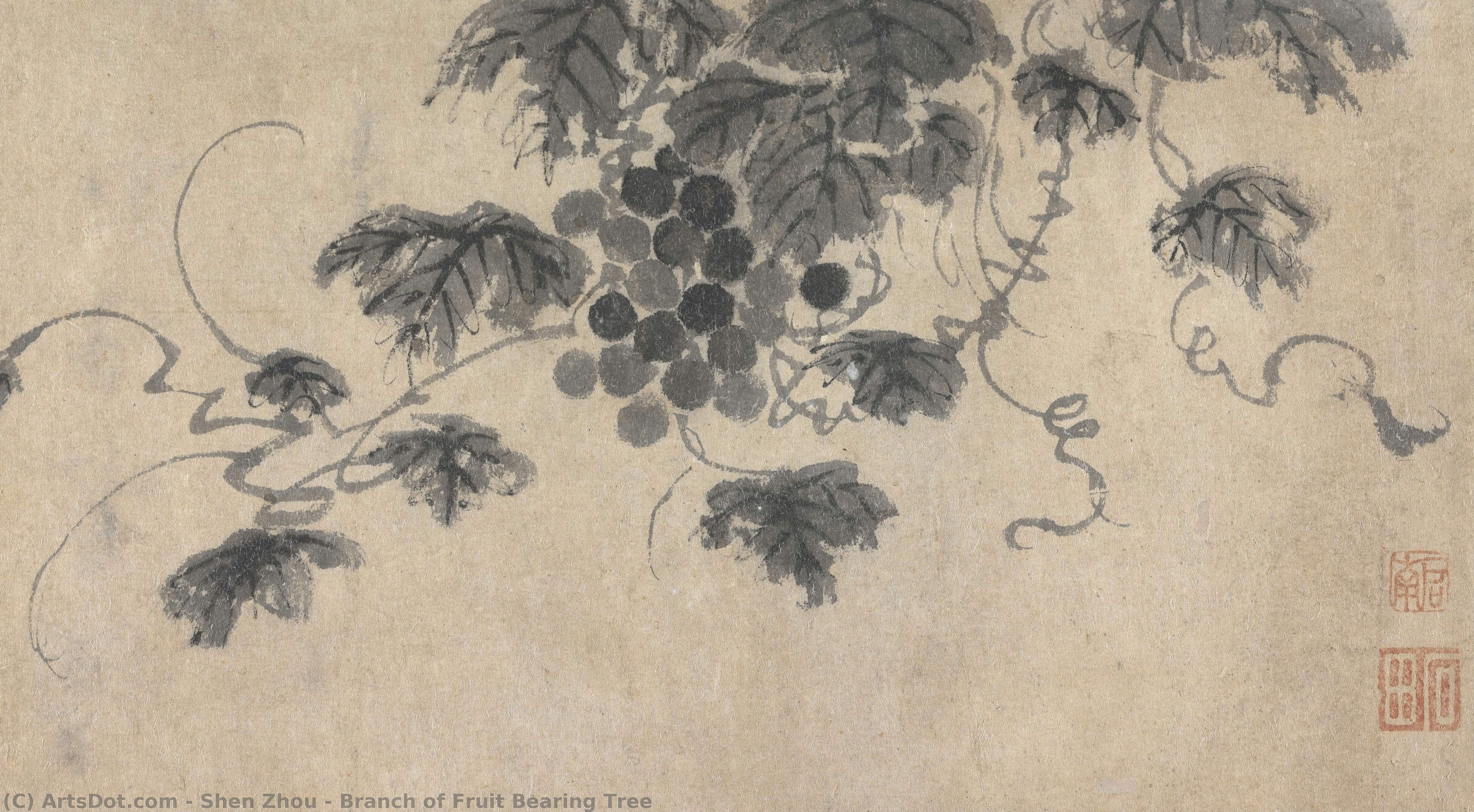
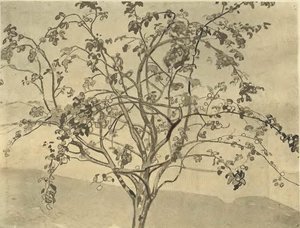
Branch of Fruit Bearing Tree


 Leer más
Reproducción al óleo hecha a mano
Óleo sobre lienzo pintado a mano en el tamaño y marco de su elección, realizado por encargo por nuestros artistas. ( Pedir impresión Comprar descarga)




































Elija entre nuestros tamaños predefinidos que respetan las proporciones originales de la obra.

Puede ingresar sus propias dimensiones para adaptarse a un marco o espacio específico. Si el tamaño seleccionado no coincide con las proporciones de la imagen original, recortaremos la obra o extenderemos la pintura con elementos adicionales pintados a mano. Se le enviará una maqueta digital para su aprobación antes de comenzar la producción.
Tenga en cuenta que la vista previa en pantalla no refleja el recorte o la extensión reales. Solo la maqueta mostrará con precisión la composición final.
Si bien existen tamaños personalizados, recomendamos seleccionar una dimensión de la lista predefinida para preservar las proporciones originales.
Tras realizar el pedido, el equipo de ArtsDot.com enviará un correo electrónico al cliente para solicitar instrucciones y proporcionarle una vista previa del boceto.
Envío a todo el mundo () en 3-4 semanas en lugar de las 5 semanas estándar. (22 agosto). Sin comprometer la calidad.

Envío exprés gratuito a todo el mundo

Lienzo de lino de alta calidad

Seguro de envío completo

Garantía de reembolso de aranceles aduaneros

Garantía de fidelidad cromática exacta

Política de devolución de 60 días (solo por defectos)

Garantía de devolución del 100% del dinero

Oferta por volumen
 La opción de vidrio solo está disponible en tamaños inferiores a 110 cm.

Branch of Fruit Bearing Tree
Técnica de reproducción
Tamaño de la reproducción
-


Precio total
$ 263
Descripción de la obra
A Symphony of Nature in Monochrome
In the quietude of a single branch, Shen Zhou captures the very essence of vitality and the fleeting beauty of the natural world. Branch of Fruit Bearing Tree is not merely a botanical study; it is a profound meditation on life's abundance and the delicate balance of existence. Through a masterful command of monochrome tones, the artist invites the viewer into an intimate encounter with nature, where every curve of a stem and every weight of a ripening fruit tells a story of growth and seasonal grace. The painting breathes with a rhythmic elegance, as if one could almost hear the rustle of leaves in a gentle Ming dynasty breeze.
The composition draws the eye through a labyrinth of intricate details, where clusters of what appear to be plums or cherries hang with a heavy, luscious realism. The artist utilizes a sophisticated interplay of light and shadow, employing subtle gradations of ink to create a sense of three-dimensional volume. This technique allows the fruit to emerge from the darkness of the branches, appearing almost tactile to the touch. The stark contrast between the deep, velvety blacks and the luminous whites creates a dramatic tension that elevates the subject matter from a simple garden scene to a timeless masterpiece of classical artistry.
The Legacy of the Wu School
To understand this work, one must look toward the soul of the artist himself. Shen Zhou, a towering figure of the Ming Dynasty and the founder of the illustrious Wu School, lived a life defined by scholarly refinement and a deliberate retreat from the complexities of imperial bureaucracy. His art reflects this preference for the contemplative and the organic. Unlike the more rigid styles of his contemporaries, Shen Zhou’s approach embraced the "boneless" technique and a fluid, expressive line that prioritized the spirit of the subject over mere anatomical accuracy.
This piece serves as a quintessential example of the scholar-artist ideal, where the act of painting is an extension of one's moral and intellectual character. The meticulous attention to the texture of the bark and the translucency of the fruit reflects a deep respect for the natural order—a core tenet of the literati tradition. For the discerning collector or interior designer, this artwork offers more than just visual beauty; it provides a window into a historical era of profound philosophical depth, making it an exquisite centerpiece for any space dedicated to culture and tranquility.
An Eternal Presence for the Modern Interior
For those seeking to curate a space that evokes serenity and sophistication, Branch of Fruit Bearing Tree offers unparalleled versatility. Its monochromatic palette allows it to integrate seamlessly into a variety of high-end design aesthetics, from the minimalist grandeur of contemporary galleries to the warm, layered textures of a classical study. The artwork possesses a rare ability to command attention through its quiet strength rather than through loud or jarring colors.
As a reproduction, this piece brings the prestige of Chinese masterwork into the home, offering an emotional resonance that transcends time. It serves as a focal point for conversation and a source of daily inspiration, reminding the observer of the enduring beauty found in the smallest details of the earth. Whether placed in a sunlit salon or a quiet library, the painting radiates a sense of peace, making it an essential acquisition for anyone looking to infuse their environment with the timeless elegance of Shen Zhou’s vision.
Obras relacionadas
Biografía del artista
Vida y Antecedentes
- Nacimiento: Xiangcheng, China (1427)
- Fallecimiento: 1509
- Shen Zhou nació en una familia adinerada en Xiangcheng, cerca de Suzhou. La riqueza familiar provenía de la propiedad de tierras y, posteriormente, del cargo de recaudador de impuestos bajo el sistema lijia del emperador Hongwu.
- Eligió renunciar a los exámenes oficiales y dedicó su vida a cuidar de su madre viuda, Chang Su-wan, demostrando piedad filial. Esto le permitió una vida reclusa centrada en el arte, la socialización y la contemplación.
Desarrollo Artístico y la Escuela Wu
- Shen Zhou vivió durante un período crucial en la historia de la pintura china.
- Se le reconoce como el fundador de la Escuela Wu en Suzhou.
- La Escuela Wu surgió debido al traslado de la capital Ming a Beijing, distanciando la influencia imperial de Suzhou y permitiendo una revitalización de los ideales del pintor-erudito.
- Los pintores Wu veían la pintura como meditación más que como ocupación.
- El estilo de Shen Zhou estuvo influenciado por maestros de la dinastía Yuan como Wang Meng, Huang Gongwang y Wu Zhen. Combinó estas influencias con sus propios elementos experimentales.
Características Clave de la Obra de Shen Zhou
- Paisajes: Conocido por paisajes meticulosamente elaborados que reflejan una reverencia por la historia china y el confucianismo.
- Pinturas de Flores "Sin Hueso": Un estilo distintivo caracterizado por representaciones delicadas y detalladas de flores sin contornos fuertes, emulando a los maestros Yuan.
- Colaboración e Integración: Colaboró con frecuencia con otros artistas, integrando pintura, poesía y caligrafía en reuniones. Sus pinturas a menudo incluían poemas acompañantes que eran tan importantes como el arte visual en sí mismo.
- Ideal del Pintor-Erudito: Encarnó el ideal del pintor-erudito, priorizando la expresión artística sobre el beneficio comercial.
Influencias y Significado Histórico
- Maestros de la Dinastía Yuan: Fuertemente influenciado por Wang Meng, Huang Gongwang y Wu Zhen, incorporando sus técnicas y estilos en su propio trabajo.
- Neo-Confucianismo: Su arte reflejó los valores del neo-confucianismo, enfatizando la tradición, la disciplina y la reverencia por la historia.
- Enfoque Revivalista: El trabajo de Shen Zhou formó parte de un movimiento revivalista que buscaba recapturar el espíritu artístico de la dinastía Yuan, contrastando con el estilo más formal favorecido por la corte Ming.
- Fundación de la Escuela Wu: Su establecimiento de la Escuela Wu impactó significativamente en el arte chino, fomentando una nueva generación de pintores-eruditos y moldeando el curso de la pintura de la dinastía Ming.
Legado y Reconocimiento
- Shen Zhou es considerado uno de los "Cuatro Maestros de la Dinastía Ming" junto con Wen Zhengming, Tang Yin y Qiu Ying.
- Su obra continúa siendo estudiada y admirada por su habilidad técnica, visión artística y encarnación del ideal del pintor-erudito.
- Sigue siendo una figura significativa en la historia del arte chino, celebrado por sus contribuciones a la pintura de paisajes, las pinturas de flores "sin hueso" y la fundación de la influyente Escuela Wu.

Shen Zhou
1427 - 1509 , China
Datos clave
- Artistas Influenciados: ['Wen Cheng-ming']
- Artistas Influyentes:
- Wang Meng
- Huang Gongwang
- Wu Zhen
- Fecha De Muerte: 1509
- Fecha De Nacimiento: 1427
- Lugar De Nacimiento: Xiangcheng, China
- Movimiento Artístico: Escuela Wu
- Nacionalidad: Chino
- Nombre Completo: Shen Zhou
- Obras Notables: ['Paisaje con cuatro pinos']
Artículos relacionados

Las 10 Pinturas Más Famosas Dominadas por el Negro | Arte y Decoración
Descubre las 10 pinturas más impactantes dominadas por el negro. Explora obras maestras de Rembrandt, Goya y Rothko, su historia y significado. Encuentra reproducciones de arte exclusivas para transformar tu hogar en .
Arboreal Echoes: A Historical & Artistic Exploration of Trees in Painting
Explore the rich history of trees in painting! Discover symbolism, Romantic masterpieces by Caspar David Friedrich & beyond. A curated journey for art enthusiasts.
Arboreal Echoes: A Historical & Artistic Exploration of Trees in Painting
Explore the rich history of trees in painting! Discover symbolism, Romantic masterpieces by Caspar David Friedrich & beyond. A curated journey for art enthusiasts.

Las 10 Obras Maestras Dominadas por el Negro Marsella: Arte y Decoración
Descubre las 10 pinturas más famosas dominadas por el negro marsella. Explora la historia, técnica y simbolismo de obras maestras del expresionismo alemán, gótico y arte moderno. Reproducciones de museos en .
Las 10 Obras Maestras del Negro Carbón: Arte, Historia y Decoración
Descubre 10 obras maestras del arte dominadas por el negro carbón. Explora la historia, técnica y significado de cuadros icónicos de artistas como Rembrandt y Goya. Encuentra reproducciones de museo en .