

 Ver en contexto
 Enviar
 Compartir
 Detalles

 Descargar
 Similares
 Radiografía
 Presentación de diapositivas
 Stats
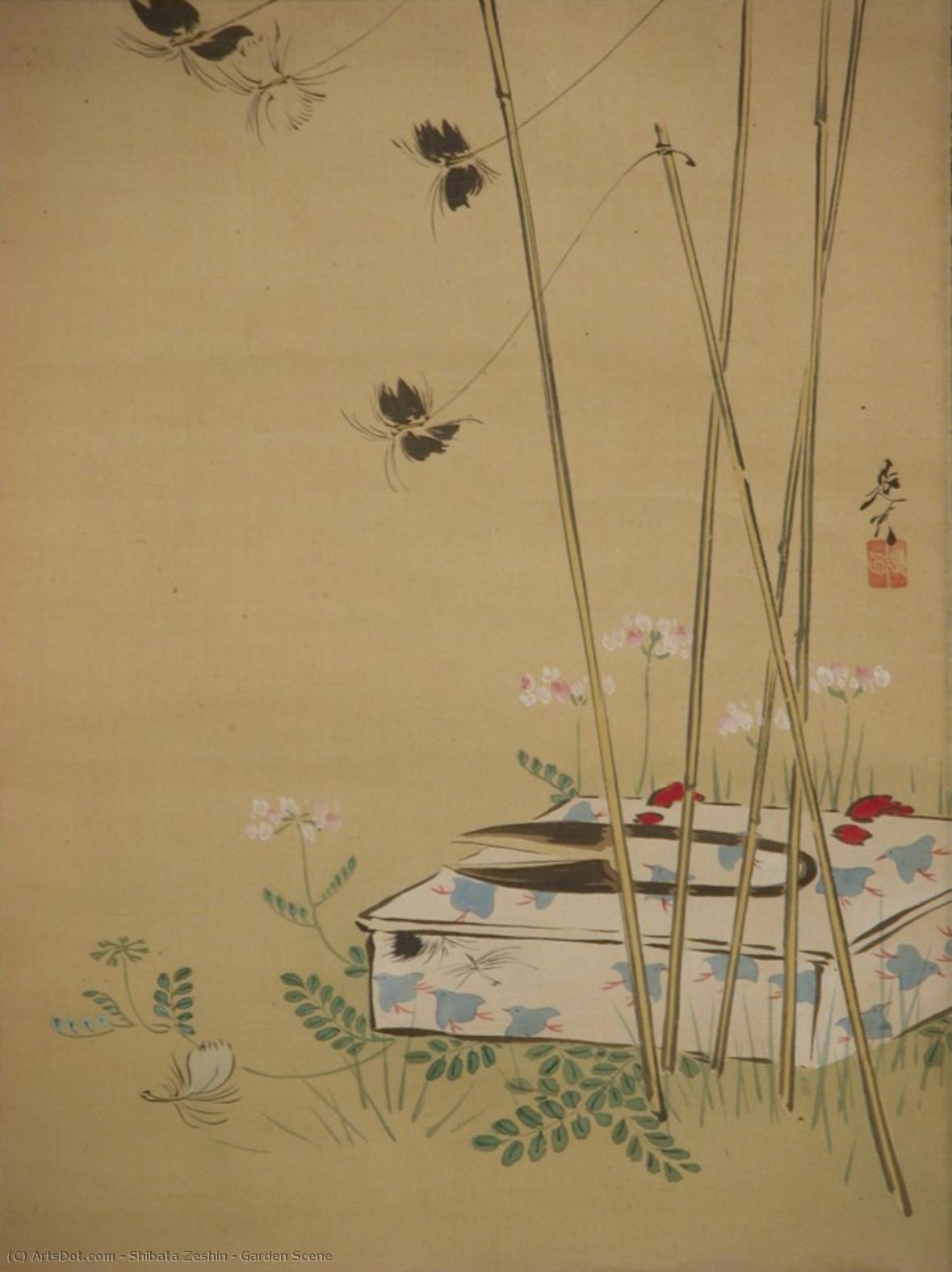
StatsGarden Scene


 Ver más
Adquiera una imagen digital de alta resolución y optimizada, muy superior a la vista previa en línea.
Cada archivo es preparado meticulosamente por nuestros especialistas internos mediante el uso de herramientas avanzadas y un experto retoque manual. Nos aseguramos de que cada imagen posea una claridad excepcional, una precisión cromática impecable y un detalle minucioso.
El archivo final se entrega por correo electrónico en un plazo de 72 horas, optimizado para su uso inmediato en entornos profesionales, editoriales y de impresión. Esta es la misma calidad en la que confían los estudios de diseño, las editoriales y las galerías de primer nivel.
Imagen Digital
Descarga un archivo de alta resolución para exhibición personal, impresión y proyectos creativos. ( Switch to Print Comprar pintura hecha a mano)
Incluido en cada pedido de imágenes digitales
Entrega digital experta, garantizada.
Al elegir ArtsDot.com, no solo está adquiriendo una imagen; está recibiendo una obra de arte digital mejorada profesionalmente, elaborada con precisión y respaldada por una garantía de satisfacción. Esto es todo lo que incluye su pedido, automáticamente:

Entrega rápida por email
Recibirá su archivo de imagen digital en alta resolución por correo electrónico en un plazo de 72 horas tras realizar su pedido, listo para su uso inmediato.

Archivo digital optimizado por IA
Su obra de arte se optimiza profesionalmente mediante herramientas avanzadas de IA y edición manual, garantizando el máximo detalle, claridad y precisión cromática.

Reenvío gratuito de por vida
¿Has borrado o perdido tu archivo por error? No te preocupes: te lo volveremos a enviar en cualquier momento, sin coste adicional.

Sin gastos de importación, siempre
Disfrute de su obra de arte al instante sin aduanas, aranceles ni gastos de envío; las descargas digitales siempre están libres de impuestos.

Garantía de fidelidad de color
Garantizamos que su imagen digital refleje los colores originales con la mayor fidelidad posible, mediante el uso de herramientas profesionales y gestión del color.

Garantía de satisfacción de 100 días
Si no está satisfecho con su imagen digital, la revisaremos o le reembolsaremos el 100% en un plazo de 100 días, sin preguntas.

100% Garantía de devolución de dinero
¿No está satisfecho? Obtenga un reembolso completo dentro de los 100 días posteriores a la recepción de su archivo digital, sin preguntas.

Descuentos por pedidos grandes
Compra 3 imágenes, ahorra 10% - Compra 5, ahorra 15% - Compra 10+, ahorra 20%. Ideal para proyectos creativos, galerías y agencias.
Obras relacionadas
Biografía del artista
A Singular Vision: Shibata Zeshin (1807-1891)
Shibata Zeshin stands apart in the annals of Japanese art history—a figure simultaneously lauded as a revolutionary innovator and dismissed as stubbornly traditional. Born in Edo (modern Tokyo) in 1807, he descended from a lineage steeped in craftsmanship; his grandfather was a shrine carpenter, and his father, Ichigoro Shibata, possessed considerable skill as an ukiyo-e painter, having studied under Katsukawa Shunshō—a formative influence that instilled within him the values of meticulous observation and artistic discipline. This early exposure to both woodworking and painting would prove instrumental in shaping Zeshin’s distinctive oeuvre.Early Apprenticeship & Suzuki Nanrei: The Pursuit of Mastery
Zeshin's artistic journey began at a young age with an apprenticeship under Komā Kansai II, a renowned lacquerer who recognized the importance of foundational skills. Kansai insisted that Zeshin cultivate sketching abilities and experiment with painting techniques—a decision that would propel him toward a path of artistic exploration. This dedication led him to Suzuki Nanrei, a celebrated Shijō school painter who further honed Zeshin’s observational prowess and instilled in him the principles of capturing fleeting moments of beauty. It was during this period that he adopted the name “Reisai,” combining Nanrei's influence with Kansai’s guidance—a symbolic gesture reflecting his commitment to artistic excellence. Reisai, meaning "This is True," encapsulates Zeshin’s belief in authenticity and unwavering devotion to mastering his craft – a conviction that would permeate his entire artistic career.Zeshin's Artistic Persona: “This Is True” – The Significance of His Name
The name “Reisai,” chosen by Nanrei himself, carries profound philosophical resonance. It harkens back to an ancient Chinese tale recounting the story of a king who convened a grand audience with numerous painters—each vying for recognition. While most artists bowed respectfully before him and adhered to established conventions of decorum, one arrived half-naked, disregarded protocol, and sat on the floor licking his paintbrush; the king exclaimed “Now, this is a true artist!” From this parable Zeshin drew inspiration, adopting Reisai as a declaration of artistic integrity—a testament to his unwavering belief in pursuing excellence with uncompromising honesty.Innovation Amidst Tradition: Zeshin’s Distinctive Style
Zeshin's artistic style represents an extraordinary synthesis of meticulous realism and subtle expressive nuance. He adhered to the conventions of Sumi-e painting – particularly landscapes and animals – yet simultaneously pushed boundaries through his masterful use of *maki-e*, a technique involving applying metallic pigments onto lacquer surfaces. This innovative approach elevated his works beyond mere representation into embodiments of spiritual contemplation, capturing the ephemeral beauty of nature with unparalleled precision. His paintings frequently explored themes of Buddhist serenity and harmony—reflecting the intellectual currents of the Meiji era and demonstrating Zeshin’s ability to synthesize tradition and innovation seamlessly.- Landscapes & Tigers: Capturing Nature’s Essence
- Maki-e Technique: Light & Texture in Japanese Lacquer Art
Legacy & Recognition: Zeshin’s Enduring Influence
Despite criticisms leveled against his perceived conservatism within Japan, Shibata Zeshin achieved considerable acclaim in the West, particularly in England and the United States. His works were exhibited internationally—garnering admiration for their aesthetic beauty and technical virtuosity—a testament to his artistic genius and a reflection of the burgeoning interest in Japanese art during the late nineteenth century. Today, Zeshin’s paintings continue to captivate audiences worldwide—serving as enduring symbols of Japan's artistic tradition and demonstrating the transformative power of blending meticulous observation with innovative technique. His legacy persists as an exemplar of artistic integrity and unwavering devotion to craft—a singular vision that resonates across time and culture.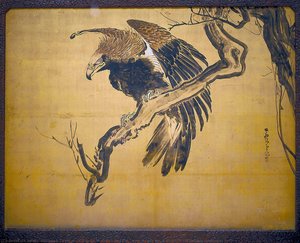
Shibata Zeshin
1807 - 1891 , Japón
Breves datos
- Artistic Movement Or Style: Sumi-e; Maki-e
- Artists Or Movements Influenced By This Artist: ['Japanese lacquer art']
- Artists Who Influenced This Artist:
- Suzuki Nanrei
- Katsukawa Shunshō
- Date Of Birth: March 15, 1807
- Date Of Death: July 13, 1891
- Full Name: Shibata Zeshin
- Nationality: Japonés
- Notable Artworks:
- Flores (rosa y blanca)
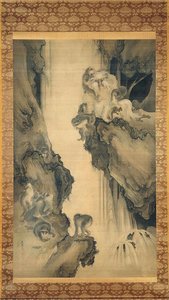
- Cascada y monos
- Escena jardín
- Place Of Birth: Tokyo, Japón