Menú
Asesoría de arte gratuita
Ver en contextoVer en contexto Vista previa en RAVista previa en RA Comprar impresión Comprar impresiónComprar pintura hecha a mano Comprar pintura hecha a mano EnviarEnviar
DetallesDetalles Añadir a favoritos Añadir a favoritos DescargarDescargar SimilaresSimilares RadiografíaRadiografía Presentación de diapositivasPresentación de diapositivas

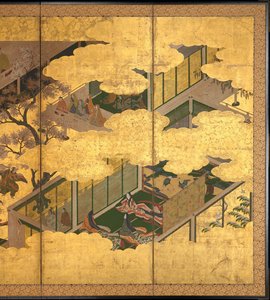
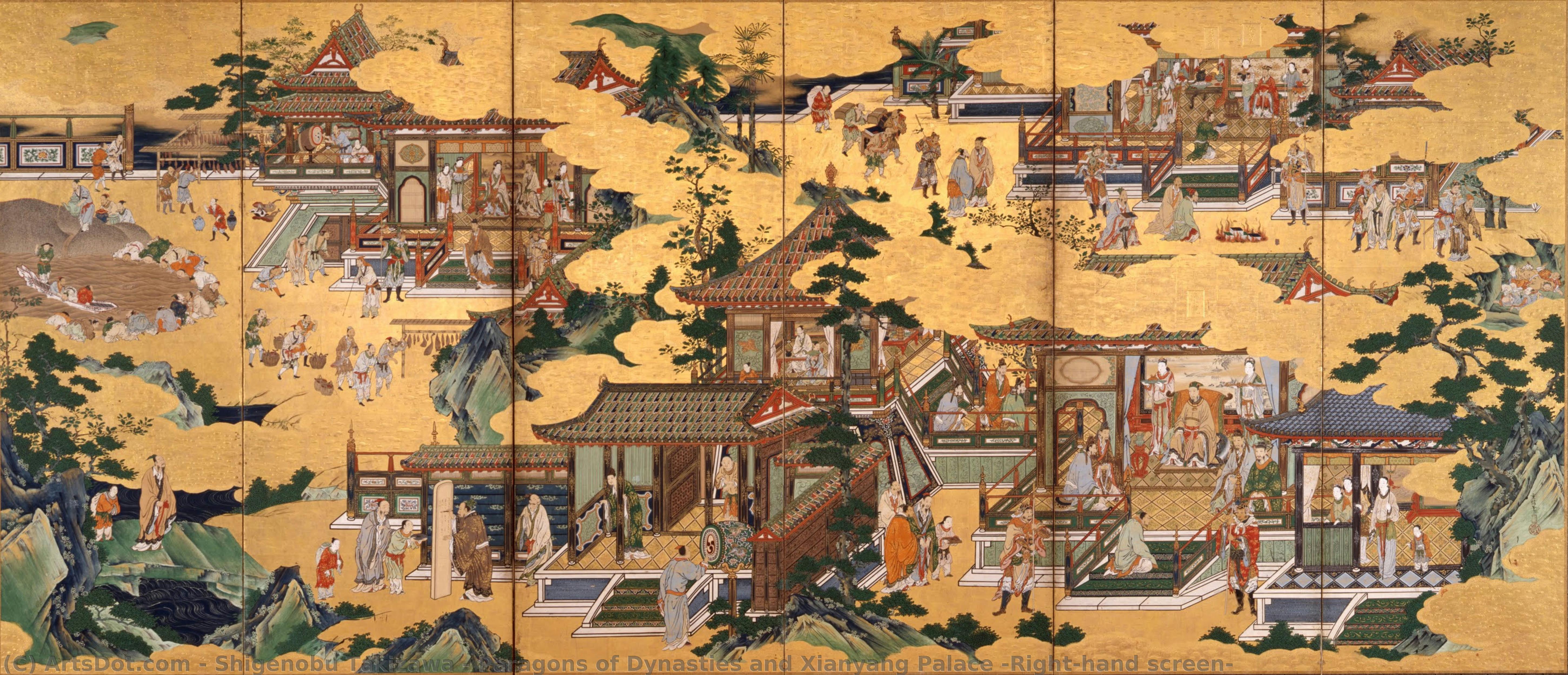
Paragons of Dynasties and Xianyang Palace (Right-hand screen)

Discover shigenobu takizawa, a renowned Edo period Japanese painter and print artist known for vibrant bijin prints, surimono, and illustrated books. Explore his distinctive style and artistic legacy.

Adquiera una imagen digital de alta resolución y optimizada, muy superior a la vista previa en línea.

Cada archivo es preparado meticulosamente por nuestros especialistas internos mediante el uso de herramientas avanzadas y un experto retoque manual. Nos aseguramos de que cada imagen posea una claridad excepcional, una precisión cromática impecable y un detalle minucioso.

El archivo final se entrega por correo electrónico en un plazo de 72 horas, optimizado para su uso inmediato en entornos profesionales, editoriales y de impresión. Esta es la misma calidad en la que confían los estudios de diseño, las editoriales y las galerías de primer nivel.

Imagen Digital

Descarga un archivo de alta resolución para exhibición personal, impresión y proyectos creativos. (Comprar impresión Comprar impresiónComprar pintura hecha a mano Comprar pintura hecha a mano)

Precio total

$ 24,00

Incluido en cada pedido de imágenes digitales

Entrega digital experta, garantizada.

Al elegir ArtsDot.com, no solo está adquiriendo una imagen; está recibiendo una obra de arte digital mejorada profesionalmente, elaborada con precisión y respaldada por una garantía de satisfacción. Esto es todo lo que incluye su pedido, automáticamente:

shipping_icon
Entrega rápida por email

Recibirá su archivo de imagen digital en alta resolución por correo electrónico en un plazo de 72 horas tras realizar su pedido, listo para su uso inmediato.

canvas_icon
Archivo digital optimizado por IA

Su obra de arte se optimiza profesionalmente mediante herramientas avanzadas de IA y edición manual, garantizando el máximo detalle, claridad y precisión cromática.

insurance_icon
Reenvío gratuito de por vida

¿Has borrado o perdido tu archivo por error? No te preocupes: te lo volveremos a enviar en cualquier momento, sin coste adicional.

tax_icon
Sin gastos de importación, siempre

Disfrute de su obra de arte al instante sin aduanas, aranceles ni gastos de envío; las descargas digitales siempre están libres de impuestos.

color_icon
Garantía de fidelidad de color

Garantizamos que su imagen digital refleje los colores originales con la mayor fidelidad posible, mediante el uso de herramientas profesionales y gestión del color.

return_icon
Garantía de satisfacción de 60 días

Si no está satisfecho con su imagen digital, la revisaremos o le reembolsaremos el 100% en un plazo de 60 días, sin preguntas.

guarantee_icon
100% Garantía de devolución de dinero

¿No está satisfecho? Obtenga un reembolso completo dentro de los 60 días posteriores a la recepción de su archivo digital, sin necesidad de explicaciones.

discount_icon
Descuentos por pedidos grandes

Compra 3 imágenes, ahorra 10% - Compra 5, ahorra 15% - Compra 10+, ahorra 20%. Ideal para proyectos creativos, galerías y agencias.


Biografía del artista

A Brushstroke in the Edo: The Life and Art of Takizawa Shigenobu

Takizawa Shigenobu, a name perhaps less celebrated than his master Katsushika Hokusai, nevertheless occupies a vital space within the vibrant tapestry of Edo period Japanese art. Born in Tokyo during an era defined by flourishing woodblock printing and a burgeoning merchant class eager for visual delights, Takizawa’s life was deeply interwoven with the artistic currents that shaped Japan's aesthetic landscape. He wasn’t merely a follower in Hokusai’s considerable shadow; he carved his own niche as a prolific creator of *surimono*, exquisitely detailed illustrated books, and captivating depictions of *bijin* – beautiful women – becoming a significant figure in the world of ukiyo-e. His story is one of artistic lineage, dedicated practice, and a distinctive style that, while sometimes criticized for its formality, nonetheless resonated with the tastes of his time.

From Pupil to Prolific Artist: The Foundations of a Style

The foundational element of Takizawa’s artistic journey was undoubtedly his apprenticeship under Hokusai. This relationship wasn't simply one of technical instruction; it was an immersion into a revolutionary approach to art, characterized by bold compositions, dynamic lines, and a keen observation of everyday life. Further cementing his place within the Hokusai orbit was his marriage to Hokusai’s eldest daughter, a union that speaks volumes about the close-knit nature of artistic circles in Edo Japan. However, Takizawa didn't simply replicate his master’s style. While he absorbed Hokusai’s technical prowess, he developed a unique aesthetic sensibility. He became particularly renowned for his work as an artist of *surimono* – privately commissioned prints often given as New Year’s greetings or celebratory gifts. These weren’t mass-produced images; they were miniature works of art, showcasing intricate designs and luxurious materials, reflecting the refined tastes of a sophisticated clientele. His dedication to this format allowed him to hone his skills in detail and color, qualities that would become hallmarks of his *bijin* paintings.

The Allure of Bijin: Capturing Beauty with Bold Lines

Takizawa Shigenobu’s depictions of beautiful women – the *bijin-ga* genre – are arguably his most recognizable contribution to ukiyo-e. Unlike some artists who sought a more naturalistic portrayal, Takizawa's women often possess a striking formality. They are presented with thick, defined lines and vibrant, complex patterns adorning their kimonos. This approach, while sometimes described as “stereotyped,” wasn’t necessarily a lack of skill but rather a deliberate stylistic choice. His figures exude an elegance and poise that appealed to the sensibilities of his patrons. The elaborate kimono designs weren't merely decorative; they were statements of wealth, status, and cultural awareness. The sheer abundance of detail in these patterns – flowers, geometric shapes, auspicious symbols – speaks to Takizawa’s meticulous craftsmanship and his understanding of visual symbolism. His work often draws comparisons to the Torii school, famed for its theatrical signboards, a connection rooted in their shared emphasis on bold outlines and striking imagery. However, where the Torii school focused on capturing dramatic moments, Takizawa prioritized a more refined and idealized representation of beauty.

A Legacy Diminished: The Shadow of Banishment

Despite his prolific output and established reputation during his lifetime, Takizawa Shigenobu’s artistic legacy experienced a decline following his banishment to ōshima in 1714. The reasons for this exile remain somewhat obscure, but it undoubtedly disrupted the continuity of his artistic lineage. His direct disciples, lacking their master's guidance, saw their work fall into relative obscurity. This isn’t to say that Takizawa was forgotten entirely; his prints continued to circulate and influence subsequent generations of artists. However, he never regained the prominence he enjoyed before his banishment. Today, Takizawa Shigenobu is increasingly recognized as a significant figure in Edo period art, not simply as a student of Hokusai but as an artist who developed a distinctive style that reflects the aesthetic preferences of his time and contributed to the rich diversity of ukiyo-e. His *surimono* prints and *bijin-ga* paintings offer a fascinating glimpse into the world of Edo Japan, revealing a society captivated by beauty, elegance, and the power of visual representation.