 Ver en contexto
 Enviar
 Compartir
 Detalles

 Descargar
 Similares
 Radiografía
 Presentación de diapositivas
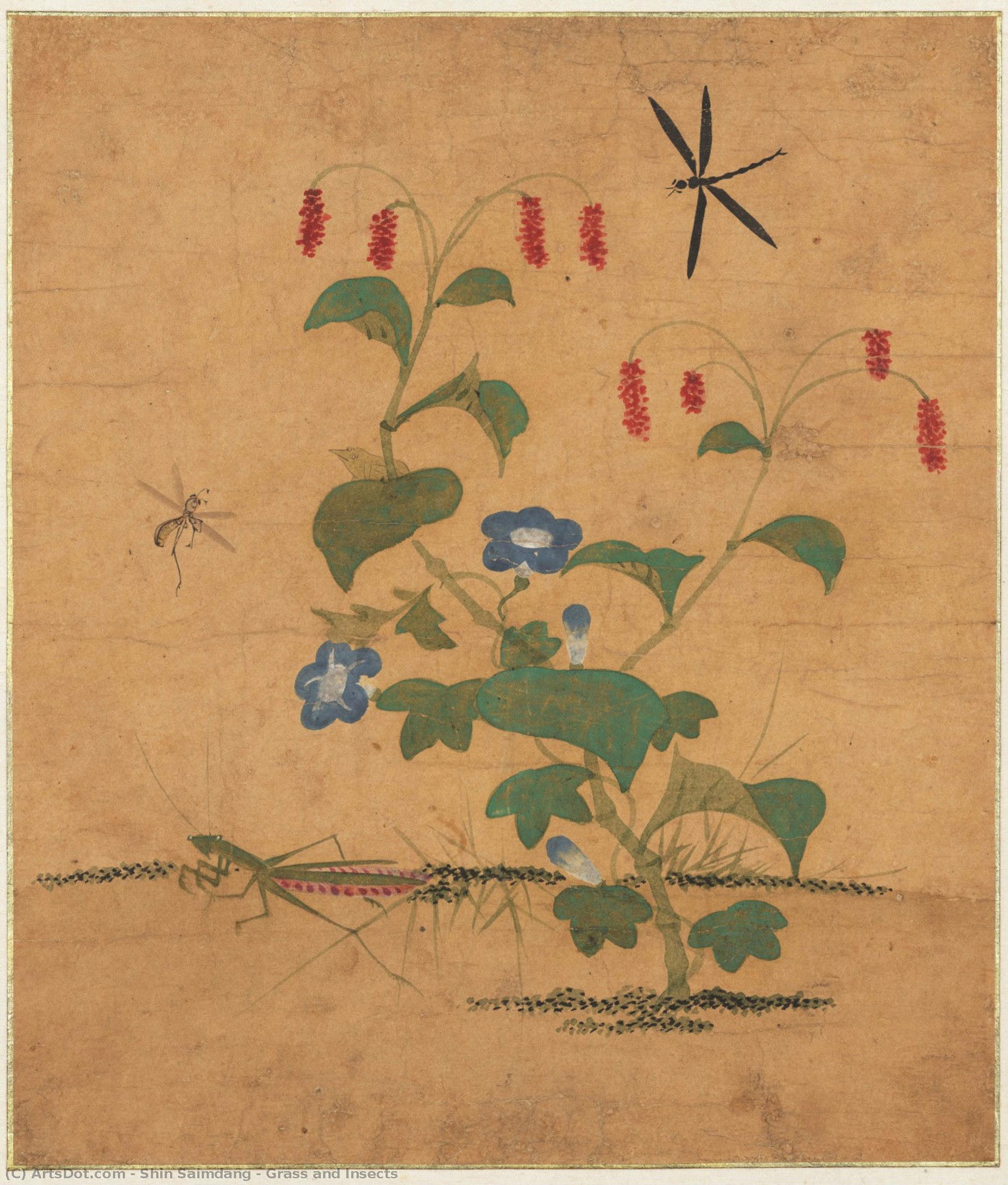
Grass and Insects


 Ver más
Reproducción al óleo hecha a mano
Óleo sobre lienzo pintado a mano en el tamaño y marco de su elección, realizado por encargo por nuestros artistas. ( Comprar impresión Comprar imagen)




P118B $10

P118H $10

P118W $10

P438Z $10

P508JH $12

P508YH $12

P805H $10

P805Z $10

P919BZ $10

P919G $10

P919XJ $10

P959ZH $10

P968JZ $12

W106C $8

W218G $10

W218JH $8

W218Y $10

W307PJ $10

W316G $10

W316PJ $8

W316Y $10

W398PJ $8

W4111J $10

W500HY $15

W500JH $15

W692G $12

W849H $8

W940BG $15

W953PJ $8




Elija entre nuestros tamaños predefinidos que respetan las proporciones originales de la obra.

Puede ingresar sus propias dimensiones para adaptarse a un marco o espacio específico. Si el tamaño seleccionado no coincide con las proporciones de la imagen original, recortaremos la obra o extenderemos la pintura con elementos adicionales pintados a mano. Se le enviará una maqueta digital para su aprobación antes de comenzar la producción.
Tenga en cuenta que la vista previa en pantalla no refleja el recorte o la extensión reales. Solo la maqueta mostrará con precisión la composición final.
Si bien existen tamaños personalizados, recomendamos seleccionar una dimensión de la lista predefinida para preservar las proporciones originales.
Tras realizar el pedido, el equipo de ArtsDot.com enviará un correo electrónico al cliente para solicitar instrucciones y proporcionarle una vista previa del boceto.
Envío a todo el mundo () en 3-4 semanas en lugar de las 5 semanas estándar. (26 agosto). Sin comprometer la calidad.

Envío exprés gratuito a todo el mundo

Lienzo de lino de alta calidad

Seguro de envío total

Garantía de reembolso de impuestos aduaneros

Garantía de fidelidad cromática exacta

Política de devolución de 60 días (solo por defectos)

Garantía de devolución del 100% del dinero

Descuento por cantidad
 La opción de vidrio solo está disponible en tamaños inferiores a 110 cm.

Grass and Insects
Técnica de reproducción
Dimensiones de la reproducción
-


Precio total final
$ 263
Descripción de la obra
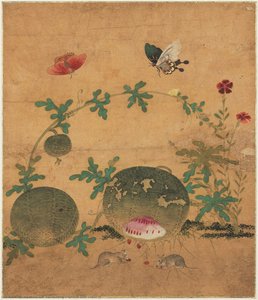
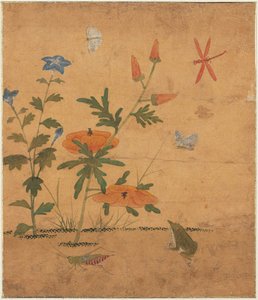
Shin Saimdang’s “Grass and Insects”: A Symphony of Color and Quiet Observation
Shin Saimdang (1504–1551), a trailblazing female artist in Joseon dynasty Korea, stands as an emblem of intellectual curiosity and artistic prowess—a woman who defied societal constraints to pursue her passions for poetry, calligraphy, and painting. Her legacy resides not merely in the exquisite beauty of her artwork but also in its profound reflection of the era’s cultural values and philosophical ideals. This examination delves into “Grass and Insects,” one of her most celebrated panels from a monumental ten-panel folding screen—a masterpiece that encapsulates Saimdang's distinctive artistic vision and offers invaluable insight into Korean art history.A Window Into Joseon Aesthetic Principles
“Grass and Insects” exemplifies the dominant aesthetic sensibilities of the late 16th century, characterized by meticulous detail, harmonious color palettes, and a reverence for nature’s subtle grandeur. The screen embodies Neo-Confucian ideals—a belief system that prioritized moral cultivation alongside intellectual pursuits—reflected in Saimdang's careful composition and her masterful execution of brushstrokes. Unlike Western art traditions focused on dramatic narratives or idealized figures, Korean painting during this period favored contemplative scenes depicting landscapes and flora, intended to inspire serenity and contemplation. The screen’s overall design adheres to the principles of “Yonghwa,” meaning “harmonious beauty”—a concept central to Joseon artistic philosophy that sought to achieve balance between form and content.Technique and Material Considerations
Saimdang employed a technique rooted in meticulous observation and painstaking layering—a hallmark of Korean painting at the time. Using mineral pigments mixed with animal glue, she achieved remarkable luminosity and vibrancy, capturing the delicate textures of grass blades and the iridescent sheen of insects’ wings. The screen's surface is covered with thin layers of lacquer, providing protection while enhancing the colors and creating a tactile experience for the viewer. Furthermore, Saimdang skillfully utilized “Ma,” or negative space—a technique that deliberately leaves areas unfilled to create visual balance and emphasize the subject matter—demonstrating an understanding of compositional principles that transcended mere representation. The careful blending of pigments and meticulous brushwork contribute to the screen’s enduring beauty and artistic significance.Symbolism: Echoes of Confucian Thought
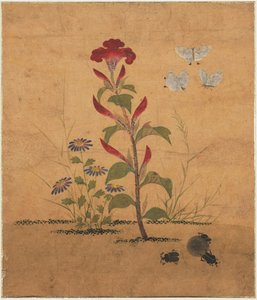
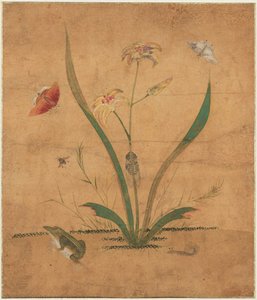
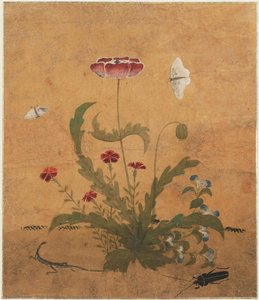
Beyond its technical brilliance, “Grass and Insects” resonates with deeper symbolic meanings rooted in Confucian cosmology—a worldview that viewed humanity as intrinsically linked to the natural world. The depiction of various insects—including beetles, dragonflies, cicadas, and moths—represents transformation and renewal—themes central to Confucian teachings concerning reincarnation and moral progress. Similarly, the inclusion of flowers like hibiscus, poppies, and lilies symbolizes purity and virtue—values upheld by Joseon society as markers of moral excellence. The meticulous rendering of grass blades underscores the importance of simplicity and humility—qualities considered essential for achieving inner harmony and cultivating compassion.Emotional Resonance: A Moment Frozen in Time
“Grass and Insects” transcends mere visual representation; it evokes a profound emotional response—a feeling of tranquility and appreciation for the beauty of the natural world. The screen’s muted color palette—dominated by greens, blues, and reds—creates an atmosphere of serenity and contemplation—inviting viewers to pause and reflect on the passage of time. Saimdang's masterful brushwork conveys a sense of quiet observation—capturing not just what is seen but also what is felt—a testament to her artistic sensitivity and her ability to communicate complex ideas through subtle visual cues. Viewing this artwork inspires contemplation about the interconnectedness of humanity and nature, reminding us of the enduring power of art to elevate our spirits and enrich our understanding of the human experience.Concluding Remarks: An Artistic Legacy Enduring Through Centuries
Shin Saimdang’s “Grass and Insects” remains a cornerstone of Korean art history—a testament to her artistic genius and her unwavering commitment to intellectual pursuits. Its harmonious composition, masterful technique, and evocative symbolism continue to captivate audiences today—serving as an enduring reminder of Joseon dynasty Korea's aesthetic ideals and its profound appreciation for the natural world. The screen’s legacy extends beyond its visual splendor; it embodies a spirit of contemplation and moral cultivation—values that resonate powerfully across cultures and generations—solidifying Saimdang’s place as one of Korea’s most celebrated artists and an inspiration to aspiring creatives everywhere.Obras relacionadas

Biografía del artista
A Trailblazing Female Artist in Joseon Dynasty Korea
Shin Saimdang (師 任 堂 堂, 29 de octubre de 1504 – 17 de mayo de 1551) fue una artista, escritora, calígrafa y poeta coreana. Fue la madre del erudito confuciano coreano Yi I. A menudo se le presenta como una modelo de ideales confucianos. Su apodo respetuoso era Eojin Eomeoni (어진 어머니, “Madre Sabia”). Shin Saimdang es un nombre coreano, el apellido es Shin. Su nombre real se cree que era Shin Insun (신인선 In Seon). Sus seudónimos eran Saim, Saimdang, Inimdang e Imsajae.Early Life and Artistic Beginnings
Shin Saimdang nació y creció en Gangneung en el hogar de sus abuelos maternos. Su padre, Shin Myeonggwa (申命 和) era un funcionario del gobierno, pero no fue políticamente activo. Su madre era la Dama Yi, la hija de Yi Saon (李思 溫), pero no siguió viviendo con sus padres después de su matrimonio. Saimdang fue la segunda de cinco hijas. Su abuelo materno la educó como si fuera un varón. Al crecer en esa atmósfera, Shin Saimdang recibió una educación que no era común para las mujeres de esa época. Además de la literatura y la poesía, cultivó la caligrafía, el bordado y la pintura. A la edad de 19 años, se casó con el Comandante Yi Wonsu (李元秀) y con el consentimiento de su esposo continuó pasando tiempo en su hogar paterno. Acompañó a su marido a sus puestos oficiales en Seúl y en ciudades rurales, naciendo Yi I en Gangneung. Sin embargo, Shin Saimdang murió repentinamente después de mudarse a la región de Pyongan a la edad de 48 años.Artistic Contributions and Style
Shin Saimdang's paintings, characterized by fine brush strokes and vivid colors, are part of a ten-panel folding screen. Her works, such as grass and insects, feature an array of subjects including watermelons, eggplants, poppies, hibiscus, and various insects. These paintings can be found in the national museum of korea (seoul, south korea), where they continue to inspire art enthusiasts. Her artistic style embodies the elegance and sophistication of Joseon aesthetics, reflecting a deep appreciation for nature’s beauty and conveying profound philosophical ideas through visual imagery.Notable Achievements and Legacy
Shin Saimdang's legacy extends beyond her artwork, as she is also known for being the mother of yi i, a renowned scholar and politician of the joseon dynasty. Her life and work serve as an inspiration to many, embodying the essence of korean art during the joseon period. She defied societal expectations and pursued her passions with unwavering determination, establishing herself as one of Korea’s most celebrated female artists—a true pioneer who championed intellectual pursuits alongside artistic expression. Her influence can be seen in subsequent generations of Korean artists and writers, cementing her place as a cornerstone of korean cultural heritage.Associated Artists and Influences
Shin Saimdang's art was influenced by an gyeon, another prominent korean painter of the early joseon period. His meticulous technique and masterful compositions served as a model for Shin Saimdang’s own artistic endeavors, demonstrating the interconnectedness of artistic traditions within Joseon Korea.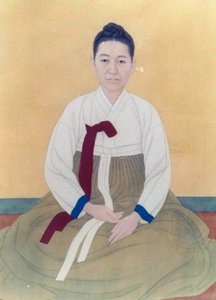
Shin Saimdang
1504 - 1551 , Corea del Sur
Datos clave
- Artistic Movement Or Style: Joseon Dynasty Art
- Artists Who Influenced This Artist: ['An Gyeon']
- Date Of Birth: October 29, 1504
- Date Of Death: 1551
- Full Name: Shin Saimdang
- Nationality: Korean
- Notable Artworks: ['Grass and Insects']
- Place Of Birth: Gangneung, South Korea
Artículos relacionados
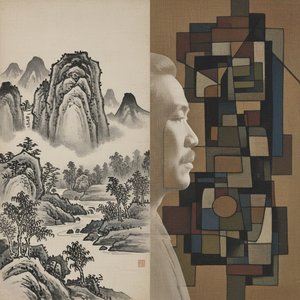
Yi Eungro: Bridging East & West in the Landscape of Korean Modernism
Explore the captivating world of Yi Eungro (Lee Ungno), a pivotal figure in Korean modernism. Discover his unique fusion of Eastern and Western artistic traditions, abstract masterpieces, and lasting legacy. A must-read for discerning art collectors.
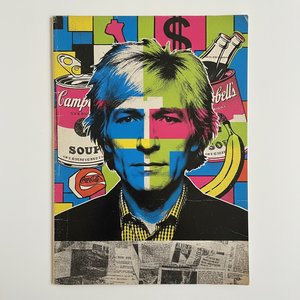
Andy Warhol: Deconstructing Pop Culture & Redefining Artistic Expression
Explore the revolutionary art of Andy Warhol & the Pop Art movement. Discover his iconic techniques, cultural impact, and investment potential. A guide for discerning collectors.

De Instantánea a Iconografía Cinematográfica: Revive tus Recuerdos con Estilización Artística
Transforma tus fotos en obras de arte únicas con ArtsDot.com. Artistas profesionales, calidad excepcional y un proceso transparente. ¡Crea tu legado visual hoy mismo!
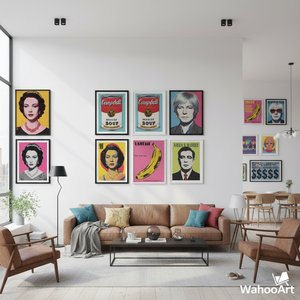
Andy Warhol: Las 25 Obras Maestras que Definieron el Arte Pop | ArtsDot
Descubre las 25 obras maestras de Andy Warhol, ícono del arte pop. Explora la historia detrás de Marilyn Monroe, Campbell's Soup Cans y más. Reproducciones de alta calidad para tu hogar en ArtsDot.com. ¡Inspírate con el arte moderno!
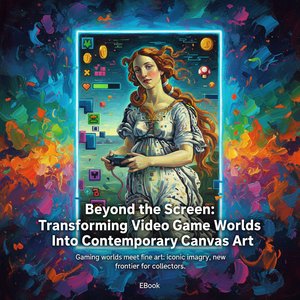
Del Pixel al Lienzo: La Influencia de los Videojuegos en la Nueva Ola del Arte Contemporáneo
Descubre cómo los videojuegos revolucionan el arte contemporáneo. Análisis experto de tendencias, artistas clave y la influencia digital en la pintura actual. ¡Inspírate!