 Vista previa
 Compartir
 Compartir
 Ver detalles

 Descargar
 Ver similares
 Radiografía
 Presentación de diapositivas
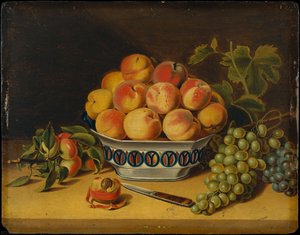
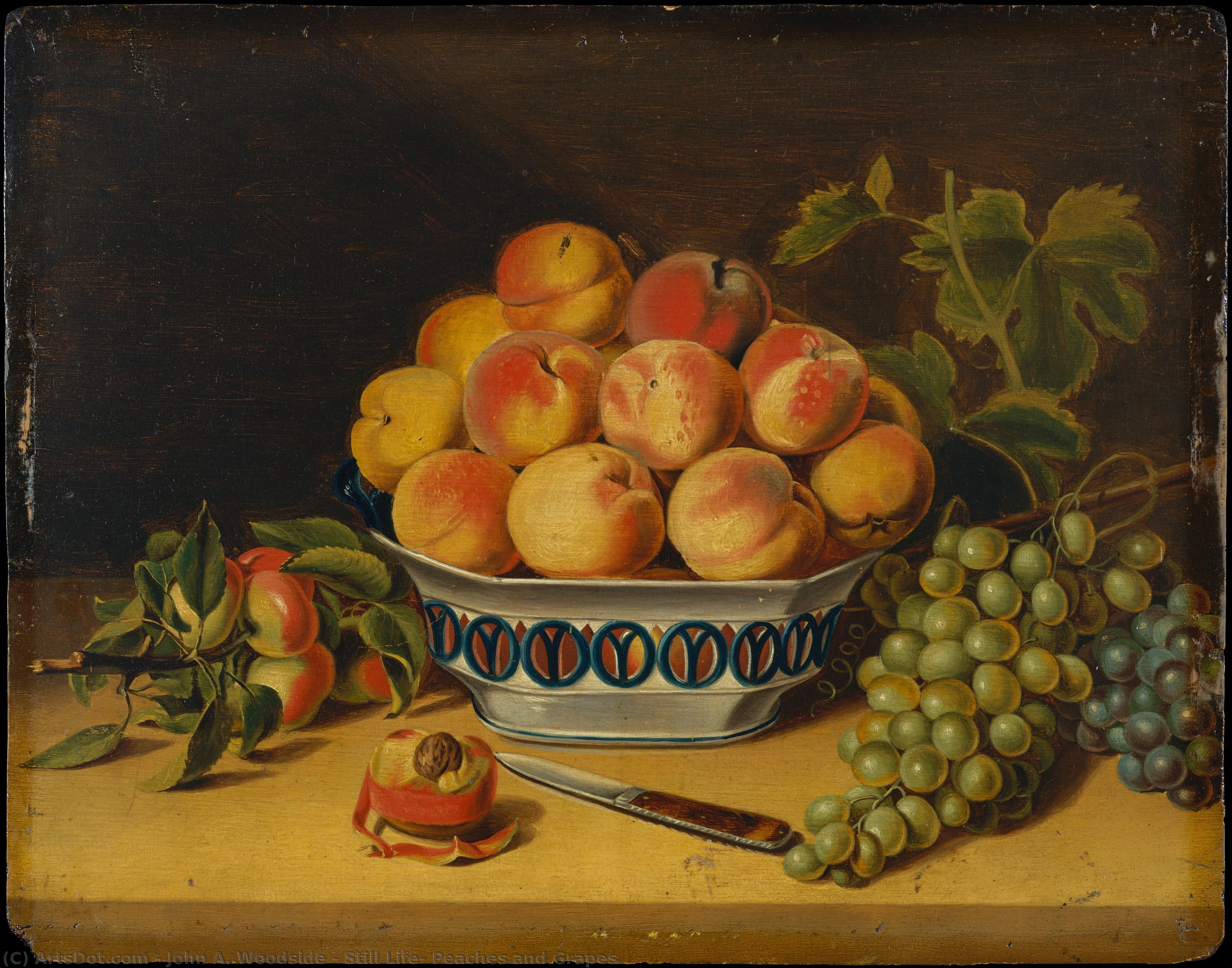
Naturaleza muerta: melocotones y uvas
 Acrílico sobre lienzo
- Arte de pared
- Paisaje Romántico
 1825
1825- Siglo XIX
 25.0 x 31.0 cm
 Museo Metropolitano de Arte
 Leer más
Reproducción al óleo hecha a mano
Óleo sobre lienzo pintado a mano en el tamaño y marco de su elección, realizado por encargo por nuestros artistas. ( Pedir impresión Comprar descarga)




P118B $10

P118H $10

P118W $10

P438Z $10

P508JH $12

P508YH $12

P805H $10

P805Z $10

P919BZ $10

P919G $10

P919XJ $10

P959ZH $10

P968JZ $12

W106C $8

W218G $10

W218JH $8

W218Y $10

W307PJ $10

W316G $10

W316PJ $8

W316Y $10

W398PJ $8

W4111J $10

W500HY $15

W500JH $15

W692G $12

W849H $8

W940BG $15

W953PJ $8




Elija entre nuestros tamaños predefinidos que respetan las proporciones originales de la obra.

Puede ingresar sus propias dimensiones para adaptarse a un marco o espacio específico. Si el tamaño seleccionado no coincide con las proporciones de la imagen original, recortaremos la obra o extenderemos la pintura con elementos adicionales pintados a mano. Se le enviará una maqueta digital para su aprobación antes de comenzar la producción.
Tenga en cuenta que la vista previa en pantalla no refleja el recorte o la extensión reales. Solo la maqueta mostrará con precisión la composición final.
Si bien existen tamaños personalizados, recomendamos seleccionar una dimensión de la lista predefinida para preservar las proporciones originales.
Tras realizar el pedido, el equipo de ArtsDot.com enviará un correo electrónico al cliente para solicitar instrucciones y proporcionarle una vista previa del boceto.
Envío a todo el mundo () en 3-4 semanas en lugar de las 5 semanas estándar. (22 agosto). Sin comprometer la calidad.

Envío exprés gratuito a todo el mundo

Lienzo de lino de alta calidad

Seguro de envío completo

Garantía de reembolso de aranceles aduaneros

Garantía de fidelidad cromática exacta

Política de devolución de 60 días (solo por defectos)

Garantía de devolución del 100% del dinero

Oferta por volumen
 La opción de vidrio solo está disponible en tamaños inferiores a 110 cm.

Naturaleza muerta: melocotones y uvas
Técnica de reproducción
Tamaño de la reproducción
-


Precio total
$ 263
Descripción de la obra
A Symphony of Stillness: The Philadelphia Legacy of John Archibald Woodside
In the quiet corners of the early nineteenth century, amidst the burgeoning artistic energy of Philadelphia, there existed a profound devotion to the beauty of the mundane. John Archibald Wood and his masterpiece, Still Life: Peaches and Grapes (1825), serve as a breathtaking window into this era of meticulous observation. This painting is not merely a depiction of fruit; it is a carefully orchestrated sensory experience that invites the viewer to pause and find transcendence in the simple textures of nature. The composition, featuring a tender arrangement of peaches and grapes nestled within a bowl, is balanced by the casual presence of apples and delicate leaves scattered across a table, creating a sense of organic harmony that feels both spontaneous and deeply intentional.
The emotional resonance of this work lies in its ability to evoke a sense of quiet contemplation. There is a stillness here that transcends time, offering a sanctuary of peace for the modern observer. For the discerning collector or interior designer, this piece provides an anchor of classical elegance. Its presence in a room does not demand attention through loud colors or chaotic movement; instead, it commands respect through its subtle grace and the way it captures the fleeting ripeness of life. It is a work that breathes with a soft, luminous energy, making it an ideal centerpiece for spaces designed for reflection, study, or sophisticated relaxation.
Mastery of Light and the Peale Influence
To understand the technical brilliance of Woodside’s work, one must look to his formative years in the workshops of Philadelphia. Trained under the legendary sign painter Matthew Pratt, Woodside brought a decorator's precision to the fine art of oil painting. This background is evident in his masterful use of glazing techniques, which allow light to penetrate the layers of paint, creating a translucent effect that mimics the actual skin of a ripe peach or the juicy translucency of a grape. The palette is intentionally restrained, leaning into muted browns, ochres, and deep earth tones—a stylistic nod to the prestigious Peale family tradition that dominated the Philadelphia art scene.
This restraint serves a greater purpose: it directs the eye toward the interplay of light and shadow. Woodside utilizes highlights not just to define shape, but to convey tactile reality. One can almost feel the velvety fuzz of the peach or the cool, smooth surface of the grapes. This level of detail transforms the canvas from a mere representation into a physical encounter with the subject matter. For those seeking a high-quality reproduction, it is this specific technical depth—the way the light seems to glow from within the fruit—that distinguishes a true masterpiece from a simple imitation.
Symbolism and the Art of the Everyday
Beyond its aesthetic appeal, Still Life: Peaches and Grapes carries a subtle symbolic weight characteristic of the era. In the nineteenth century, still-life compositions often functioned as memento mori or celebrations of abundance. The ripeness of the fruit serves as a poignant reminder of the peak of life and the inevitable passage of time. Yet, Woodside avoids the macabre, opting instead for a celebration of the bountiful harvest and the quiet dignity of the natural world. The arrangement suggests a domestic intimacy, a moment captured in a well-appointed home, connecting the viewer to the historical lineage of American prosperity and artistic pride.
Integrating such a piece into a contemporary interior allows for a beautiful dialogue between history and modernity. Whether placed in a sunlit breakfast nook or a formal dining hall, the painting acts as a bridge to a more deliberate way of living. It encourages an appreciation for the ephemeral beauty found in our daily surroundings, making it much more than a decorative object—it is an invitation to mindfulness and an enduring tribute to the artistry of the American spirit.
Obras relacionadas

Biografía del artista
un pionero de la pintura estadounidense (1781-1852)
john archibald woodside, también conocido como john a. woodside, fue un destacado pintor estadounidense nacido en filadelfia en 1781 y fallecido en 1852. su obra se caracteriza por pinturas narrativas, de animales, bodegones y figuras que han dejado una huella indeleble en el mundo del arte.primeros años y formación
la trayectoria artística de woodside comenzó con su aprendizaje bajo la tutela de matthew pratt, un renombrado rotulista en filadelfia. este conocimiento fundacional sentó las bases para sus futuros esfuerzos en géneros más complejos, incluyendo obras emblemáticas y patrióticas, escenas animales, miniaturas y copias basadas en grabados ingleses.obras notables y contribuciones
entre sus creaciones más memorables se encuentran bodegón: melocotones y uvas (metropolitan museum of art, new york), un testimonio de su habilidad para capturar la esencia de la vida cotidiana, y bodegón: melocotones, manzana y pera (metropolitan museum of art, new york), otro ejemplo de su maestría en las composiciones de naturaleza muerta. estas obras no solo demuestran la destreza técnica de woodside, sino que también ofrecen una mirada a los gustos y preferencias en evolución de la estadounidense de principios del siglo XIX.legado e influencia
- las contribuciones de woodside al arte estadounidense son polifacéticas, reflejando tanto su crecimiento artístico personal como el panorama cultural más amplio de su época.
- sus pinturas narrativas y de figuras, en particular, han sido influyentes en la trayectoria del arte estadounidense, inspirando a futuras generaciones de artistas.
- visite el perfil de john archibald woodside en ArtsDot para explorar más de sus obras y conocer su viaje artístico.
- descubra las copias de calidad de museo de sus pinturas, un testimonio del compromiso de ArtsDot con la preservación del patrimonio artístico.
conclusión
el legado de john archibald woodside es un rico tapiz artístico que no solo refleja los gustos de la estadounidense de principios del siglo XIX, sino que también continúa inspirando a artistas y entusiastas del arte por igual. a través de ArtsDot, su obra se vuelve accesible, ofreciendo una ventana única a la evolución del arte estadounidense.- explore la línea de tiempo de wahoo art para obtener una visión detallada de la historia del arte.
- conozca a otros artistas influyentes y sus contribuciones al mundo del arte en ArtsDot.

John Archibald Woodside
1781 - 1852 , Estados Unidos de América
Datos clave
- Artistic Movement Or Style: Rococó, Romanticismo
- Artists Or Movements Influenced By This Artist: ['William Blake']
- Artists Who Influenced This Artist:
- Miguel Ángel
- arte clásico
- Date Of Birth: 7 de febrero de 1741
- Date Of Death: 16 de abril de 1825
- Full Name: Johann Heinrich Füssli
- Nationality: Suizo
- Notable Artworks:
- La pesadilla
- Retrato de Voltaire
- Place Of Birth: Zúrich, Suiza
Artículos relacionados

John Singer Sargent: Las 25 Obras Maestras del Retrato y la Belle Époque | ArtsDot
Descubre las 25 obras maestras de John Singer Sargent, el maestro del retrato y la Belle Époque. Explora su técnica impresionista, historias fascinantes y encuentra reproducciones de arte exclusivas para decorar tu hogar con elegancia en ArtsDot.com.

John Constable: Las 25 Obras Maestras del Paisaje Inglés | ArtsDot
Descubre las 25 obras maestras de John Constable, el pintor romántico inglés que capturó la belleza del paisaje. Explora su técnica, historia y significado en ArtsDot.com. Reproducciones de arte de alta calidad para tu hogar.
Silent Narratives: Exploring the Enduring Appeal of Still Life Painting Across Centuries
Explore the rich history of still life painting with ArtsDot. Discover Dutch Masters, decode vanitas symbolism & learn about collecting timeless art. Expert insights and museum-quality reproductions.
Clyfford Still's Abstract Expressionism: A Study of Color, Form & the Existential Landscape
Explore the profound world of Clyfford Still's Abstract Expressionism with ArtsDot. Discover his unique style, existential themes & investment potential. Expert analysis for discerning collectors.
De la Naturaleza Muerta Clásica a la Abstracción Contemporánea: Elevando los Espacios de Entretenimiento en Villas a Través de Reproducciones Artísticas
Descubre la evolución del bodegón y cómo integrar reproducciones artísticas de alta calidad en tu villa. Expertos en arte, selección exclusiva y asesoramiento personalizado.