

 Ver en contexto
 Enviar
 Compartir
 Detalles

 Descargar
 Similares
 Radiografía
 Presentación de diapositivas
 Estadísticas
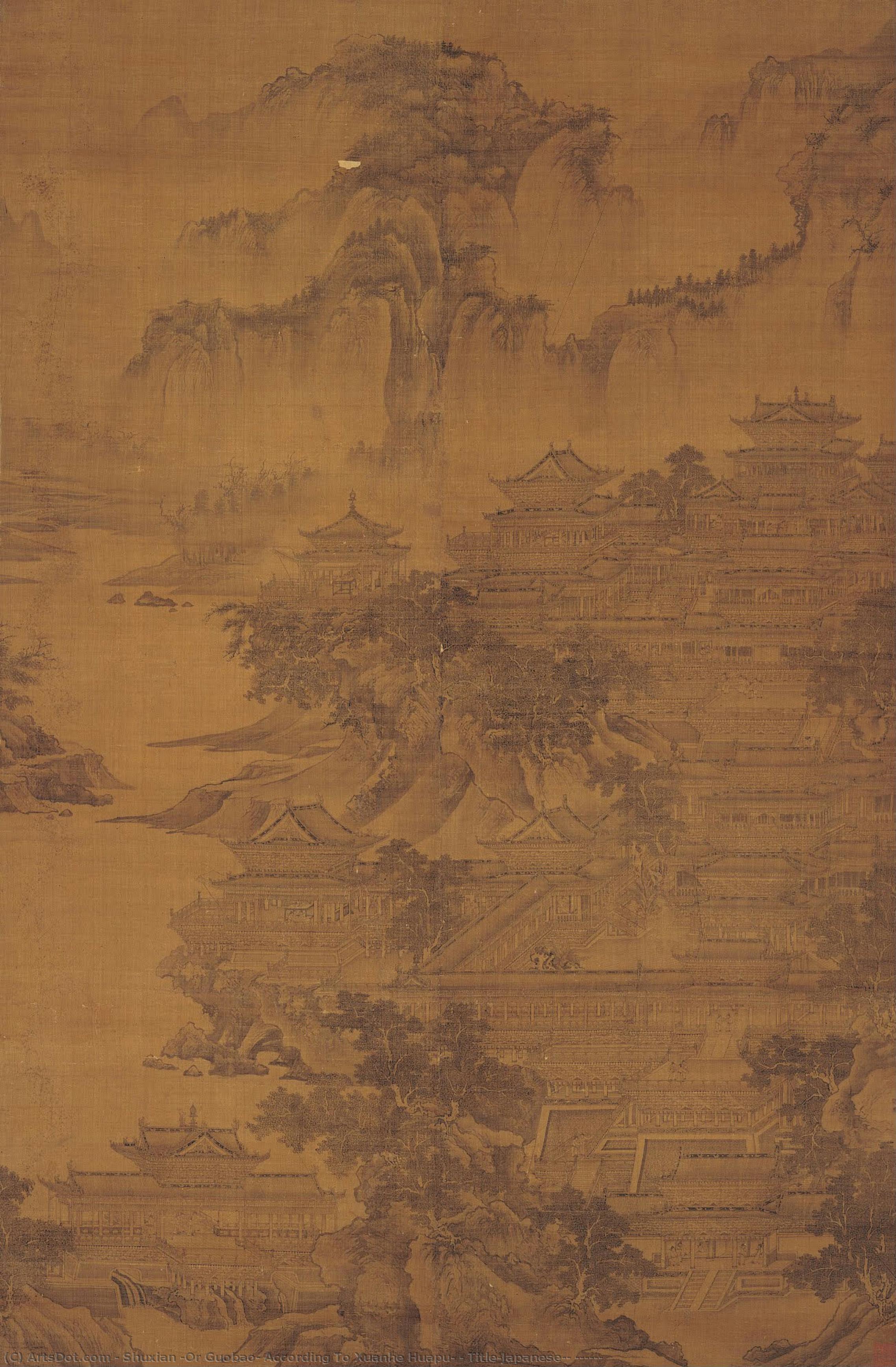
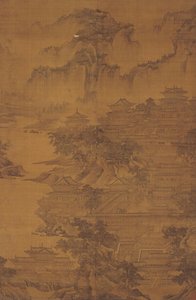
Title(Japanese): 明皇避暑宮図
 Ink
Ink- WallArt
 900
900- High Medieval
 106.0cm x 162.0cm
 Osaka City Museum of Fine Arts
 Ver más
Adquiera una imagen digital de alta resolución y optimizada, muy superior a la vista previa en línea.
Cada archivo es preparado meticulosamente por nuestros especialistas internos mediante el uso de herramientas avanzadas y un experto retoque manual. Nos aseguramos de que cada imagen posea una claridad excepcional, una precisión cromática impecable y un detalle minucioso.
El archivo final se entrega por correo electrónico en un plazo de 72 horas, optimizado para su uso inmediato en entornos profesionales, editoriales y de impresión. Esta es la misma calidad en la que confían los estudios de diseño, las editoriales y las galerías de primer nivel.
Imagen Digital
Descarga un archivo de alta resolución para exhibición personal, impresión y proyectos creativos. ( Cambiar a Impresión Comprar pintura hecha a mano)
Incluido en cada pedido de imágenes digitales
Entrega digital experta, garantizada.
Al elegir ArtsDot.com, no solo está adquiriendo una imagen; está recibiendo una obra de arte digital mejorada profesionalmente, elaborada con precisión y respaldada por una garantía de satisfacción. Esto es todo lo que incluye su pedido, automáticamente:

Entrega rápida por email
Recibirá su archivo de imagen digital en alta resolución por correo electrónico en un plazo de 72 horas tras realizar su pedido, listo para su uso inmediato.

Archivo digital optimizado por IA
Su obra de arte se optimiza profesionalmente mediante herramientas avanzadas de IA y edición manual, garantizando el máximo detalle, claridad y precisión cromática.

Reenvío gratuito de por vida
¿Has borrado o perdido tu archivo por error? No te preocupes: te lo volveremos a enviar en cualquier momento, sin coste adicional.

Sin gastos de importación, siempre
Disfrute de su obra de arte al instante sin aduanas, aranceles ni gastos de envío; las descargas digitales siempre están libres de impuestos.

Garantía de fidelidad de color
Garantizamos que su imagen digital refleje los colores originales con la mayor fidelidad posible, mediante el uso de herramientas profesionales y gestión del color.

Garantía de satisfacción de 100 días
Si no está satisfecho con su imagen digital, la revisaremos o le reembolsaremos el 100% en un plazo de 100 días, sin preguntas.

100% Garantía de devolución de dinero
¿No está satisfecho? Obtenga un reembolso completo dentro de los 100 días posteriores a la recepción de su archivo digital, sin preguntas.

Descuentos por pedidos grandes
Compra 3 imágenes, ahorra 10% - Compra 5, ahorra 15% - Compra 10+, ahorra 20%. Ideal para proyectos creativos, galerías y agencias.
A Vision of Imperial Serenity
In the delicate interplay of ink and silk, the painting Title(Japanese): 明皇避暑宮図 invites the viewer into a world of profound tranquility and imperial grandeur. This exquisite masterpiece captures a moment of respite within the summer palace of Emperor Xuanzong, a sanctuary designed to offer escape from the sweltering heat of the season. Through the masterful hand of Shuxian (also known as Guobao), the canvas unfolds as a sprawling narrative of nature’s majesty and human grace. The scene is anchored by a breathtaking landscape where towering, mist-shrouded mountains meet the gentle ripples of a foreground lake. As one’s gaze wanders across the water, several boats drift peacefully, carrying figures who appear to be lost in the quiet contemplation of their surroundings. It is a composition that breathes with life, capturing the harmonious coexistence between the structured elegance of man-made architecture and the untamed glory of the natural world.
The technical brilliance of this work lies in its meticulous attention to detail, a hallmark of the early Northern Song dynasty style. The artist employs a precise, almost architectural approach to rendering the palace buildings, utilizing fine lines that suggest the use of measuring tools to achieve perfect proportion and structural integrity. This precision is balanced by a more fluid, organic technique used for the landscape elements; the trees are rendered with soulful vitality, while the distant peaks feature subtle texture strokes that evoke the ruggedness of ancient stone. While some scholars suggest that the fine details may have been softened through later Yuan dynasty copies, the enduring essence of the original remains intact, offering a rhythmic movement between the sharp clarity of the structures and the ethereal softness of the mountain mists.
Historical Resonance and Aesthetic Splendor
To behold this painting is to step back into a period of significant cultural transition in China. Created during an era marked by political shifts, the work embodies the Neo-Confucian ideals of harmony and balance that began to take root during the Five Dynasties and Song periods. The subject matter—the Emperor seeking refuge in nature—serves as a powerful symbol of the search for stability amidst chaos. The palace is not merely a building but a metaphor for an ordered universe, sheltered by the protective embrace of the mountains and nourished by the flowing waters. For the discerning collector or interior designer, this piece offers more than just visual beauty; it provides a window into a philosophical era where art served as a bridge between the earthly realm and the spiritual sublime.
Integrating a high-quality reproduction of this work into a contemporary space brings an atmosphere of timeless sophistication and meditative calm. The expansive scale and the delicate palette of earth tones and ink washes make it a versatile centerpiece for any curated collection. Whether placed in a formal study to inspire intellectual focus or in a serene living area to promote relaxation, the painting’s emotional impact is undeniable. It commands attention through its intricate storytelling and rewards deep observation with its layers of historical depth and technical mastery. Owning such a piece is an invitation to preserve the legacy of Shuxian and to surround oneself with the enduring elegance of classical Chinese landscape tradition.
Obras relacionadas
Biografía del artista
A Master of Landscape Painting in Turbulent Times
Guo Zhongshu, known by the courtesy name Shuxian (or Guobao, as recorded in the Xuanhe Huapu), remains a singular and luminous figure within the complex artistic tapestry of the Five Dynasties and Song dynasties. Born in Luoyang around 929 AD, his life unfolded during an era defined by profound political fragmentation and cultural upheaval. Yet, amidst this landscape of instability, Shuxian achieved a level of artistic serenity that would define a generation. His work serves as a bridge between the fading grandeur of the Tang Dynasty and the emerging, more introspective aesthetic of the Song period—a transition marked by a shift toward Neo-Confucian ideals of restraint, harmony, and deep philosophical contemplation.
The foundations of Shuxian’s mastery were laid in his early scholarly pursuits. Immersed in the rigorous study of Confucian classics and the disciplined practice of calligraphy, he developed an eye for meticulous detail and a hand capable of extraordinary grace. His lineage, connected to prominent officials, provided him with the intellectual resources necessary to cultivate a vision that was as much about spiritual depth as it and visual beauty. This scholarly background allowed him to infuse his landscapes with a sense of literati elegance, where every brushstroke carried the weight of classical wisdom and every mountain peak whispered of ancient truths.
The Essence of the Xuanhe Huapu Style
Shuxian’s artistic breakthrough is most notably associated with the Xuanhe Huapu style, a method that prioritized the capture of atmospheric essence over mere photographic realism. During the Xuanhe reign, he embraced a technique characterized by subtle tonal variations and the meticulous layering of ink washes. This approach allowed him to evoke the ephemeral qualities of nature—the dampness of a morning mist, the shifting light through forest canopies, and the heavy stillness of mountain air. By focusing on these atmospheric conditions, Shuxian could convey profound emotions, inviting the viewer to experience the landscape not just as a sight, but as a felt presence.
His technical brilliance is perhaps most evident in his architectural depictions, where he achieved a breathtaking balance between structural precision and organic fluidity. In masterpieces such as Title(Japanese): 明皇避暑宮図, one observes a remarkable command of line. He utilized fine, almost architectural strokes to render the summer palace of Emperor Xuanzong with perfect proportion and integrity. However, this rigidity is never overwhelming; it is softened by the soulful vitality of the surrounding trees and the ethereal, mist-shrouded mountains that meet the gentle ripples of foreground lakes. This interplay between the man-made and the natural world reflects a harmonious coexistence that was central to the era's philosophical aspirations.
Legacy and Historical Significance
The enduring legacy of Shuxian lies in his ability to find stillness within chaos. While his contemporaries often grappled with the literal turbulence of their political reality, Shuxian’s oeuvre offered a sanctuary of peace. His influence can be traced through the development of the Northern Song landscape tradition, where the emphasis on shanshui (mountain-water) painting became a vehicle for spiritual exploration. Through his signature use of ink washes and his ability to imbue nature with human emotion, he helped establish a visual language that would resonate throughout Chinese art history for centuries.
To study the works attributed to Shuxian is to engage in a dialogue with the past. Whether observing the delicate interplay of light in his landscapes or the structural elegance of his architectural scenes, one encounters an artist who sought to capture the eternal within the transient. His life and art stand as a testament to the power of creativity to transcend the boundaries of time and political strife, leaving behind a world of profound tranquility and unmatched aesthetic splendor.
Breves datos
- Artistic Movement Or Style: Literati Painting Style
- Artists Or Movements Influenced By This Artist: ['Eight Eccentrics of Yangzhou']
- Artists Who Influenced This Artist: ['Li Shan']
- Date Of Birth: c. 929
- Date Of Death: 977
- Full Name: Guo Zhongshu
- Nationality: Chinese
- Notable Artworks:
- Autumn Plants and Insects
- Title(Japanese): 明皇避暑宮図
- Place Of Birth: Luoyang, China