periodo
movimiento
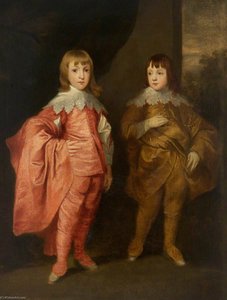
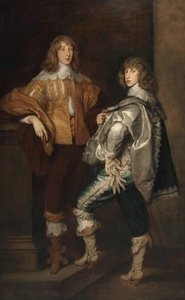
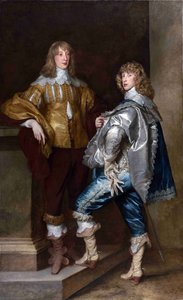
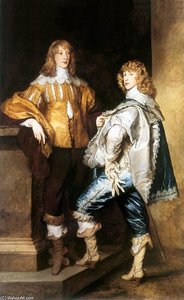
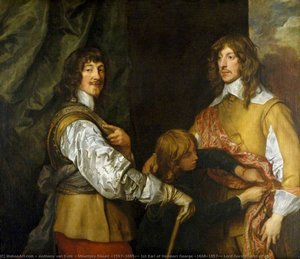
- Lord John Stuart y su hermano, Lord Bernard Stuart
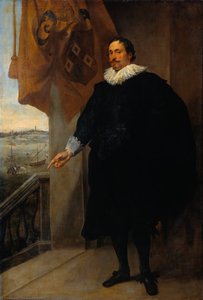
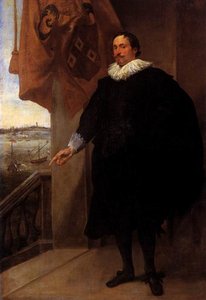
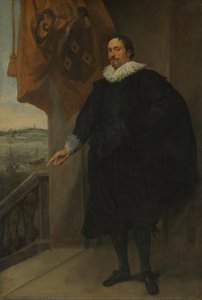
- Retrato de Nicolaes van der Borght
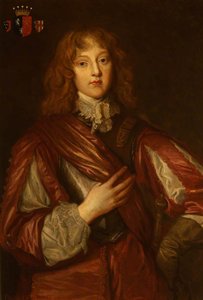
- Philip Herbert (d.1669), 5th Earl of Pembroke (after Anthony van Dyck)
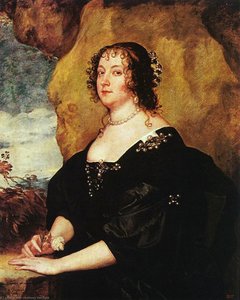
- Diana Cecil, Countess of Oxford
- Portrait of a Nobleman, possibly Adriaan van der Borcht, Anthony van Dyck, 1634 - c. 1635
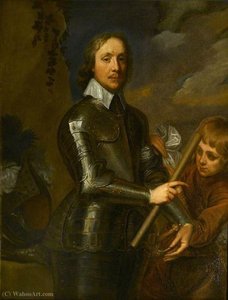
- Wearing Armour, with his Page
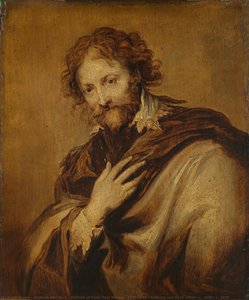
- Portrait of Peter Paul Rubens (1577-1640), Anthony van Dyck (after), c. 1630 - c. 1650
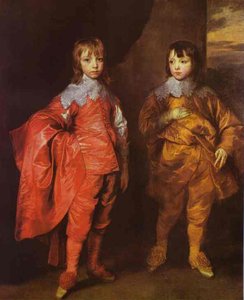
- George Villiers, 2nd Duke of Buckingham and His Brother Lord Francis Villiers
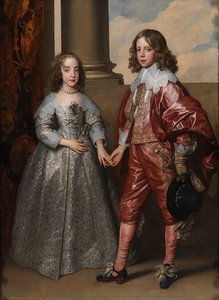
- William II, Prince of Orange, and his Bride, Mary Stuart, Anthony van Dyck, 1641
- Mountjoy Blount (1597–1665), 1.er conde de Newport George (1608–1657), Lord Goring y un paje
vibra
palabras clave
color principal
- Mountjoy Blount (1597–1665), 1.er conde de Newport George (1608–1657), Lord Goring y un paje
- Wearing Armour, with his Page
- Portrait of a Nobleman, possibly Adriaan van der Borcht, Anthony van Dyck, 1634 - c. 1635
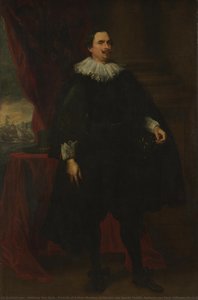
- Portrait of a Male Member of the Van der Borcht Family, Anthony van Dyck (follower of), c. 1635
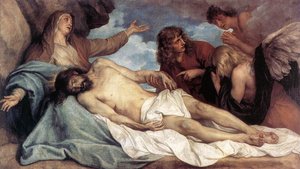
- La Lamentación de Cristo
- Philip Herbert (d.1669), 5th Earl of Pembroke (after Anthony van Dyck)
- Portrait of Isabella van Assche
- Nicolaes van der Borght, Merchant of Antwerp
- George Villiers (1628–1687), 2nd Duke of Buckingham, and His Brother, Francis Villiers (1629–1648) (copy after Anthony van Dyck)
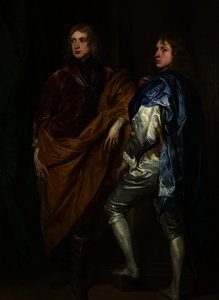
- Portraits of Two Young Englishmen
- Retrato de Nicolaes van der Borght
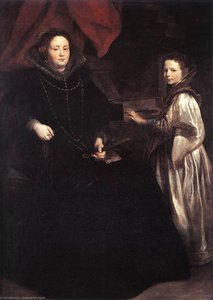
- Portrait of Porzia Imperiale and Her Daughter
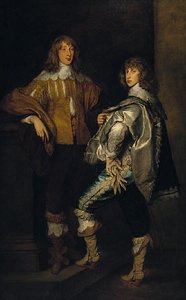
- Lords John and Bernard Stuart (copy after Anthony Van Dyke)
- George Villiers, 2nd Duke of Buckingham and His Brother Lord Francis Villiers
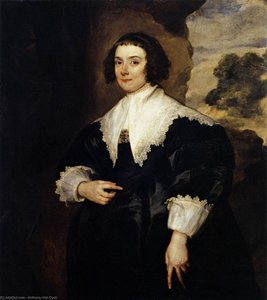
- Diana Cecil, Countess of Oxford
- Lords John and Bernard Stuart
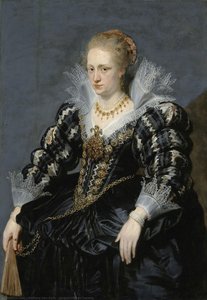
- Jacqueline van Caestre
- William II, Prince of Orange, and his Bride, Mary Stuart, Anthony van Dyck, 1641
- Lord John Stuart y su hermano, Lord Bernard Stuart
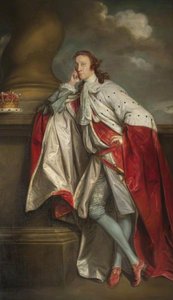
- James Maitland (1718–1789), 7th Earl of Lauderdale (after Joshua Reynolds)
- Portrait of Peter Paul Rubens (1577-1640), Anthony van Dyck (after), c. 1630 - c. 1650