 Preview
 Send
Send Share
Share
 Details

 Download
 Similars
 X-Ray
X-Ray Diaporama
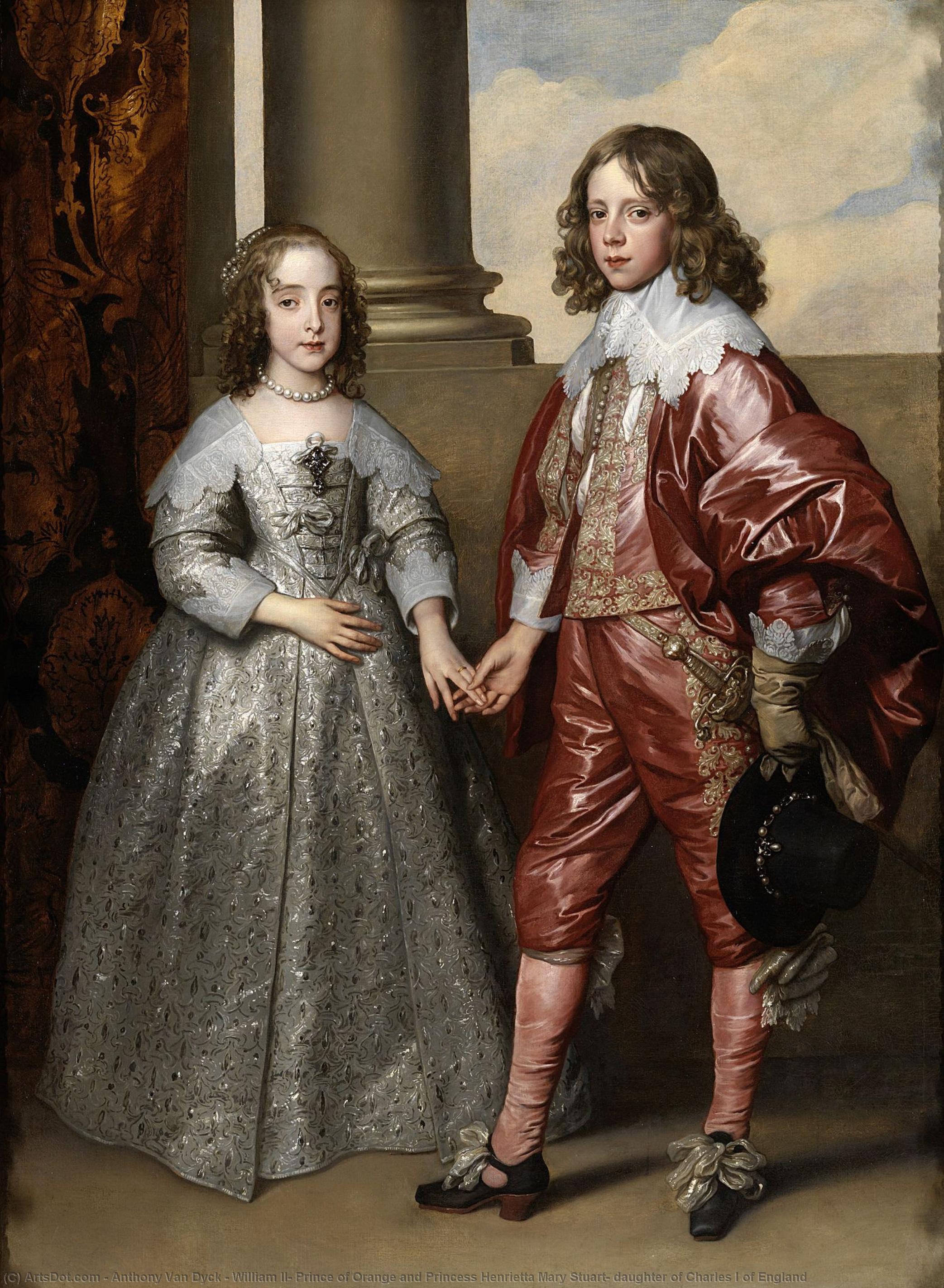
William II, Prince of Orange and Princess Henrietta Mary Stuart, daughter of Charles I of England
 Oil On Canvas
- WallArt
- Baroque Portraiture
 1641
1641 182.0 x 142.0 cm
 Read More
Hand Made Oil Reproduction
Hand-painted oil on canvas in your size and frame, made to order by our artists. ( Buy Print Buy Image)




P118B $10

P118H $10

P118W $10

P438Z $10

P508JH $12

P508YH $12

P805H $10

P805Z $10

P919BZ $10

P919G $10

P919XJ $10

P959ZH $10

P968JZ $12

W106C $8

W218G $10

W218JH $8

W218Y $10

W307PJ $10

W316G $10

W316PJ $8

W316Y $10

W398PJ $8

W4111J $10

W500HY $15

W500JH $15

W692G $12

W849H $8

W940BG $15

W953PJ $8




Pick from our preset sizes that match the artwork's original proportions.

You may enter your own dimensions to fit a specific frame or space. If your selected size does not match the original image's proportions, we will either crop the artwork or extend the painting with additional hand-painted elements. A digital mockup will be sent for your approval before production begins.
Please note that the on-screen preview does not reflect the actual cropping or extension. Only the mockup will accurately show the final composition.
While custom sizes are available, we recommend selecting a dimension from the predefined list to preserve the original proportions.
After order, ArtsDot.com team will email client for instructions and provide a mockup preview
Worldwide Delivery () in 3/4 weeks instead of standard 5 weeks. (17 August). No compromise on quality.

Free Worldwide Express Shipping

High-Quality Linen Canvas

Full Shipping Insurance

Customs Tax Refund Guarantee

True Color Matching Guarantee

60-Day Return Policy (Defects Only)

100% Money-Back Guarantee

Bulk Discount Offer
 Glass option is only available in size under 110 CM

William II, Prince of Orange and Princess Henrietta Mary Stuart, daughter of Charles I of England
Reproduction Medium
Reproduction Size
-


Total Price
$ 263
Artwork Description
A Portrait of Royal Promise: William II and Henrietta Maria by Sir Anthony van Dyck
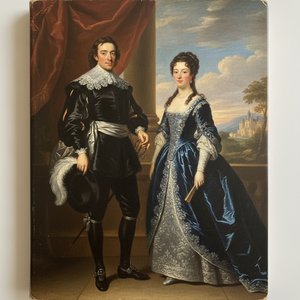
This exquisite portrait, dating from 1641 and measuring 182 x 142 cm, offers a rare glimpse into the lives of two young figures poised at the cusp of European power. Painted by the masterful Sir Anthony van Dyck during his most productive years, it represents William II, Prince of Orange, and Princess Henrietta Maria Stuart – daughter of Charles I of England. The scene captures an intimate moment between them, hands clasped in a gesture of affection and connection, set against a backdrop that speaks volumes about the era’s artistic sensibilities.
The Artist's Hand: Van Dyck's Baroque Style
- Baroque Elegance: Van Dyck was a key figure in the development of Baroque portraiture, characterized by its dramatic lighting, rich textures, and emphasis on psychological realism. This painting exemplifies these qualities perfectly.
- Compositional Mastery: Note the carefully constructed arrangement – the figures are positioned to draw the eye directly to their clasped hands, creating a focal point that immediately establishes an emotional connection. The use of columns and a wall provides depth and structure, preventing the composition from feeling flat or overly intimate.
- Technique - Oil on Panel: Executed in oil paint on a wooden panel, Van Dyck’s technique is renowned for its smooth blending, subtle gradations of tone, and luminous effects. The way he captures the light reflecting off the fabrics – the red jacket and white gown – demonstrates his exceptional skill in rendering texture and form.
Symbolism and Context: A Stuart Dynasty Portrait
Painted shortly after the birth of William II, this portrait is more than just a likeness; it’s a statement about the future of the House of Orange. Henrietta Maria, a Catholic princess married to William, represented a crucial diplomatic alliance between England and France – a strategic move designed to secure stability amidst religious tensions. The clothing itself offers clues: the Prince's red jacket symbolizes power and nobility, while the Princess’s white gown represents purity and virtue. The backdrop, reminiscent of classical architecture, subtly alludes to the Stuart dynasty’s ambition to emulate the grandeur of Roman emperors.
Emotional Resonance: Intimacy and Hope
Van Dyck's ability to capture emotion is particularly evident in this portrait. The direct gaze between William and Henrietta Maria, coupled with their clasped hands, conveys a sense of mutual affection and shared destiny. It’s a moment frozen in time – a promise of future alliances, a symbol of hope for the stability of the Netherlands, and a testament to the enduring power of human connection. This reproduction allows you to experience this emotional depth firsthand.
Related Artworks
Artist Biography
A Flemish Master at the Courts of Europe
Sir Anthony van Dyck, born in Antwerp in 1599, emerged as one of the most celebrated and influential portraitists of the Baroque era. His life, though tragically cut short at just forty-two years old, was a whirlwind of artistic exploration and prestigious commissions that took him from his native Flanders to Italy and ultimately to the heart of the English court. From an early age, van Dyck displayed remarkable talent, entering Hendrick van Balen’s workshop as a young apprentice and quickly absorbing the prevailing styles of the time. However, it was his association with Peter Paul Rubens – not merely as a student but as a collaborator – that truly shaped his artistic foundation. He learned from Rubens' dynamic compositions, rich color palettes, and masterful handling of light and shadow, yet van Dyck soon began to forge his own distinct path, one characterized by an elegance and refinement that would become his signature.Italian Sojourns and the Birth of a Style
The years van Dyck spent in Italy, beginning around 1621, proved pivotal in his artistic development. He resided primarily in Genoa, where he found favor among the city’s aristocratic families. It was here that he began to cultivate the sophisticated style for which he would become renowned – a style marked by graceful poses, luxurious fabrics, and an almost palpable sense of nobility. Unlike the robust energy often found in Rubens' work, van Dyck’s Italian portraits exude a refined composure, capturing not just physical likeness but also the inner character and social standing of his sitters. During this period, he also embarked on his *Iconography*, a series of meticulously rendered portrait etchings featuring prominent figures of his time – artists, scholars, and rulers alike. This project showcased his exceptional technical skill and established him as a leading printmaker. These etchings weren’t simply records; they were carefully constructed images designed to immortalize the subjects and convey their status and intellect.The King's Painter: Van Dyck in England
In 1632, van Dyck received an invitation that would forever alter his career trajectory – a summons from Charles I of England to become the court painter. This appointment marked a turning point, not only for van Dyck but also for English portraiture. He arrived in London with a considerable reputation and quickly became indispensable to the king, tasked with creating images that projected an aura of power, majesty, and divine right. Van Dyck’s portraits of Charles I are particularly noteworthy; he moved away from the stiff, formal representations favored by earlier artists, instead portraying the king as a dynamic, charismatic leader. He employed innovative techniques – dramatic lighting, sweeping gestures, and carefully chosen backgrounds – to create images that were both visually stunning and politically charged. His influence extended beyond the royal family, shaping the visual culture of the English aristocracy for generations to come. He didn’t just paint portraits; he crafted an image of kingship, influencing how royalty was perceived for over a century.Legacy and Enduring Influence
Van Dyck's untimely death in 1641 robbed the art world of a prodigious talent, but his legacy endures to this day. His impact on English portraiture is immeasurable; he established a standard of elegance and sophistication that subsequent artists would strive to emulate.- Technical Innovation: He was a master of both oil painting and etching, constantly experimenting with new techniques.
- Stylistic Refinement: His portraits are characterized by their graceful poses, luxurious fabrics, and subtle psychological insights.
- Courtly Influence: He transformed the image of the English monarchy, creating a visual language of power and prestige.
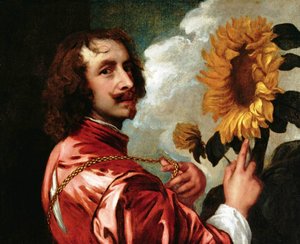
Sir Anthony van Dyck
1599 - 1641 , Belgium
Quick Facts
- Artistic Movement Or Style: Baroque
- Artists Or Movements Influenced By This Artist: ['English portrait painting']
- Artists Who Influenced This Artist: ['Peter Paul Rubens']
- Date Of Birth: March 22, 1599
- Date Of Death: December 9, 1641
- Full Name: Sir Anthony van Dyck
- Nationality: Flemish
- Notable Artworks:
- Portrait of a woman and child
- Equestrian portrait of Charles I
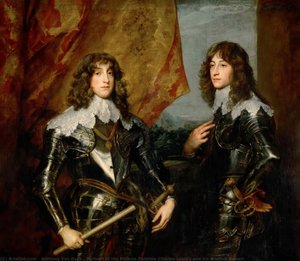
- Lord John Stuart & brother
- Charity
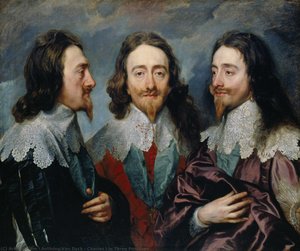
- Charles I in Three Positions
- Rinaldo and Armida
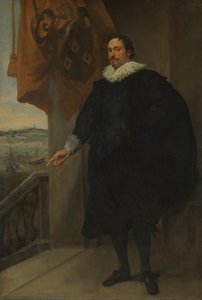
- Portrait of Nicolaes van der Borght
- Place Of Birth: Antwerp, Belgium
Related Articles
Van Gogh's Masterpieces: Explore 25 Iconic Paintings & Art for Your Home
Journey through Vincent van Gogh's 25 most iconic paintings! Explore 'Starry Night', 'Sunflowers,' and more—discover the stories, techniques & emotions behind these Post-Impressionist masterpieces. Find museum-quality art reproductions for your home at ArtsDot.com.

Rembrandt's Masterpieces: Explore 25 Iconic Paintings & Prints | ArtsDot
Journey through Rembrandt van Rijn's 25 most iconic paintings & etchings. Explore Dutch Golden Age masterpieces, dramatic chiaroscuro, and timeless portraits. Find museum-quality art reproductions to elevate your home decor on ArtsDot.com.
Sir Anthony van Dyck: Courtly Portraiture & the Shaping of Baroque Identity
Explore the life & legacy of Sir Anthony van Dyck, the leading court painter of his era. Discover his innovative portraiture, Baroque masterpieces, and investment potential for discerning collectors. Learn more at ArtsDot.

Giclée Prints: Archival Quality & Aesthetic Nuances for the Discerning Collector
Explore the world of giclée prints with ArtsDot. Learn about archival quality, aesthetic nuances & investment potential. Expert guidance for discerning art collectors seeking museum-quality reproductions and lasting value.

The Enduring Legacy of Fine Art Prints: Technique, History & Aesthetic Impact
Explore the rich history & techniques of fine art prints. Discover investment potential, assess authenticity, and learn how to preserve your collection with expert guidance. Trusted insights for discerning collectors.