

 Ver en contexto
 Enviar
 Compartir
 Detalles

 Descargar
 Similares
 Radiografía
 Presentación de diapositivas
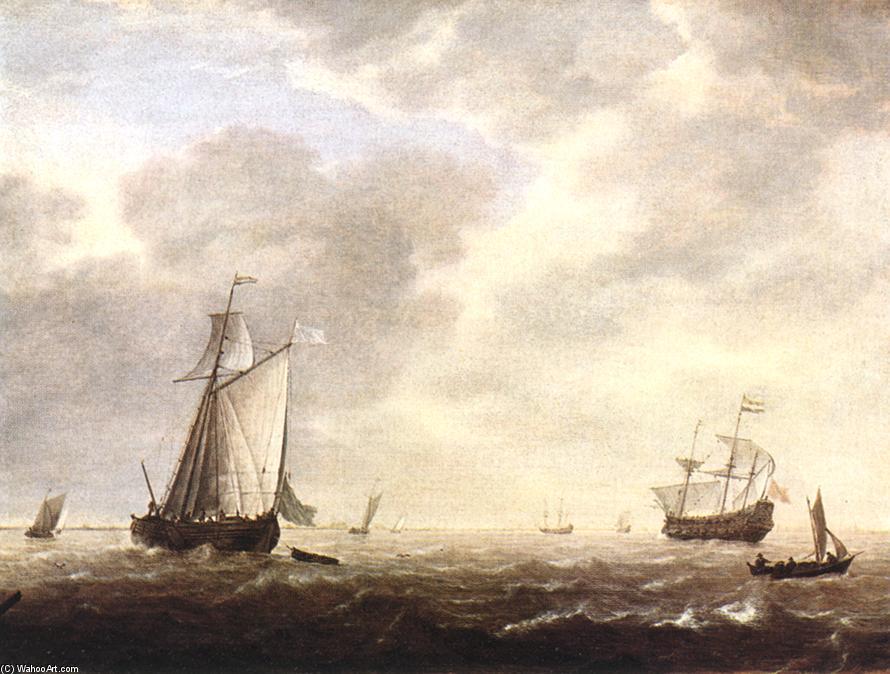
A Dutch Man-of-War and Various Vessels in a Breeze
 Acrylic On Canvas
- WallArt
- Dutch Marine Painting
 1642
1642 41.0 x 55.0 cm
 Galería Nacional
 Ver más
Giclée / Impresión de arte
Impresiones giclée o en lienzo de calidad de museo con producción rápida y opciones de acabado flexibles. ( Comprar pintura hecha a mano Comprar imagen)




P118B $10

P118H $10

P118W $10

P438Z $10

P508JH $12

P508YH $12

P805H $10

P805Z $10

P919BZ $10

P919G $10

P919XJ $10

P959ZH $10

P968JZ $12

W106C $8

W218G $10

W218JH $8

W218Y $10

W307PJ $10

W316G $10

W316PJ $8

W316Y $10

W398PJ $8

W4111J $10

W500HY $15

W500JH $15

W692G $12

W849H $8

W940BG $15

W953PJ $8




Elija entre nuestros tamaños predefinidos que respetan las proporciones originales de la obra.

Puede introducir sus propias dimensiones para adaptarse a un marco o espacio específico. Si el tamaño seleccionado no coincide con las proporciones de la imagen original, recortaremos la obra de arte o extenderemos la imagen con un borde con efecto espejo o de color sólido. Se enviará una maqueta digital para su aprobación antes de que comience la producción.
Tenga en cuenta que la vista previa en pantalla no refleja el recorte o la extensión real. Solo la maqueta mostrará con precisión la composición final.
Aunque existen tamaños personalizados, recomendamos seleccionar una dimensión de la lista predefinida para preservar las proporciones originales.
Envío a todo el mundo () en 2 semanas en lugar de las 4/5 semanas estándar. (27 agosto)

Envío exprés gratuito a todo el mundo

Lienzo de lino de alta calidad

Seguro de envío total

Garantía de reembolso de impuestos aduaneros

Garantía de fidelidad cromática exacta

Política de devolución de 60 días (solo por defectos)

Garantía de devolución del 100% del dinero

Descuento por cantidad
 La opción de vidrio solo está disponible en tamaños inferiores a 110 cm.

A Dutch Man-of-War and Various Vessels in a Breeze
Giclée / Impresión de arte
Dimensiones de la reproducción
-


Precio total final
$ 62
The Tempestuous Majesty of the Sea: Simon de Vlieger’s “A Dutch Man-of-War”
Simon de Vlieger's "A Dutch Man-of-War and Various Vessels in a Breeze," painted in 1642, isn’t merely a depiction of ships at sea; it’s a visceral experience of the ocean’s raw power. This remarkable work transcends simple maritime record to become a profound meditation on human vulnerability against the immensity of nature. De Vlieger, a pivotal figure in the transition from the monochrome seascapes of Jan Porcellis and Willem van de Velde the Elder to a more vibrant and nuanced approach, masterfully captures the drama of a storm brewing over the North Sea. The painting immediately commands attention with its dynamic composition – a chaotic ballet of billowing sails, churning waves, and the looming silhouette of a Dutch man-of-war dominating the scene.
- Subject Matter: The central focus is undeniably the imposing Dutch warship, identifiable by its distinctive sail configuration and the presence of cannons. However, it’s not simply a portrait of a vessel; it's an illustration of naval prowess amidst a formidable natural force. Scattered around are smaller merchant ships, their sails furled in submission, highlighting the disparity between human ambition and the ocean’s indifference.
- Style & Technique: De Vlieger departs significantly from his predecessors by employing a richer palette – blues, greens, and greys dominate, creating an atmosphere of brooding intensity. He utilizes loose brushstrokes and carefully layered glazes to build up texture and suggest movement in the water and wind. The artist’s attention to detail is remarkable; one can almost feel the spray of the waves and hear the creak of the timbers.
A Window into 17th-Century Dutch Maritime Life
To understand “A Dutch Man-of-War,” we must consider the historical context in which it was created. The early 17th century marked a period of immense expansion for the Dutch Republic, fueled by its burgeoning trade and naval power. The Dutch East India Company (VOC) dominated global commerce, and the Dutch navy maintained a formidable presence on the seas. Paintings like this one served not only as records of maritime activity but also as symbols of national pride and economic success. The inclusion of the man-of-war specifically underscores the importance of naval strength in securing Dutch dominance.
Historical Context:- The Dutch Golden Age: This painting exemplifies the artistic flourishing of the Dutch Golden Age, a period characterized by wealth, innovation, and cultural achievement.
- VOC Dominance: The prominence of the man-of-war reflects the critical role played by the VOC in shaping global trade routes and asserting Dutch influence.
Symbolism and Emotional Resonance
Beyond its historical significance, “A Dutch Man-of-War” is rich in symbolism. The storm itself represents chaos, uncertainty, and the limitations of human control. The towering ship, while a symbol of power and authority, appears dwarfed by the vastness of the ocean – a potent reminder of humanity’s precarious position within nature's grand design. The smaller vessels, struggling against the waves, evoke feelings of vulnerability and resilience. The painting doesn’t celebrate conquest; instead, it presents a humbling encounter with an untamable force.
Emotional Impact:- Awe and Wonder: The dramatic lighting and turbulent seas inspire a sense of awe at the power of nature.
- Melancholy and Reflection: The scene evokes a feeling of melancholy, prompting contemplation on human mortality and our place in the universe.
Reproductions and Artistic Legacy
Today, “A Dutch Man-of-War” continues to captivate viewers with its dramatic intensity and masterful technique. High-quality reproductions offer an accessible way to experience this iconic work of art, bringing its tempestuous beauty into any space. Simon de Vlieger’s innovative use of color and his focus on capturing the dynamism of the sea paved the way for future generations of maritime painters, solidifying his place as a key figure in Dutch art history. The painting's enduring appeal lies not only in its technical brilliance but also in its timeless exploration of humanity’s relationship with the untamed forces of nature.
Obras relacionadas

Biografía del artista
Primeros años y aprendizaje en la Edad de Oro neerlandesa
Simon de Vlieger, nacido en Róterdam alrededor de 1601, emergió durante el apogeo de la Edad de Oro neerlandesa, un período definido por una prosperidad sin precedentes, el dominio marítimo y un florecimiento artístico excepcional. Aunque los detalles específicos sobre su formación temprana son esquivos, se comprende que inició su viaje artístico dentro del vibrante entorno de su ciudad natal. La bulliciosa ciudad portuaria proporcionó un tema inmediato y cautivador para un pintor incipiente: los barcos. A diferencia de muchos artistas que inicialmente diversificaron sus habilidades a través de escenas de género o retratos, De Vlieger parece haberse centrado casi exclusivamente en temas marinos desde una edad temprana, lo que sugiere una fascinación precoz por el mar y sus embarcaciones.
Es probable que su estilo inicial se inspirara en pintores marítimos anteriores como Jan Porcellis, cuyas obras a menudo presentaban paisajes marinos dramáticos y turbulentos. Sin embargo, De Vlieger comenzó rápidamente a distinguirse al alejarse de las paletas más monocromáticas favorecidas por sus predecesores. Buscó un mayor grado de realismo y luminosidad en sus representaciones, aspirando a una representación precisa de la luz reflejada en el agua y de los intrincados detalles de la construcción naval.
Una carrera navegando entre Delft y Ámsterdam
La carrera de De Vlieger se desarrolló a través de varias ciudades clave de los Países Bajos, cada una contribuyendo a su desarrollo artístico. En 1627, contrajo matrimonio con Anna Gerridts van Willige, una unión que le proporcionó estabilidad mientras se establecía profesionalmente. Se unió al Gremio de San Lucas en Delft en 1634, lo que significó su aceptación en la comunidad artística establecida. Este período fue testigo de cómo perfeccionaba sus habilidades y construía una reputación por capturar la esencia de la vida marítima neerlandesa.
Alrededor de 1638, De Vlieger se trasladó a Ámsterdam, el corazón del mercado del arte neerlandés y un importante centro de construcción naval y comercio. Aquí, encontró una audiencia más amplia y mayores oportunidades. A pesar de mantener su residencia en Róterdam hasta 1650 —cuando finalmente se estableció en Weesp, una pequeña ciudad cerca de Ámsterdam—, Ámsterdam se convirtió en su principal base de operaciones. Fue durante este tiempo cuando De Vlieger consolidó verdaderamente su posición como uno de los pintores marítimos líderes de la época.
Innovación y estilo artístico
La innovación artística de De Vlieger residía en su meticulosa atención al detalle y su uso magistral del color. Fue más allá de la simple representación de barcos en el mar; buscó capturar la sensación de estar sobre el agua: el rocío de las olas, el destello de la luz solar en las velas, el complejo aparejo de una embarcación. Sus pinturas se caracterizan por representaciones altamente detalladas de la construcción de los barcos, reflejando un profundo conocimiento de la arquitectura naval.
No era meramente un cronista de navíos; era un intérprete de la vida marítima. Pintó escenas de barcos en el puerto, en alta mar durante tiempos de calma y atrapados en los estertores de tormentas violentas. Sus paisajes marinos de tormenta son particularmente cautivadores, transmitiendo tanto el poder de la naturaleza como la vulnerabilidad del esfuerzo humano. Más allá de la pintura, De Vlieger demostró una versatilidad notable, diseñando tapices, grabados e incluso vitrales para la Nieuwe Kerk de Ámsterdam y el biombo del órgano para la St. Laurenskerk de Róterdam.
Legado e influencia en la pintura marítima
La influencia de Simon de Vlieger en las generaciones posteriores de pintores marítimos fue profunda. Formó a varios discípulos, entre ellos Willem van de Velde el Joven, Adriaen van de Velde y Jan van der Cappelle, todos los cuales alcanzaron un reconocimiento significativo por derecho propio. Van der Cappelle, en particular, estimaba profundamente a De Vlieger, poseyendo nueve pinturas originales y más de 1300 grabados de su maestro.
Incluso tras la muerte de De Vlieger en 1653, su obra continuó circulando e inspirando. Numerosas obras inacabadas permanecieron en su estudio, testimonio de la constante demanda de su arte. Una de esas pinturas —que representaba a pescadores arrastrando redes hacia la orilla— fue vendida por Van der Cappelle a Joanna Six, esposa de Simon van der Stel, y enviada al Cabo de Buena Esperanza, donde se exhibió en Groot Constantia, la finca de la familia Van der Stel. Este acto subraya el atractivo perdurable de la obra de De Vlieger y su conexión con la más amplia empresa colonial neerlandesa.
El legado de De Vlieger se extiende más allá de su destreza técnica; capturó un aspecto crucial de la identidad neerlandesa: su relación con el mar. Sus pinturas no son simplemente hermosas representaciones de barcos; son ventanas a un mundo definido por el comercio, la exploración y la constante interacción entre la humanidad y la naturaleza. Sigue siendo una figura fundamental en la historia del arte marítimo, celebrado por su realismo, luminosidad y su capacidad perdurable para evocar el espíritu de la Edad de Oro neerlandesa.
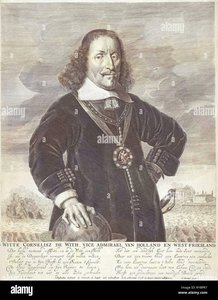
Simon De Vlieger
1601 - 1653 , Países Bajos
Datos clave
- Artistas O Movimientos Influenciados Por Este Artista: ['Ninguno conocido']
- Artistas Que Influyeron En Este Artista:
- Guercino
- Guido Reni
- Fecha De Muerte: 1663
- Fecha De Nacimiento: 1601
- Lugar De Nacimiento: Santarcangelo, Romagna
- Movimiento O Estilo Artístico: Barroco
- Nacionalidad: Italiano
- Nombre Completo: Guido Cagnacci
- Obras Notables:
- Magdalena penitente
- Varias pinturas religiosas
Artículos relacionados
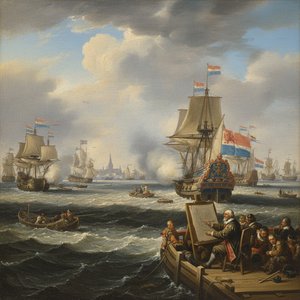
Willem van de Velde the Elder: Master of Maritime Painting & Chronicler of the Dutch Golden Age
Discover the captivating maritime paintings of Willem van de Velde the Elder, a master chronicler of the Dutch Golden Age. Explore his unparalleled realism and lasting influence on naval art history.

Goya: Las 25 Obras Maestras del Genio Español | Reproducciones de Arte en ArtsDot
Descubre las 25 obras maestras de Goya, el genio español. Explora retratos icónicos, 'Los Caprichos' y 'Las Pinturas Negras'. Reproducciones de arte en lienzo de alta calidad para decorar tu hogar con estilo. ¡Encuentra tu obra favorita en ArtsDot.com!
The Allure of the Horizon: A Comprehensive Exploration of Seascape Art Through History & Emotion
Explore the captivating world of seascape art! Discover its history, key artists & movements – from Dutch Masters to Impressionism. Expert insights for collectors and enthusiasts at ArtsDot.
Abraham Hulk Senior: Pioneering Maritime Topography of the Dutch Golden Age
Explore the captivating seascapes of Abraham Hulk Senior, a leading Anglo-Dutch marine painter of the 19th century. Discover his signature style, family legacy & collectable artworks at ArtsDot.
Pieter de Hooch: Illuminating Dutch Domestic Life & Golden Age Charm
Explore the captivating world of Pieter de Hooch, a master of Dutch Golden Age painting. Discover his innovative use of light, intimate domestic scenes, and lasting influence on art history. Learn more at ArtsDot.

