 Ver en contexto
 Enviar
 Compartir
 Detalles

 Descargar
 Similares
 Radiografía
 Presentación de diapositivas
Adoration of the Shepherds (Adoration des bergers)


 Ver más
Reproducción al óleo hecha a mano
Óleo sobre lienzo pintado a mano en el tamaño y marco de su elección, realizado por encargo por nuestros artistas. ( Comprar impresión Comprar imagen)




P118B $10

P118H $10

P118W $10

P438Z $10

P508JH $12

P508YH $12

P805H $10

P805Z $10

P919BZ $10

P919G $10

P919XJ $10

P959ZH $10

P968JZ $12

W106C $8

W218G $10

W218JH $8

W218Y $10

W307PJ $10

W316G $10

W316PJ $8

W316Y $10

W398PJ $8

W4111J $10

W500HY $15

W500JH $15

W692G $12

W849H $8

W940BG $15

W953PJ $8




Elija entre nuestros tamaños predefinidos que respetan las proporciones originales de la obra.

Puede ingresar sus propias dimensiones para adaptarse a un marco o espacio específico. Si el tamaño seleccionado no coincide con las proporciones de la imagen original, recortaremos la obra o extenderemos la pintura con elementos adicionales pintados a mano. Se le enviará una maqueta digital para su aprobación antes de comenzar la producción.
Tenga en cuenta que la vista previa en pantalla no refleja el recorte o la extensión reales. Solo la maqueta mostrará con precisión la composición final.
Si bien existen tamaños personalizados, recomendamos seleccionar una dimensión de la lista predefinida para preservar las proporciones originales.
Tras realizar el pedido, el equipo de ArtsDot.com enviará un correo electrónico al cliente para solicitar instrucciones y proporcionarle una vista previa del boceto.
Envío a todo el mundo () en 3-4 semanas en lugar de las 5 semanas estándar. (24 agosto). Sin comprometer la calidad.

Envío exprés gratuito a todo el mundo

Lienzo de lino de alta calidad

Seguro de envío total

Garantía de reembolso de impuestos aduaneros

Garantía de fidelidad cromática exacta

Política de devolución de 60 días (solo por defectos)

Garantía de devolución del 100% del dinero

Descuento por cantidad
 La opción de vidrio solo está disponible en tamaños inferiores a 110 cm.

Adoration of the Shepherds (Adoration des bergers)
Técnica de reproducción
Dimensiones de la reproducción
-


Precio total final
$ 263
Descripción de la obra
A Divine Encounter in Light and Shadow
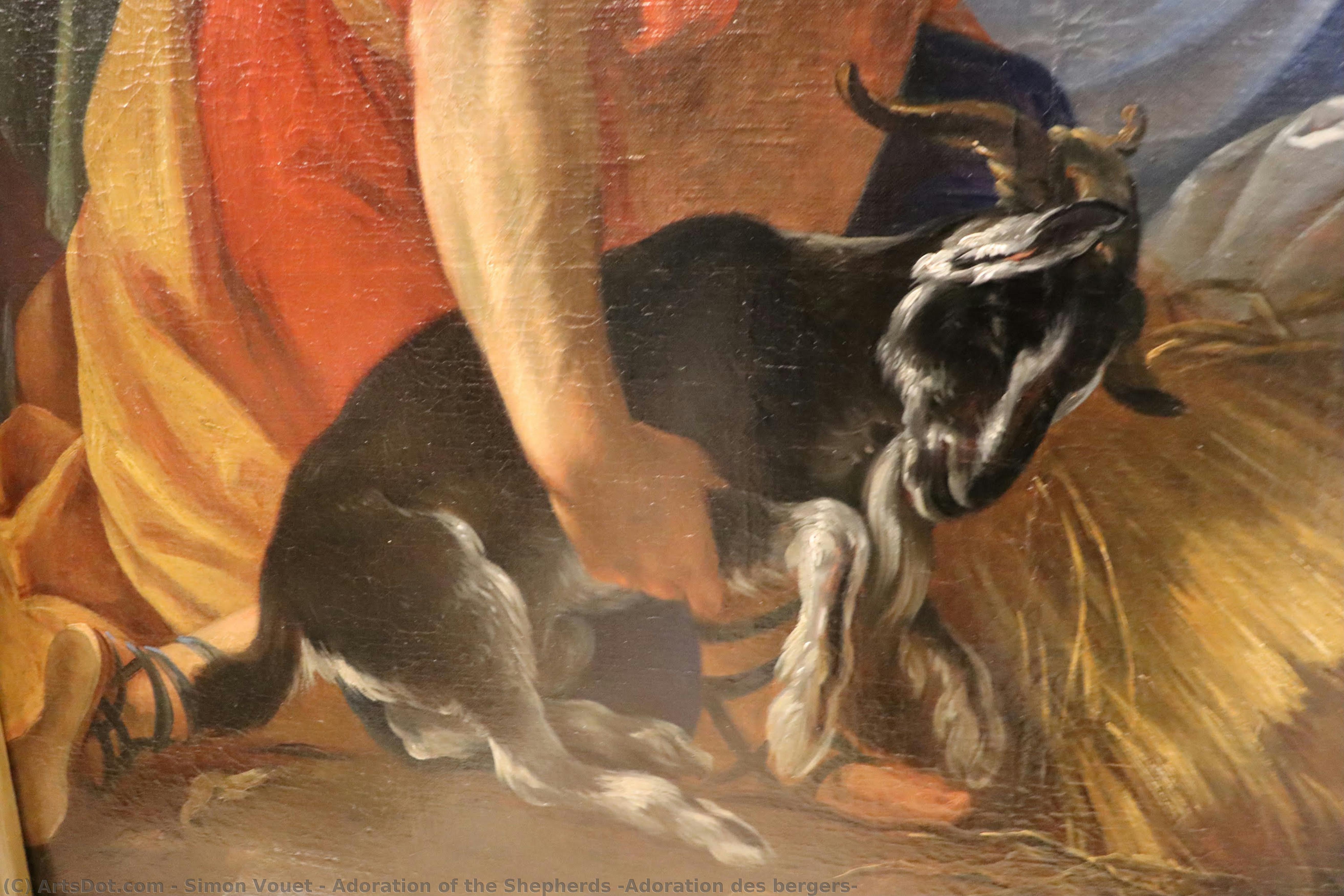
In the quiet, luminous depths of Simon Vouet’s Adoration of the Shepherds, we are invited into a moment of profound spiritual intimacy. This masterpiece, currently preserved within the esteemed collection of La Sauvegarde de l'Art Français in Paris, serves as a breathtaking window into the Baroque era. The scene unfolds with a tender gravity, capturing the precise second when the earthly meets the divine. At the heart of the composition lies the infant Jesus, swathed in soft, delicate cloths and resting upon a bed of humble straw. His small arm is raised in a gesture that feels both like a blessing to the onlookers and a gentle greeting to the world. Surrounding this holy center, shepherds clad in the rich, textured fabrics of the 17th century—velvets and silks that catch the light with palpable weight—kneel in a state of breathless reverence. The presence of a sheep at the feet of the central figure anchors the scene in the rustic reality of pastoral life, bridging the gap between the celestial event and the humble earth.
The technical brilliance of Vouet is nowhere more evident than in his masterful command of chiaroscuro. The painting is defined by a dramatic interplay of light and shadow that directs the viewer's eye with surgical precision. A soft, radiant light emanates from the left, washing over the figures and illuminating the intricate textures of their attire while casting deep, soulful shadows that lend the composition its three-dimensional depth. This lighting technique does more than just create volume; it acts as a narrative tool, pulling our gaze toward the glowing visage of the Christ child. The background, featuring rolling hills and a serene landscape under a clear sky, provides a sense of infinite space, ensuring that while the emotional focus remains tight and intimate, the world feels vast and alive around this sacred occurrence.
The Legacy of a French Baroque Master
To understand the soul of this painting, one must look to the journey of its creator, Simon Vouet. As a pioneer who transitioned French painting from the structured elegance of Mannerism into the emotive power of the Baroque, Vouet brought an international flair to his Parisian roots. His formative years spent traveling through Venice and the Ottoman Empire infused his work with a vibrant, Mediterranean warmth and a sophisticated use of color that was revolutionary for his time. In Adoration of the Shepherds, we see the culmination of this stylistic evolution—a blend of Italian grandeur and French grace. The way he renders the heavy folds of fabric and the soft glow of skin reflects an artist who had mastered the art of making the ephemeral feel eternal.
For the discerning collector or interior designer, this work offers much more than mere decoration; it provides a focal point of profound emotional resonance. The painting’s ability to evoke feelings of peace, devotion, and awe makes it a timeless addition to any curated space. Whether placed in a grand hall to command attention or in a quiet study to inspire contemplation, a high-quality reproduction of this piece brings with it the prestige of art history. It is an invitation to surround oneself with the beauty of the Baroque—a celebration of light, texture, and the enduring power of the human spirit in the face of the divine.
Obras relacionadas
Biografía del artista
Simón Vouet: Pionero de la Pintura Barroca Francesa
- Nacido: 9 de enero de 1590, París, Francia
- Fallecido: 30 de junio de 1649, París, Francia
Simón Vouet fue una figura clave en la transición de la pintura francesa del manierismo al estilo barroco. Nacido en una familia artística – su padre Laurent era pintor y su hermano Aubin también se dedicó al arte – Vouet recibió una formación temprana que sentó las bases para su futuro éxito. Su nieto, Ludovico Dorigny, continuaría el legado artístico de la familia.
Primeros Años e Influencias Italianas (1608-1627)
- Primeros Retratos: Vouet comenzó su carrera como retratista, demostrando un talento temprano.
- Viaje a Inglaterra (1608): Con tan solo 14 años, viajó a Inglaterra para pintar un retrato por encargo, mostrando su creciente reputación.
- Imperio Otomano y Venecia: En 1611, Vouet se unió a la comitiva del Barón de Sancy, embajador francés en el Imperio Otomano, nuevamente para trabajos de retratismo. Este viaje lo llevó por Constantinopla y luego a Venecia en 1612.
- Roma (1614-1627): Su tiempo en Roma resultó transformador. Permaneció allí durante trece años, sumergiéndose en la vibrante escena artística del floreciente período barroco.
Durante su estancia italiana, Vouet absorbió una diversa gama de influencias. Estudió las técnicas de iluminación dramática pioneras por Caravaggio, abrazó elementos del manierismo italiano y analizó meticulosamente las paletas de colores y el di sotto in su (perspectiva acortada) empleadas por Paolo Veronese. También se inspiró en las obras de Carracci, Guercino, Lanfranco y Guido Reni, sintetizando estos diversos estilos en una visión artística única.
Desarrollo del Estilo Distintivo de Vouet
- Elección a la Accademia di San Luca (1624): Su éxito en Roma culminó con su elección como presidente de la prestigiosa Accademia di San Luca, un testimonio de su habilidad y reconocimiento dentro del mundo artístico italiano.
- Síntesis de Influencias: El estilo de Vouet se caracterizó por su capacidad para absorber y destilar diversas influencias artísticas. No simplemente copiaba; integró estos elementos en una estética barroca distintivamente italianizante y cohesiva.
- Introducción del Barroco a Francia: Tras su regreso a Francia en 1627, Vouet jugó un papel crucial en la introducción del estilo barroco italiano a la pintura francesa, impactando significativamente el panorama artístico del país.
Logros Principales y Legado
- Premier Peintre du Roi: Vouet fue nombrado Premier peintre du Roi (Primer Pintor del Rey), un puesto de considerable prestigio e influencia.
- Taller Prolífico: Mantuvo un taller grande y activo, formando a numerosos artistas que moldearían la generación francesa de pintores posterior.
- Alumnos Destacados: Entre sus alumnos más influyentes se encontraban Charles Le Brun (quien luego organizó toda la pintura decorativa en Versalles), Valentin de Boulogne, Charles Alphonse du Fresnoy, Pierre Mignard, Eustache Le Sueur y Claude Mellan.
- Influencia en el Arte Francés: El impacto de Vouet se extendió más allá de sus propias obras; sus alumnos llevaron su estilo y técnicas por toda Francia, estableciendo una escuela distintivamente barroca de pintura. Su influencia es particularmente evidente en los grandes esquemas decorativos encargados por Luis XIV.
Significado Histórico
El legado de Simón Vouet reside en su papel fundamental como puente entre el arte italiano y francés. Importó con éxito el dinamismo y la grandeza del barroco italiano, transformándolo en un estilo que resonaba con los gustos de la corte y la aristocracia francesas. Su influencia es innegable en el desarrollo de la pintura francesa durante el siglo XVII, y sus contribuciones continúan siendo reconocidas por los historiadores del arte en la actualidad.
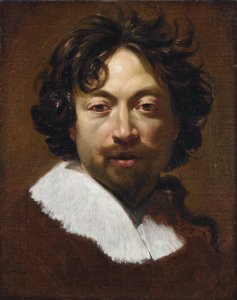
Simón Vouet
1590 - 1649 , Francia
Datos clave
- Artistas Influenciados:
- Charles Le Brun
- Valentin de Boulogne
- Eustache Le Sueur
- Artistas Que Influyeron:
- Caravaggio
- Paolo Veronese
- Carracci
- Guercino
- Lanfranco
- Guido Reni
- Fecha De Fallecimiento: 30 de junio de 1649
- Fecha De Nacimiento: 9 de enero de 1590
- Lugar De Nacimiento: París, Francia
- Movimiento Artístico: Barroco francés
- Nacionalidad: Francés
- Nombre Completo: Simón Vouet
- Obras Notables:
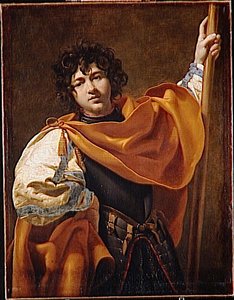
- Gaucher de Châtillon
- La Riqueza
- Venus y Adonis
- Apoteosis de San Luis
- Presentación en el templo
Artículos relacionados
Simon Vouet: A Baroque Master's Journey from Italian Influence to French Classicism
Explore the life & art of Simon Vouet, a pivotal French Baroque painter who introduced Italian styles to France. Discover his masterpieces and lasting influence on 17th-century art.

Drama Barroca: Llevando la Grandeza y la Emoción a los Interiores Contemporáneos
Descubre cómo el drama y la grandeza del arte barroco pueden transformar tus interiores. Guía experta, inspiración y reproducciones de alta calidad en .
Charles Le Brun: Master of French Baroque Classicism & His Enduring Legacy
Explore the life & art of Charles Le Brun, master of French Baroque Classicism. Discover his royal commissions, influence on Versailles, and enduring legacy through detailed analysis & stunning artworks.

The Dramatic Flourish: Exploring the Baroque Movement's Enduring Legacy in Art History
Explore the dramatic world of Baroque art! Discover iconic artists like Caravaggio & Rubens, defining techniques, and its lasting impact on art history. Expert insights for collectors & enthusiasts at ArtsDot.

Barroco Sublime: 10 Obras Maestras que Definieron una Época |
Descubre las 10 obras maestras del Barroco que marcaron una época. Caravaggio, Bernini y Velázquez cobran vida en . Reproducciones de arte de calidad museo para decorar tu hogar con elegancia. ¡Explora la colección online!